Turmeric: Powerful for Wellness, but Best Used Wisely
Turmeric is widely recognized as one of the most valued natural ingredients for health support. For generations, traditional healing systems have used it to help with the body’s inflammatory response, digestive health, immune function, and joint comfort. Its standout compound is curcumin, the ingredient largely responsible for turmeric’s potent antioxidant and anti-inflammatory effects.
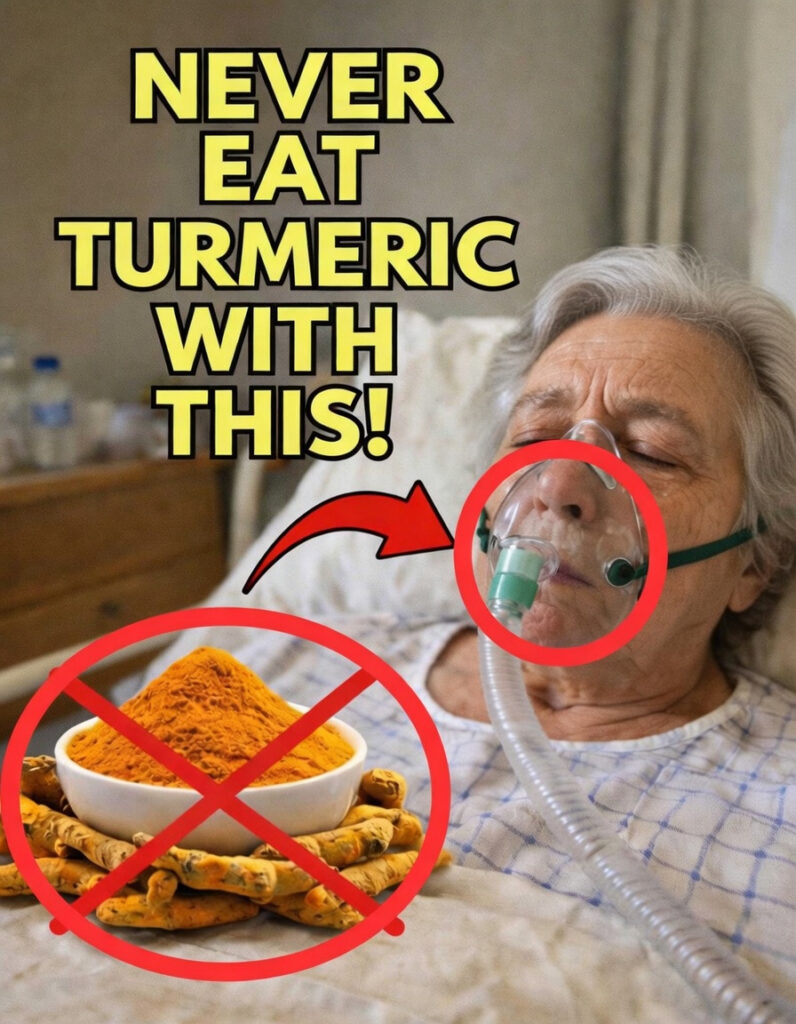
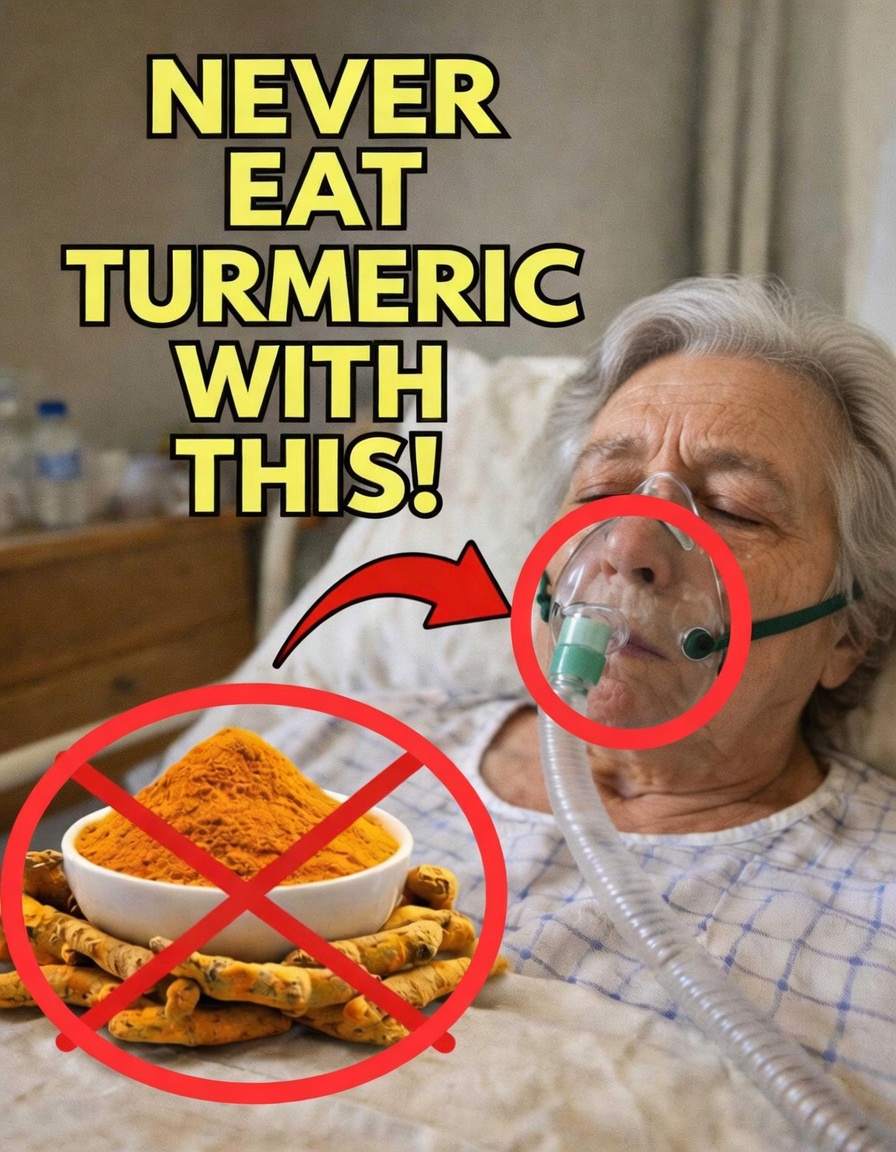
Still, even highly beneficial foods can be less effective—or occasionally problematic—when combined the wrong way. Certain pairings may weaken turmeric’s benefits, reduce nutrient uptake, or raise specific health concerns in some people. If you often add turmeric to tea, smoothies, soups, or everyday meals, you may be unintentionally reducing its effectiveness or creating issues you do not immediately notice.
Knowing which combinations deserve a little extra care can help you use this golden spice more safely and get more value from it. What many people overlook is that turmeric pairings can subtly influence energy levels, nutrient status, and overall comfort. A few simple adjustments may make a meaningful difference.
Why Turmeric Is Worth Using—And Worth Understanding
Turmeric is more than a colorful spice for curries or golden milk. Many people include it in their daily routine because of its reputation for supporting wellness. But studies suggest that the way turmeric is consumed matters. Everyday foods, supplements, and habits can affect how the body absorbs and responds to curcumin and other compounds found in turmeric.
Researchers have examined turmeric’s relationship with minerals, liver function, and blood-clotting activity. In normal cooking amounts, it is usually well tolerated. However, concentrated supplements and high doses deserve more attention. Below are three common combinations experts recommend handling thoughtfully.
1. Turmeric and Iron-Rich Foods: A Less Obvious Absorption Issue
Iron is essential for carrying oxygen through the body and helping maintain energy production. But some research indicates that turmeric compounds may attach to iron in the digestive system, which could make this mineral harder to absorb.
One case report described a person whose high-dose turmeric supplement use appeared to be associated with iron deficiency anemia, with improvement after stopping the supplement. Other findings suggest that turmeric and its polyphenols may reduce iron absorption by 20% to 90%, depending on the form and amount consumed.
This matters more when turmeric is eaten at the same time as foods high in iron, such as:
- Red meat
- Spinach
- Lentils
- Beans
- Iron-fortified cereals
Over time, frequent pairing may contribute to lower iron stores, especially in people who are already vulnerable to deficiency.
Who should be more careful?
- People with anemia
- Pregnant women
- Vegetarians and vegans who depend on plant-based iron
- Individuals with heavy menstrual bleeding
A better strategy
Instead of combining turmeric with iron-heavy meals, try separating them during the day. For example, eat iron-rich foods earlier, then enjoy turmeric tea or turmeric-based dishes later. This simple change may help support better absorption of both.
2. Turmeric and Alcohol: More Work for the Liver
Turmeric is often praised for its possible liver-supportive benefits, largely due to curcumin’s antioxidant activity. But the picture changes when alcohol is added—especially if alcohol intake is high or turmeric is taken in concentrated supplement form.
Both alcohol and large amounts of turmeric extracts are processed by the liver. Using them together may increase the workload on this organ. Some animal research suggests curcumin may help protect against certain alcohol-related effects, but human reports have also documented rare liver concerns linked to turmeric supplements, sometimes in combination with other risk factors.
Possible signs of discomfort may include:
- Digestive upset
- Tiredness
- Occasional nausea
These issues are uncommon when turmeric is used in normal culinary amounts, but higher-dose supplements call for greater caution.
Practical ways to reduce risk
- Avoid drinking alcohol immediately after taking turmeric supplements
- Keep turmeric intake moderate on days when you drink
- Stay well hydrated
Using turmeric as a seasoning in food is generally considered mild and manageable. However, capsules, extracts, and other concentrated products should be approached more carefully, especially if alcohol is part of your routine.
3. Turmeric and Blood-Thinning Foods or Supplements: Effects Can Add Up
Curcumin appears to have mild natural effects on platelet activity and circulation. In moderate amounts, this may seem beneficial. However, when turmeric is combined with other substances that also influence blood clotting, the total effect may become stronger than expected.
Items commonly associated with blood-thinning effects include:
- Garlic supplements
- Ginger supplements
- Fish oil or omega-3 supplements
- Vitamin E supplements
- Certain herbal products
When several of these are used together, they may have a cumulative effect. In sensitive individuals, this could increase the likelihood of easy bruising or bleeding.
Who should be especially mindful?
- People taking prescription blood thinners
- Anyone preparing for surgery
- Individuals with bleeding disorders
Experts often advise stopping nonessential supplements about two weeks before surgery, but always follow your healthcare provider’s guidance. If you take medication, speak with your doctor before changing your turmeric intake.
Everyday Habits That May Reduce Turmeric’s Benefits
In addition to the pairings above, a few common habits can affect how well turmeric works in the body—or make side effects more likely.
1. Taking too much at once
Supplements provide far more curcumin than the small amount used in cooking. Excessive intake may occasionally lead to stomach discomfort, including nausea or loose stools.
2. Not eating it with fat
Curcumin is fat-soluble, which means the body absorbs it better when consumed with dietary fat. Without fat, you may not get the full benefit.
3. Ignoring possible medication interactions
Turmeric may affect how certain medications work, including drugs related to blood pressure, blood sugar, and clotting. A quick conversation with a healthcare professional can help you avoid problems.
How to Use Turmeric More Effectively
If you want turmeric to support your wellness routine without unnecessary issues, these simple habits can help.
Stick with culinary amounts
A good starting point is about 1/2 to 1 teaspoon per day in food. For most people, this is a comfortable and practical amount.
Combine turmeric with healthy fats
Try pairings like:
- Roasted vegetables with turmeric and olive oil
- Smoothies made with avocado or coconut milk
- Golden milk prepared with full-fat dairy or a rich plant-based milk
Add black pepper
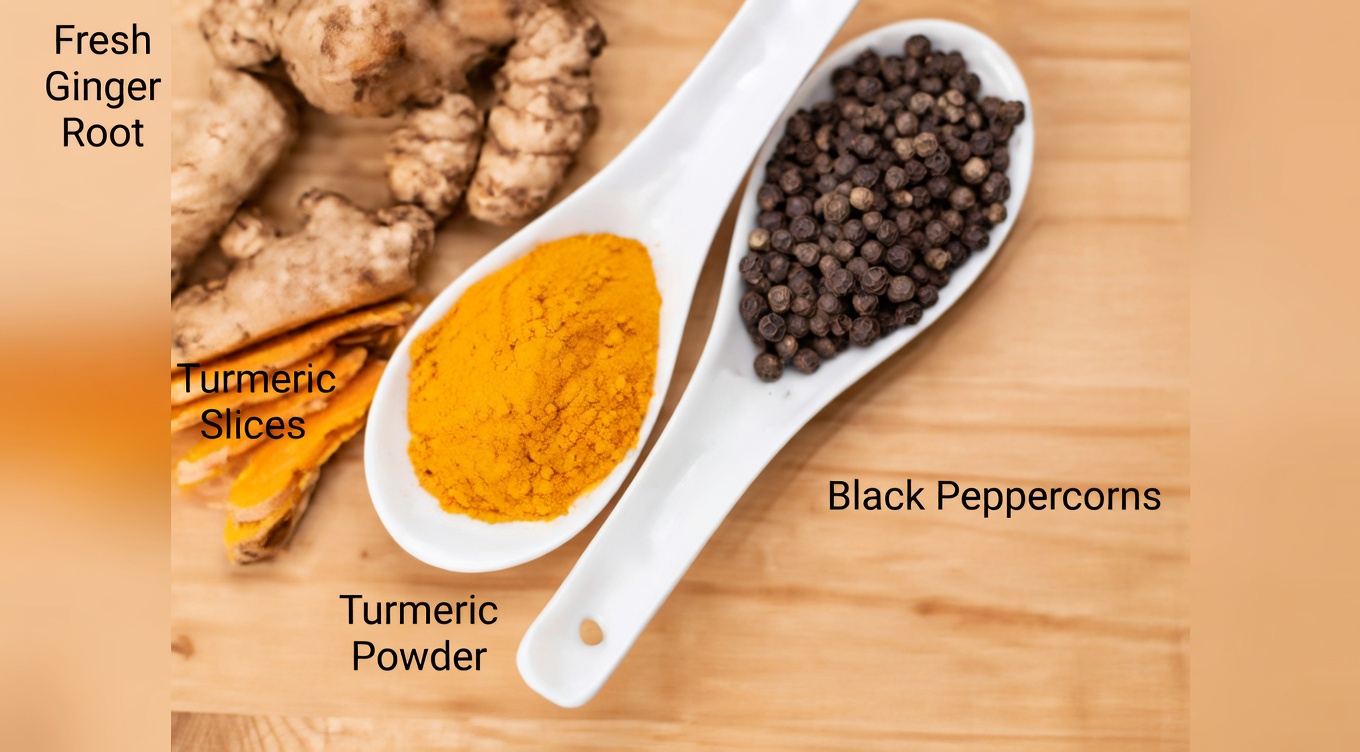
Black pepper contains piperine, a compound known to dramatically improve curcumin absorption. Some research suggests it may increase absorption by as much as 2,000%. Even a small pinch can help.
Time it well
When possible, avoid taking turmeric at the same time as:
- Iron-rich meals
- Alcohol
- Other blood-thinning supplements
Choose high-quality products
Whether you use fresh turmeric root, turmeric powder, or supplements, select trusted brands. If using supplements, formulas that include piperine may offer better absorption.
Many people do well with small, steady habits rather than large doses. For example, seasoning roasted cauliflower with turmeric, olive oil, and black pepper is an easy and enjoyable way to include it regularly.
Final Thoughts
Turmeric remains one of the most respected spices for natural wellness support, thanks to its antioxidant and anti-inflammatory compounds. But using it well means paying attention to what you pair it with. Iron-rich foods, alcohol—especially in larger amounts—and other blood-thinning substances are three combinations worth handling carefully.
With a little awareness and better timing, you can continue enjoying turmeric’s warm flavor and potential benefits with greater confidence and fewer concerns.