
10 Common Amlodipine Side Effects and How to Manage Them
Many people begin taking amlodipine to control high blood pressure and soon notice unexpected changes, such as swollen ankles or unusual fatigue by the end of the day. Puffiness, dizziness, or low energy can make everyday activities like walking, standing up, or climbing stairs feel more difficult than usual.
The reassuring part is that these effects are often common, expected, and manageable once you understand why they happen and what to do about them. One simple evening habit, in particular, can make one of the most bothersome side effects much easier to handle.
Why Amlodipine Causes Side Effects
Amlodipine is part of a class of medications known as calcium channel blockers. Its job is to relax and widen blood vessels so blood can move through them more easily. This can reduce blood pressure and lower strain on the heart.
However, that same blood vessel relaxation may also lead to fluid buildup, temporary changes in circulation, or shifts in how you feel physically. According to the Mayo Clinic, these side effects are usually mild and are more likely to appear when you first start the medication or after your dose is increased.
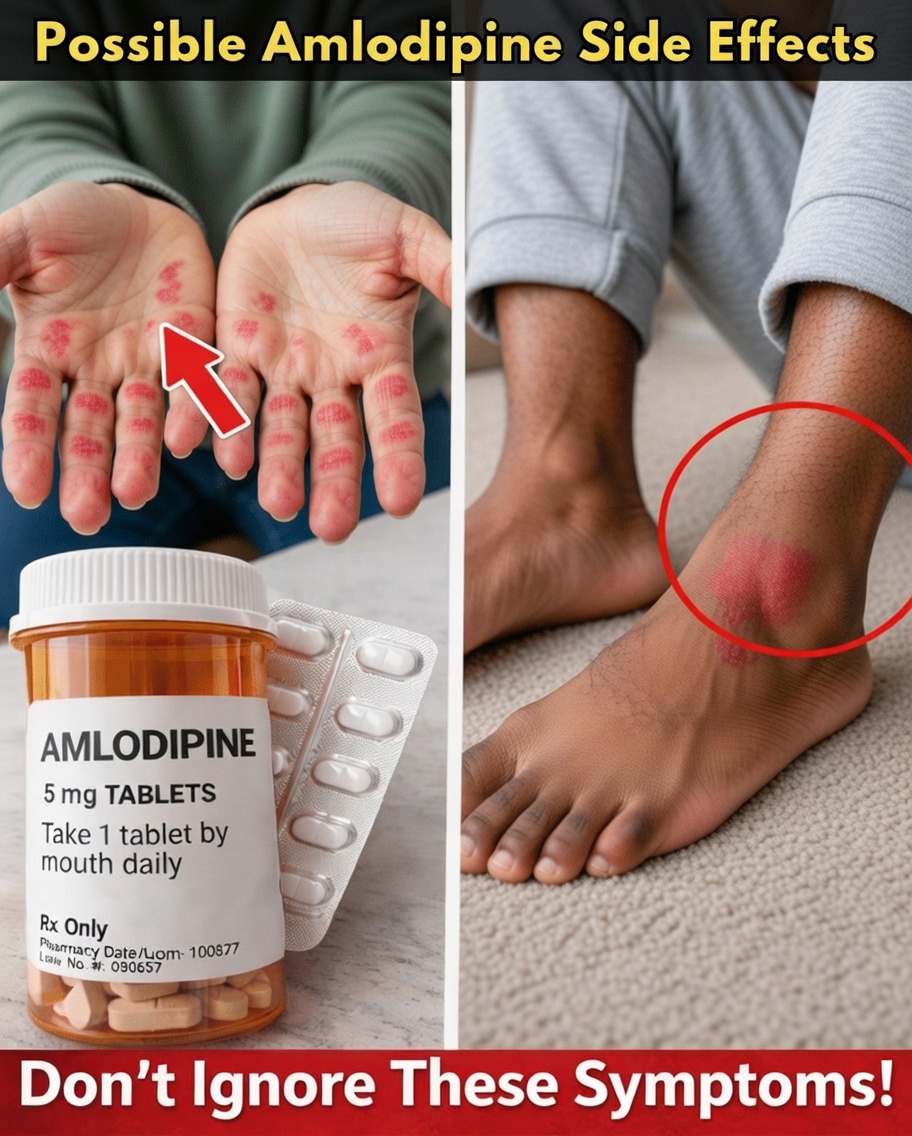
The 10 Most Common Amlodipine Side Effects
Below are the side effects doctors and patients report most often, along with what they may feel like, why they happen, and a practical tip that may help.
1. Swelling in the Ankles and Feet
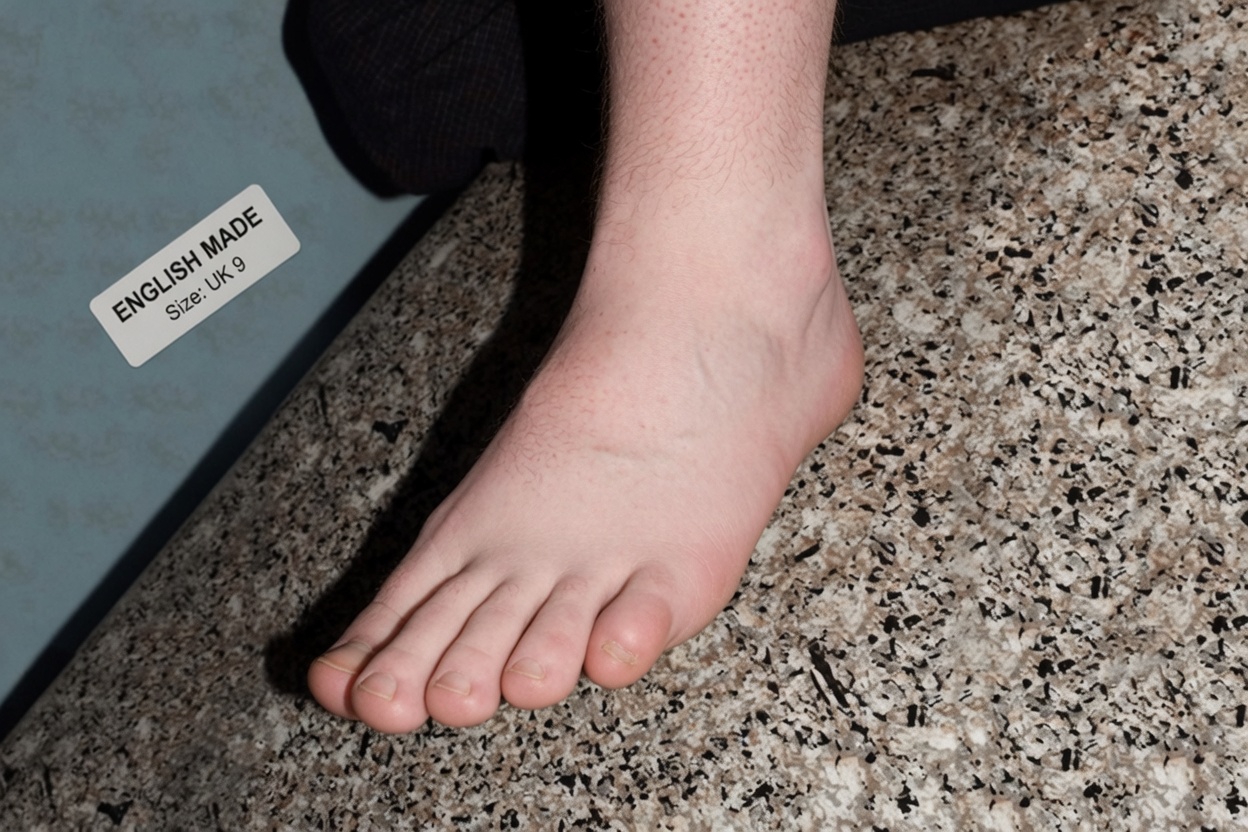
This is one of the most frequently reported side effects and is often called peripheral edema. It happens when fluid collects in the lower legs because relaxed blood vessels allow some fluid to move into nearby tissues. The Cleveland Clinic notes that people often notice tighter shoes or sock marks by the evening.
Helpful tip: Raise your legs on a pillow for 15 to 20 minutes in the evening. Many people say this simple habit noticeably reduces swelling.
2. Dizziness or Light-Headedness
Some people feel briefly dizzy when standing up too fast. Because amlodipine widens blood vessels, blood pressure can temporarily drop during position changes.
Helpful tip: Stand up slowly from bed or a chair. Pause for a few seconds before walking.
3. Facial Flushing or Warmth
A sudden feeling of heat in the face, neck, or chest can happen because blood flows closer to the skin’s surface. This may also make the skin appear pink or red.
Helpful tip: Use a cool washcloth and drink water slowly. In many cases, this side effect improves within a few weeks.
4. Headaches
A mild or dull headache may appear during the first week or two as your body adapts to the medication. This is a common early response.
Helpful tip: Stay well hydrated and try gentle neck or shoulder stretches. Guidance from the NHS suggests these headaches often fade on their own.
5. Feeling More Tired Than Usual
Some people feel unusually sleepy or low on energy, even after a normal night of sleep. Because the heart is working under less pressure, your body may need time to adjust.
Helpful tip: Take a 10-minute walk after lunch. Light movement often helps improve energy better than another cup of coffee.
6. Heart Palpitations
You may occasionally feel like your heart is beating fast, fluttering, or skipping for a moment. Although this is often harmless, it can feel alarming.
Helpful tip: Sit down, breathe slowly, and make a note of when it happens. For many people, this becomes less frequent after the first month.
7. Mild Nausea or Upset Stomach
Some people feel slightly queasy, especially if they take amlodipine on an empty stomach.
Helpful tip: Try taking the tablet with a light snack such as a banana, crackers, or yogurt.
8. Muscle Cramps or Aches
Changes in circulation may sometimes lead to sore muscles or nighttime cramping, especially in the calves or legs.
Helpful tip: Stretch gently before bed. You can also ask your doctor whether a magnesium-rich snack, such as almonds, would be appropriate for you.
9. Tender or Swollen Gums
This side effect is less well known, but amlodipine can sometimes cause mild gum overgrowth or tenderness.
Helpful tip: Brush and floss consistently and schedule a dental cleaning every six months to help keep symptoms under control.
10. Mild Weight Gain
A small increase in weight may happen because of fluid retention, not body fat. This can be easy to miss unless you track it.
Helpful tip: Weigh yourself once a week at the same time of day. If your weight rises quickly by several pounds, tell your doctor.
An Important Detail: Dose Often Matters
One key fact about amlodipine side effects is that many of them are dose-related. In some cases, people feel significantly better after a small medication adjustment. Only your doctor should make that decision, so never change the dose on your own.
When to Contact Your Doctor
Although most side effects of amlodipine are mild and manageable, some symptoms need medical attention. Contact your healthcare provider promptly if you notice:
- Chest pain
- Shortness of breath
- Severe dizziness that does not improve
- Swelling spreading to the hands or face
- Yellowing of the skin or eyes
- Rapid weight gain over one or two days
Daily Habits That Can Help Reduce Side Effects
You do not need to wait until symptoms become frustrating. These simple habits can make day-to-day life easier while taking amlodipine:
- Reduce salt intake by replacing salty snacks with unsalted options
- Drink water steadily throughout the day instead of taking in large amounts at once
- Elevate your legs every evening for at least 15 minutes
- Move every hour, even if it is just light marching in place or a short walk around the room
How Long Do Amlodipine Side Effects Last?
The body usually adapts well to amlodipine over time. Research suggests that many common side effects improve within two to four weeks as your system gets used to the medication.
That is why patience, observation, and regular communication with your doctor are so important. If symptoms continue or become more severe, your provider may recommend changing the dose or considering another approach.
Conclusion
Managing high blood pressure often means finding a treatment plan that suits your body and lifestyle. Understanding the most common amlodipine side effects can make the experience far less stressful and help you feel more in control.
Small steps, such as raising your legs, standing up slowly, or tracking fluid-related weight gain, can make a meaningful difference. Pay attention to how you feel, keep a simple record of any side effects, and stay in touch with your doctor about anything new or worsening.
FAQ
Can amlodipine side effects go away without changing the medication?
Yes. Many people find that symptoms such as ankle swelling, flushing, or headaches improve after the first few weeks as the body adjusts. If side effects continue, your doctor may recommend a lower dose or a different dosing schedule.
Is ankle swelling from amlodipine dangerous?
In most cases, it is more uncomfortable than serious. However, swelling that appears suddenly, becomes severe, or affects only one side should be discussed with a doctor because it may point to another problem.
Should I change my diet while taking amlodipine?
Most people can continue a balanced diet, but lowering extra salt and staying hydrated may help reduce fluid retention. Always speak with your healthcare provider before making major dietary changes.
Disclaimer
This article is for informational purposes only and does not replace professional medical advice, diagnosis, or treatment. Always speak with your doctor or healthcare provider if you have questions about your health, your medication, or any changes to your treatment plan.