Imagine biting into a juicy piece of fruit on a hot day—then realizing later that something so ordinary could carry an unexpected health risk. Following recent reports from India involving suspected Nipah virus infections, Vietnam’s Ministry of Health released an urgent advisory focused on prevention—especially everyday food safety habits many people often overlook.
This reminder matters because human health is tightly linked to the environment, wildlife, and how we handle foods like fresh fruit. The reassuring part is that risk can be reduced with simple, practical steps—particularly one crucial habit: never eat fruit that appears bitten or partially eaten by bats or birds.
Nipah Virus Overview and the Latest Health Alerts
Nipah virus (NiV) is a zoonotic virus, meaning it can spread from animals to humans. Its primary natural host is fruit bats, especially flying foxes, which can carry the virus without appearing ill.
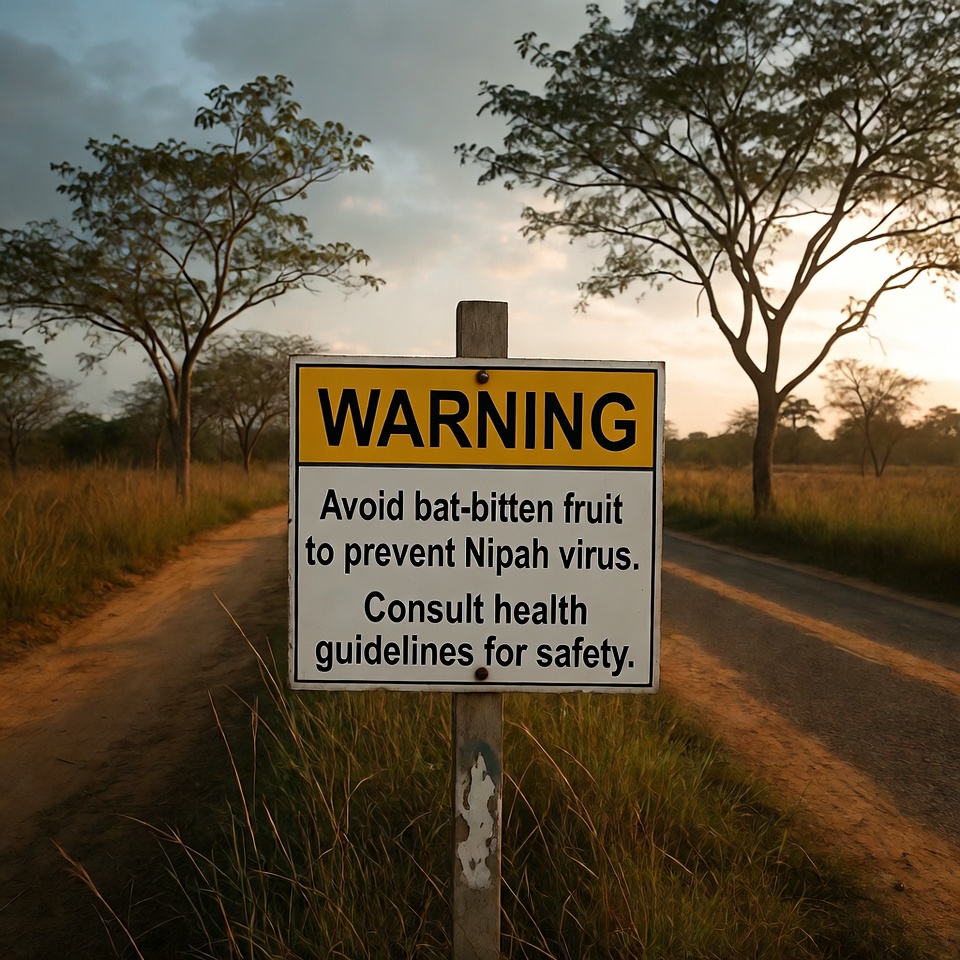
The virus was first identified in Malaysia (1999) and has since caused intermittent outbreaks in parts of Bangladesh and India. According to the World Health Organization (WHO), most outbreaks involve limited numbers rather than large epidemics—but the disease can be extremely severe. Among patients who develop serious illness and require hospitalization, past outbreaks have shown fatality rates ranging from 40% to 75%.
There is no approved vaccine and no specific antiviral treatment widely available, so prevention and early awareness are the most effective defenses.
In response to reports from India, Vietnam’s Ministry of Health issued a precautionary notice. The reports indicated five suspected cases, including two confirmed cases, in West Bengal between late December 2025 and January 26, 2026, involving healthcare workers in a hospital setting. Vietnam has not recorded any Nipah virus cases so far, but authorities are reinforcing monitoring at:
- Border entry points
- Healthcare facilities
- Community surveillance systems
A standout point in the advisory is highly practical: avoid eating fruit with signs of being bitten or gnawed by bats or birds, as contaminated food can be a transmission route when bats come into contact with fruit or sap.
How Nipah Virus Spreads: Main Transmission Routes
Nipah virus typically reaches humans through direct contact with infected animals or indirect exposure to contaminated foods or environments. Key pathways include:
-
Bat-to-human transmission
Fruit bats can contaminate fruits through saliva or urine while feeding or roosting. Eating raw, unwashed, or partially eaten fruit increases risk in affected areas. -
Contaminated foods and drinks
In South Asia, raw date palm sap is a well-documented risk because collection containers are often left open, allowing bats to lick or urinate into them. Similar concerns apply to other fresh, unprocessed tree saps and fruits. -
Animal-to-human spread (via intermediate hosts)
In previous outbreaks, animals such as pigs became infected after exposure to bat-contaminated sources and then transmitted the virus to people through close contact. -
Human-to-human transmission
Close contact with an infected person’s bodily fluids (including respiratory droplets and secretions) can spread the virus, especially among caregivers and in healthcare environments.
The typical incubation period is 4–14 days, meaning symptoms may appear days after exposure.
Nipah Virus Symptoms: Signs You Should Not Ignore
Early symptoms can resemble common viral illnesses, which makes recognition important. Initial signs often include:
- Headache
- Muscle aches
- Vomiting
- Sore throat
In more advanced cases, neurological complications may develop, such as:
- Drowsiness or dizziness
- Confusion or altered awareness
- Seizures
Severe infections can progress to encephalitis (inflammation of the brain). If you have recently traveled to a location with reported Nipah activity and develop these symptoms, seek medical care promptly and share your travel and exposure history. While there is no specific cure, early supportive treatment can improve outcomes.
Practical Prevention Tips Recommended by Health Authorities
Vietnam’s Ministry of Health emphasizes prevention through routine behaviors that reduce exposure. These steps align with general WHO recommendations for reducing risk in regions where the virus may appear.
Food Safety Steps to Start Right Away
- Wash fruit thoroughly under running water and peel it before eating when possible.
- Do not eat fruit that looks bitten, gnawed, or partially eaten—dispose of it safely.
- Avoid raw or unprocessed tree sap, including fresh palm sap or similar products.
- Follow a safer eating approach: eat thoroughly cooked foods and drink boiled water.
Travel and Daily Hygiene Precautions
- Limit non-essential travel to locations reporting Nipah virus activity.
- If you return from an affected area, monitor your health for 14 days.
- Wash hands frequently using soap and water, especially after animal contact or rural travel.
- Avoid close contact with fruit bats and sick animals.
If You’re Caring for Someone Who Is Ill
- Use appropriate protection such as masks and gloves when needed.
- Reduce direct exposure to bodily fluids and wash hands carefully after caregiving.
Why This Advisory Matters—Even Outside Outbreak Areas
Many people assume Nipah virus is only a risk during “exotic” travel or in remote regions. However, food handling risks can still exist where fruit is locally sourced or informally imported, especially if hygiene practices are inconsistent.
Public health research from previous outbreaks suggests that simple measures—such as preventing contamination at sap collection sites and improving food hygiene—can help break transmission chains.
A key takeaway is broader than Nipah alone: adopting these habits strengthens protection against multiple foodborne and zoonotic threats, not just one virus. For accurate updates, rely on official information from the Ministry of Health and the WHO.
Conclusion: Stay Alert, Practice Food Hygiene, and Reduce Risk
India’s recent Nipah virus reports are a timely reminder that prevention starts with everyday choices—especially safe food handling. Vietnam has not documented any Nipah cases so far, but strengthening preparedness and applying simple habits can significantly reduce potential risk. The most actionable step for many people is also the simplest: never eat fruit that appears bitten by bats or birds.
Frequently Asked Questions (FAQ)
What should I do if I ate fruit that might have been bitten by a bat?
Watch for symptoms such as fever, headache, dizziness, or unusual drowsiness for the next 14 days. If you feel unwell, contact a healthcare provider promptly and explain what you ate and any relevant travel or exposure history.
Is Nipah virus common in Vietnam?
No. Vietnam has not reported any Nipah virus cases. The advisory is preventive, based on developments in other countries.
Can Nipah virus be completely prevented?
There is currently no vaccine, but the risk can be greatly reduced by avoiding high-risk exposures, practicing strong hygiene, and steering clear of potentially contaminated foods—approaches consistent with WHO prevention guidance.
Disclaimer
This article is provided for informational purposes only and is based on publicly available guidance and reporting from the Vietnam Ministry of Health, the WHO, and other credible sources. It does not replace professional medical advice. If you develop symptoms or have health concerns, consult a qualified healthcare professional.