Blood Clots and Circulation: Natural Ingredients That May Support Healthy Blood Flow
Blood clots are part of your body’s normal repair system—they help stop bleeding after an injury. However, when clotting happens more than it should, it can cause discomfort and raise questions about circulation and heart health. Many people become more mindful of healthy blood flow as they get older, spend long hours sitting, or deal with chronic low-grade inflammation and other everyday stressors that may affect vascular wellness.
Encouragingly, a number of familiar foods, spices, and traditional herbs have been studied for their potential to support circulation through anti-inflammatory activity and gentle effects on platelet behavior and blood flow dynamics. Below are some widely discussed options and practical ways to use them as part of a balanced lifestyle.
Why Consider Natural Circulation Support?
Strong circulation helps deliver oxygen and nutrients throughout the body—supporting energy, comfort, and overall cardiovascular function. Research often focuses on plant compounds that may:
- Help modulate inflammation
- Influence platelet aggregation (how easily platelets clump)
- Support blood vessel function and normal flow
These strategies are not a replacement for medical care, but they may complement healthy habits like regular movement, hydration, and nutritious eating.
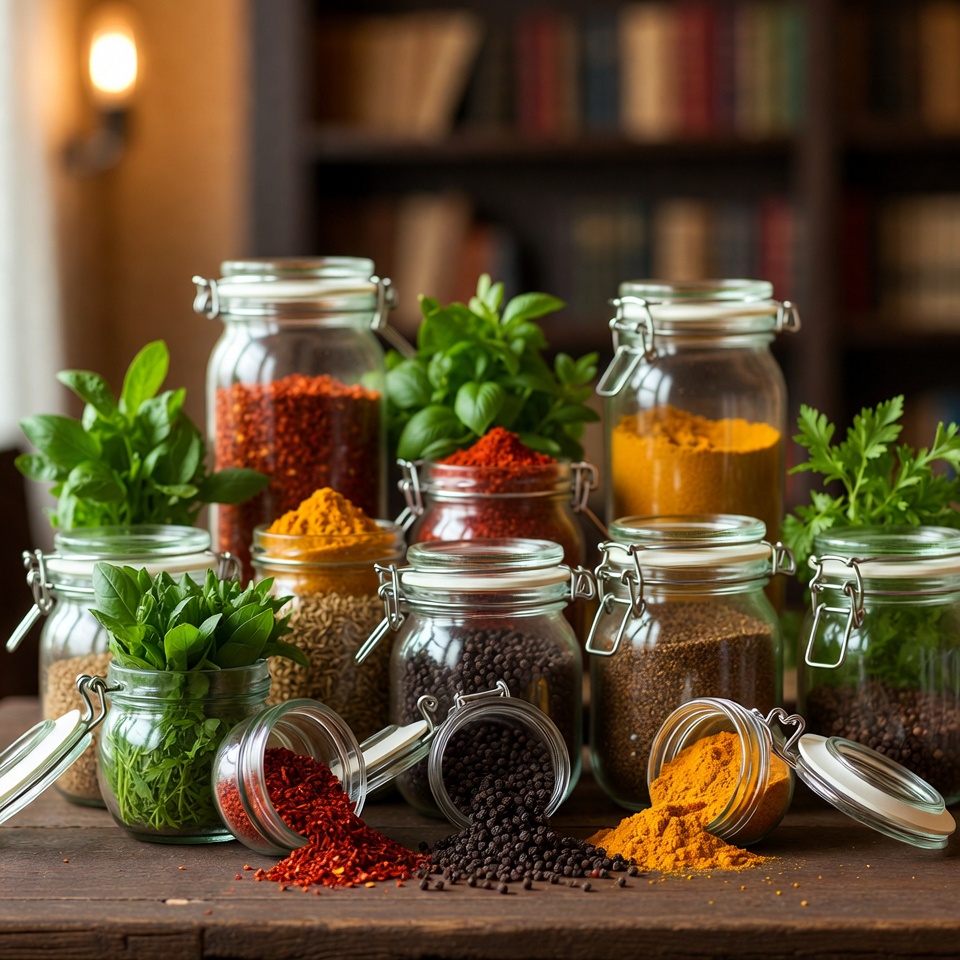
Kitchen Spices and Foods Linked to Better Circulation
The following everyday ingredients are frequently mentioned in research and wellness discussions for circulatory support.
Turmeric (Curcumin)
Turmeric’s bright yellow pigment comes largely from curcumin, a compound widely studied for anti-inflammatory effects. Some studies suggest curcumin may help reduce factors involved in platelet aggregation, supporting normal blood flow processes.
Ginger (Gingerol and Natural Salicylates)
Ginger is known for its warming, soothing qualities. Research connects ginger’s active constituents—especially gingerol—with inflammation modulation. Ginger also contains natural salicylate-like compounds that may gently influence how platelets behave, potentially supporting smoother circulation.
Garlic (Allicin and Sulfur Compounds)
Garlic is a classic heart-healthy staple. Its sulfur-based compounds, including allicin, have been associated with cardiovascular support in studies—often discussed in relation to cholesterol management and maintaining healthy platelet activity.
Cinnamon (Coumarin-Like Components)
Cinnamon contains compounds sometimes described as coumarin-like. In moderate culinary amounts, cinnamon is often discussed for its potential role in supporting blood movement and reducing excessive clotting tendencies.
Cayenne Pepper (Capsaicin)
Cayenne’s heat comes from capsaicin, which has been associated with blood vessel relaxation and circulation support in research discussions. By encouraging vessel dilation, cayenne may help promote better blood flow—especially for people concerned about sluggish circulation.
Pineapple (Bromelain)
Pineapple contains bromelain, an enzyme concentrated in both the fruit and stem. Bromelain has been studied for its potential to influence fibrin (a protein involved in clot formation) and to support the body’s normal processes related to clot breakdown—one reason it often appears in heart-health conversations.
Used consistently in everyday meals, these ingredients show promise in lab research and some human studies as part of a food-based approach to supporting circulation.
Traditional Eastern Herbs Used for Blood Flow
In Traditional Chinese Medicine (TCM), circulation is often framed as supporting “blood movement” and reducing stagnation. Modern research is still evolving, but these herbs are frequently cited in traditional practice and contemporary discussions:
- Dong Quai (Dang Gui): Traditionally described as a “blood nourishing” herb and often combined with other botanicals to support circulation and vitality.
- Motherwort (Yi Mu Cao): Commonly used in women’s health contexts, traditionally associated with supporting healthy blood dynamics.
- Achyranthes (Niu Xi): Traditionally used to encourage “downward movement” and support lower-body circulation.
- Red Peony (Chi Shao) and Ligusticum (Chuan Xiong): Often paired in formulas intended to “invigorate blood,” support flow, and reduce discomfort linked to stagnation.
Important: Herbal products can vary widely in quality and potency, and some may interact with medications (especially anticoagulants). Choose reputable sources and consult a qualified professional before use.
Mushrooms and Their Potential Cardiovascular Benefits
Certain functional mushrooms are valued for bioactive compounds like polysaccharides and triterpenoids, which are being studied for immune and cardiovascular support.
- Reishi (Lingzhi): Research suggests reishi may help reduce platelet aggregation and support blood vessel function, contributing to overall cardiovascular comfort.
- Shiitake: Shiitake contains compounds being explored for supporting blood vessel health and gentle anti-clotting activity.
These mushrooms are commonly used as teas, powders, and supplements as part of daily wellness routines.
Topical Support: Helichrysum Essential Oil
For external use, helichrysum (immortelle) essential oil is often used in aromatherapy for its soothing, anti-inflammatory reputation. When properly diluted in a carrier oil and applied to the skin, it may support localized comfort and gentle circulation in the area.
- Use only topically unless guided by a qualified expert.
- Always dilute, and patch test to reduce the risk of irritation.
Simple, Realistic Ways to Add These to Your Routine
If you want a practical starting point, try building small habits that are easy to maintain:
- Cook with circulation-friendly spices: Add turmeric, ginger, garlic, and cayenne to soups, roasted vegetables, stir-fries, and marinades.
- Make a daily tea: Simmer fresh ginger or turmeric; consider adding a small pinch of black pepper alongside turmeric to support absorption.
- Snack on pineapple: Eat fresh pineapple or blend it into smoothies to include natural bromelain.
- Try mushroom beverages: Mix reishi or shiitake powder into coffee, cocoa, or an evening drink for a steady routine.
- Massage with diluted essential oil: Combine helichrysum with a carrier oil and gently massage legs or arms to support comfort and circulation.
A steady approach usually matters more than large doses. Start with small amounts and pay attention to how your body responds.
Safety Notes Before You Try Anything New
In normal culinary amounts, these foods and spices are typically safe for most people. However, concentrated supplements or high doses may:
- Increase the effects of blood-thinning medications
- Affect bleeding risk before or after surgery
- Interact with certain health conditions
The research is promising in terms of supportive wellness benefits, but these options are not substitutes for prescribed treatments. If you have a medical condition or take medication—especially anticoagulants—talk with a healthcare professional before changing your routine.
Conclusion
Adding select spices, herbs, mushrooms, and nutrient-rich foods to your day can be an accessible way to support healthy circulation as part of a broader plan—alongside movement, hydration, and balanced meals. Small daily choices can compound over time and may help you feel more comfortable and energized.
FAQ
Can these foods replace prescription blood thinners?
No. These ingredients may offer gentle support, but they are not medical treatments. Always follow your clinician’s advice and prescribed plan.
How much should I take to see benefits?
A safe place to begin is with culinary amounts (for example, about 1 teaspoon of turmeric in food or one clove of garlic daily). For supplements, dosing varies—seek personalized guidance from a healthcare provider.
Are there risks if I have a health condition or take medication?
Yes. People with clotting disorders, upcoming surgery, or those taking anticoagulants/antiplatelet drugs should be especially cautious due to possible interactions. Consult a qualified professional first.
Disclaimer
This article is for informational purposes only and does not provide medical advice. The statements in this article have not been evaluated by the FDA. Products mentioned are not intended to diagnose, treat, cure, or prevent any disease. Always consult your healthcare provider before making changes to your diet or supplement routine, particularly if you have a medical condition or take medications.