Kidney Health After 60: Why Creatinine Rises and Which Vegetables to Limit
After 60, it’s common for the kidneys to slow down a bit in how efficiently they filter waste from the blood. One lab value doctors often watch is creatinine, a natural waste product created when muscles break down energy compounds. When creatinine is higher than expected, it may suggest the kidneys are working under extra pressure—something many older adults face.
That can feel unsettling, especially when everyday decisions (like what you eat) suddenly seem more important. The encouraging part is that small, realistic diet adjustments can help reduce kidney workload and support how you feel day to day. A key step is knowing which “healthy” vegetables may quietly add more strain—and what to choose instead.
Why Creatinine Levels Matter More After Age 60
Creatinine is produced continuously by the body and is usually removed by healthy kidneys. As people age, kidney function often declines gradually. Organizations such as the National Kidney Foundation note that this age-related change can make creatinine more likely to rise—especially when other stressors (including dietary patterns) add pressure.
A high creatinine reading doesn’t always mean an emergency, but it is a meaningful sign to take kidney support seriously. For many people in their 60s and beyond, keeping creatinine in a healthier range is closely tied to:
- Maintaining steady energy
- Minimizing fatigue and “heaviness”
- Protecting long-term kidney function
- Feeling more in control of overall health
Research and common clinical guidance also suggest that moderating certain nutrients—particularly potassium, oxalates, and sodium—may help reduce kidney burden without requiring a complete lifestyle overhaul.
The Overlooked Issue: “Healthy” Vegetables That Can Be Harder on Kidneys
Vegetables are essential for fiber, antioxidants, and overall wellness. However, some vegetables contain higher levels of potassium, oxalates, or sodium—nutrients that can be more difficult to manage when kidney function is already under strain.
- Oxalates can bind with minerals and may contribute to added kidney stress in some individuals.
- Potassium is normally regulated by the kidneys; when kidneys struggle, excess potassium can become harder to clear.
- Sodium, especially from processed foods, increases fluid retention and can raise blood pressure—both of which can increase kidney workload.
5 Vegetables to Limit When Creatinine Is Elevated
The foods below are not “bad”—they’re simply smart to portion-control or swap more often when you’re trying to support kidney function.
-
Amaranth greens
- Often higher in oxalic acid, which may be harder for strained kidneys to handle in large amounts.
-
Malabar spinach
- Similar to amaranth greens, it tends to be oxalate-rich, making moderation important for kidney support.
-
Spinach
- Extremely nutrient-dense, but also relatively high in potassium and oxalates. Cooked spinach can be especially concentrated due to reduced volume.
-
Kale
- Known for antioxidants and vitamins, yet it can contain significant potassium, so portion size matters.
-
Pickled vegetables
- The main concern is high sodium from the pickling process, which can increase fluid retention and add kidney stress.
Many people feel more comfortable—and notice fewer day-to-day worries—after adjusting portion sizes and frequency of these foods.
Better Options: Kidney-Friendlier Vegetables and Foods
The goal is not to remove vegetables, but to prioritize choices that are generally lower in potassium and oxalates, while also supporting hydration and steady nutrition.
Practical Vegetable Picks
-
Cucumber
- Very hydrating and typically low in potassium, making it a gentle, kidney-friendly choice.
-
Garlic
- Adds strong flavor without relying on salt. Some research also connects garlic with support for circulation and inflammation management.
-
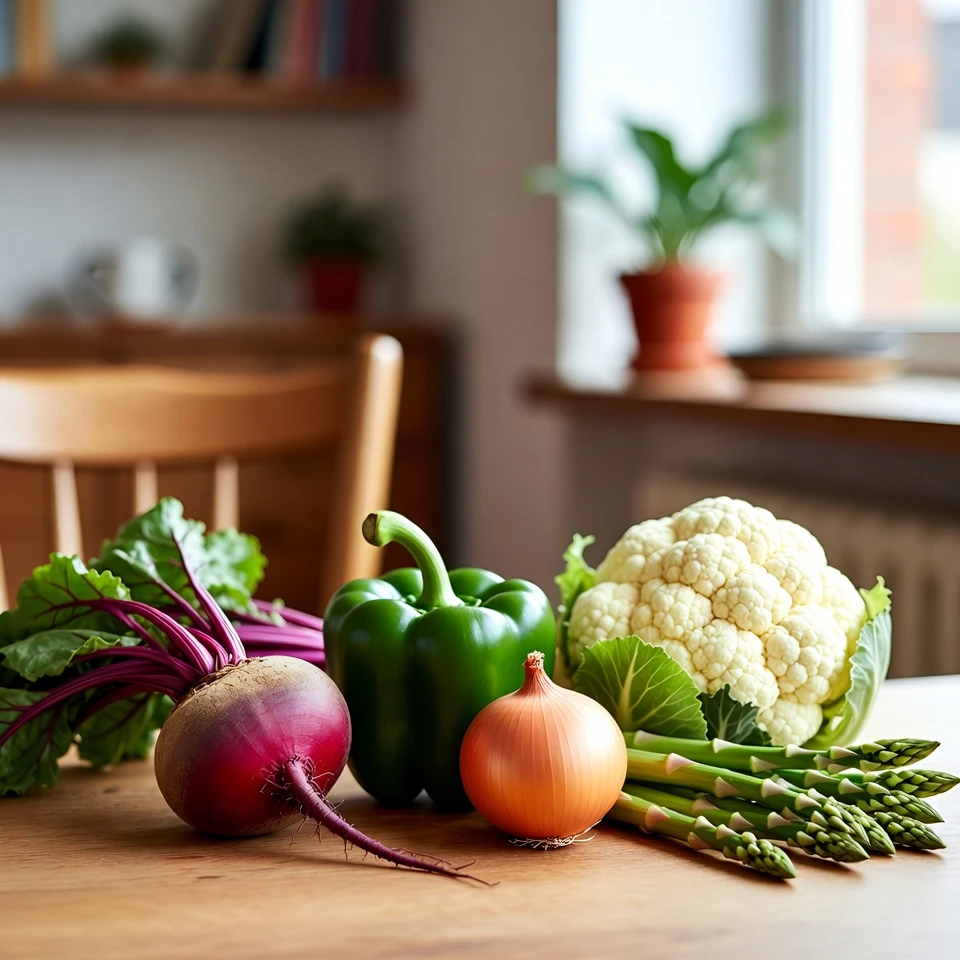
Onion
- Generally low in potassium and provides antioxidants that can support overall comfort and wellness.
Protein: Keep Portions Reasonable
Protein needs vary, but kidney-friendly eating patterns often emphasize portion control. Consider including fatty fish (such as salmon or herring) a couple of times per week, since omega‑3 fats support heart health—an important partner to kidney health.
To reduce overall kidney workload, many people also benefit from limiting:
- Large portions of red meat
- Very high-protein meals
- Frequent high-protein seafood choices (portion control matters)
Sodium and Hydration: Two High-Impact Habits
- Lower-sodium eating supports healthier blood pressure, which can reduce pressure on the kidneys.
- Consistent water intake (when medically appropriate) helps support normal filtration.
Always follow your clinician’s guidance on fluids—some kidney conditions require careful limits.
Simple Steps You Can Start Today
Use this realistic checklist to begin without feeling overwhelmed:
-
Start with portions
- For one week, reduce servings of the five “limit” vegetables (amaranth greens, Malabar spinach, spinach, kale, pickles) by about half and observe how you feel.
-
Make smart swaps
- Instead of high-potassium leafy greens, try:
- Cucumber in salads
- Steamed cabbage or cauliflower as sides
- Instead of high-potassium leafy greens, try:
-
Boost flavor without salt
- Season meals with garlic, onion, herbs, pepper, or lemon rather than extra sodium.
-
Track hydration consistently
- Drink water steadily throughout the day, and confirm your ideal amount with your doctor (especially if you have kidney disease, heart issues, or swelling).
-
Balance protein
- Choose fish or plant-based options more often; keep red meat smaller and less frequent.
Small changes often feel easier to maintain—and consistency matters more than perfection.
Quick FAQ
Can I still eat spinach or kale sometimes?
Yes. Many people can include them occasionally and in smaller portions, especially with medical guidance. Some preparation methods (such as boiling and draining) may reduce certain compounds, but you should still confirm what’s appropriate for your situation.
How much water should I drink if my creatinine is high?
There isn’t one universal amount. Some people benefit from more hydration, while others need fluid restrictions. Follow your clinician’s personalized recommendation based on labs, blood pressure, medications, and swelling.
Will dietary changes lower creatinine fast?
It depends on the cause of the elevated creatinine and your overall health. Diet can support kidney function over time, but it’s important to monitor progress with regular lab checks and professional guidance.
Important Note
This article is for informational purposes only and is not a substitute for medical advice. If your creatinine is elevated or you have kidney concerns, consult your doctor or a registered dietitian before changing your diet. The best plan is the one tailored to your lab results, medical history, and individual needs.