
3 Stool Changes You Should Not Ignore for Better Colon and Gut Health
Many people dismiss minor bathroom changes as a temporary result of a heavy meal, stress, or a busy schedule. However, even small differences in your stool can sometimes be an early sign that your digestive system needs attention. Overlooking these clues may mean missing the chance to support your colon health before a larger issue develops. The encouraging part is that knowing what to watch for can help you make informed, proactive choices for your well-being.
What if recognizing just three important stool changes could help you stay ahead of potential digestive concerns and improve your gut health? Here is what experts say deserves a closer look.
Why Your Stool Can Reveal Important Health Clues
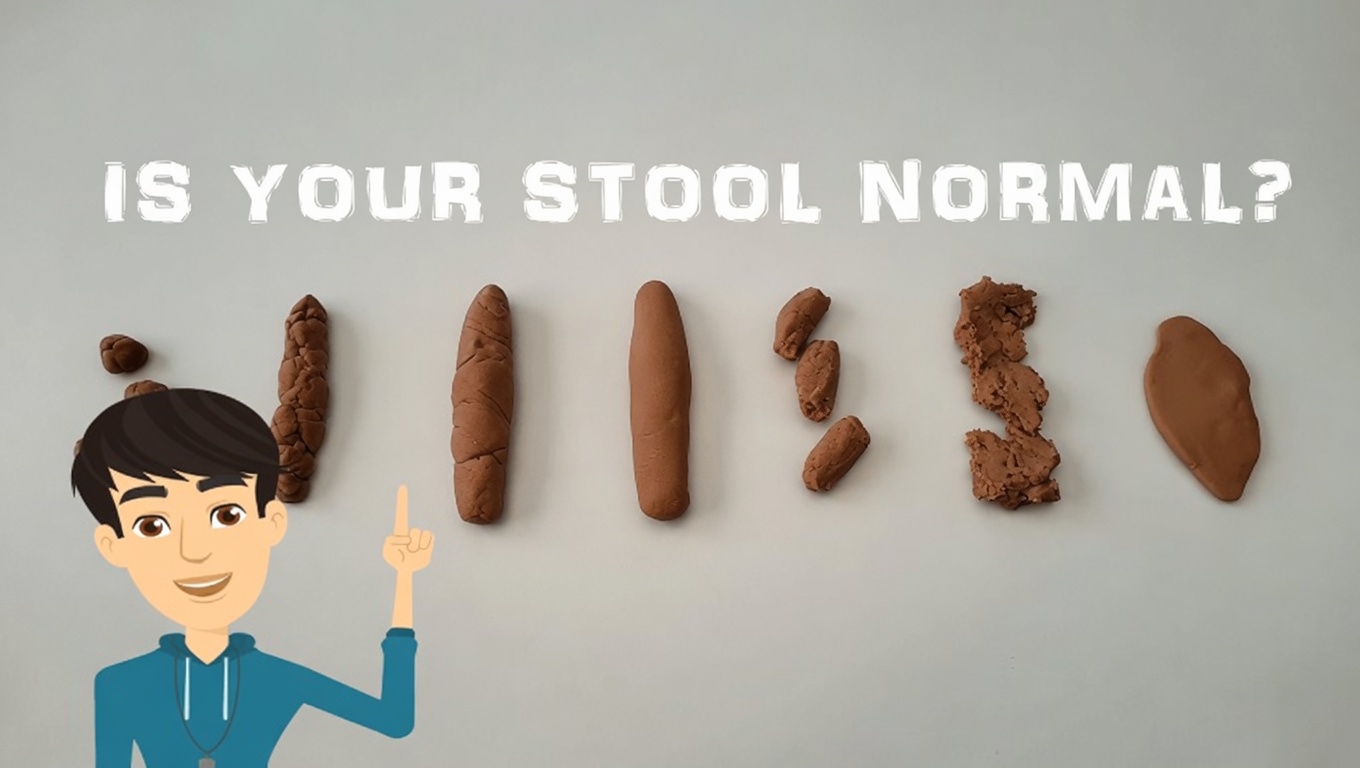
Your stool offers a useful snapshot of how your digestive system is functioning. In general, healthy stool is medium brown, formed but soft, and easy to pass. Of course, changes in diet, travel, hydration, and stress can all affect bowel movements from time to time. Still, major health organizations such as the Mayo Clinic note that while many stool changes are harmless, some persistent patterns should not be ignored because they may reflect changes in colon or digestive function.
Not every variation is equally important. Experts often highlight three stool changes that adults should recognize early.
1. Blood in the Stool or on Toilet Paper
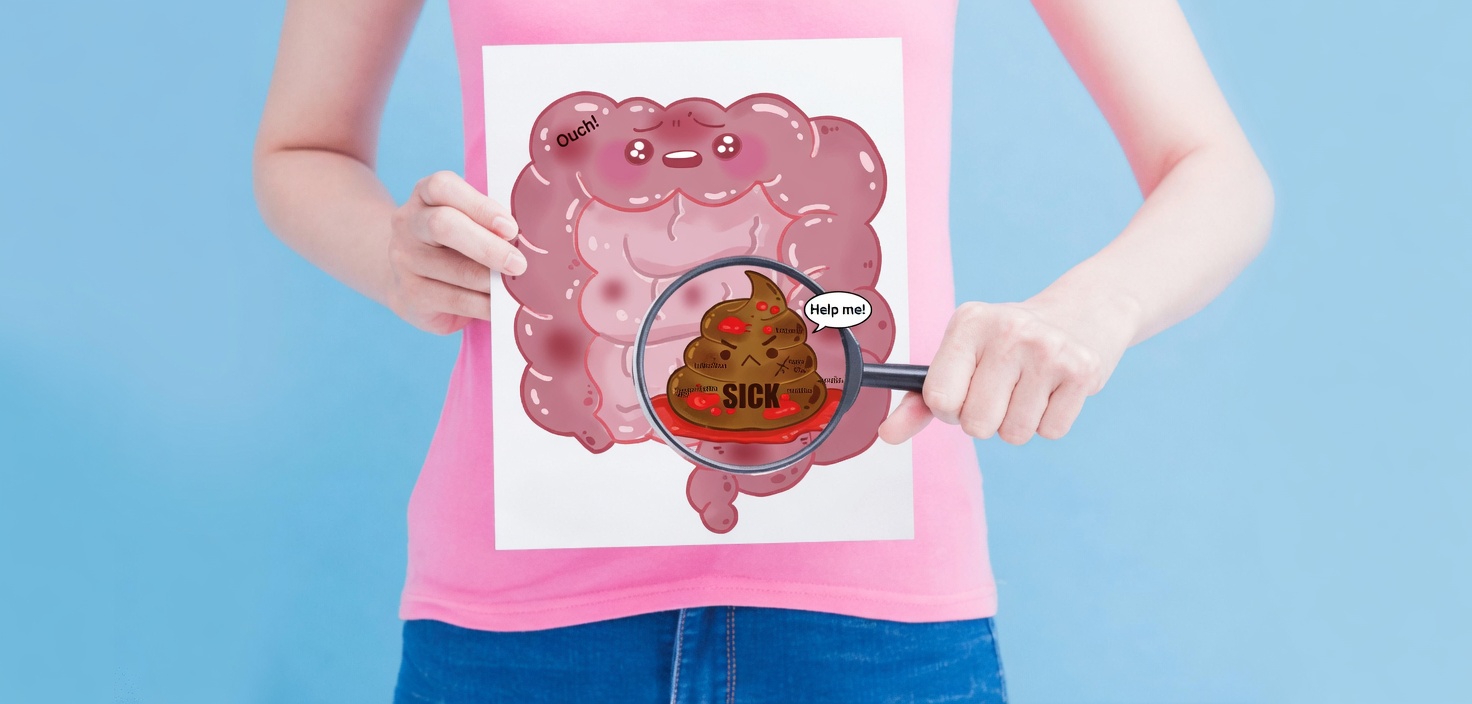
One of the clearest warning signs is the presence of blood. You may notice bright red streaks on the toilet paper, blood mixed into the stool, or stool that appears very dark, black, or tar-like. Dark stool can sometimes mean blood has moved through more of the digestive tract before leaving the body.
Seeing blood can be unsettling, and for good reason. Medical experts consistently advise people to mention any rectal bleeding or blood in the stool to a healthcare provider. In some cases, the cause may be relatively common, such as hemorrhoids or mild irritation. But if it happens repeatedly or does not go away, it should be evaluated by a professional.
The good news is that noticing this sign early can lead to simple testing, clearer answers, and timely care if needed.
2. Pencil-Thin or Unusually Narrow Stool
Another stool change worth watching is a sudden shift in shape. If your stool becomes consistently thin, narrow, or ribbon-like, it may be a sign that something is affecting the normal passage through the colon.
Temporary factors such as low fiber intake, dehydration, or short-term inflammation can sometimes contribute to this change. Still, if narrow stools continue for several days or weeks, it is something experts recommend discussing with your doctor. This detail is easy to overlook, especially if there are no other symptoms, but a lasting change in stool shape should not be ignored.
It becomes even more meaningful when you also notice changes in bowel frequency, discomfort, or a feeling that your bowel movements are not normal for you.
3. Ongoing Changes in Bowel Habits or Stool Consistency
The third major sign involves a noticeable change in how often you go to the bathroom or how your stool looks and feels. This may include:
- Diarrhea that continues longer than usual
- Constipation that lasts for days
- Stool that alternates between loose and hard
- Small, pellet-like stools
- More mucus than usual
These symptoms can interfere with daily life and may point to anything from diet-related issues to medication side effects. According to major health authorities, unexplained changes in bowel habits that last more than a couple of weeks should be monitored carefully and discussed with a healthcare professional.
Many people feel more in control of their health once they begin tracking these patterns instead of brushing them off.
Other Stool Changes That May Provide More Insight
Although the three signs above are the main ones to watch, other stool-related details can also be helpful when assessing digestive health. These include:
- Very dark stools even when you do not clearly see blood
- A constant feeling that the bowel did not fully empty
- New or increased mucus in the stool
If any of these continue, write them down and bring them up at your next medical appointment. A simple two-week record of your bowel habits can provide useful information for your doctor.
Daily Habits That Can Support Better Gut and Colon Health
One of the best things about digestive wellness is that small lifestyle changes can have a real impact over time. Supporting regular, healthy stool often starts with simple daily habits.
Increase Fiber Slowly
Add more fiber-rich foods to your meals, such as:
- Fruits
- Vegetables
- Whole grains
- Beans
- Lentils
Fiber helps stool move more smoothly through the digestive tract and can improve regularity.
Stay Well Hydrated
Water plays an important role in softening stool and preventing straining. Aim for around eight glasses per day, or more if your climate, activity level, or health needs require it.
Be Active Every Day
Regular movement helps stimulate normal bowel function. Even a 20-minute walk after meals may help support digestion and promote more regular bowel movements.
Cut Back on Processed Foods and Red Meat
Many studies suggest that a diet lower in heavily processed foods and excessive red meat may help support long-term digestive balance and colon health.
Manage Stress
Stress can directly affect your digestive system. Simple habits such as deep breathing, short breaks, stretching, or mindfulness exercises may help reduce stress-related bowel changes.
5 Foods That May Help Improve Regularity
If you want practical food choices that support healthy stool, these are good places to start:
- Apples and pears for soluble fiber
- Plain yogurt with live cultures
- Leafy greens like spinach and kale
- Oats or oatmeal
- Lentils and beans in soups, bowls, or salads
Small adjustments like these can make a bigger difference than many people expect.
When You Should Speak With a Doctor
It is a good idea to make a medical appointment if any of the three main stool changes last longer than two weeks. You should also seek guidance sooner if they are accompanied by:
- Unexplained fatigue
- Weight loss or other unexpected weight changes
- Ongoing abdominal discomfort
- Persistent bloating
- A clear decline in how you normally feel
Your healthcare provider may recommend basic testing first, which can be as simple as a stool sample or other noninvasive screening steps. Bringing up symptoms early often gives you more options and greater peace of mind.
Final Thoughts: Pay Attention to What Your Body Is Telling You
Noticing changes in your stool does not have to create fear. In many cases, it is simply an opportunity to become more aware of your body and take smart action when needed. By watching for blood in the stool, pencil-thin stools, and lasting changes in bowel habits, you can better support your gut health and colon health over time.
Pair that awareness with healthy everyday habits, and you are giving your digestive system the support it needs for the long run. Your body sends signals every day. Paying attention to them can be one of the simplest ways to protect your health.
Frequently Asked Questions
1. What does normal, healthy stool usually look like?
Healthy stool is generally soft to moderately firm, easy to pass, sausage-shaped, and medium to dark brown. Many adults have bowel movements anywhere from one to three times a day, though every other day can also be normal. The Bristol Stool Chart is often used by doctors as a helpful guide.
2. Can stress or diet really change stool appearance and bowel habits?
Yes. Stress, travel, spicy meals, dehydration, and new medications can all cause temporary stool changes. What matters most is whether the change continues for more than one to two weeks without a clear explanation.
3. When should adults start discussing routine colon health screening?
Many guidelines recommend that average-risk adults begin talking with their doctor about regular colon health screening around age 45. If you have a family history or other risk factors, your provider may suggest starting earlier based on your personal health profile.
Disclaimer
This article is intended for educational purposes only and is not a substitute for professional medical advice, diagnosis, or treatment.