Natural Rosemary Remedies for Varicose Vein Comfort and Circulation Support
Varicose veins can make everyday activities feel more difficult than they should. Standing for too long, walking, or even getting through a normal day may lead to heaviness, soreness, and swelling in the legs. On top of the physical discomfort, the appearance of swollen or darkened veins can affect confidence, especially when choosing clothes or spending time out with others.
Because of this, many people seek gentle, natural ways to care for their veins and support healthy circulation as part of a daily wellness routine. One traditional herb has been drawing growing interest in this area: rosemary. And the practical ways people are using it at home may be simpler than you expect.
What Varicose Veins Are and Why They Develop
Varicose veins are enlarged, twisted veins that most often appear in the legs. They form when tiny valves inside the veins stop working efficiently, allowing blood to collect instead of moving upward toward the heart as it should.
This issue is extremely common, especially in adults who are getting older or who spend a lot of time standing. Several factors may increase the likelihood of developing varicose veins, including:
- Family history
- Pregnancy
- Excess body weight
- Long periods of sitting
- Jobs that require prolonged standing
When blood begins to pool, the legs may feel tired, heavy, or achy. Some people also notice itching or changes in the skin around the affected veins. Although varicose veins are often not dangerous, they can still interfere with daily comfort and body confidence. That is why supporting circulation can be an important part of overall self-care.
Why Rosemary Is Getting Attention for Vein Wellness
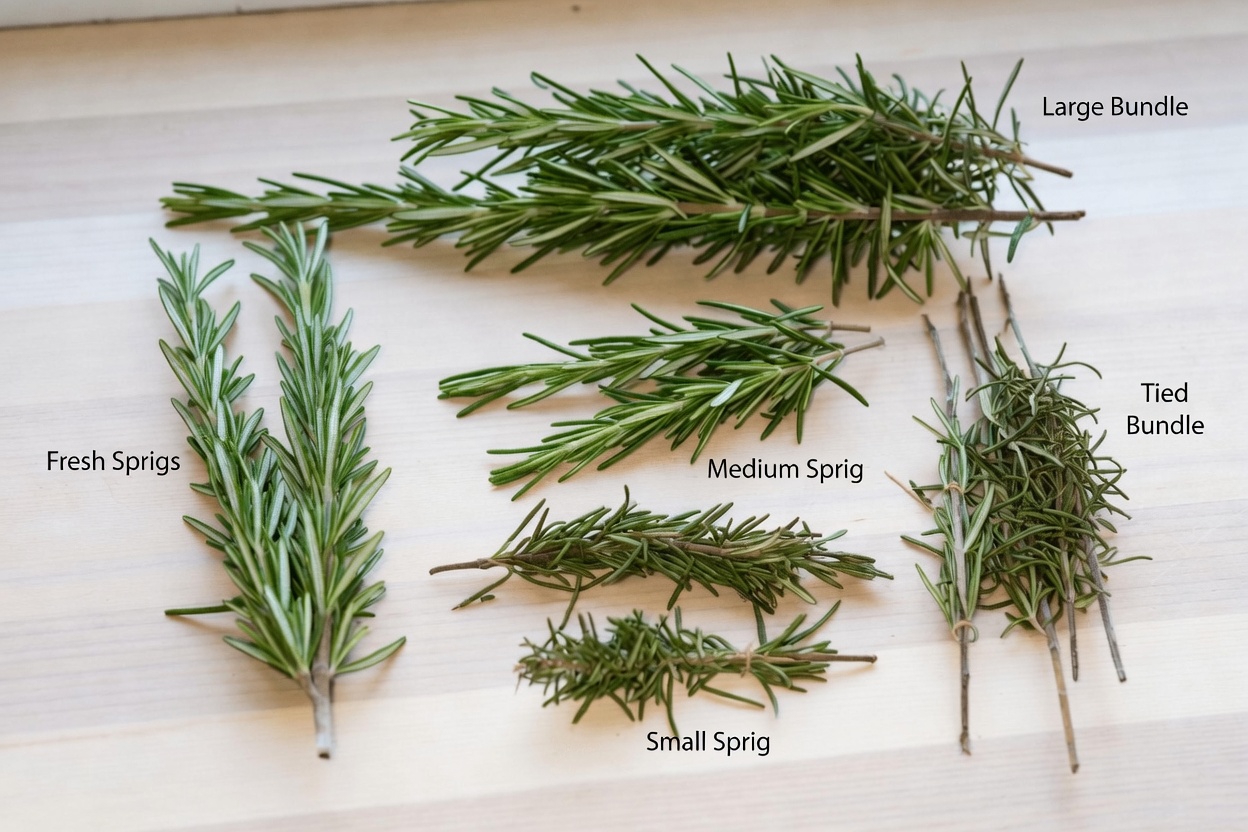
Rosemary is a familiar herb known for its fresh, distinctive scent and its long history in traditional wellness practices. Used in many cultures for centuries, it contains natural compounds such as rosmarinic acid and a range of antioxidants.
These plant components are valued for their potential to:
- Support the body’s natural inflammatory response
- Encourage healthy blood flow
- Help protect tissues from oxidative stress
One reason rosemary stands out is its accessibility. It is not an obscure or expensive remedy. Many people already have it in their kitchen, garden, or local store. It is easy to incorporate into a self-care routine, and its pleasant aroma adds to its appeal. Its popularity goes beyond fragrance alone, however, especially when circulation support is the goal.
What Studies Suggest About Rosemary and Circulation
Some early research has explored rosemary essential oil for its possible effects on local circulation and mild physical discomfort. A laboratory study published in 2009 suggested that rosemary oil may influence blood flow at the cellular level. Traditional herbal sources have also long associated rosemary with support for minor peripheral circulation concerns.
More recently, a randomized controlled trial examined a topical gel made with rosemary essential oil combined with another herb. Participants reported improvements in symptoms such as leg heaviness and discomfort. Research also highlights rosemary’s antioxidant activity, which may provide supportive benefits for blood vessel health.
It is important to keep these findings in perspective. Current evidence is still preliminary and should not be viewed as proof of a medical treatment. Rosemary is best considered a supportive wellness option rather than a substitute for professional care. Still, its ease of use makes it appealing for people who want to add natural habits to their routine.
8 Easy Ways to Use Rosemary at Home
If you want to try rosemary as part of your self-care plan, the best approach is to keep things simple, consistent, and gentle. These ideas are practical and suitable for many people when used carefully.
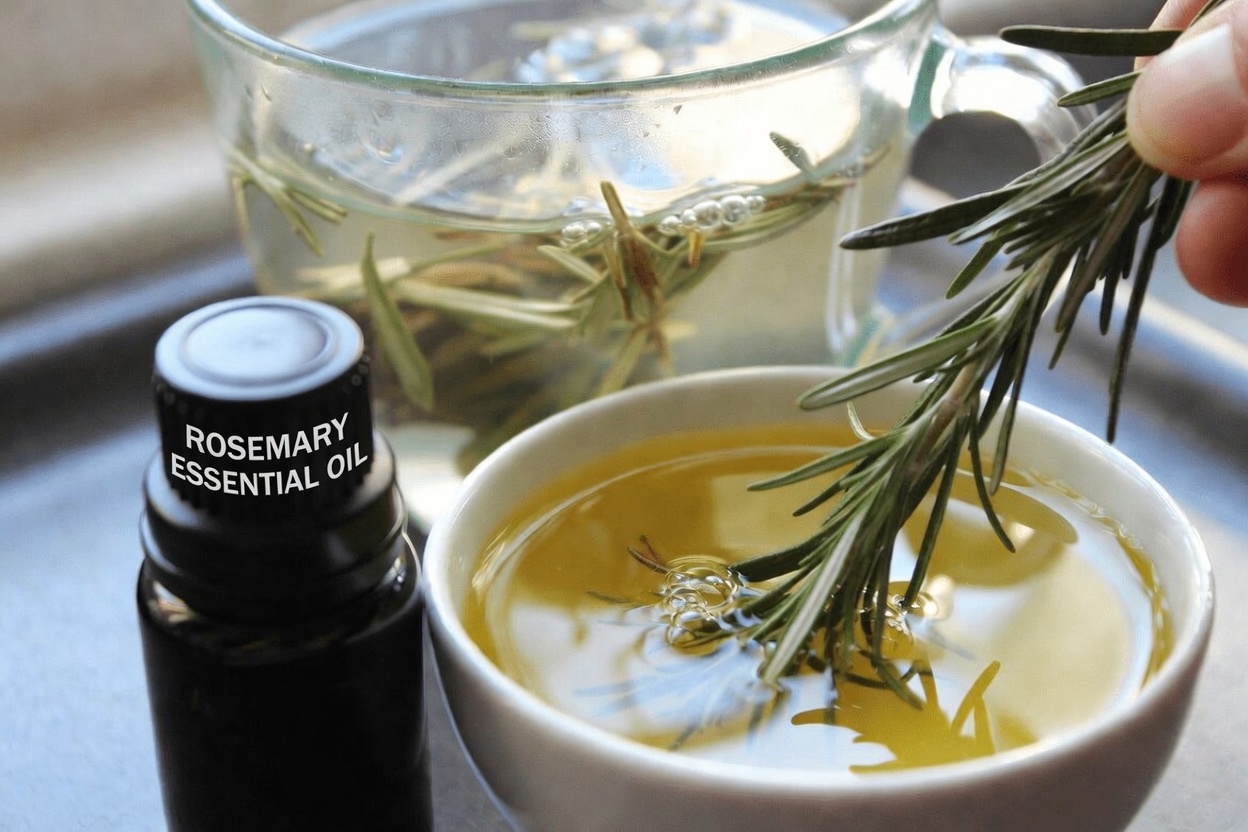
1. Make a Rosemary Massage Oil
A homemade rosemary oil blend is one of the easiest ways to use this herb topically.
What you need:
- 2 tablespoons of a carrier oil such as olive oil or jojoba oil
- 4 to 6 drops of pure rosemary essential oil
How to prepare it:
- Pour the carrier oil into a small dark glass bottle.
- Add the rosemary essential oil.
- Shake gently to combine.
- Store in a cool place and use within a few weeks.
How to use it:
Apply a small amount to clean legs and massage with light upward strokes toward the heart. This type of massage may help encourage circulation, while the rosemary scent creates a calming end-of-day ritual.
2. Drink Rosemary Tea
Rosemary tea is a simple way to include the herb in your routine from the inside out.
How to make it:
- Bring 1 cup of water to a boil.
- Add 1 teaspoon of fresh or dried rosemary leaves.
- Let it steep for 5 to 10 minutes.
- Strain and drink.
You can enjoy up to 2 or 3 cups per day, depending on your tolerance. A slice of lemon can make the flavor more refreshing. Many people like to drink it in the morning or afternoon as part of a broader hydration and wellness habit.
3. Use a Rosemary Compress
A warm rosemary compress can feel especially soothing on tired legs.
Steps:
- Steep fresh rosemary in hot water for about 10 minutes.
- Let the liquid cool slightly until comfortably warm.
- Dip a clean cloth into the infusion.
- Wring it out and place it over the legs for around 15 minutes.
For extra comfort, elevate your legs during the compress. Repeating this a few times each week may help create a relaxing recovery ritual.
4. Always Dilute Essential Oil Properly
Never apply rosemary essential oil directly to the skin without dilution. Mixing it with a carrier oil helps reduce the risk of irritation and makes it safer for regular topical use.
5. Patch Test Before Full Use
Before applying rosemary oil to larger areas, test it on a small patch of skin. Wait to see whether redness, itching, or sensitivity develops. This simple precaution can help prevent unnecessary discomfort.
6. Pair Rosemary With Light Movement
After using rosemary oil or a compress, try gentle movement such as:
- A short walk
- Ankle circles
- Light calf stretches
These activities may complement circulation-friendly habits and help your legs feel less sluggish.
7. Choose High-Quality Rosemary Products
Whenever possible, select organic rosemary or high-quality essential oils from trusted sources. Better quality ingredients often provide a more pleasant experience and may reduce the chance of unwanted additives.
8. Keep Track of Results
A small journal can help you notice patterns over time. Write down:
- When you use rosemary
- Which method you tried
- How your legs felt afterward
- Any changes in heaviness, swelling, or comfort
This can help you identify which habits work best for your body.
Daily Habits That Work Well Alongside Rosemary
Rosemary is most effective as part of a broader vein-supportive lifestyle. Pairing it with healthy habits may improve day-to-day comfort and help reduce the strain on your legs.
Consider adding these practices:
- Elevate your legs for 15 minutes several times a day
- Stay active with low-impact exercise like yoga or swimming
- Eat more flavonoid-rich foods such as berries, citrus fruits, and leafy greens
- Maintain a healthy weight to reduce pressure on leg veins
- Avoid sitting with your legs crossed for long periods
- Drink enough water throughout the day
- Wear compression socks if recommended for added support
These small changes may seem basic, but together they can make a meaningful difference in how your legs look and feel over time.
Safety Tips to Know Before Using Rosemary
Rosemary is generally well tolerated, but it still should be used with care. Essential oils must always be diluted before skin application to avoid irritation or burning.
You should speak with a healthcare professional before using rosemary if you are:
- Pregnant
- Living with epilepsy
- Taking blood-thinning medication
- Managing a chronic health condition
If you notice redness, itching, or discomfort after topical use, stop immediately. Rosemary tea is usually fine in moderate amounts, but drinking too much is not advised. As with most herbal remedies, moderation matters.
Most importantly, rosemary should be seen as a supportive option, not a replacement for medical advice or treatment.
Final Thoughts: Adding Rosemary to Your Vein Care Routine
Rosemary offers a simple and pleasant way to explore natural circulation support and leg comfort. Whether you prefer a massage oil, herbal tea, or warm compress, it can fit easily into daily life without requiring complicated tools or expensive products.
When used alongside healthy routines like movement, hydration, leg elevation, and smart nutrition, rosemary may help you feel more comfortable and more proactive in your self-care. Starting small is often the best approach. Over time, these gentle habits may bring both relaxation and a greater sense of control over your daily well-being.
FAQ
Is rosemary safe to use every day for vein support?
In many cases, yes. Properly diluted rosemary essential oil for topical use and moderate amounts of rosemary tea are generally considered safe for most adults. It is still wise to patch test first and speak with a doctor if you have medical conditions or take medication.
How often should I use rosemary for the best results?
Consistency is usually more important than intensity. Many people use rosemary oil or a compress several times a week and drink rosemary tea daily in moderation. Pay attention to how your body responds and adjust your routine as needed.
Can rosemary get rid of varicose veins completely?
Rosemary is not a cure for varicose veins. It may help support comfort, circulation, and relaxation, but it does not replace medical treatment. If your symptoms are severe or worsening, consult a qualified healthcare provider.
What is the best way to use rosemary for tired legs?
A diluted rosemary massage oil is one of the most popular methods because it combines the herb’s aroma with gentle upward massage. A warm compress can also be a soothing option, especially after a long day.
Can I combine rosemary with compression socks?
Yes, many people pair rosemary-based self-care with compression socks for additional support. If you use a topical oil, allow it to absorb well before putting on compression garments.