
Why Eating Beets Daily Can Make a Noticeable Difference
Beets were once the vegetable people bought with healthy intentions, then left untouched in the bottom drawer of the fridge. They looked messy, stained everything they touched, and seemed harder to deal with than more convenient produce. But that humble root may be one of the most interesting everyday foods you can test on your own body.
Not because beets are a miracle food, but because the compounds inside them are unusually active. Their effects can show up in ways that feel practical and real—through circulation, digestion, and everyday energy. And once you notice those subtle shifts, it changes how you think about what food may be doing behind the scenes.
Imagine roasting a beet, slicing it open, and smelling that earthy sweetness fill the kitchen. Your hands turn pink, the cutting board looks dramatically red, and it all feels a little chaotic. Yet inside the body, something much more refined may be taking place. The most important changes are often not the ones you see first in the mirror. They are the ones that begin to shape how you feel throughout the day.

Why Beets Match Modern Health Needs So Well
Most adults are not simply struggling with discipline. More often, they are missing consistent support for blood flow, fiber intake, and antioxidant-rich foods. Modern life means more sitting, more stress, and more eating patterns that create quick energy spikes followed by crashes. Then the mid-afternoon fatigue arrives, and people wonder why they feel so depleted.
You may feel that your diet is already fairly balanced. That may be true. Still, many otherwise healthy eating patterns fall short in one area: foods that can support blood vessel function and digestive regularity at the same time.
That is where beets stand out. They are one of the few everyday foods that may influence both areas without requiring a complicated wellness plan. This is one reason athletes often use them. It is also why people dealing with sluggish legs or low physical stamina become interested in them. In recent years, beets have shifted from being seen as plain vegetables to being recognized as functional foods.
So what makes them more “active” than many other vegetables? The answer lies in a few key natural compounds.
What Makes Beets So Unique
Beets are not just colorful root vegetables. They contain a mix of nutrients and plant compounds that the body can actually respond to.
One of the most talked-about components in beets is their natural nitrate content. The body can convert these nitrates into nitric oxide, a molecule that helps blood vessels relax and open more easily. That may support circulation and blood flow.
Beets also contain betalains, the pigments responsible for their deep red-purple color. These compounds are linked with antioxidant activity and may help support a healthier inflammatory balance.
Then there is fiber. Beets provide both soluble and insoluble fiber, which can help digestion, support healthier cholesterol patterns, and contribute to a more stable blood sugar response. On top of that, they offer folate, potassium, magnesium, vitamin C, and other useful nutrients.
These are not ultra-high-dose supplement levels. They are food-level amounts—steady, practical, and sustainable.
Key Beet Compounds and What They May Do
| Beet Compound | Why It Matters | What You May Notice Over Time |
|---|---|---|
| Natural nitrates | Support nitric oxide production and blood vessel relaxation | Better exercise tolerance, warmer hands or feet |
| Betalains | Provide antioxidant support and may help balance inflammation | Easier recovery, less “puffy” feeling |
| Soluble fiber | Supports cholesterol balance and steadier glucose response | Fewer cravings, more even energy |
| Insoluble fiber | Helps bowel regularity and gut movement | More predictable digestion |
| Folate and iron support | Contribute to normal red blood cell processes | Less drained or run-down feeling for some people |
| Potassium and magnesium | Support muscles and nerves | Less cramping, more relaxed physical tension |
But what happens when beets become a daily habit? That is where things get interesting, because many people notice changes in stages rather than all at once.
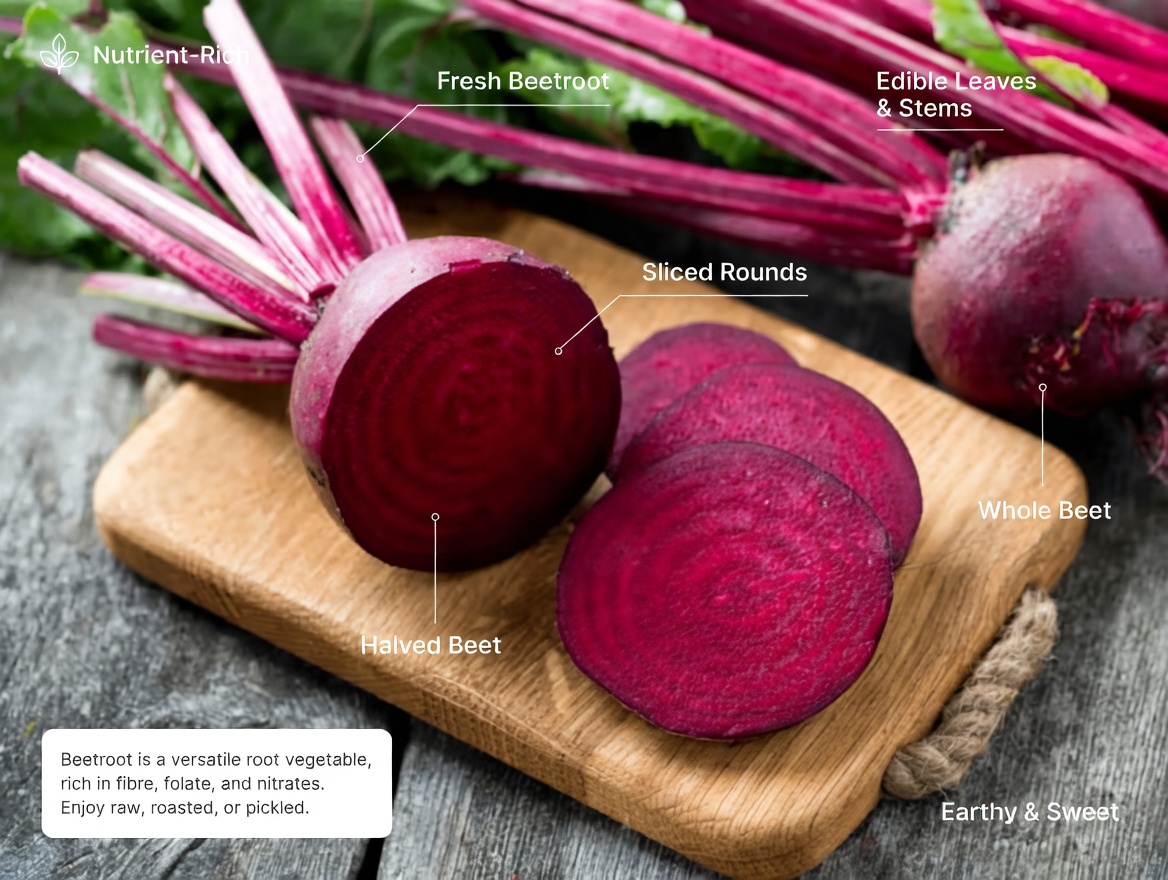
What You May Notice Over Time
Eating beets every day does not transform your health overnight. Instead, the body often responds gradually.
After a Few Hours: Circulation May Feel Different
Some people notice a slight sense of openness or easier movement not long after eating beets. This may be related to nitric oxide activity from dietary nitrates. Not everyone feels it clearly, but those who do often describe warmer hands and feet or breathing that feels a bit easier during movement.
After 24 Hours: Digestion Often Responds First
Fiber tends to get your attention quickly. If your usual diet is low in fiber, adding beets daily may change bowel habits sooner than expected. Some people feel lighter and more regular. Others may notice gas or bloating if they increase their intake too quickly.
That does not automatically mean something is wrong. It is often just the digestive system adjusting. If you are sensitive, start with a smaller portion and drink enough water.
After 7 Days: Energy and Recovery May Feel More Stable
After about a week, many people begin to notice that beets are doing more than helping digestion. If you walk regularly, work out, or simply stay active during the day, you may feel less wiped out. Better blood flow, improved nutrient delivery, and a higher-quality overall diet may all play a role.
Some also feel their skin looks a little brighter. That is never guaranteed, but antioxidant-rich foods can support overall appearance when paired with sleep, hydration, and good routines.
After 30 Days: Small Improvements Become Noticeable Patterns
After a month of eating beets most days, the effects can begin to stack up. The body has had more regular exposure to nitrates, fiber, and betalains. This is where people often report steadier blood pressure habits, calmer digestion, and more dependable energy.
Not everyone will experience dramatic results. But for many, the baseline improves—and baseline matters a lot when your goal is to feel better consistently over the long term.
Two Simple Examples That Make It Easier to Picture
Case Study 1: Maria, 52, and the Afternoon Crash
Maria, a fictional example, spends most of her day at a desk. By 2 p.m., she used to feel mentally foggy, impatient, and drawn to snacks. She did not want another supplement, so she started adding roasted beets to lunch four times a week.
Over time, she noticed her afternoons felt more even. Not intensely energized, just less crash-prone. She also found that better digestion made her feel less bloated by evening. Her main lesson was not that beets were magical. It was that one simple habit that makes you feel better is often the one you can actually maintain.
Case Study 2: Dennis, 67, and Heavy, Tired Legs
Dennis, also fictional, walks every day but disliked the tired, heavy feeling in his legs after errands. He began drinking a small beet-and-apple blend before walks twice a week.
He said his legs felt less tight while moving. Could that be related to circulation support from beet nitrates? Possibly. Real life always involves multiple factors. That is exactly why food habits can be powerful—they rarely affect just one thing.
9 Reasons People Keep Eating Beets Every Day
The benefits below reflect common nutrition principles and research surrounding beets. They are not promises or medical claims, but they help explain why this vegetable has earned a reputation for producing noticeable effects.
1. More Predictable Digestion
Beets provide fiber and bulk that support smoother digestion. If your vegetable intake is inconsistent, beets can help establish a reliable routine. Many people notice more regular bowel movements within a few days.
Portion size matters. Too much too fast may cause bloating, so it is better to begin with a small amount and build gradually.
2. Support for Better Cholesterol Habits
The soluble fiber in beets may help support normal cholesterol management. Daily beet intake also often replaces more processed foods, and that swap alone can make a meaningful difference.
3. Blood Pressure Support Through Nitric Oxide
Beet nitrates may help the body produce nitric oxide, which supports blood vessel relaxation. This is one reason beet juice is often discussed in heart health and performance nutrition.
Food can support wellness, but it should not replace medication or professional medical care.
4. A Better Sense of Circulation During Movement
For some people, improved blood flow feels very practical. It may show up as warmer extremities, less heaviness in the legs, or movement that feels easier than usual. While not guaranteed, this is one of the most frequently mentioned reasons people continue eating beets.
5. Steadier Physical Energy Without Stimulants
Beets do not work like coffee or energy drinks. They do not create a jolt. Instead, they may help support energy in a steadier way by improving circulation and contributing useful nutrients. That makes them appealing to people who want support without relying on stimulants.
6. Better Exercise Performance and Recovery
Athletes often use beets because nitrates may help improve how efficiently the body uses oxygen during physical activity. Even if you are not training seriously, this can still matter. Walks, errands, and daily movement may feel more manageable, and recovery may feel smoother afterward.
7. Antioxidant Support for the Whole Body
Betalains and vitamin C help give beets antioxidant power. Over time, that may support cellular health and help the body handle everyday oxidative stress more effectively. This is one reason people sometimes feel less inflamed or puffy when they include beets regularly.
8. Support for Healthy Blood and Nutrient Delivery
Beets contain folate and contribute to the nutrient environment that supports normal red blood cell function. For some people, that can translate into feeling less drained, especially if their overall diet was missing these nutrients before.
9. A Simple Way to Improve Overall Food Quality
Sometimes the biggest benefit of eating beets daily is not just the beet itself. It is what the habit represents. Adding beets often means making room for more vegetables, more fiber, and fewer processed choices. That ripple effect can improve the quality of the whole diet.

Things to Keep in Mind Before Eating Beets Every Day
Beets are nutritious, but they are not perfect for everyone in every amount.
- Your urine or stool may turn pink or red. This can look alarming, but it is often harmless and known as beeturia.
- Too much too soon may upset digestion. Start with a modest portion if you are not used to fiber-rich foods.
- Beet juice is more concentrated than whole beets. That can be useful, but it also means less fiber and a faster hit of natural sugars.
- People prone to kidney stones may need caution. Beets contain oxalates, which may matter for some individuals.
- Medical conditions still require medical advice. Beets can support health, but they do not replace treatment plans.
Easy Ways to Add Beets to Your Routine
If beets still feel intimidating, keep it simple.
- Roast them and add slices to lunch bowls or salads
- Blend a small amount into a smoothie with apple or berries
- Toss grated raw beets into slaws
- Add cooked beets to grain bowls with feta, citrus, and greens
- Use pickled beets as an easy side dish
- Pair them with arugula, goat cheese, walnuts, or yogurt-based dressings
You do not need a huge serving. A few slices or a small portion used consistently can be enough to notice a difference.
The Real Reason Beets Keep Surprising People
Beets are not glamorous. They are earthy, messy, and easy to overlook. But that is part of what makes them so compelling. They are an ordinary food with effects many people can actually feel.
When eaten regularly, beets may support circulation, digestion, recovery, and steadier daily energy. The biggest change is often not dramatic. It is quieter than that. You may simply feel more balanced, more regular, and less depleted.
And once a simple food starts doing that, it stops feeling ordinary very quickly.