Why Your Hands Fall Asleep: Common Causes and Simple Ways to Relieve Tingling
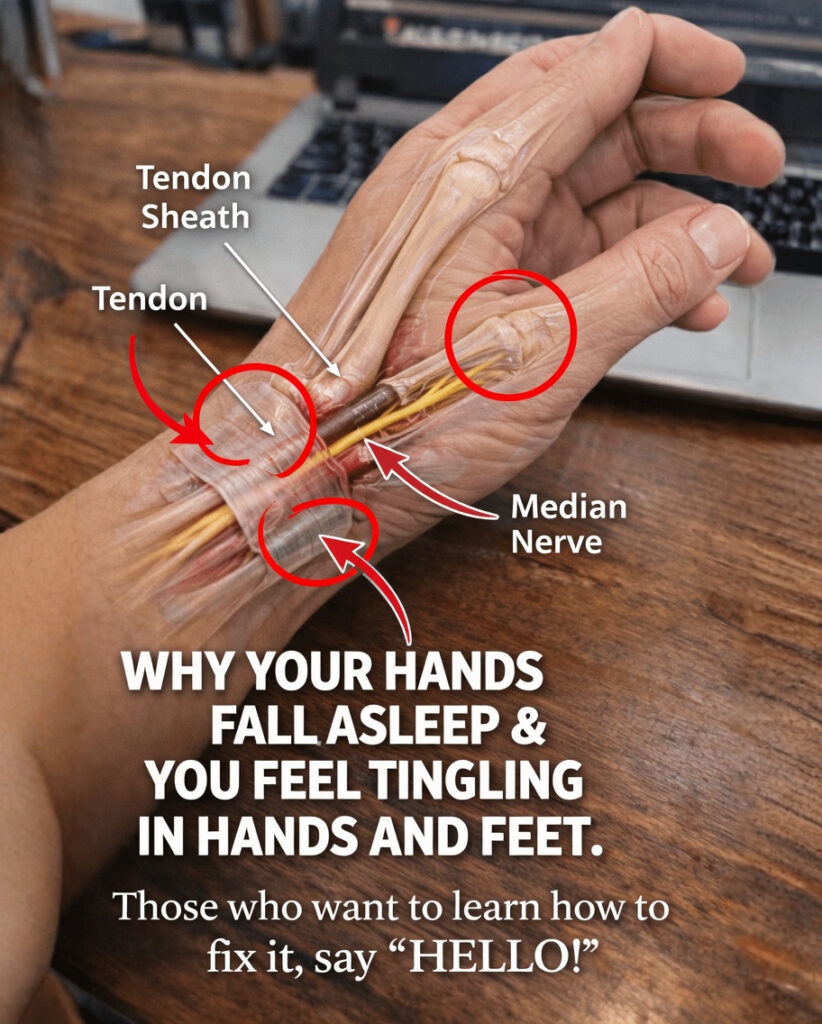
Have you ever noticed a tingling, numb feeling in your hands while using your phone, working at a keyboard, or after waking up? Many people dismiss it as a hand that has simply “fallen asleep,” but when it happens repeatedly, it can become irritating and hard to ignore. In most cases, this sensation is linked to temporary nerve compression or reduced circulation, which interferes with normal nerve signals and creates that familiar prickly, heavy feeling.
The encouraging part is that once you understand what may be triggering it, small daily changes can often improve hand comfort. There is also one overlooked habit that can make a bigger difference than many expect.
What Does It Mean When Your Hands “Fall Asleep”?
That pins-and-needles sensation is called paresthesia. It usually happens when a nerve is pressed for too long or when blood flow drops briefly. Since nerves work like electrical messengers, even a short interruption can lead to noticeable symptoms such as:
- Tingling or prickling
- Temporary numbness
- A heavy, weak, or odd feeling in the fingers or palm
In many situations, the sensation fades quickly once pressure is relieved. However, if it happens often, it may be a sign that your daily habits need some attention to better support nerve health.
Everyday Reasons for Hand Numbness and Tingling
Finding the likely cause is the first step toward relief. Below are some of the most common reasons hands go numb or tingle.
1. Uncomfortable Positions During Sleep or Daily Life
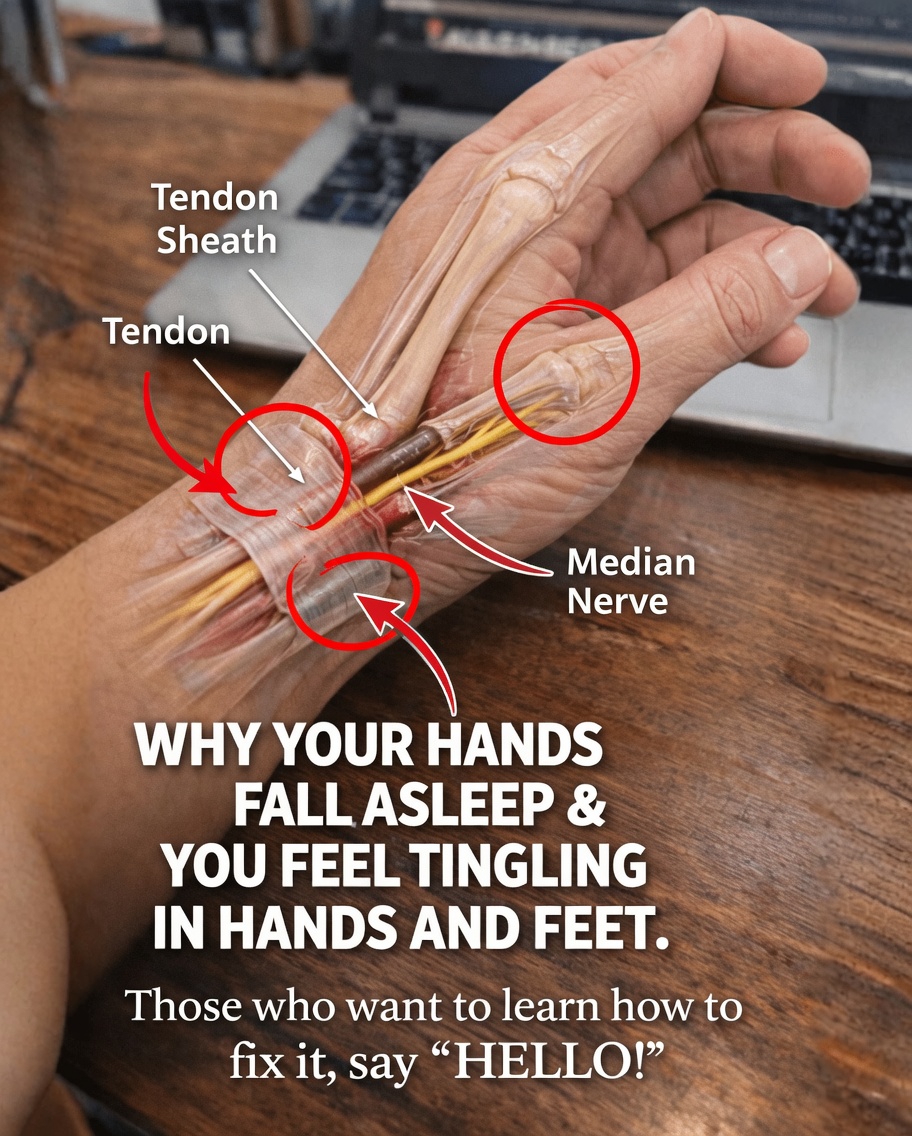
One of the biggest causes is sleeping with your arm trapped under your head, pillow, or body. This can put pressure on important nerves, such as the ulnar nerve or median nerve, and temporarily block normal signaling. A similar problem can happen if you rest your elbows on a desk for long periods or hold your phone too tightly for too long.
Research suggests that staying in awkward positions for extended periods may reduce circulation and irritate nerves, which is why hand numbness often appears after sleep or long periods of stillness.
2. Repetitive Hand Movements and Wrist Pressure
Frequent activities such as typing, gaming, texting, or using tools can place repeated stress on the wrist and hand. Over time, this may compress the median nerve, especially in spaces where nerves pass through narrow structures.
This is why office workers, heavy smartphone users, and people with manual jobs often notice tingling more often, particularly if they rarely pause to stretch or rest their hands.
3. Reduced Circulation from Inactivity or Cold Temperatures
Cold weather and long periods of sitting can slow blood flow to the hands. When circulation decreases, nerves may not receive enough oxygen-rich blood, which can lead to tingling or numbness.
Many people underestimate how much lack of movement affects hand comfort. Even short periods of regular activity throughout the day can help support better circulation.
4. Nutrient Deficiencies That Affect Nerve Health
Healthy nerves depend on several key nutrients. If your body is low in certain vitamins or minerals, nerves may become more vulnerable to irritation or pressure.
Common nutritional factors linked to nerve function include:
- B vitamins, which help support nerve signaling
- Magnesium, which plays a role in nerve and muscle function
5. Daily Stress and Muscle Tension
Stress does not just affect mood. Ongoing tension in the neck and shoulders can influence the nerves that travel down the arms. Tight muscles may place extra strain on these pathways, leading to more discomfort in the hands after a long day.
The good news is that simple routine changes can often help ease this tension naturally.
Easy Ways to Support Hand Comfort Naturally
You do not need specialized equipment to start helping your hands feel better. A few basic habits can go a long way.
Gentle Stretches to Improve Circulation
Try this simple routine 2 to 3 times per day:
- Stretch both arms out in front of you with palms facing up
- Slowly bend your wrists upward and downward 10 times
- Open and close your fists gently
- Spread your fingers wide, then relax
These movements may encourage blood flow and reduce mild nerve pressure. With regular practice, many people notice improved comfort.
Simple Self-Massage for Tension Relief
Using your opposite hand, you can gently massage areas that feel tight or tired:
- Rub the palms in slow circular motions
- Stroke from the fingertips down toward the wrists
- Gently knead the base of the thumb
A small amount of natural oil can make the massage feel more relaxing and soothing.
Use Warmth for Quick Relief
Warmth can be very calming when your hands feel stiff, cold, or tingly. Try soaking them in comfortably warm water for 10 to 15 minutes, or place a warm cloth over them. Heat helps relax tissues and may improve circulation, especially in cooler weather.
Heat or Movement: Which One Helps More?
Here is a quick guide to choosing the best option for different situations:
| Situation | Best Approach | Why It Helps |
|---|---|---|
| Numbness after sitting too long | Gentle stretches | Helps restore circulation quickly |
| Tingling in cold conditions | Warm soak or warm compress | Encourages blood flow and relaxes blood vessels |
| Discomfort after repetitive tasks | Self-massage | Helps ease built-up muscle tension |
Foods That Support Healthy Nerves
Nutrition also matters when it comes to hand tingling and nerve comfort. Try adding more of these foods to your routine:
- B vitamin sources: eggs, fish, dairy products, fortified cereals
- Magnesium-rich foods: nuts, seeds, spinach, and other leafy greens
- Omega-3 foods: walnuts, flaxseeds
Staying well hydrated and eating balanced meals may also support overall nerve function.
Easy Meal Ideas
You can keep it simple with everyday choices like:
- Breakfast: eggs with spinach
- Snack: a handful of almonds
- Dinner: grilled fish with leafy greens
Small, consistent improvements in your meals can help strengthen long-term nerve support.

Posture and Daily Habit Changes That Can Help
A few small adjustments in your routine may reduce strain on your hands and wrists:
- Keep your wrists in a neutral position while typing
- Take a 1-minute stretch break every 30 to 45 minutes
- Sleep with your arms by your sides or supported on a pillow
- Use deep breathing to relax tension in the shoulders and neck
These habits may help prevent pressure from building throughout the day.
The Overlooked Tip: Walk More Often
One surprisingly effective habit is taking short walks throughout the day. Regular movement helps pump blood through the entire body, including the hands. In some cases, this simple step can reduce tingling episodes more than people expect.
When You Should Speak to a Healthcare Professional
Although many cases improve with lifestyle changes, it is important to seek medical advice if:
- Symptoms last for several days
- Weakness or pain becomes worse
- The numbness spreads into the arms or other areas
- Episodes happen frequently without a clear trigger
A healthcare professional can look for underlying causes and recommend the most appropriate next steps.
Final Thoughts
Hand numbness and tingling are often related to posture, repeated hand use, poor circulation, stress, or nutritional gaps. In many cases, simple strategies such as stretching, warming the hands, improving ergonomics, eating nutrient-rich foods, and moving more during the day can help reduce discomfort.
Making small changes now can support better hand function and long-term comfort.
Frequently Asked Questions
Why do my hands fall asleep at night?
This often happens because of temporary nerve pressure caused by sleeping position. Changing position usually brings relief quickly.
Can food choices really affect hand tingling?
Yes. Nutrients such as B vitamins and magnesium help support nerve health, so a balanced diet may contribute to better comfort.
When should frequent numbness become a concern?
Occasional tingling is common, but if it happens often, lasts a long time, or comes with pain or weakness, it is best to get medical advice.
Disclaimer
This article is for informational purposes only and does not replace professional medical advice. Always consult a qualified healthcare provider for personal guidance about any health concern.