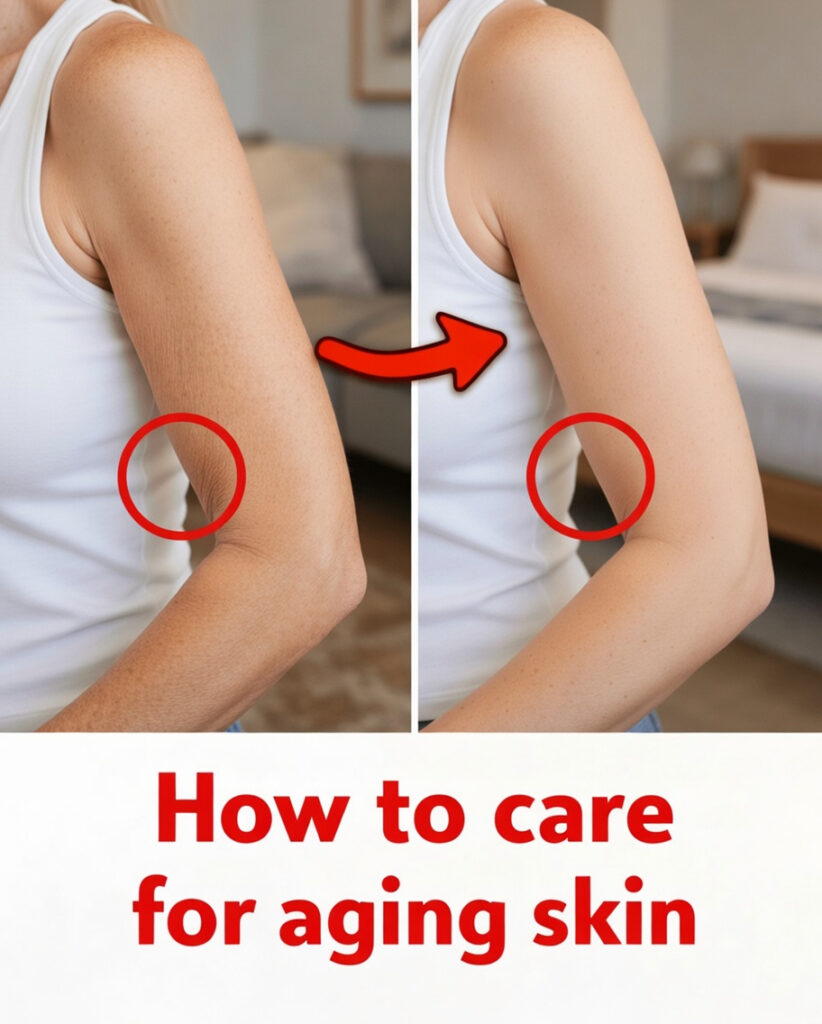
A Simple, Research-Backed Approach to Smoother-Looking Skin
As time goes by, it is natural to notice fine lines forming across the forehead, around the eyes, and near the mouth. These visible changes are a gentle sign that skin gradually loses some of its firmness and elasticity. On days when you are tired or have spent more time in the sun, those lines may seem even more noticeable, which can affect how confident you feel.
The good news is that improving your skin’s appearance does not have to involve expensive treatments or an overwhelming routine. Small daily habits can help maintain your skin’s strength and softness. In fact, one unexpected change in your kitchen, supported by research, may help your skin look smoother than you thought possible.
Create a Reliable Everyday Skincare Routine
A consistent skincare routine is one of the best ways to reduce the visible effects of skin aging. In many cases, simple habits practiced every day work better than occasional luxury treatments. One of the most important steps is shielding your skin from sunlight, since sun exposure is a major cause of premature wrinkles.
Try these five easy habits:
- Apply a broad-spectrum sunscreen every morning, even when the sky is cloudy
- Wear protective clothing such as long sleeves and a wide-brimmed hat outside
- Avoid smoking, because it weakens collagen and accelerates skin aging
- Use a gentle moisturizer to help maintain hydration
- Wash your face only twice daily with a mild, non-foaming cleanser
Over-cleansing can remove the skin’s natural protective oils. That is why it helps to keep washing gentle and follow up with a moisturizing cream. This supports the skin barrier and reduces dryness, which can make fine lines appear more pronounced.
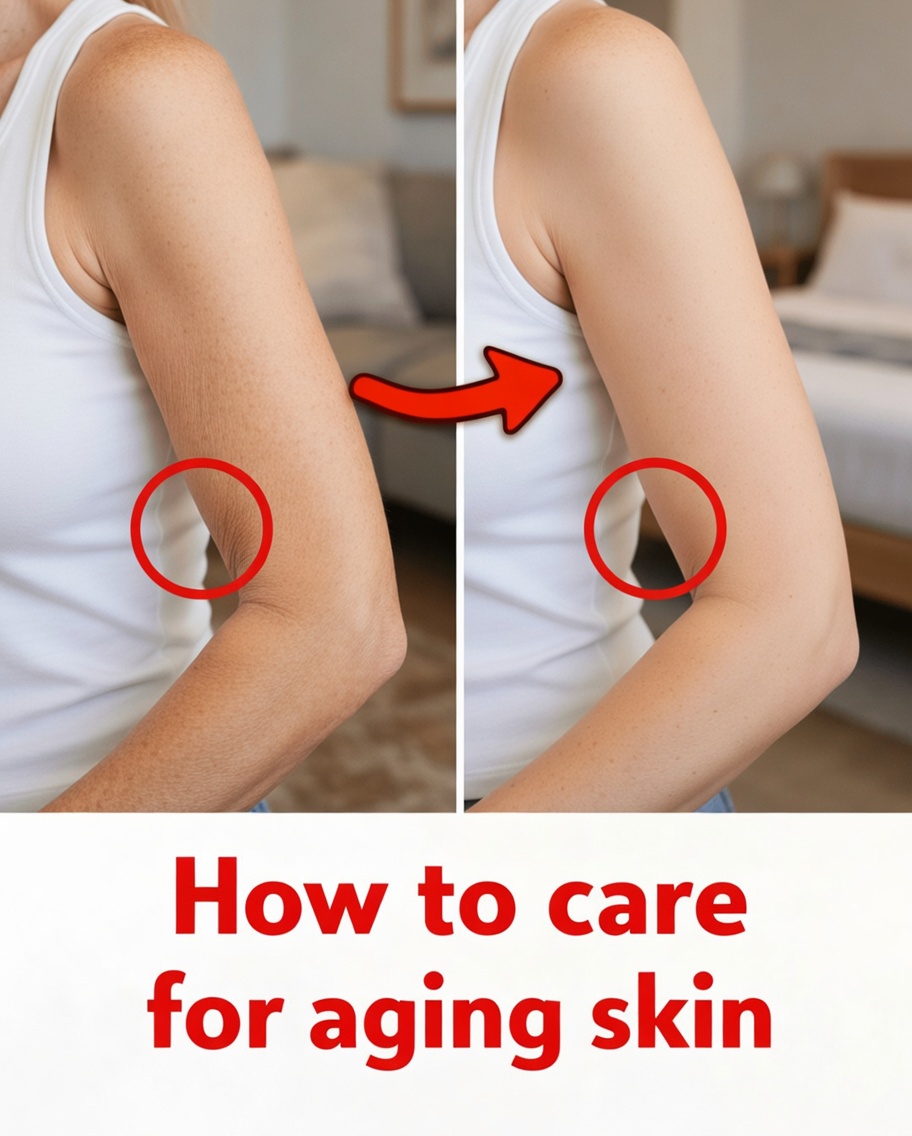
Use Skincare Ingredients That Help Skin Look Smoother
Some skincare ingredients are well known for helping the skin look brighter, softer, and more refreshed. Alpha hydroxy acids, often called AHAs, help lift away dead skin cells from the surface. This can reveal a smoother and more radiant complexion. Vitamin C serums, especially formulas containing L-ascorbic acid, are also commonly used to brighten the skin and support natural collagen production.
For best results, apply a light layer of vitamin C in the morning after cleansing and before sunscreen. In the evening, consider using an AHA product a few nights per week. It is important to patch-test first and introduce new products gradually.
Because both vitamin C and AHAs can increase sun sensitivity, daily sunscreen is essential. With regular use, many people begin to notice softer skin and a more even-looking tone within a few weeks.
Sleep in a Way That Reduces Facial Creasing
Your sleeping position may be contributing to facial lines without you realizing it. Research suggests that sleeping on your side or stomach presses parts of the face into the pillow night after night. Over time, this repeated pressure can make creases more visible.
A simple solution is to train yourself to sleep on your back. Placing a pillow under your knees may make this position more comfortable. A smooth or silky pillowcase can also reduce friction against the skin. Some people notice fewer sleep marks when they wake up after making this change.
If sleeping on your back feels difficult, a contour pillow designed to reduce pressure on the cheeks may be a helpful alternative.
Minimize Repetitive Expressions That Deepen Lines
Small facial movements happen all day long. Squinting at screens, frowning while focusing, or narrowing your eyes in bright sunlight can gradually contribute to expression lines.
Fortunately, this is an easy habit to improve:
- Use reading glasses instead of straining to see clearly
- Wear sunglasses whenever you go outdoors
- Keep the eye area moisturized daily to support hydration
These changes matter because the skin around the eyes is especially delicate. Reducing repeated squinting while also protecting the area from UV exposure can make a visible difference over time. After several months, the eye area may appear smoother and less tired.

Eat Foods That Help Support Firm, Healthy Skin
What you eat can influence how your skin looks and feels. Nutrition plays an important role in skin hydration, elasticity, and resilience. Omega-3 fatty acids, found in foods like salmon, are often recommended for helping skin stay supple and nourished. Aim for two servings of fatty fish per week, ideally grilled or baked.
Other foods that may support healthier-looking skin include:
- Soy-based foods such as tofu and edamame, which research in the European Journal of Nutrition has linked to firmer-looking skin with regular intake
- Fresh fruits and vegetables rich in antioxidants
- Unsweetened cocoa, which contains flavanols that may help protect the skin from daily environmental stress
- Plenty of water, with eight to ten glasses a day helping skin stay hydrated and reducing the appearance of dry, fine lines
One especially surprising tip is the cocoa swap. Replacing your usual morning coffee with unsweetened cocoa or adding dark chocolate nibs to your routine may help your skin feel more supported over time. It is a simple kitchen change that many people overlook.
Add Gentle Facial Massage and Mild Exfoliation
A short facial massage can be a useful addition to your skincare routine. In just two minutes, you can help increase circulation and encourage facial muscles to relax. Using clean fingertips, gently massage upward from the jawline toward the temples in soft circular motions.
Once or twice a week, follow with a gentle exfoliant to remove built-up dead skin cells. This can help reduce dullness and make the skin appear fresher. After exfoliating, always apply moisturizer right away to keep the skin balanced and comfortable.
Many people find that this combination leaves their face looking brighter, smoother, and more awake.

Start Small and Stay Consistent
You do not need to change everything at once. Begin with two or three habits this week, such as using sunscreen daily, drinking more water, and trying to sleep on your back. Once those steps become part of your routine, add more as needed.
Consistency is far more important than doing everything perfectly. Many people start to see softer, healthier-looking skin within four to six weeks, especially around the forehead and eye area.
One of the best things about these strategies is that they are affordable, practical, and easy to fit into everyday life. Over time, these simple actions can lead to skin that looks smoother and feels better.
FAQ
How quickly can I see smoother-looking skin?
Some people notice small improvements in hydration and skin texture within two to four weeks of following a steady routine. More visible changes, such as softer-looking fine lines, often take two to three months of consistent care.
Are these skincare tips suitable for all skin types?
Yes. These habits are generally gentle enough for dry, oily, and combination skin. However, it is always best to introduce new products slowly and pay attention to how your skin responds.
Do I need costly skincare products to get results?
No. Affordable sunscreen, basic moisturizers, gentle cleansers, and smart food choices can be very effective when used consistently. Regular habits matter much more than high price tags.
Important Note
This article is for informational purposes only and is not a substitute for professional medical advice. If you have sensitive skin, ongoing concerns, or specific skin conditions, consult a dermatologist for personalized recommendations.