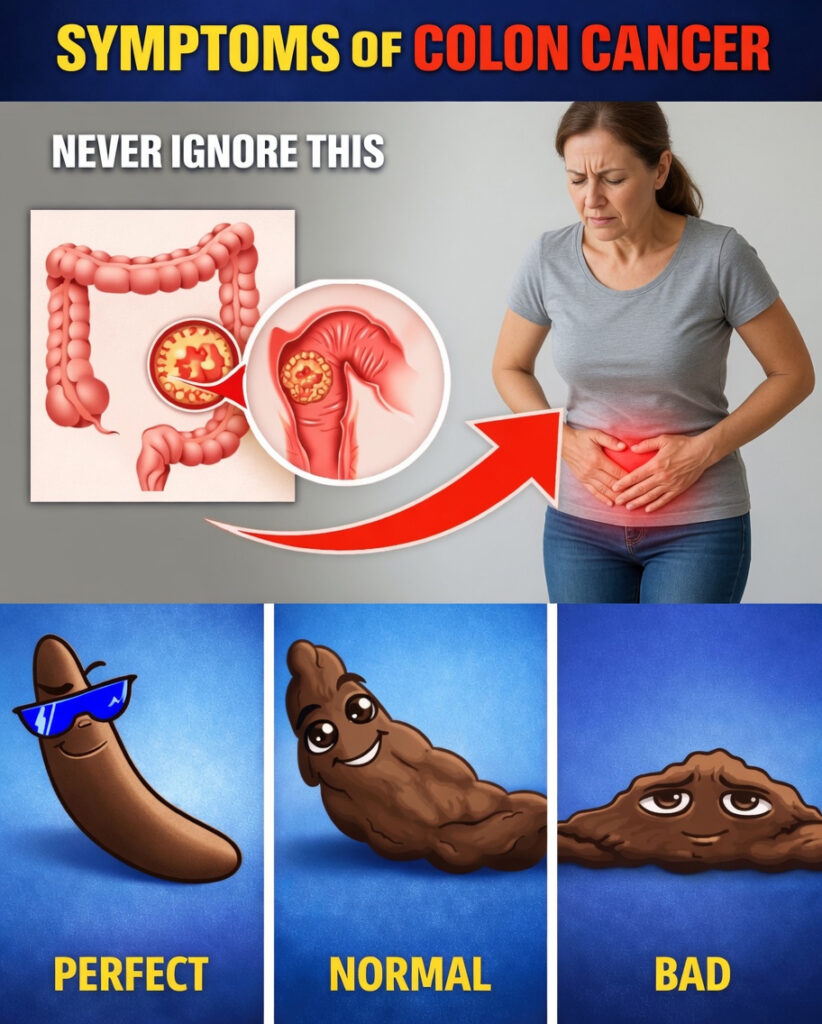
Why Ongoing Changes in Colon Health Should Never Be Ignored
Many people dismiss occasional stomach cramps or minor shifts in bowel habits as a normal part of life or the result of something they ate. But when these problems continue for weeks, they can become stressful, uncomfortable, and disruptive to work, sleep, and daily well-being. In many cases, the body is giving small warning signs that your colon may need medical attention. What you notice in the bathroom can reveal more about your long-term health than most people realize.
Why Colon Health Deserves Closer Attention
A lot of colon-related concerns begin quietly. According to information from trusted medical organizations such as the Mayo Clinic, early warning signs are often subtle and easy to overlook. That is why persistent changes matter. They do not automatically mean something serious, but they should prompt a thoughtful discussion with a healthcare provider.
The reassuring part is that awareness helps you take action without unnecessary fear. Your everyday bathroom routine can provide useful clues, and learning what to look for may help you respond sooner and more confidently.
8 Early Signs Adults Should Know
Experts from institutions like the Mayo Clinic and MD Anderson Cancer Center commonly point to eight changes that may appear early. These signs are not a diagnosis. They are simply symptoms worth paying attention to.
1. Lasting Changes in Bowel Habits
If diarrhea or constipation suddenly becomes common and continues for more than a few weeks, it deserves attention. You may notice that your usual pattern changes from regular bowel movements to irregular or unpredictable trips to the bathroom. These shifts can happen when something interferes with the colon’s normal function. It helps to monitor how often you go and whether passing stool feels easier or more difficult than usual.
2. Blood in the Stool or Rectal Bleeding
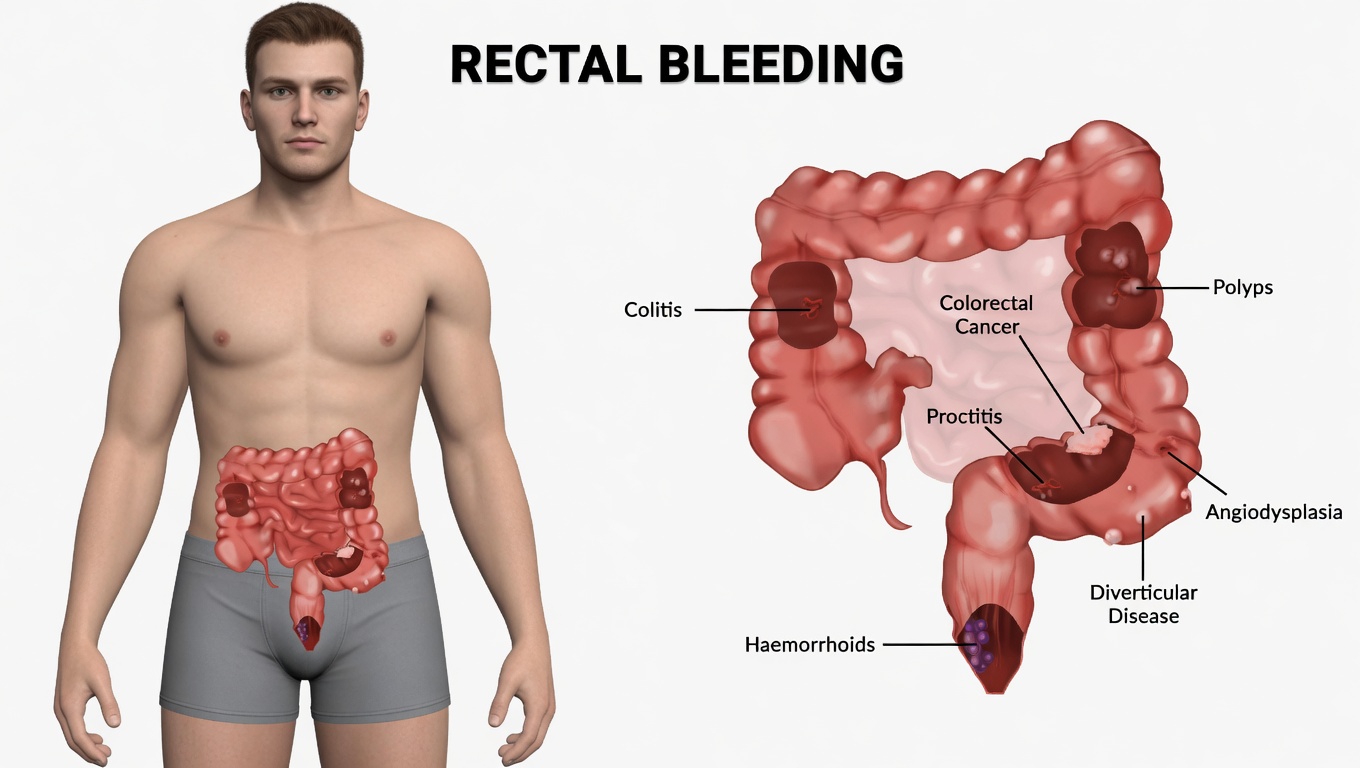
Seeing bright red blood on toilet paper or noticing stool that looks dark and tarry can be alarming. This may happen when tissue in the colon bleeds and mixes with waste. Medical experts note that this is often one of the most visible signs people notice first. What matters most is whether it happens repeatedly instead of being dismissed as a one-time issue or blamed only on food.
3. Ongoing Abdominal Pain or Discomfort
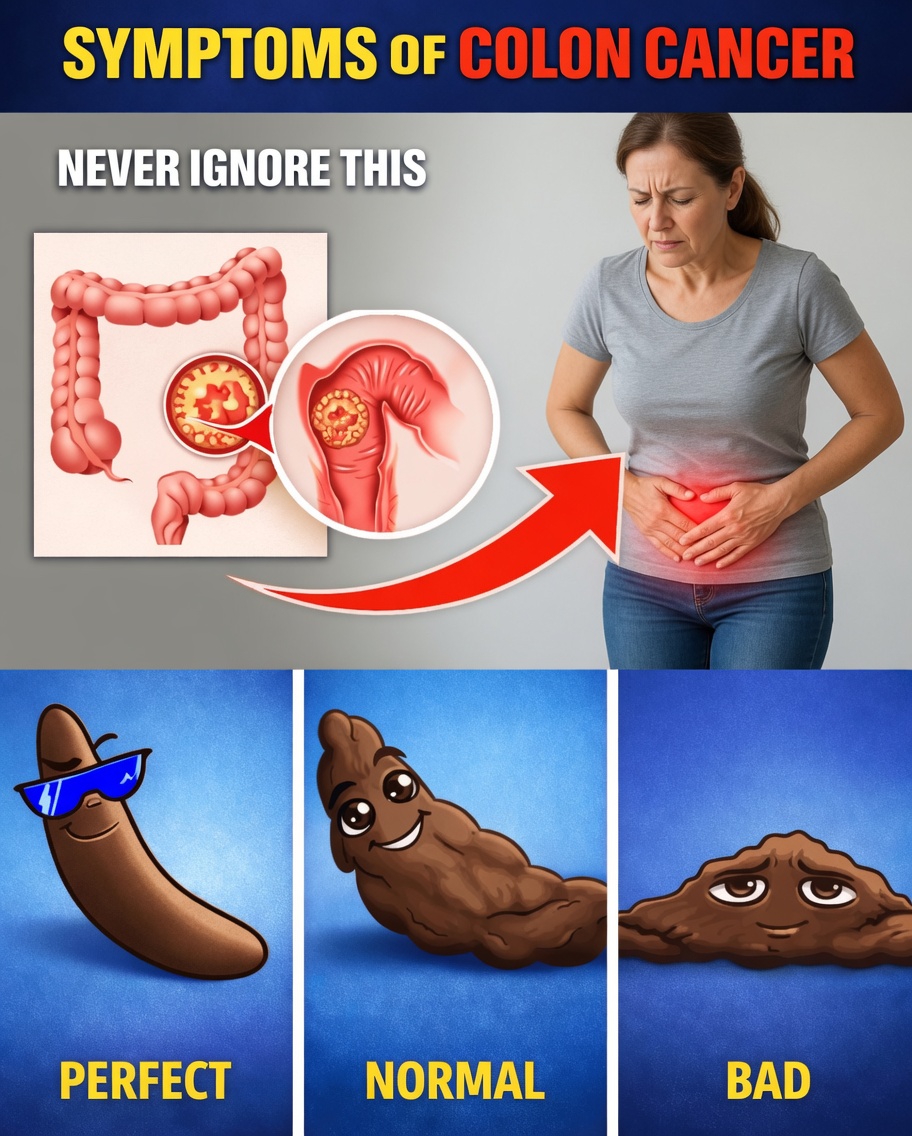
Persistent cramping, bloating, gas, or lower abdominal pain should not be brushed aside when it does not go away. In some cases, the discomfort may spread toward the lower back or hips. Research suggests that long-lasting abdominal discomfort can be linked to inflammation or narrowing within the colon. It often feels different from ordinary indigestion, which is why people should pay attention when the sensation seems unusual or constant.
4. Narrow or Pencil-Thin Stools
If your stool becomes noticeably thinner than normal or starts looking ribbon-like, it may suggest a change affecting the passageway inside the colon. This can stand out clearly when compared with your normal stool shape. Specialists often mention this as an important early clue because a restricted opening can alter stool appearance over time. Even a small visual change may signal something worth discussing with a doctor.
5. Feeling Like the Bowel Never Fully Empties
Some people leave the bathroom with the ongoing sensation that there is still more to pass. This feeling may continue even after repeated attempts. According to medical sources, this symptom can be associated with partial blockage or other changes that interfere with proper emptying. It can be frustrating in everyday life, but identifying and describing the pattern clearly can help your healthcare provider evaluate it.
6. Unexplained Fatigue or Weakness
If you feel unusually tired despite resting well, the cause may not be obvious. Slow internal blood loss can reduce iron levels and lead to fatigue over time. You may feel drained throughout the day without understanding why. Health organizations often describe this kind of anemia-related tiredness as an early sign that can be easy to miss, especially in younger adults. Sometimes the colon is involved long before more obvious symptoms appear.
7. Unexpected Weight Loss
Losing weight without changing your diet or increasing exercise should not be ignored. This type of weight loss often happens gradually and may catch people by surprise. Cancer research centers list unexplained weight loss as one of the more noticeable warning signs that can appear as problems develop. When it occurs alongside bowel changes or fatigue, it becomes especially important to mention it promptly.
8. Signs of Iron-Deficiency Anemia
Pale skin, dizziness, or shortness of breath during normal activities may point to low iron levels caused by hidden blood loss. In some cases, blood tests detect iron-deficiency anemia before other symptoms become obvious. Mayo Clinic experts emphasize that this can also occur in adults under 50. The connection to colon health is not always immediately clear, but it can be an important part of the overall picture.
What Stool Appearance Can Tell You
One of the clearest visual indicators of digestive and colon health is stool appearance. Its shape, texture, and consistency can offer useful insight into what may be happening inside the body.
Here is a simple way to think about common patterns:
- Ideal: Smooth, soft, and sausage-shaped, with little or no straining
- Normal: Slight variation in shape or texture, but still formed and easy to pass
- Concerning: Hard lumps, very thin ribbon-like stool, or irregular pieces that feel difficult to pass or leave you feeling incomplete
These differences are similar to what doctors assess with the Bristol Stool Scale. In general, types 3 and 4 are considered the healthiest. When stool repeatedly shifts toward the extremes and stays that way for weeks, it is worth bringing up during a medical visit.

Simple Habits to Support Colon Health
The good news is that staying aware of colon health does not have to be complicated. A few practical habits can make it easier to notice important changes early.
1. Track bowel habits for two weeks
Use your phone or a notebook to record:
- How often you go
- Stool consistency
- Any blood
- Pain, bloating, or straining
2. Add fiber gradually
Increase fiber through foods such as:
- Whole grains
- Fruits
- Vegetables
- Legumes
This can help support smoother digestion and more regular bowel movements.
3. Drink enough water
Aim for at least eight glasses of water a day, unless your doctor has given you different guidance. Good hydration helps keep stool softer and easier to pass.
4. Stay physically active
Even 30 minutes of walking on most days can encourage healthy bowel function and support overall digestive health.
5. Discuss screening with your doctor
Talk with your healthcare provider about the right age and schedule for colon screening based on your personal and family history.
When to Contact a Doctor
Timing matters. If any of these symptoms lasts longer than two weeks, or if several signs appear together, it is wise to reach out to a healthcare professional. Before your appointment, write down:
- Your symptoms
- When they started
- How often they happen
- Any family history of colon problems
Your doctor may recommend simple tests or screening options that can provide answers and reassurance. Early evaluation often leads to better understanding and more options.
Final Thoughts: Small Signs Can Make a Big Difference
Recognizing these eight early signs is not about living in fear. It is about listening to your body and responding with confidence. Changes in stool, abdominal discomfort, fatigue, and other persistent symptoms can all be valuable clues. By staying aware of your normal routine and acting when something feels off, you can work more effectively with your healthcare provider and protect your long-term colon health.
Frequently Asked Questions
Can stress or diet cause similar symptoms?
Yes. Travel, stress, diet changes, and temporary digestive issues can create symptoms that look similar. The key difference is duration. If the symptoms continue for more than a couple of weeks, it is a good idea to have them evaluated.
At what age should people become more alert to these signs?
Anyone can experience these symptoms, but many experts recommend greater awareness starting around age 45, especially when regular screening begins to matter more. That said, younger adults should not ignore symptoms if several warning signs appear together.
Do these symptoms always mean something serious?
No. Many of these signs may be caused by less serious conditions such as hemorrhoids, infections, or dietary issues. Only a healthcare professional can determine the cause. The purpose of knowing these signs is to promote awareness, not self-diagnosis.
Important Disclaimer
This article is for educational and informational purposes only and is not a substitute for professional medical advice, diagnosis, or treatment. Always consult a qualified healthcare provider if you have symptoms or concerns about your colon health.