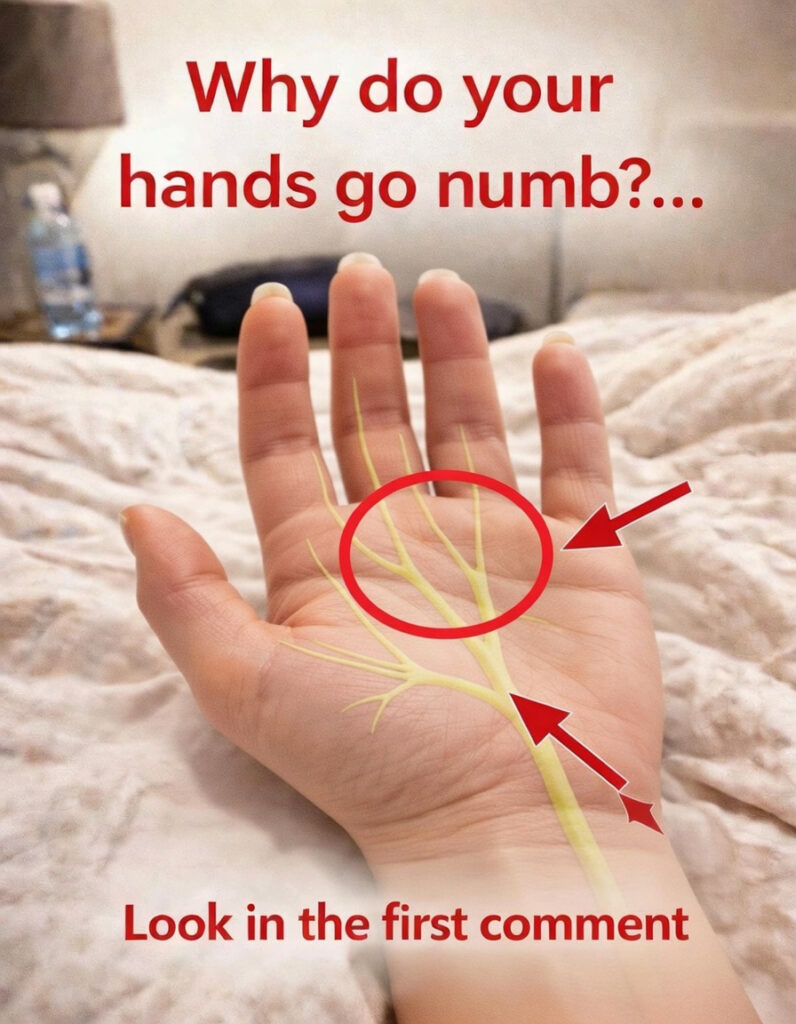
Hand Numbness: Common Causes, Everyday Triggers, and Simple Ways to Find Relief
Many people wake up with numb, stiff hands or notice tingling during everyday tasks. It can make typing, gripping objects, cooking, or even driving feel uncomfortable. Over time, this annoying sensation may disrupt sleep, reduce productivity, and take some of the enjoyment out of daily life.
In many cases, hand numbness is linked to routine habits that put pressure on nerves or affect circulation without you realizing it. The good news is that even one small change can sometimes make a meaningful difference. We will get to that surprising habit near the end of this guide.
What Hand Numbness Often Feels Like
Hand numbness usually begins subtly. You may feel a pins-and-needles sensation in your fingers, a dull heaviness, or stiffness that makes your hand feel slow to respond. Some people instinctively shake their hand to “wake it up,” only to find the sensation lasts longer than expected.
For others, it feels like a brief loss of sensitivity, especially in the morning, making simple tasks like holding a mug or buttoning clothing more difficult.
As days pass, occasional numbness can start happening more often. That is when many people begin noticing possible patterns tied to their schedule, sleep habits, or work setup. Understanding those common triggers is often the first step toward relief.
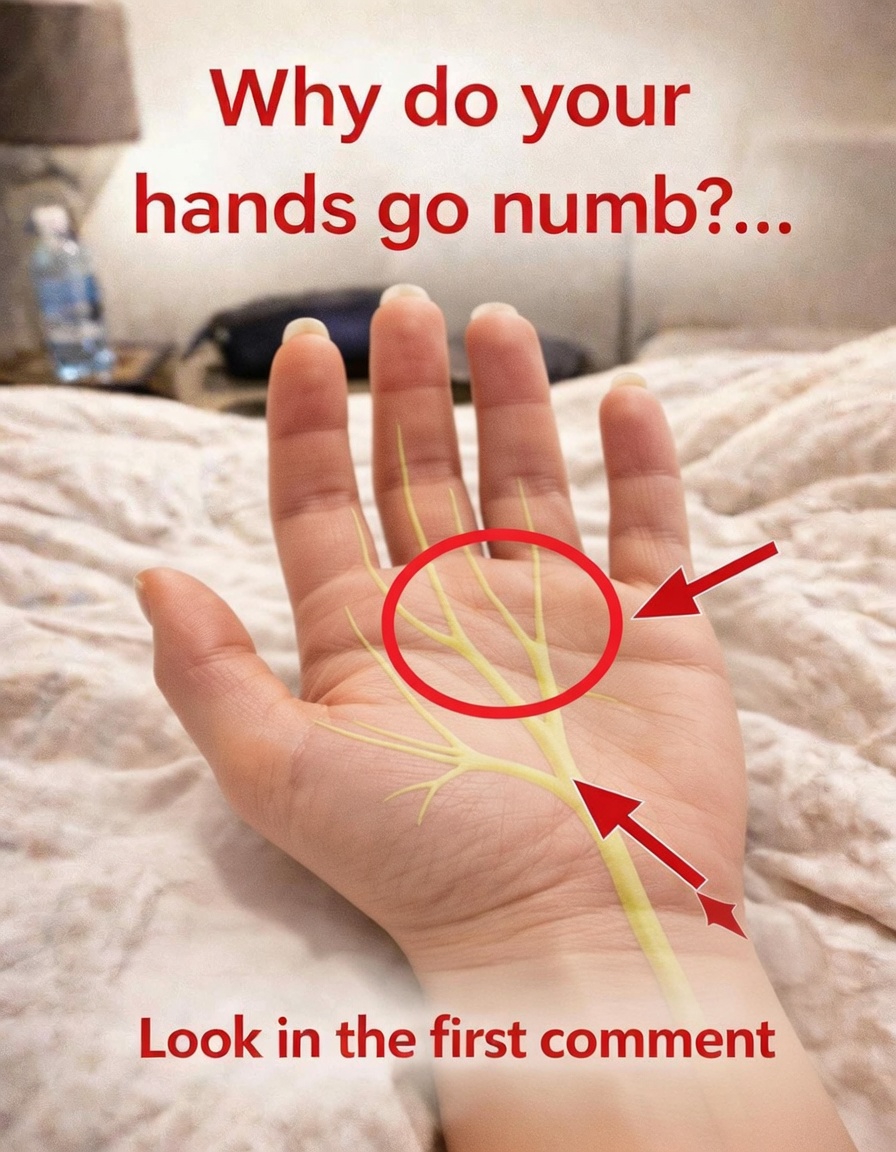
7 Common Reasons Your Hands May Feel Numb
According to trusted health sources such as the Cleveland Clinic, several everyday factors may contribute to numb hands. Often, more than one issue is involved at the same time.
Here are some of the most common contributors:
-
Repetitive wrist motion
Typing, texting, scrolling, and using hand tools repeatedly can place stress on important nerves around the wrist. -
Poor neck and shoulder posture
Long hours at a desk or looking down at a phone can create tension in the upper body, sometimes sending discomfort or tingling down the arm into the hand. -
Sleep positions that compress nerves
Bending your wrists or elbows for hours while sleeping may lead to numbness or stiffness when you wake up. -
Low intake of key nutrients
Vitamins such as B1, B6, and B12, along with minerals like calcium, help support healthy nerve function. -
Underlying health conditions
Issues such as elevated blood sugar may gradually affect peripheral nerves over time. -
Inflammation in joints or soft tissues
Swelling around nerve pathways can increase pressure and trigger tingling or numbness. -
Temporary circulation changes
Cold temperatures or tight accessories like bracelets and watches may briefly reduce blood flow and make your hands feel numb.
These factors can overlap in real life, which is why symptoms often seem worse at night or after certain repeated activities.
How Posture and Daily Habits Can Increase Pressure
Spending hours sitting with rounded shoulders and a forward head posture may seem harmless, but it can create strain from the neck down through the arms and into the hands. Many people do not realize how much their workstation affects comfort until they make a few basic adjustments.
Nighttime habits matter too. Sleeping with bent wrists or with an arm tucked under your head may feel comfortable at first, but it can place pressure on nerves for hours. That often leads to morning stiffness or tingling that lingers.
One important takeaway is that better posture during the day can influence how your hands feel by the evening. Small corrections repeated consistently often have a bigger impact than people expect.

The Connection Between Nutrition and Hand Comfort
Nerves depend on proper nutrition to function well, and circulation also benefits from a balanced diet. That is why foods rich in B vitamins are often mentioned in discussions about nerve health.
Helpful options may include:
- Leafy greens
- Eggs
- Nuts
- Fortified cereals
- Fish such as salmon
Hydration matters as well. Drinking enough water and maintaining a well-rounded diet may support healthy circulation, which can reduce occasional tingling episodes during rest or after meals.
Research suggests that steady intake of supportive nutrients can help the body maintain normal function, although results vary from person to person depending on overall health and lifestyle.
When You Should Talk to a Healthcare Professional
Many episodes of hand numbness improve with rest, stretching, or movement. Still, certain symptoms should not be ignored.
Consider seeking medical advice if:
- Numbness lasts for several hours
- It happens often or becomes more frequent
- The sensation spreads beyond the hand
- You notice weakness when gripping objects
- You start dropping things more often
- Numbness appears along with dizziness, headaches, or speech changes
A prompt evaluation can help identify possible underlying causes and guide the right next steps.
6 Simple Habits to Support Better Hand Comfort
If you want to make practical changes today, these daily habits can help reduce strain and support natural comfort.
1. Create a more ergonomic workspace
Set your keyboard and mouse so your wrists stay straight rather than bent. Keep your elbows close to a 90-degree angle and take a short stretch break every hour.
2. Keep your wrists neutral while sleeping
Try using a soft wrist support or adjusting your pillow so your hands stay flatter at night. Avoid sleeping with your arms tucked underneath your pillow or body.
3. Do gentle hand and wrist stretches
Extend your arms in front of you, then slowly bend your wrists upward and downward. Hold each position for 10 to 15 seconds and repeat three times on each hand, morning and evening.
4. Reset your posture regularly
Every 30 minutes, roll your shoulders back and gently lift your chin. This can reduce tension in the neck and upper back that may contribute to symptoms in the hands.
5. Add nutrient-dense foods to your meals
Include foods like:
- Salmon
- Almonds
- Spinach
- Eggs
These choices can naturally support the vitamin and mineral intake linked to nerve health.
6. Stay active with light movement
A daily 20-minute walk can improve circulation and help reduce the stiffness that often comes after long periods of sitting.
When these habits are combined, the benefits may build over time. Many people notice encouraging changes within a few weeks of staying consistent.

One Often-Ignored Habit That Can Make a Big Difference
Here is the surprising tip many people overlook: warming up your hands with gentle movement before bed may help more than expected.
Simple motions such as opening and closing your fists, rotating your wrists, or lightly massaging your hands can encourage circulation before sleep. If you pair this with slow, mindful breathing during your stretches, the routine may feel even more effective and relaxing.
This small evening practice brings together everything discussed in this guide and may help your hands feel looser and more comfortable by morning.
Final Thoughts on Reducing Hand Numbness
Hand numbness is often connected to everyday patterns rather than a sudden event. By paying attention to possible triggers and making a few supportive changes, you can take a more active role in improving daily comfort.
The most important thing to remember is simple: consistency matters more than perfection. Small actions, repeated regularly, can add up faster than you think.
FAQ
Can hand numbness get better through lifestyle changes alone?
Many people notice gradual improvement after correcting posture, taking movement breaks, and supporting their nutrition. Because the cause can differ from person to person, it helps to track when symptoms happen and what seems to trigger them.
Are stretches safe for everyone with numb hands?
Gentle wrist and neck stretches are often well tolerated when performed slowly and carefully. Start with light movements and stop if the discomfort gets worse. If symptoms persist, professional guidance is the safest approach.
How long does it take for diet changes to help nerve comfort?
Some people may notice subtle improvements within a few weeks of eating more nutrient-rich foods, though results vary. Combining a better diet with regular movement may improve how quickly you feel a positive difference.
Important Note
This article is for informational purposes only and does not replace professional medical advice. If you have concerns about hand numbness or any other health issue, consult a qualified healthcare provider.