
Sleep Position Tips for Seniors: A Brain Specialist’s Advice for More Comfortable Mornings
Many older adults wake up feeling stiff, sluggish, or bothered by lingering neck pain. Even minor discomfort can drain energy over time, making everyday pleasures—like gardening, walking, or spending time with family—feel harder than they should.
What many people overlook is how much nighttime body position affects the quality of rest. The way your head, neck, and spine are supported during sleep can shape how you feel the next morning. A brain specialist has pointed to one common sleep posture that deserves extra attention, along with a few easy adjustments that may help you wake up feeling better.
Why Sleep Position Becomes More Important With Age
As the body ages, blood vessels tend to lose some flexibility, and many seniors also experience common issues such as mild neck arthritis or reduced joint mobility. Because of these changes, the way the head and neck are positioned overnight can influence both comfort and circulation in that area.
Most people rarely think about sleep posture until they start waking up with stiffness, headaches, or neck discomfort. However, studies suggest that certain positions may place more strain on the neck over time. That is why brain health experts encourage older adults to pay closer attention to how they sleep.
A restful night is not only about getting enough hours. Proper alignment also matters. When the head, neck, and spine stay in a more natural position, many people feel more refreshed and physically at ease in the morning.

The Sleep Position Brain Doctors Are Warning About
One position that often comes up in discussions among neurologists and other brain health professionals is stomach sleeping, also called the prone position. In this posture, the head is usually turned sharply to one side for long periods, which can place the neck in a twisted position.
Many seniors may have seen online illustrations showing the difference between more open and more restricted flow through the neck area. These visuals are meant to highlight how posture can influence comfort and support during sleep.
That said, stomach sleeping is not automatically harmful for everyone. A healthy person who uses this position occasionally may not notice any major problem. But for older adults—especially those already dealing with neck stiffness or age-related spinal changes—the effects may be more noticeable.
One vascular neurologist shared a real-life example involving an older woman whose curled sleeping posture, combined with existing neck conditions, appeared to affect blood flow through vessels in the neck while she slept. After changing her position and using simple support, she reported much better mornings.
The important message is not that one position is universally “wrong.” Instead, understanding how your usual posture affects your body can help you make better choices for comfort and support.
Common Sleep Positions: What Seniors Should Know
Here is a quick comparison of sleep positions many older adults use:
| Position | Typical Experience for Seniors | Expert Notes on Comfort and Circulation |
|---|---|---|
| Stomach (Prone) | Feels familiar or soothing for some people | Neck rotation may create strain over time |
| Flat on the Back | Easy and natural for many | Often neutral, though slight elevation may help |
| Side Sleeping in a Tight Curl | Feels cozy and secure | Usually acceptable, but can tighten the body and increase shoulder pressure |
| Side Sleeping With Support | Often feels more relaxed and balanced | Generally helpful for body alignment |
This comparison shows why small adjustments can matter. There is no perfect sleep position for every person, but being aware of how your body responds can lead to better habits.
Better Sleep Positions to Try Instead
For many seniors, moving away from stomach sleeping can reduce morning stiffness. When the neck stays closer to a neutral alignment, there is often less strain during the night.
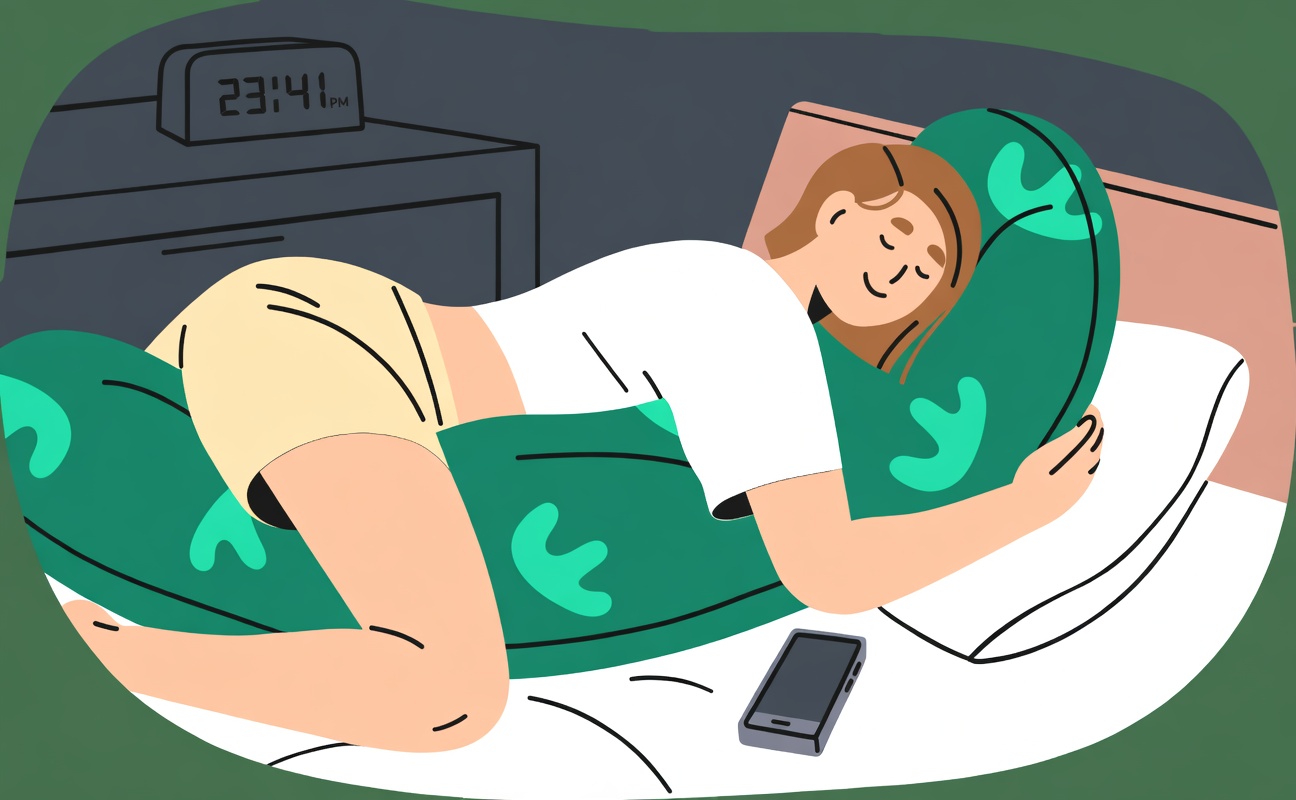
Side sleeping is commonly recommended, especially when done with the right support. Many people find that lying on the side—often the left side—feels easier on the body and may better support circulation and overall comfort.
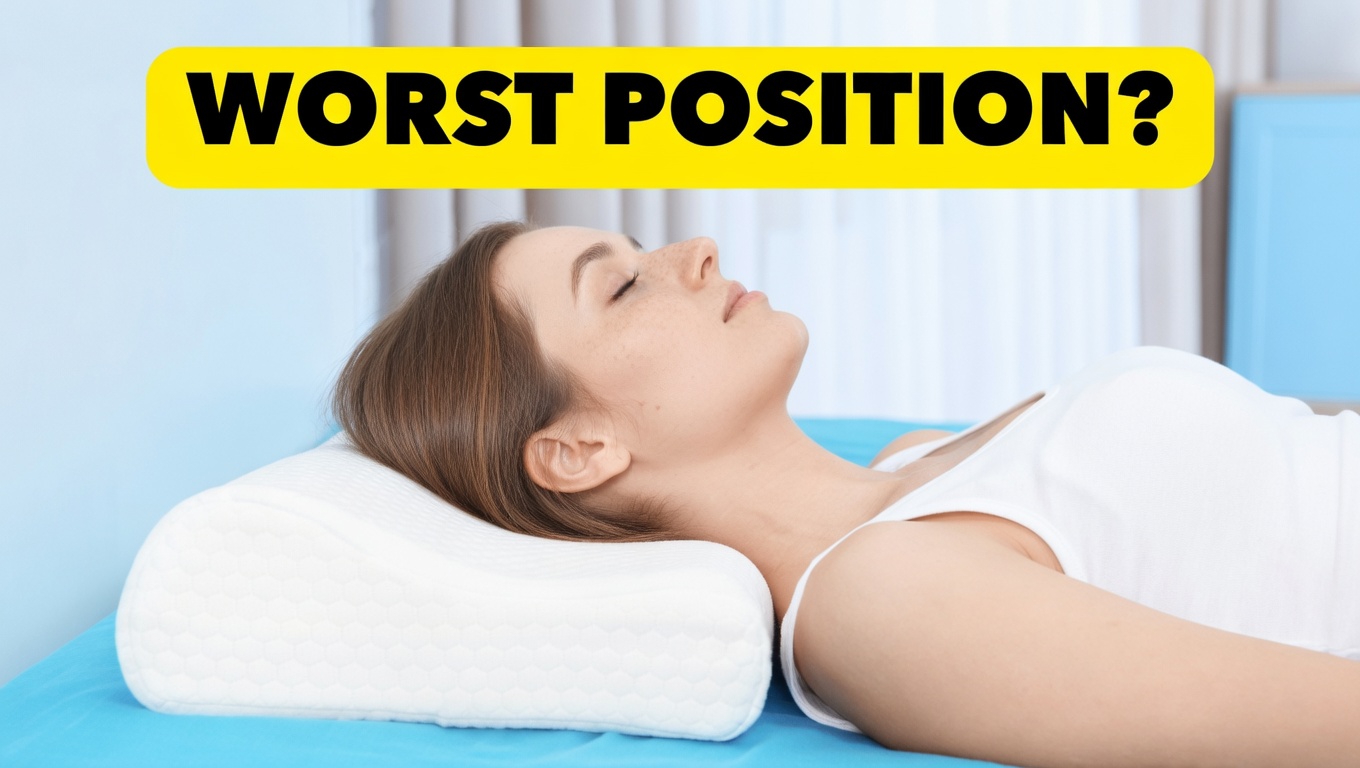
Back sleeping can also work well, particularly if the head is elevated slightly rather than lying completely flat. This may promote easier breathing and more stable neck support.
The good news is that these changes often become easier than expected. With a little practice, a new position can start to feel natural within days or weeks.
Simple Changes You Can Start Tonight
If you want to improve sleep posture, start with practical steps that are easy to try at home. You do not need expensive equipment to make a meaningful difference.
-
Choose a supportive pillow
- Use a medium-firm pillow that keeps your neck aligned with the rest of your spine.
- Avoid pillows that are too high or too flat.
- Memory foam or cervical pillows are often a good choice for seniors.
-
Set up side sleeping properly
- Place a pillow between your knees.
- This can help keep your hips level, reduce lower back strain, and support a more neutral spine.
-
Raise your head slightly if you sleep on your back
- A wedge pillow or two thinner pillows can create a gentle lift of about 10 to 15 degrees.
- Some people notice easier breathing almost immediately.
-
Switch positions gradually
- If you usually sleep on your stomach, do not force a sudden change.
- Try falling asleep on your side while hugging a body pillow for support.
- Over a week or two, your body may begin to adjust naturally.
-
Evaluate your mattress
- A mattress that is too soft can cause your body to sink and put the neck at an awkward angle.
- A supportive surface helps maintain better alignment overnight.
These are small, manageable changes, but they can have a real impact on how you feel when you wake up.
Daily Habits That Work Well With Good Sleep Posture
Sleep position tends to work best when paired with other healthy routines. A few simple habits can further improve comfort and quality of rest:
- Keep a regular bedtime to support your body’s natural sleep rhythm.
- Stay hydrated during the day, but avoid drinking too much right before bed.
- Practice gentle neck stretches during the daytime to reduce tension.
- Use your CPAP correctly, if you have one, since body position can affect how well it works.
When these habits are combined with better sleep posture, many seniors notice steadier energy and less morning discomfort.
Frequently Asked Questions About Sleep Positions for Seniors
Do I really need to stop sleeping in my favorite position?
Not necessarily. If you wake up feeling comfortable, rested, and free from regular stiffness or headaches, your current position may be working fine. But if you frequently wake up sore or tight, it may be worth testing another position to see whether it improves your mornings.
What kind of pillow is best for neck support?
Look for a pillow designed to support the natural curve of the neck. Contoured memory foam pillows are a popular option. The goal is to fill the space between your head and shoulders without forcing the neck too far forward or letting it fall backward.
How long does it take to get used to a new sleep position?
Many people start noticing a difference within 7 to 14 days. A gradual approach usually works best. Focus on consistency rather than trying to be perfect every night.
Final Thoughts: Small Adjustments Can Lead to Better Rest
For seniors, reviewing sleep position is one of the easiest ways to support more comfortable nights and better daytime energy. By understanding which positions may place extra strain on the neck—and by making a few simple changes—you can improve your chances of waking up feeling more refreshed.
Sometimes the smallest adjustments bring the biggest results. And no matter your age, it is never too late to improve the way you sleep.
Disclaimer: This article is for informational purposes only and should not be considered medical advice. Always speak with your healthcare provider before changing your sleep habits or routine, especially if you have existing medical conditions.