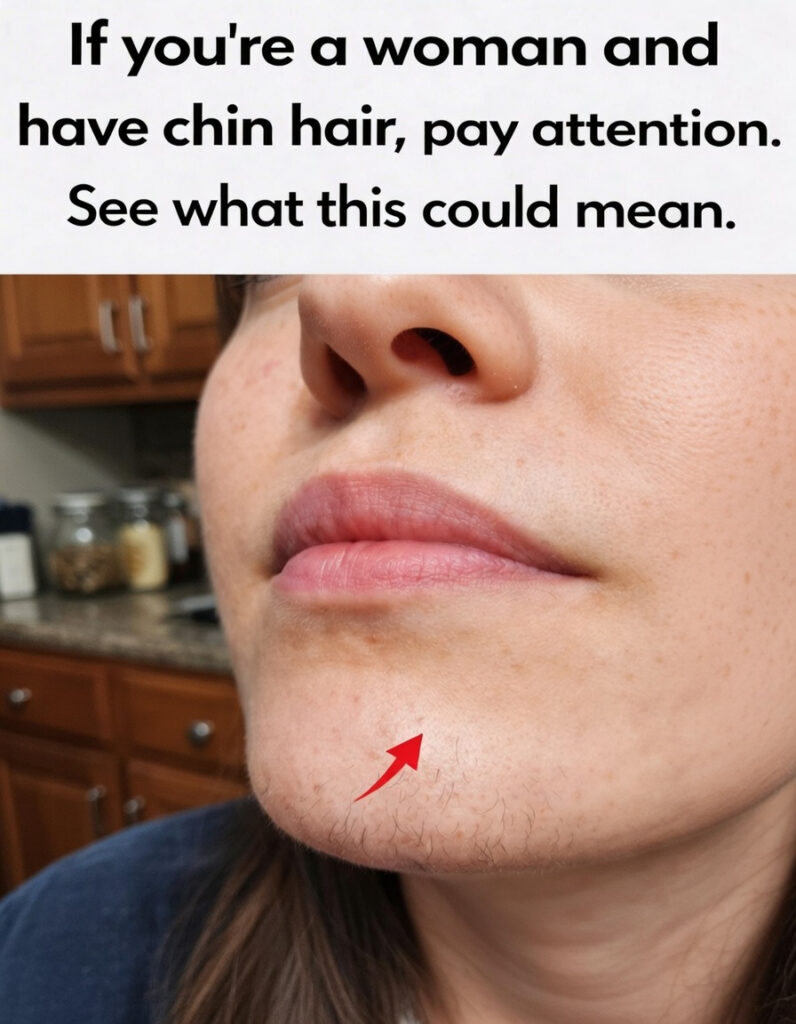
Why Chin Hair Can Appear in Women
Finding an unexpected chin hair—or noticing more than usual—can be surprising and sometimes unsettling. For many women, it is simply a small cosmetic issue linked to normal factors such as genetics, aging, or everyday hormonal changes. Still, if the growth seems sudden, thicker, or more noticeable, it can raise concerns about hormones and general health.
The reassuring part is that chin hair is often harmless. Knowing the most common causes can help you feel informed rather than alarmed. Below, we’ll look at why it happens, when it may be worth getting checked, and the best ways to manage it comfortably. We’ll also cover one commonly overlooked lifestyle habit that may support hormone balance.
Is Chin Hair Normal in Women?
Yes, a small amount of chin hair is completely normal for many women. The body naturally has fine, soft vellus hair across much of the skin, including the face. Sometimes these hairs become darker, thicker, or easier to notice because hair follicles respond differently to hormones.
Genetics and ethnic background are major influences. Some women naturally develop more visible facial hair than others, even when hormone levels are within a normal range. Medical sources such as the Cleveland Clinic and Mayo Clinic note that mild facial hair can result from ordinary androgen activity, with each person’s follicles reacting in their own way.
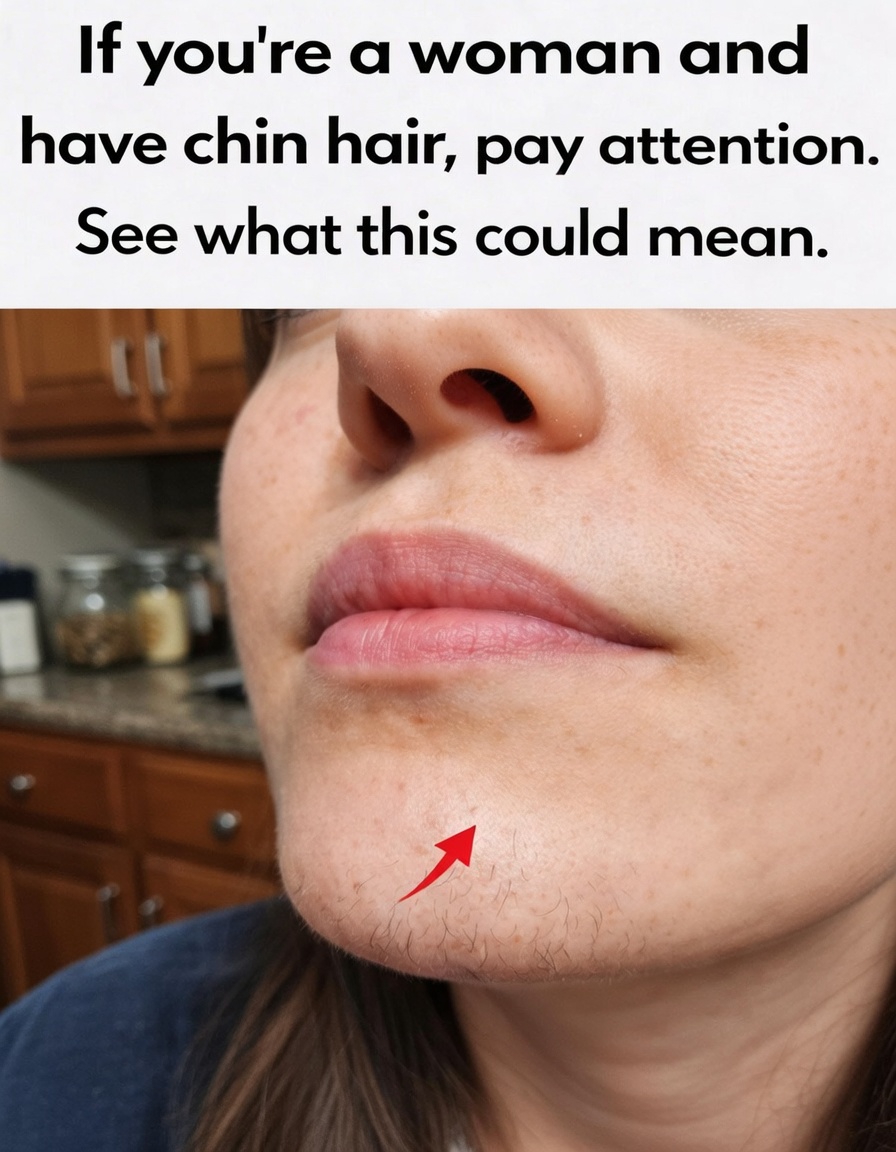
The main thing to watch is change. If chin hair suddenly becomes more abundant, coarser, or darker, that may suggest a shift in hormonal balance rather than inherited traits alone.
Common Causes of Chin Hair Growth
Several different factors can lead to extra chin hair. In many cases, they are not serious, but some may point to underlying hormone-related issues.
1. Normal Hormonal Changes
Women naturally produce small amounts of testosterone and other androgens. Temporary shifts in these hormones can sometimes make chin hairs more visible. Stress, poor sleep, and certain points in the menstrual cycle may all play a role.
These changes are usually short-term and often settle without treatment.
2. Polycystic Ovary Syndrome (PCOS)
PCOS is one of the most common reasons women of reproductive age develop excess facial hair. It often involves elevated androgen levels, which can trigger thicker or darker hair growth on the chin, upper lip, and other areas.
Other symptoms commonly linked to PCOS include:
- Irregular periods or missed cycles
- Ongoing acne
- Weight changes or trouble losing weight
- Thinning hair on the scalp
According to the Endocrine Society and Johns Hopkins Medicine, PCOS is a leading cause of hirsutism, or excess hair growth in areas more commonly associated with male-pattern hair.
3. Perimenopause and Menopause
During perimenopause and menopause, estrogen levels decline. As this happens, androgens may have a stronger relative effect, making facial hair more noticeable. Many women first observe new chin hairs during this stage of life.
This is a well-known and common hormonal shift. Even fine facial hairs that were previously hard to see may become darker or coarser over time.
4. Family History and Ethnicity
If your mother, sisters, or other close relatives have chin hair or similar facial hair patterns, heredity is likely a factor. Some hair follicles are simply more sensitive to normal androgen levels.
In these cases, visible chin hair may be part of your natural pattern rather than a sign of a medical problem.
5. Medications and Other Influences
Some medicines can stimulate hair growth as a side effect. Steroids and certain hormone-based treatments are examples. If your chin hair appeared or worsened after starting a new prescription, it may be worth mentioning that to your healthcare provider.
When You Should Speak With a Doctor
Most chin hair is not a medical concern. However, some signs suggest it is worth getting professional advice for reassurance and evaluation.
Consider making an appointment if you notice:
- A sudden or rapid increase in facial hair
- Thick, dark hair appearing in new places
- Irregular periods
- Unexplained weight gain or loss
- Severe or persistent acne
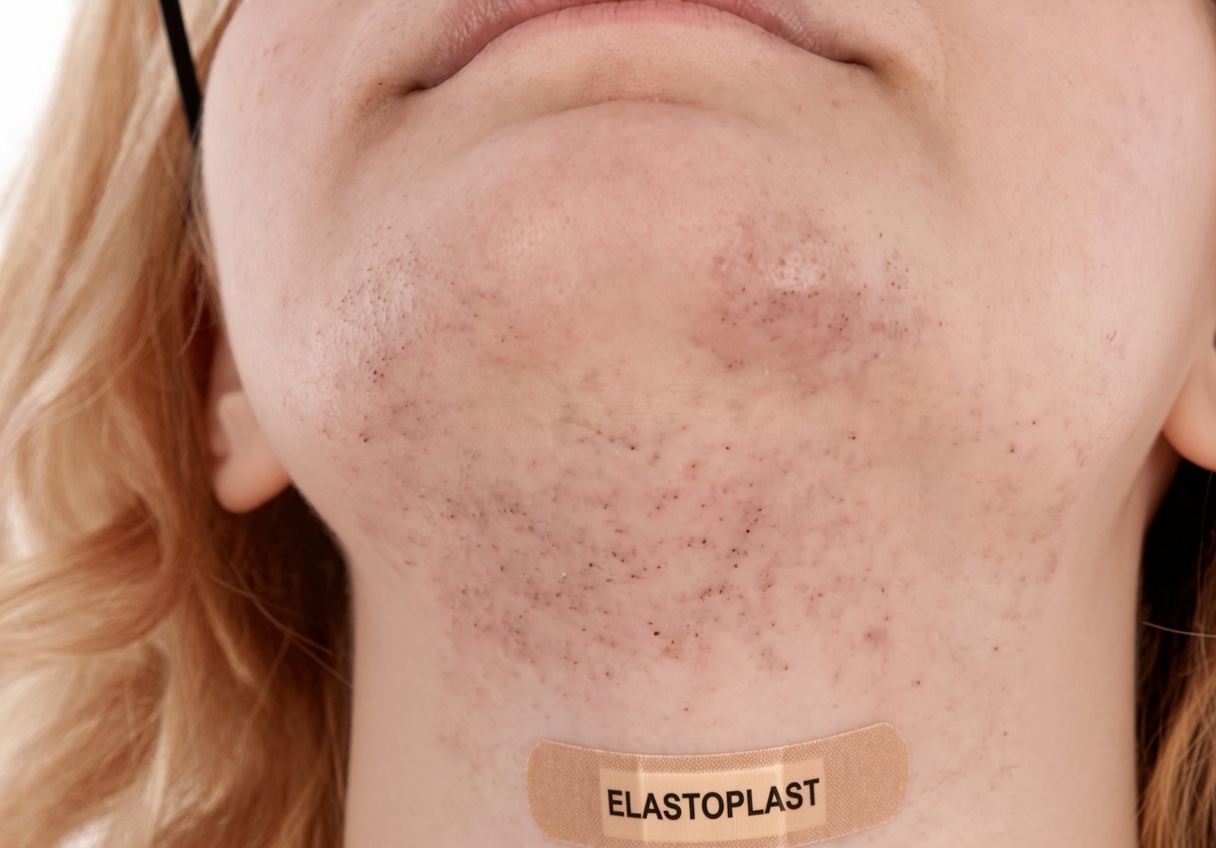
These changes can sometimes be connected to PCOS or other hormone-related conditions. A doctor may recommend a simple workup, such as blood tests, to check hormone levels and rule out other causes.
Safe Ways to Remove Unwanted Chin Hair
There is no single best method for everyone. The right option depends on your skin sensitivity, hair type, budget, and personal preference.
Quick At-Home Options
- Tweezing: Good for one or two stray hairs. Pull in the direction of growth to help reduce irritation.
- Waxing or threading: Useful for removing multiple hairs at once. Results often last between 3 and 6 weeks.
- Shaving: Fast, easy, and safe. Shaving does not make hair grow back thicker, although regrowth may feel blunt or stubbly.
- Depilatory creams: These dissolve hair chemically. Always patch test first, especially if you have sensitive skin.
Longer-Lasting Professional Treatments
- Laser hair removal: Uses light energy to target darker hairs. Several sessions are usually needed, but many people see a major reduction over time.
- Electrolysis: Treats individual hair follicles with electrical current. It is considered a permanent hair removal method by the FDA in many cases.
If you are unsure which treatment is best, speaking with a licensed professional can help you choose the safest approach for your skin tone and hair type.
Daily Habits That May Support Hormonal Health
Lifestyle habits will not make chin hair disappear overnight, but they can support overall hormonal balance and metabolic health.
Helpful habits include:
- Eating balanced meals with whole foods, vegetables, lean protein, and healthy fats
- Staying active with walking, yoga, strength training, or other regular exercise
- Sleeping 7 to 9 hours each night
- Managing stress through breathing exercises, mindfulness, or enjoyable hobbies
- Cutting back on added sugar and heavily processed foods
These habits may help regulate insulin and hormone function, which is especially important for women dealing with PCOS or other metabolic imbalances.
One often-missed factor is hydration. Many women also find that drinking spearmint tea regularly—about 1 to 2 cups a day—can be a gentle addition to a hormone-supportive routine. Some small studies suggest it may have a mild effect on androgen levels, making it an easy habit to consider if it suits your lifestyle.
Final Thoughts: Pay Attention to Changes
For many women, chin hair is simply a normal part of life. It may be shaped by genetics, age, menopause, or mild hormonal fluctuations. In most cases, it is nothing to fear.
By noticing patterns in your body, using practical hair-removal methods, and supporting hormone health through everyday habits, you can manage chin hair with more confidence and less stress.
If the change feels unusual or comes with other symptoms, checking in with your doctor is a smart step. Sometimes a quick conversation can provide both answers and peace of mind.
Frequently Asked Questions
Is chin hair always a sign of a health issue?
No. Mild chin hair is common and often related to genetics, aging, or normal hormone sensitivity. It becomes more concerning when it appears suddenly, increases quickly, or comes with other symptoms.
Can menopause lead to more chin hair?
Yes. As estrogen drops during menopause, androgens can have a stronger visible effect, which may cause new or more noticeable facial hair.
What is the safest way to remove chin hair at home?
Tweezing and shaving are usually safe and simple for occasional chin hairs. Moisturizing afterward and avoiding over-irritation can help protect the skin.
Disclaimer
This article is for informational purposes only and should not be used as medical advice. Always speak with a qualified healthcare professional for personalized guidance about your symptoms or health concerns.