

Getting older often comes with clear changes in strength, stamina, and recovery. Tasks that once felt effortless—carrying groceries, getting up from a chair, or playing with grandchildren—may start to demand more energy. For many adults over 50, staying active, capable, and independent becomes a top priority. The good news is that daily nutrition can help support muscle maintenance in a natural way. One simple food swap is getting a lot of attention among seniors, and it may deserve a place in your kitchen too.
How Aging Influences Muscle Health
After age 50, the body gradually becomes more prone to losing muscle mass unless it is supported with regular movement and proper nutrition. This is a normal part of aging and is linked to several factors, including slower muscle protein synthesis, lower physical activity, and hormonal changes.
Research shows that older adults usually need more protein at each meal than younger people to stimulate the same muscle-supporting response. That makes protein quality especially important. The source you choose can affect how well your body absorbs and uses those amino acids throughout the day—and even overnight.
Why Protein Matters More After 50
Protein does far more than help build muscle. It also helps preserve and repair the muscle you already have, which is essential for mobility, balance, and everyday function. Studies suggest that dividing protein intake more evenly across meals may be more effective than eating most of it in only one sitting.
Eggs have long been considered a go-to protein choice, especially at breakfast. They provide complete protein, are easy to cook, and fit into many meals. But more adults are now turning to another option that offers some extra advantages for muscle support, while still being convenient and tasty.
Eggs Are Excellent—But Cottage Cheese Offers Added Benefits
Eggs remain a strong nutritional choice. One large egg contains around 6 grams of high-quality protein, along with nutrients such as choline and vitamin D. They are affordable, flexible, and familiar.
Still, cottage cheese brings something unique to the table for older adults focused on muscle health. Its main protein is casein, which digests more slowly than many other proteins. Instead of delivering amino acids all at once, it releases them gradually over several hours. That can be particularly useful during long periods without food, such as overnight, when the body is more vulnerable to muscle breakdown.
A half-cup serving of low-fat cottage cheese typically contains about 12 to 14 grams of protein. In many cases, that is more protein than two eggs, while still remaining relatively low in calories and easy to digest.
It also provides calcium and phosphorus, two important minerals that work alongside protein to help support bones and muscles as we age. And unlike heavier protein foods, cottage cheese has a light, creamy texture that works well in both sweet and savory meals.
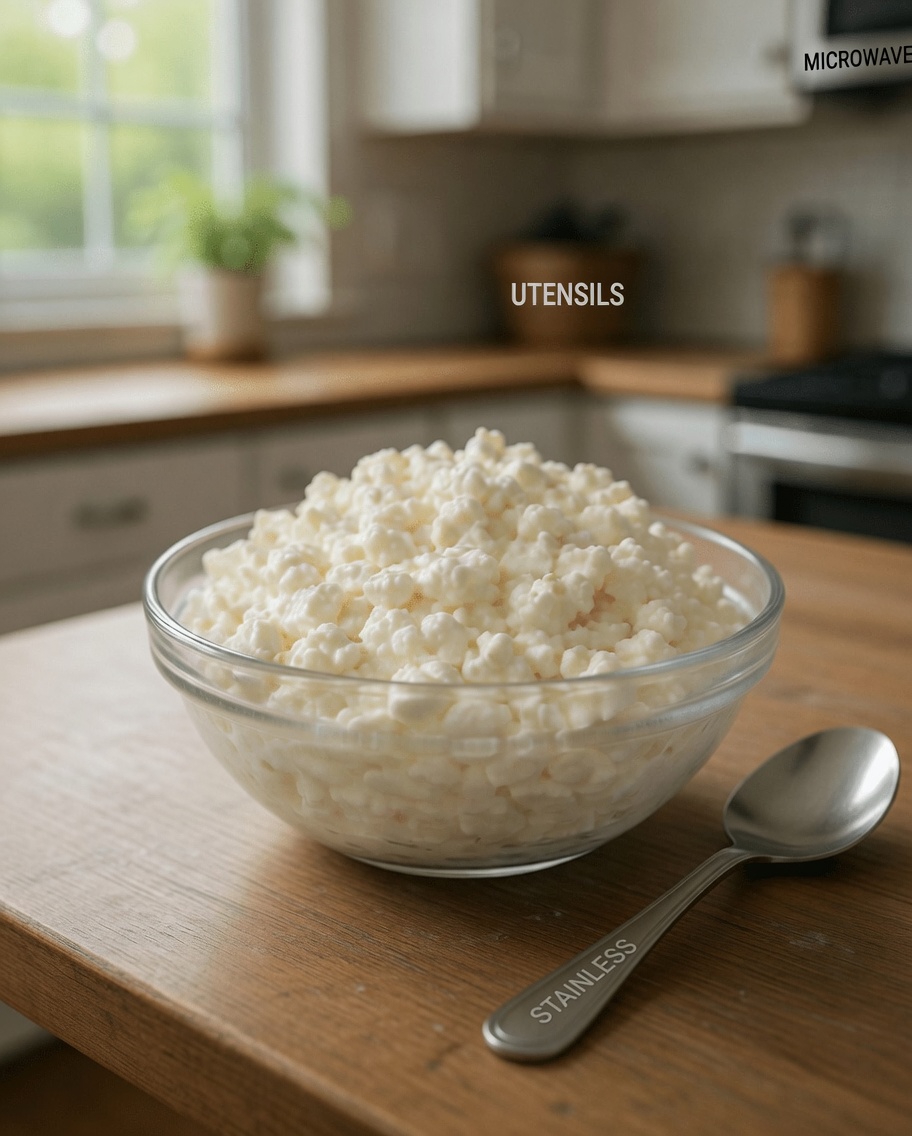
Five Reasons Seniors Are Choosing Cottage Cheese
Here are some of the main reasons cottage cheese is becoming more popular among adults over 50:
- More protein in a practical serving: One modest scoop can provide a strong protein boost without needing to eat several eggs.
- Slow-digesting casein: This gives the body a steady release of amino acids for longer-lasting support.
- Often easier on digestion: Many older adults find it gentler than fried eggs or large egg-heavy meals.
- Affordable and convenient: It usually keeps well in the refrigerator and can be cost-effective per gram of protein.
- Lower-fat options are widely available: Low-fat and non-fat versions help manage calorie intake while still supporting protein goals.
These benefits help explain why so many health-conscious older adults are replacing part of their usual egg intake with cottage cheese—or using both together.
Easy Ways to Add Cottage Cheese to Your Day
You do not need complicated recipes or extra kitchen time to make this change. Cottage cheese is simple to use and easy to adapt to your usual routine.
1. Start the Morning With More Protein
- Stir half a cup into warm oatmeal for a creamier texture.
- Top it with berries and cinnamon for a quick breakfast.
- Eat it alongside fruit and whole-grain toast for a balanced start.
2. Build a Fast Savory Snack
- Spoon cottage cheese onto whole-grain crackers.
- Add cucumber slices, tomato, or black pepper.
- Keep it ready for an afternoon snack when energy drops.
3. Upgrade Dinner
- Mix it into scrambled eggs for extra protein and creaminess.
- Use it in stuffed bell peppers or baked dishes.
- Add a spoonful to grain bowls or roasted vegetables.
4. Use It After Activity
- Blend cottage cheese with banana and milk for a smooth recovery drink.
- Pair it with fruit after a walk, gardening, or light strength training.
5. Eat It in the Evening
- Enjoy a small bowl before bed.
- Add chopped walnuts or a few seeds for texture and healthy fats.
- This can help provide overnight amino acid support thanks to the slow-digesting casein.
The best part is flexibility. You can adjust portion sizes based on appetite, activity level, and your personal nutrition plan. If you have specific health concerns, it is always wise to ask your healthcare provider how much protein is right for you.
Pair Cottage Cheese With Simple Movement
Good nutrition works even better when combined with regular activity. Gentle resistance exercise can help the body use protein more effectively to maintain muscle.
Helpful options include:
- Seated leg lifts
- Wall push-ups
- Light dumbbell curls
- Chair squats
- Resistance band exercises
Doing these movements just two or three times per week can enhance the benefits of a higher-protein diet. Many older adults say they feel steadier, stronger, and more energetic when they combine smart food choices with consistent exercise. The key is not intensity—it is regularity.
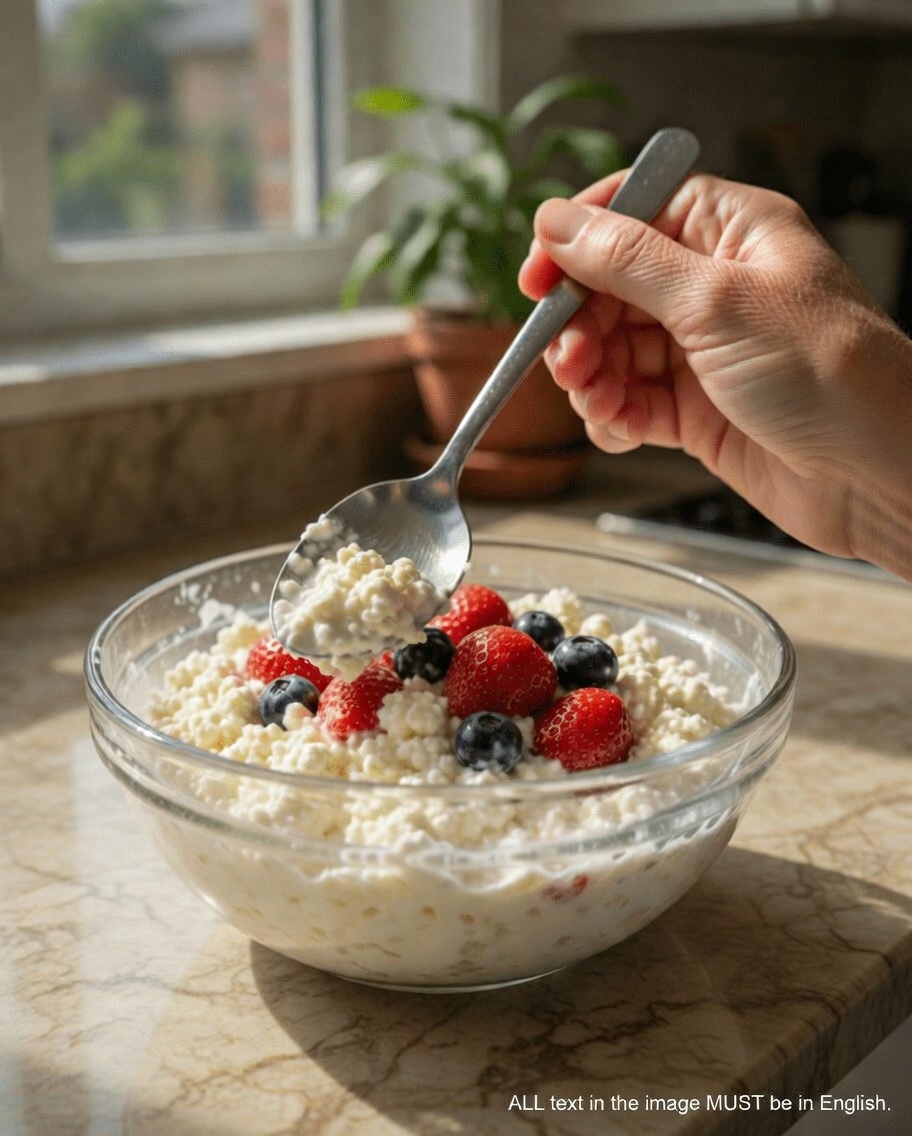
Quick Nutrition Comparison: Cottage Cheese vs. Eggs
Here is a simple side-by-side look at why cottage cheese is often considered a smart addition for adults over 50:
| Food (per serving) | Protein | Main Benefit for Seniors | Calories (approx.) |
|---|---|---|---|
| Low-fat cottage cheese (1/2 cup) | 12–14g | Slow-digesting casein for sustained support | 80–100 |
| Two large eggs | 12g | Fast-digesting complete protein | 140–150 |
This comparison shows that cottage cheese can offer similar or greater protein in a smaller, lower-calorie serving, especially when steady amino acid delivery is a goal.
What Many Older Adults Are Noticing
Many seniors who add cottage cheese to their routine report that it feels easy to include, even on days when appetite is lower. It does not require much preparation, works in many meals, and can fit a wide range of tastes.
A common theme in their feedback is convenience. For people who do not always want to cook, cottage cheese can be a practical way to keep protein intake up without adding stress to the day. Those small, manageable habits can make a meaningful difference over time.
Conclusion: A Small Change With Real Potential
Protecting muscle health after 50 does not need to be complicated or costly. Adding cottage cheese to your meals—or occasionally choosing it instead of eggs—can give your body a high-quality protein source that may better match the needs of aging muscles.
You do not have to give up eggs entirely. In fact, using both can be a smart strategy. The goal is to create simple, repeatable habits that support strength, mobility, and independence. Start with a small serving, test a few easy meal ideas, and see how naturally it fits into your routine. Over time, consistent nutrition and enjoyable movement can have a powerful impact.
FAQ
Is cottage cheese a good choice for everyone over 50?
Most healthy adults over 50 can enjoy cottage cheese regularly. However, people with dairy intolerance, sensitivity to lactose, or certain kidney conditions should speak with a doctor or dietitian before increasing intake.
How much cottage cheese should I eat for muscle support?
A practical starting point is 1/2 to 1 cup per day, divided between meals or snacks. Protein needs vary, but many experts recommend around 1.2 to 1.6 grams of protein per kilogram of body weight for active older adults.
Can I eat eggs and cottage cheese together?
Yes. There is no need to choose only one. Combining eggs and cottage cheese gives you both faster-digesting and slower-digesting proteins, which many nutrition professionals consider a helpful balance for muscle maintenance.
Disclaimer
This article is for informational purposes only and should not be considered medical advice. Always speak with your healthcare provider before making major dietary changes, especially if you have existing medical conditions or take prescription medications. Individual needs and results will vary.