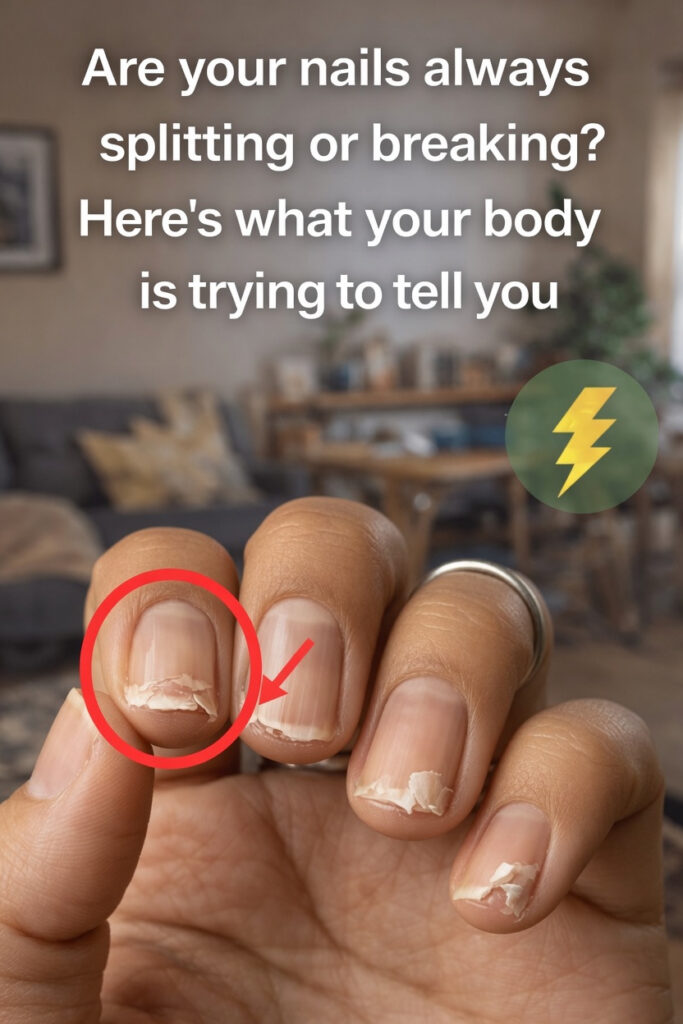
5 Common Toenail Changes You Should Not Ignore
After a shower, you may look down and notice that your toenails seem thicker, darker, or simply different from before. Small changes like these can feel unsettling, especially when they stick around and start making simple things, like wearing shoes, less comfortable. The good news is that your nails often give helpful clues about your overall foot health. By understanding a few common nail changes, you can take practical steps to care for your feet with more confidence.
Why It Is Worth Paying Attention to Your Nails
Toenails do much more than cover the tips of your toes. Because they grow slowly, they can reveal how your body responds to pressure, moisture, circulation, and everyday stress. Experts from the American Academy of Dermatology note that changes in nail color, thickness, or shape are often minor at first. Still, noticing them early can help you make easy adjustments before the problem becomes more noticeable.
What many people do not realize is that these changes usually happen gradually. They rarely appear all at once, which is why regular nail checks can be so useful.
1. Thick, Yellow, or Brown Toenails
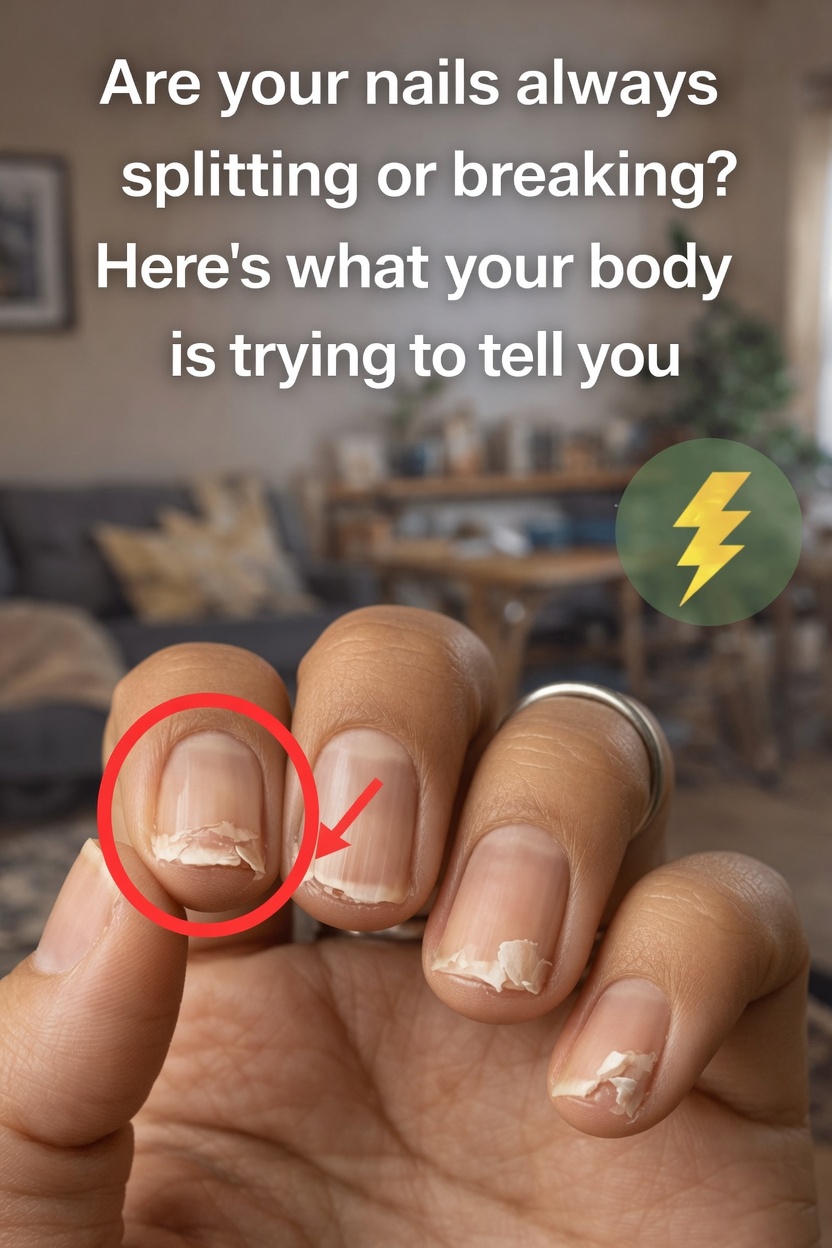
A very common change is a nail that becomes thicker and develops a yellow or brown tint. Information from the Mayo Clinic suggests this is often linked to fungal organisms that grow well in warm, damp places. The nail may also lose its natural shine or start lifting slightly along the edges.
This is especially common in the big toe, and it can make trimming more difficult over time. Although it may seem stubborn, this type of nail change often improves when you create a cleaner and drier environment for your feet.
Simple habits that can help
- Dry your feet carefully after bathing, including the spaces between the toes
- Switch shoes regularly so each pair has time to air out for at least 24 hours
- Wear breathable shoes and moisture-wicking socks
- Cut nails straight across using sanitized clippers
Studies show that keeping feet dry can lower the chance of the problem returning. Daily consistency matters more than occasional effort.
2. Nails That Curve Upward or Look Clubbed
Some nails begin to curve outward, with the tips lifting and the base looking rounder than usual. This shape is sometimes referred to as clubbing. Dermatology experts explain that it can develop slowly and may be related to how oxygen circulates through the blood.
The American Academy of Dermatology notes that curved nails can sometimes be inherited, but they may also reflect broader circulation-related patterns. In some cases, the toe tips may appear a little swollen or red.
This does not automatically signal a serious issue. Many people have mild changes for a long time without major problems. What matters most is whether the change is new or appears alongside symptoms such as shortness of breath during normal activity.
A quick self-check you can do
- Look at both feet in bright light once a month
- Take note of any visible changes in your phone or a notebook
- Wear shoes that fit well and do not squeeze the toes
If the curve seems more noticeable than before or keeps progressing, it is worth discussing with a doctor for reassurance.
3. Spoon-Shaped or Sunken Nails
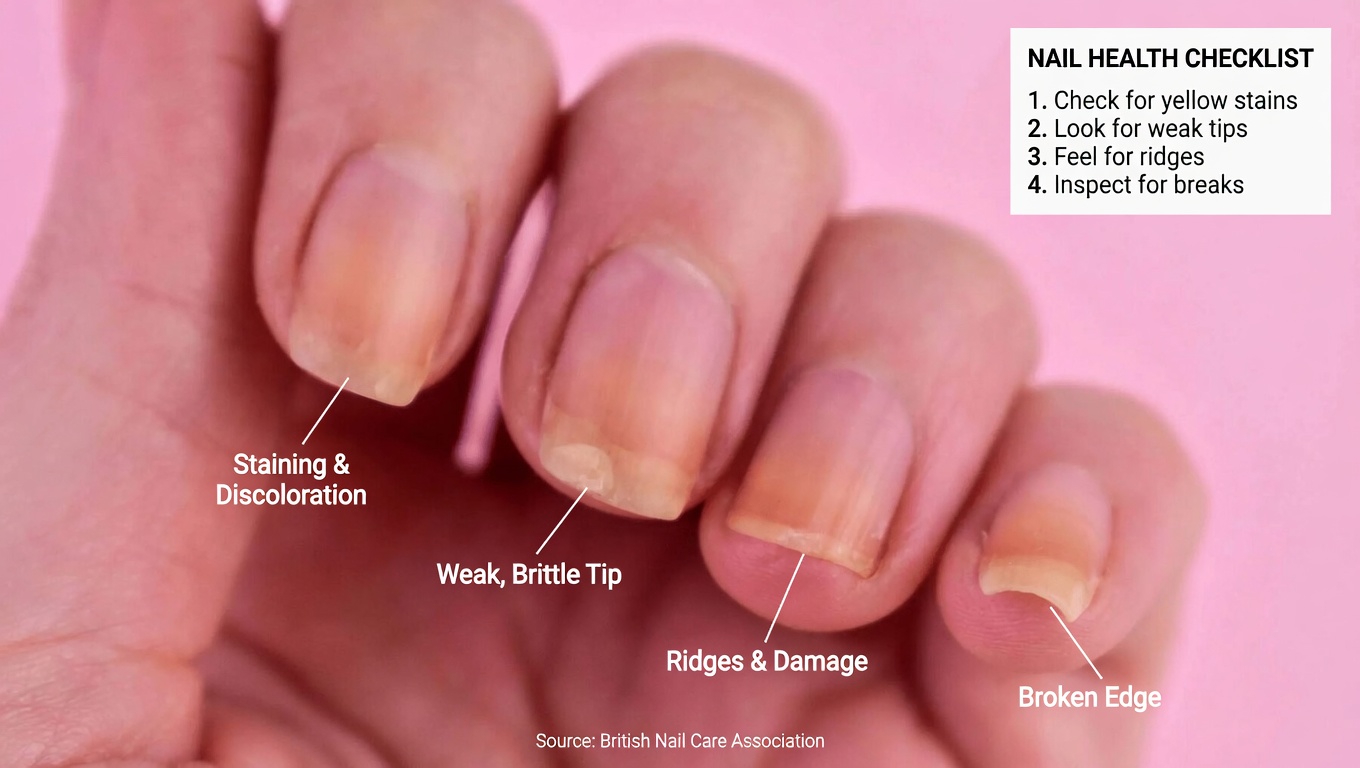
If a nail dips inward in the middle and resembles a tiny spoon, it may be a condition called koilonychia. According to Cleveland Clinic resources, this shape is often associated with low iron levels, which can affect the way nails grow and form.
These nails may also seem thinner, weaker, or easier to break. If the cause is related to something happening throughout the body, similar changes can appear in fingernails as well.
An important point to remember is that nail shape alone does not confirm a diagnosis. However, it can be a useful sign that your body may benefit from closer attention to nutrition or a medical evaluation.
Nutrition habits that may support healthier nails
- Add leafy greens, lean meats, beans, or fortified cereals to your meals
- Combine iron-rich foods with vitamin C sources to improve absorption
- Avoid skipping meals regularly
- Consider a blood test if the spoon-like shape continues for several months
Small improvements in your diet can support nail growth over time.
4. Green, Blue, or Purple Nail Discoloration
A toenail that turns green, bluish, or purple can be surprising. Sources such as WebMD explain that green nails may be linked to bacteria that thrive in moist settings, while blue or purple tones can sometimes reflect temporary circulation changes, especially in cold conditions.
Because the color sits beneath the nail, washing or scrubbing will not remove it. In many cases, the discoloration improves once the nail environment becomes healthier.
It is helpful to know that keeping feet both warm and dry can reduce the chances of seeing this change again. If the color does not go away, a professional evaluation can help rule out other causes.
Prevention tips to protect nail color
- Do not walk barefoot in shared wet places
- Use antifungal powder inside shoes during humid weather
- Choose cotton or sweat-wicking socks
- Raise your feet when resting to support circulation
These easy habits fit well into everyday foot care and may help nails maintain a healthier appearance.
5. Red, Swollen Skin Around the Nail
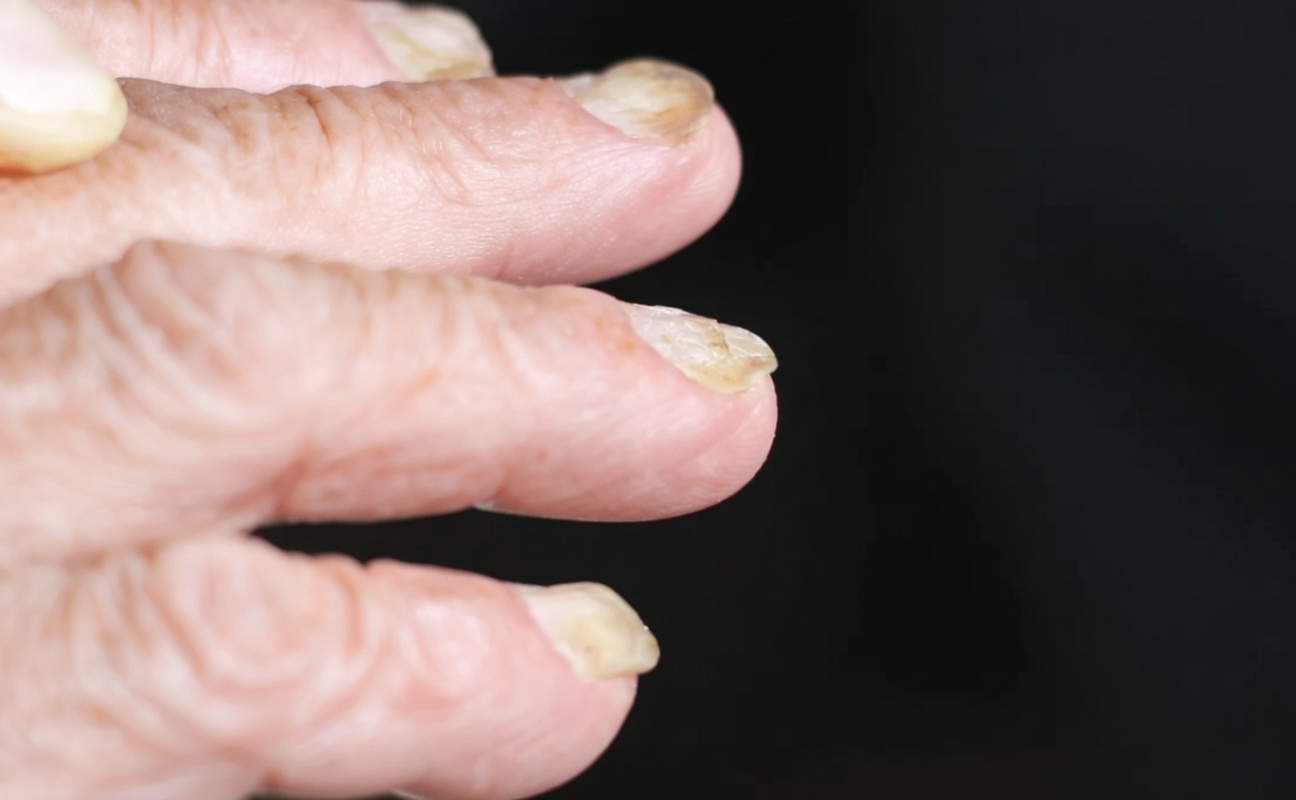
When the skin beside the nail becomes red, swollen, sore, or warm, it often means the nail edge is pressing into the surrounding skin. Podiatrists commonly see this in people who wear tight shoes or trim nail corners too deeply.
This tenderness can become worse if ignored, so early care is important. Fortunately, many mild cases improve with gentle treatment at home.
A simple relief routine
- Soak the foot in warm water with a small amount of salt for 10 minutes
- Dry the area fully and apply a thin layer of petroleum jelly
- Wear shoes with a wide toe box for several days
- Trim nails straight across in the future rather than rounding the corners
Sticking to these steps can reduce discomfort and help prevent the problem from returning.
Daily Habits for Stronger, Healthier-Looking Toenails
Now that you know the most common toenail changes, the next step is building a routine that supports healthy nails every day. Small habits can make a noticeable difference over time.
Foot care habits experts often recommend
- Check your feet once a week in bright light
- Moisturize the heels and cuticle area, but avoid putting lotion directly on the nail
- File thick nails gently instead of cutting them aggressively
- Clean and disinfect nail tools after each use
- Alternate between open and closed shoes when possible
These habits take only a few minutes and can support better nail health in the long run.
When to See a Professional
Most toenail changes are not serious, but some deserve extra attention. If you notice pain, worsening redness, spreading swelling, or a sudden change in color or shape, it may be time to speak with a podiatrist or dermatologist. Getting help early often leads to easier treatment and more peace of mind.
Final Thoughts: What Your Toenails May Be Telling You
Your feet support you every day, and your toenails can quietly reflect what is happening with your body and your daily habits. By noticing changes in thickness, shape, color, or swelling early, you can respond with smarter foot care and avoid more discomfort later.
The five nail changes covered here are common, often manageable, and frequently improve with simple steps. Start checking your toenails regularly—you may be surprised how much better your feet feel when small issues are addressed early.
FAQ
How often should I examine my toenails?
For most people, once a week is enough. Try checking them in good lighting after a shower so it becomes part of your regular routine.
Can food choices affect how nails look?
Yes. Good nutrition supports nail growth and strength. Iron, protein, and essential vitamins all play a role, although results differ from person to person.
Are toenail changes always a sign of something serious?
No. Many nail changes are minor and improve with better foot care. However, if the problem is painful, persistent, or getting worse, it is wise to seek medical advice.
Disclaimer
This article is for informational purposes only and does not replace professional medical advice, diagnosis, or treatment. Always speak with a qualified healthcare provider about concerns related to your health or nails.