Avocado Seeds and Everyday Wellness: What to Know Before You Try Them
Many adults deal with inconsistent energy, uneven eating habits, and the ongoing challenge of building a wellness routine that actually feels sustainable. When simple meal upgrades seem either too complicated or overhyped, it is easy to get discouraged.
That is one reason avocado seeds have started attracting attention. A part of the fruit most people usually throw away is now being discussed as a possible addition to a health-conscious lifestyle. Even more interesting, many people are curious about how to prepare avocado seed safely at home. Below, we break down what current research suggests, how avocado seeds compare with avocado flesh, and how to make avocado seed tea step by step.
Why Avocado Seeds Are Getting So Much Attention
If you spend any time on social media, you have probably noticed avocado pits showing up in wellness posts, food hacks, and waste-reduction tips. What used to be discarded without a second thought is now being viewed as something potentially useful.
The reason behind the trend is simple: avocado seeds contain plant compounds such as polyphenols and flavonoids, which researchers have examined for their possible wellness-supporting properties. That has made the seed an interesting topic in natural health conversations.
Still, it is important to keep things in perspective. The avocado flesh has far more evidence behind it when it comes to practical nutrition and regular use. Before experimenting with the seed, it helps to understand how these two parts of the avocado differ.
What Science Actually Says About Avocado Seeds
Research on avocado seeds is still at an early stage. Some laboratory and animal studies have investigated avocado seed extracts and how they may affect certain metabolic processes. A few findings suggest that compounds in the seed could support antioxidant activity and may help the body respond to oxidative stress. Other small animal studies have looked at possible effects on glucose metabolism.
However, these findings are not strong enough to make firm claims for humans.
Organizations such as the California Avocado Commission have emphasized that there is still limited human research on avocado seeds. Unlike the flesh of the fruit, the seed is not considered a standard everyday food ingredient. For that reason, moderation and careful preparation matter.
If you have a medical condition, digestive sensitivity, or take medication regularly, it is best to speak with a healthcare professional before adding avocado seed to your routine.
Why Avocado Flesh Still Leads the Conversation
When it comes to proven nutritional value, avocado flesh clearly stands out. Multiple human studies reviewed by nutrition experts show that eating avocado regularly may help support:
- Healthier blood sugar responses after meals
- Longer-lasting fullness
- Heart-friendly eating patterns
- Stable daily energy
These benefits are largely linked to the avocado’s combination of:
- Fiber
- Monounsaturated fats
- Low net carbohydrate content
- Potassium, folate, and antioxidant vitamins
Some analyses have also connected avocado intake with improved insulin sensitivity in certain groups. That is why many dietitians suggest eating half an avocado several times per week as part of a balanced diet.
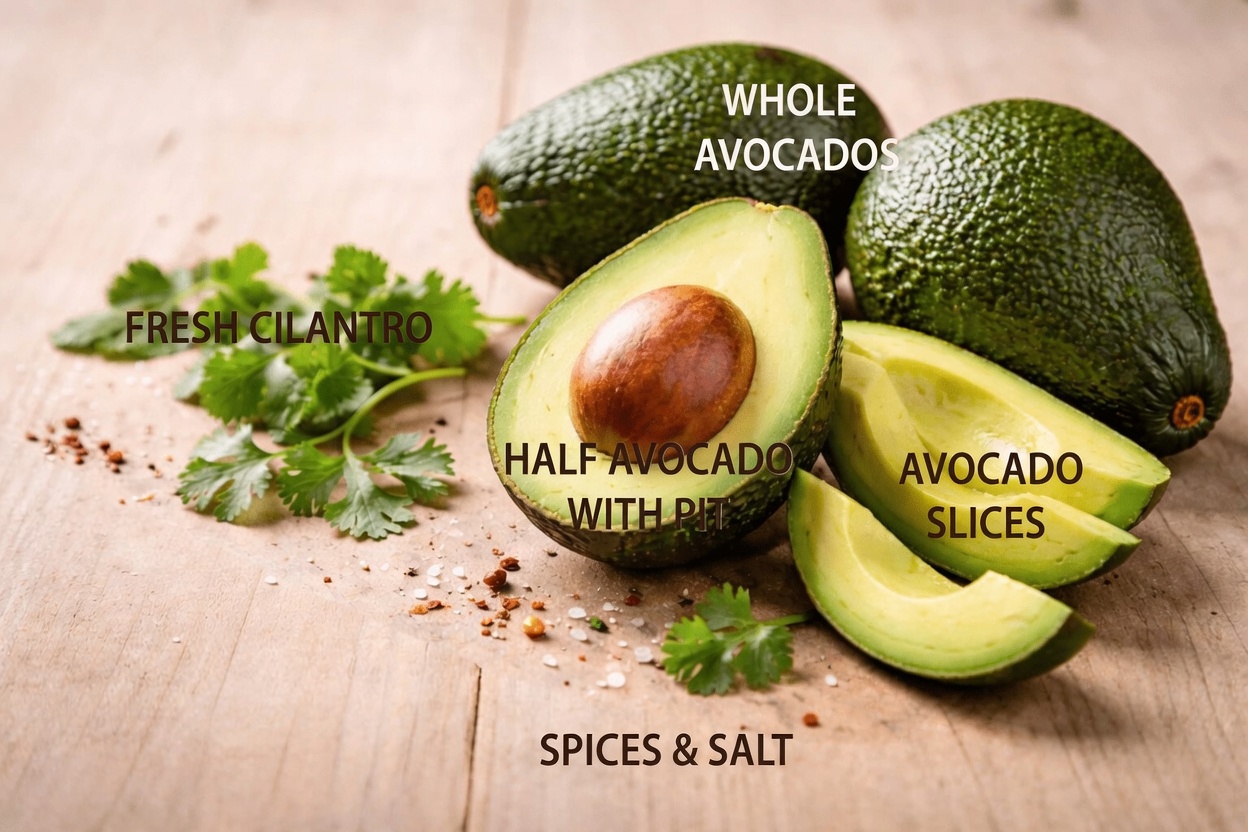
Avocado Flesh vs. Avocado Seed: Key Differences
Here is a simple comparison to make the distinction clear.
1. Nutrient Content
Avocado flesh
- Rich in heart-healthy fats
- About 10 grams of fiber per whole avocado
- Good source of potassium, vitamins E, K, and C, plus folate
Avocado seed
- Contains polyphenols, flavonoids, and some fiber
- These compounds are present in forms that may be less practical for everyday dietary use
2. Research Strength
Avocado flesh
- Supported by stronger human evidence
- Associated with satiety, blood sugar support, and cardiovascular wellness
Avocado seed
- Studied mostly in test tubes and animals
- Human trials remain limited and inconclusive
3. Safety and Preparation
Avocado flesh
- Easy to eat raw or cooked
- Widely recognized as safe
Avocado seed
- Should not be eaten raw in a casual way
- Usually requires drying, peeling, grating, and brewing
- Large amounts may be hard on digestion
4. Flavor and Everyday Use
Avocado flesh
- Creamy, mild, and highly versatile
- Works well in toast, salads, smoothies, and bowls
Avocado seed
- Bitter in its raw form
- When brewed as tea, it develops an earthy, slightly nutty taste that some compare to green tea
Overall, the avocado itself remains the most practical and research-supported choice. The seed is better viewed as an optional experiment rather than a nutritional staple.
Easy Ways to Use Avocados in Your Routine
The good news is that you do not need special tools or a complicated meal plan to start using avocados more effectively.
Start with the avocado flesh
The easiest move is also the smartest one. Add half an avocado to:
- Morning toast
- A lunch salad
- A grain bowl
- A sandwich wrap
Its fiber and healthy fats may help you stay full longer and support more even energy.
Pair avocado with protein
Combining avocado with protein-rich foods can create a more balanced meal. Try it with:
- Eggs
- Greek yogurt
- Chicken
- Tofu
- Cottage cheese
This combination may help support steadier post-meal blood sugar responses.
Use the seed carefully if you are curious
If you want to try avocado seed tea, prepare it properly rather than eating the seed raw. A common method is to wash the seed, dry it, peel it, grate it, and simmer it in water.
Reduce food waste creatively
Even if drinking avocado seed tea does not appeal to you, the pit does not have to go straight into the trash. You can:
- Compost it
- Use it in DIY projects
- Explore zero-waste kitchen habits
Add a small amount of prepared seed powder to smoothies
If you have already dried and prepared the seed, some people blend a little into a smoothie with ingredients like:
- Banana
- Spinach
- Avocado
- Plant milk
This can soften the bitterness while keeping the drink enjoyable.
How to Make Avocado Seed Tea at Home
If you want to try avocado seed tea, follow a careful process. This is the method many wellness enthusiasts use.
Step 1: Remove and rinse the seed
Choose a ripe avocado, take out the pit, and rinse it under cool water. Make sure all leftover avocado flesh is removed.
Step 2: Let it dry
Place the seed on a plate or clean surface at room temperature for 24 to 48 hours. As it dries, the outer brown skin should begin to loosen and crack.
Step 3: Peel and grate
Once dry, remove the brown outer layer. Then grate the lighter inner seed using:
- A box grater
- A food processor
Step 4: Simmer in water
Put the grated seed into a pot with 3 to 4 cups of filtered water. Bring it to a boil, then lower the heat and let it simmer for 15 to 20 minutes. The liquid may turn a light reddish-brown color.
Step 5: Strain and serve
Pour the tea through a strainer into a mug. If you want a milder flavor, you can add:
- A squeeze of lemon
- A little cinnamon
Start with one cup per day and pay attention to how your body responds.
A Quick Note on Safety
Avocado seed tea should be treated as an optional wellness experiment, not as a replacement for nutritious meals or medical advice.
Keep these points in mind:
- Start with a small amount
- Do not assume more is better
- Stop use if you notice digestive discomfort or any unusual reaction
- Talk to a healthcare professional if you have health conditions or concerns
For many people, the appeal is just as much about the ritual of preparation and reducing waste as it is about any potential health benefit.
Why the Whole Avocado Matters More Than the Trend
One of the most useful takeaways here is that you do not need to follow every viral health trend to make meaningful progress. The avocado flesh alone offers impressive, research-backed benefits.
Studies consistently suggest that including avocado in a balanced diet may help:
- Increase fullness after meals
- Support healthy cholesterol levels
- Promote more stable energy
- Contribute to overall wellness
That makes the fruit itself the real star. The seed is simply an optional extra for people who enjoy experimenting in the kitchen and finding new ways to reduce waste.
Final Thoughts: Small Changes Can Add Up
Adding avocados to your routine can be a realistic, sustainable habit that fits everyday life. You might start by upgrading lunch, blending a smoothie, or trying a single cup of avocado seed tea out of curiosity.
The most important thing is to keep it simple:
- Focus on the avocado flesh first
- Use the seed only if you want to experiment carefully
- Pay attention to how you feel
- Stay consistent with habits that are easy to maintain
What used to be kitchen waste may become part of a smarter routine—but the real value still begins with the avocado itself.
FAQ
1. Is it safe to eat or drink avocado seed every day?
Most experts recommend being cautious. Because human research is still limited, it is better to start with small amounts and avoid making it a high-intensity daily habit without professional guidance.
2. Is avocado seed more nutritious than avocado flesh?
No. While the seed contains interesting plant compounds, the flesh has much stronger nutritional value and far better human research behind it.
3. What does avocado seed tea taste like?
It is usually described as earthy, slightly nutty, and somewhat bitter, with a flavor some people compare to green tea.
4. Can I eat the avocado seed raw?
It is not recommended. Raw avocado seed is tough, bitter, and may be difficult to digest. Proper drying and brewing are the safer approach.
5. What is the best way to start using avocados for wellness?
Begin with the avocado flesh. Add half an avocado to meals a few times a week and build from there. That is the simplest and most evidence-based place to start.