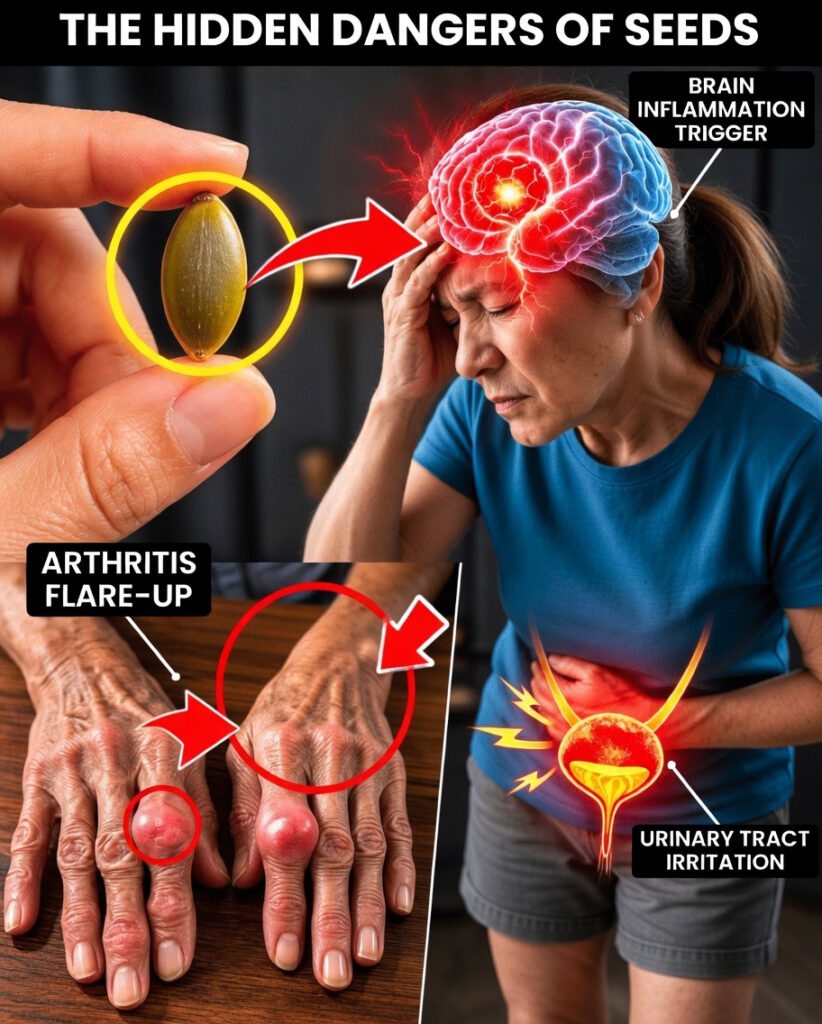
A Simple Daily Habit That May Support Brain, Joint, and Urinary Health
It is easy to overlook the small frustrations that build up day after day. Maybe your thinking feels a little cloudy during work, reading, or conversation. Maybe your hands feel stiff enough that everyday tasks like fastening buttons or opening containers become annoying. Or perhaps frequent bathroom trips are interrupting your sleep and draining your energy.
These changes may seem minor at first, but over time they can affect comfort, confidence, and overall quality of life. The encouraging part is that one small dietary habit may offer gentle support in several of these areas: eating pumpkin seeds regularly.
What makes this especially interesting is that pumpkin seeds contain nutrients researchers have linked to cognitive health, joint comfort, and urinary function. Even better, they are easy to add to your routine without changing your lifestyle dramatically.
Why Pumpkin Seeds Are So Nutrient-Dense
Pumpkin seeds, also known as pepitas when removed from the shell, are much more than a crunchy snack. A small serving of about one ounce, or 28 grams, provides a strong nutritional profile that includes:
- Magnesium
- Zinc
- Plant protein
- Healthy fats
- Antioxidants
These nutrients help support many normal body functions every day. One reason pumpkin seeds stand out is their nutrient concentration. Even a modest handful delivers a meaningful amount of magnesium, while zinc and naturally occurring phytosterols add even more potential value.
In other words, they pack a lot of nutrition into a very small serving.
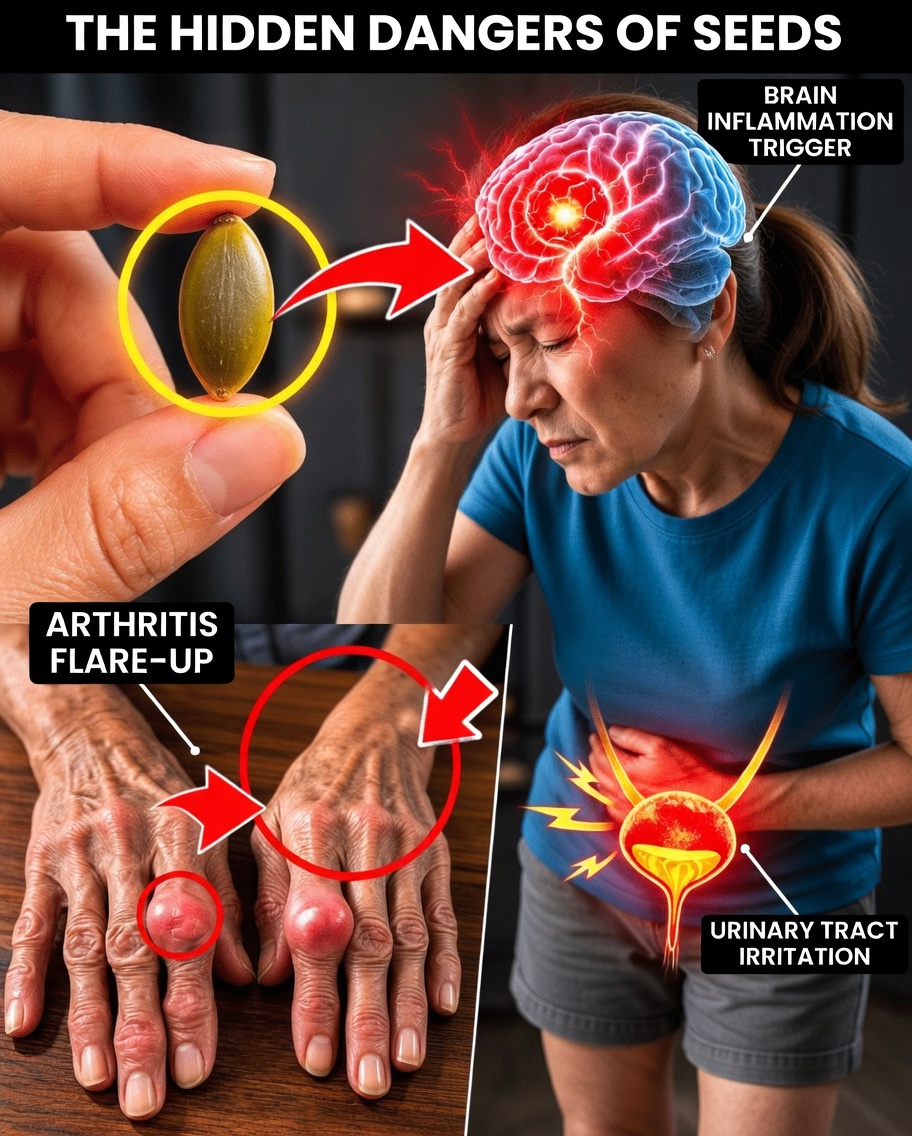
How Pumpkin Seeds May Help Support Mental Clarity
Feeling mentally alert affects everything from memory to concentration to mood. Pumpkin seeds contain magnesium, which plays an important role in nerve signaling and relaxation, and zinc, which helps support normal cognitive function. They also provide antioxidants that help defend cells against oxidative stress from daily life.
Research has suggested that higher magnesium intake is associated with better sleep and more balanced mood. Since both of those factors can strongly influence daytime focus, foods rich in magnesium may indirectly help you feel clearer and more refreshed.
Some reviews examining nutrient intake have also noted links between magnesium and aspects of cognitive wellness, especially in adults looking to maintain brain health as they age. Pumpkin seeds offer a simple way to increase magnesium intake without relying on complicated meal plans or supplements.
Many people find that when they consistently include magnesium-rich foods in their diet, they feel better rested, and better rest often leads to sharper thinking.
Pumpkin Seeds and Everyday Joint Comfort
When your hands feel tight, swollen, or uncomfortable, even simple activities can become tiring. Cooking, texting, writing, or carrying objects may suddenly require more effort than they used to.
Pumpkin seeds may offer support here as well. Their magnesium content contributes to muscle relaxation, while their healthy fats and antioxidants may help support a balanced inflammatory response in the body.
Studies on magnesium have explored its role in easing muscle tension and supporting normal physical comfort. Research on nutrient-rich eating patterns has also found connections between better overall diet quality and improved joint mobility over time, especially when paired with regular movement.
The effect is usually not dramatic or immediate. Instead, it may show up as a subtle improvement in how your hands and joints feel during daily tasks. Sometimes that small difference is enough to make routines feel easier and less frustrating.
Why Pumpkin Seeds Are Often Used for Urinary Wellness
Frequent nighttime urination can affect sleep quality, mood, and energy the next day. For many men, this concern becomes more common with age. Pumpkin seeds have a long history of use for supporting prostate and bladder comfort, largely because of their zinc content and beneficial plant compounds.
A large randomized study involving more than 1,400 men with common urinary issues reported that daily pumpkin seed use improved symptom scores more than a placebo after 12 months. Other studies on pumpkin seed oil have also found supportive effects related to urinary flow and overall quality of life, with fewer side effects reported than some standard treatment comparisons.
Women may benefit too. Research involving overactive bladder has noted improvements in urinary patterns for both men and women when pumpkin seed extracts were used. The likely reason is the seed’s combination of nutrients that support lower urinary tract function.
So while pumpkin seeds are often discussed in relation to prostate health, their benefits may extend more broadly to bladder comfort and nighttime routine.
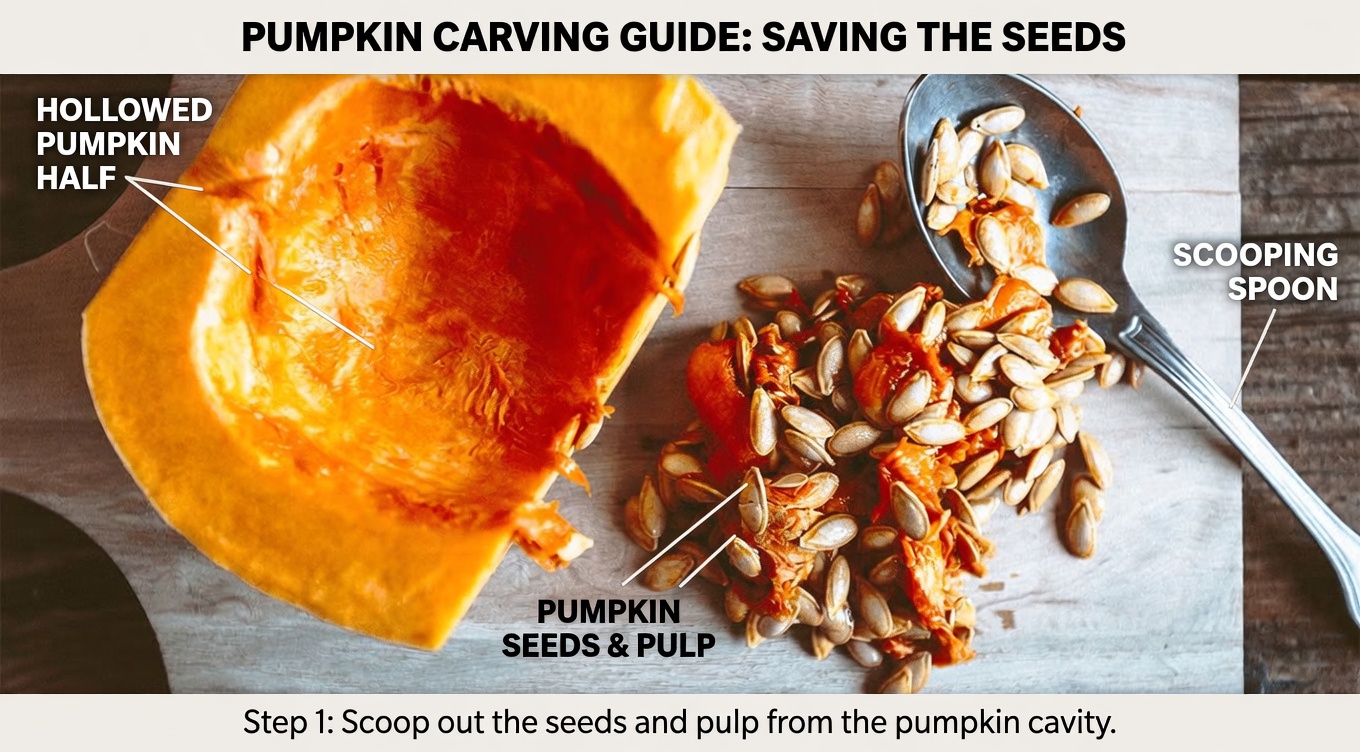
Easy Ways to Start Eating Pumpkin Seeds Every Day
Building this habit does not require special recipes or extra time. You can make it simple from the beginning.
Step-by-Step Routine
- Start with one ounce per day, or about a small handful.
- Choose raw or lightly roasted unsalted seeds to retain more nutrients and avoid excess sodium.
- Add them to foods you already eat, such as oatmeal, yogurt, cereal, or salads.
- Store them properly in an airtight container in a cool, dry place.
- Drink water with them as part of a balanced routine to support overall mineral intake.
This takes less than a minute and can be as easy to remember as any other daily habit.
Five Simple Ideas to Keep It Interesting
If you want more variety, here are a few easy ways to enjoy pumpkin seeds throughout the week:
- Add a handful to your morning smoothie for extra texture and staying power.
- Combine them with dried fruit and nuts for a quick trail mix.
- Sprinkle them over roasted vegetables or grain bowls at dinner.
- Blend them into homemade energy bites with oats and dates.
- Use them as a topping for soups, salads, or avocado toast.
Rotating these ideas can help prevent the habit from feeling repetitive.
What Current Research Suggests
The interest in pumpkin seeds is not based on tradition alone. Several studies and reviews have explored their health-supporting potential.
Research has highlighted:
- Magnesium for support related to sleep, mood, heart rhythm, and blood pressure
- Zinc for normal immune and cognitive function
- Anti-inflammatory dietary patterns that may help maintain joint comfort
- Magnesium intake and brain health, particularly in older adults
- Pumpkin seed use for urinary symptoms, especially in long-term daily intake
One of the biggest advantages is that pumpkin seeds are not expensive, hard to find, or seasonal. They are widely available year-round and easy to store.
Common Questions About Eating Pumpkin Seeds Daily
How much should I eat each day?
A daily serving of about one ounce (28 grams) is commonly used and offers a strong balance of nutrients without adding too many calories.
Are pumpkin seeds safe for everyone?
They are generally well tolerated. However:
- People with seed allergies should speak with a healthcare professional first.
- Those taking blood-thinning medication may want to review their diet with their doctor because of vitamin K and other dietary factors.
Can women benefit from pumpkin seeds too?
Yes. Although pumpkin seeds are often discussed for men’s prostate support, women may also benefit from their potential effects on bladder comfort, sleep support, and nutrient intake.

The Takeaway: Small Seed, Meaningful Benefits
Eating a handful of pumpkin seeds each day is a simple habit that may help support mental clarity, joint comfort, and urinary wellness. Their combination of magnesium, zinc, healthy fats, and antioxidants makes them a smart, practical addition to many diets.
This is the kind of change that does not feel dramatic at first, but over time it may contribute to better daily comfort and energy. Starting is easy: just add one small handful to your day and pay attention to how you feel after a few weeks.
Disclaimer
This article is for informational purposes only and should not be considered medical advice. Always consult a qualified healthcare professional before making major dietary changes, especially if you have a medical condition or take prescription medications. Individual results may vary.