6 Traditional Herbs That May Help Support Healthy Leg Circulation
Many adults experience a heavy, fatigued feeling in their legs after spending hours sitting at a desk or standing through a long workday. As time goes on, everyday activities such as preparing dinner or walking outside can start to feel more draining, and mild ankle swelling may show up more often. In many cases, these changes are related to the way blood travels upward through the veins, especially as aging and daily routines begin to affect circulation.
The good news is that time-tested, gentle herbal traditions may provide simple daily support using ingredients that are often easy to keep at home.
In this guide, you will discover six herbs that are frequently highlighted in both traditional wellness systems and modern research conversations, along with easy ways to use them safely.
Why Leg Circulation Often Becomes More Difficult With Age
Your veins work like one-way pathways, carrying blood back to the heart while constantly pushing against gravity. Small internal valves help move blood in the right direction and reduce backward flow. Over the years, several common factors can place more strain on this process, including:
- Long periods of sitting
- Less physical activity
- Natural changes in vein elasticity
- Daily routines that limit movement
When blood begins to collect more easily in the lower legs, you may notice heaviness, tightness, or fatigue, especially later in the day.
Still, these shifts do not have to control how your legs feel. Small supportive habits, including the use of certain herbs, may help improve everyday comfort. That is where the following six plants become especially relevant.
Traditional Herbs Commonly Associated With Circulatory Support
For generations, cultures around the world have relied on specific herbs to help maintain healthy blood flow and support vein comfort. Today, researchers continue studying their natural compounds and how they may gently benefit the vascular system.
These herbs should be viewed as supportive wellness tools, not medical treatments. They are most useful when combined with healthy lifestyle habits.
Overview of 6 Popular Herbs for Circulation
-
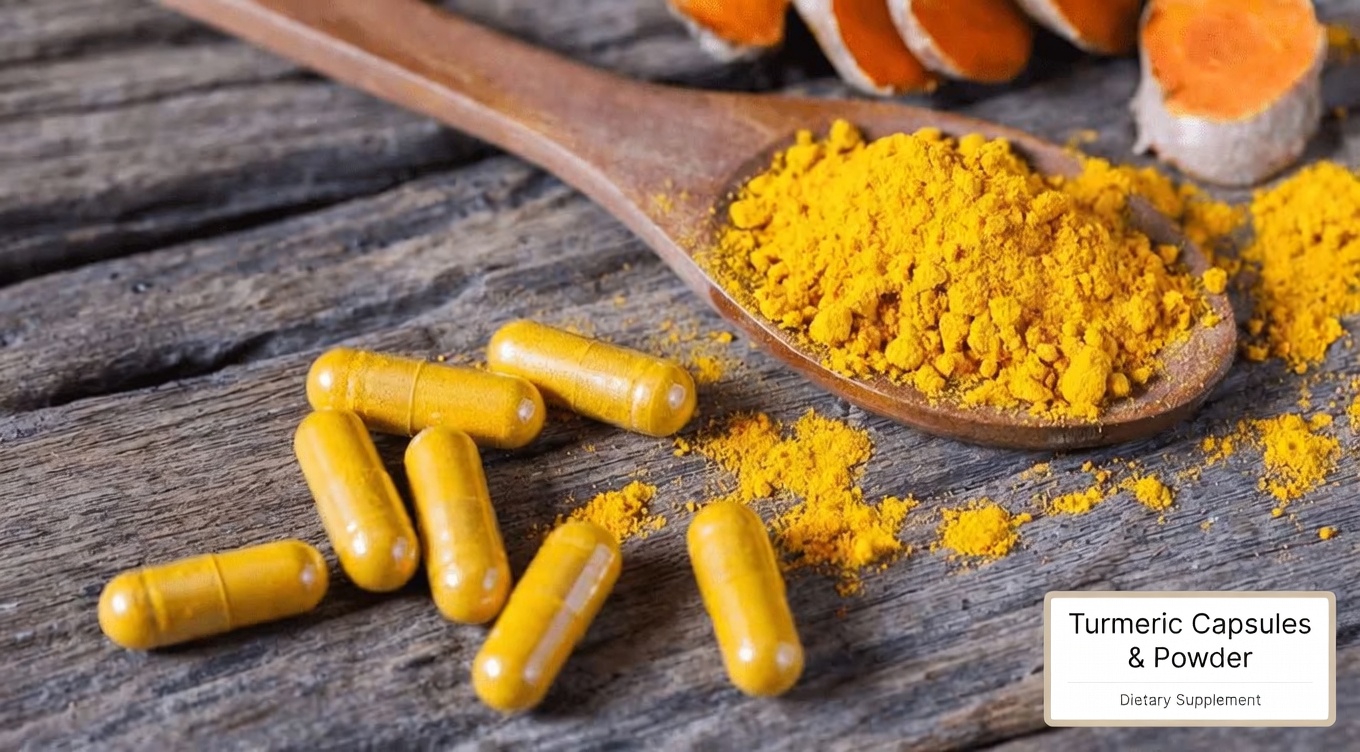
Turmeric
- Key compound: Curcumin
- Traditionally valued for helping maintain a healthy inflammatory balance in blood vessels
-
Ginger
- Key compounds: Gingerols
- Often used to promote warmth and support circulation in the hands and feet
-
Garlic
- Key compounds: Sulfur compounds
- Commonly associated with supporting overall blood flow balance
-
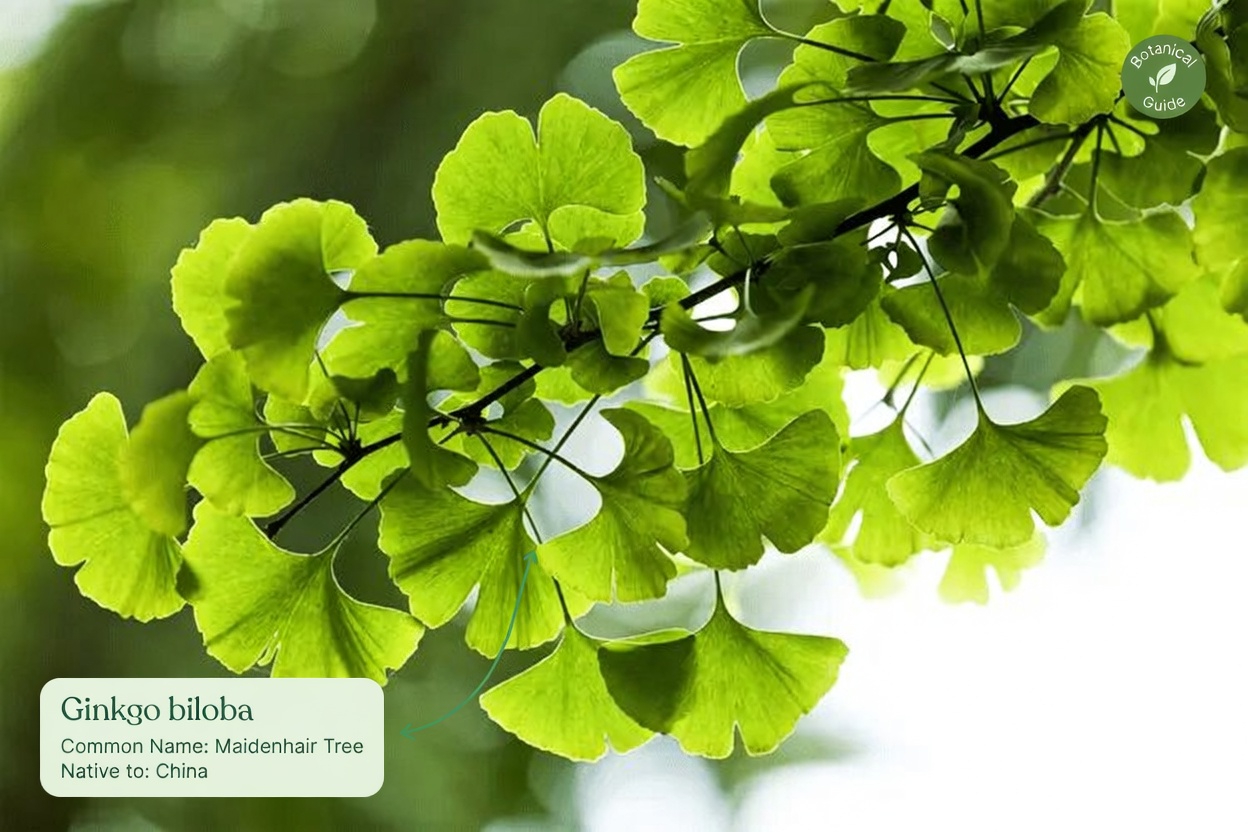
Ginkgo biloba
- Key compounds: Flavonoids
- Traditionally linked to supporting circulation to the legs and extremities
-
Horse chestnut
- Key compound: Escin
- Often used to help maintain healthy vein tone and leg comfort
-
Gotu kola
- Key compounds: Triterpenes
- Respected in traditional practices for supporting connective tissue around veins
Research into these herbs is still evolving, but many people find their greatest value when they are paired with movement, hydration, and other supportive daily habits.
6 Ways These Herbs May Support Circulatory Wellness
Below are the most commonly discussed benefits linked to these herbs, along with practical context for daily life.
1. They May Help Legs Feel Less Heavy at the End of the Day
That dragging, weighted sensation in the legs often happens when fluid settles in the lower limbs. Horse chestnut and gotu kola are widely used in traditional practices for supporting vein tone. Early research suggests that escin, the active compound in horse chestnut, may help support healthy vessel elasticity.
People who use these herbs regularly as part of a broader routine often say their legs feel lighter and more comfortable by evening.
2. They May Support Healthy Blood Flow
A warm tea made with ginger and turmeric can be an easy daily ritual. One retiree, James, age 63, began drinking this combination after lunch and noticed that standing up felt less stiff after a few weeks. Gingerols and curcumin are often discussed for their potential role in supporting peripheral circulation.
This pairing also creates a soothing drink that fits naturally into a midday wellness routine.
3. They May Help Ease Mild Daily Swelling
If you often see sock marks around your ankles at night, you are not alone. In traditional use, horse chestnut is one of the herbs most often linked to venous support and comfort when mild fluid retention is present. Studies suggest escin may help support the strength and resilience of vascular walls.
Results vary from person to person, but many find the effect more noticeable when herbal support is combined with simple practices like elevating the legs.
4. They May Help Support Blood Vessel Function
Inside your blood vessels is a delicate lining known as the endothelium, which plays a major role in how vessels relax and maintain healthy flow. Turmeric and garlic are frequently studied for their antioxidant properties. Curcumin and garlic’s sulfur compounds may help protect this lining from everyday oxidative stress.
You can think of these herbs as gentle support for keeping blood vessels functioning smoothly.
5. They May Encourage Easier Daily Movement
Susan, a 58-year-old office worker, began adding garlic and ginger to her meals on a regular basis. After several weeks, she felt that her evening walks were easier and more pleasant. Better circulation and better movement often reinforce each other. While herbs are not a substitute for exercise, they may help create a more comfortable base for staying active.
6. They Can Promote a Preventive Wellness Routine
One of the biggest benefits may come from the habit itself. Preparing an herbal infusion each day can serve as a reminder to slow down, hydrate, and pay attention to your body. That small ritual often encourages other healthy choices, such as taking short walks, stretching more often, or resting with your legs elevated.
Over time, those simple patterns may have a greater impact on how your legs feel than any one ingredient alone.
A Simple Herbal Routine Many People Start With
Keeping things simple is often the best approach. A beginner-friendly combination is turmeric and ginger, since both are widely available and generally easy to tolerate.
Basic Daily Herbal Preparation
- 1 teaspoon turmeric powder
- 2 to 3 thin slices of fresh ginger root
- Optional: 1 crushed garlic clove
- 1 liter of water
How to Prepare It
- Add the ingredients to water.
- Simmer gently for about 10 minutes.
- Let the mixture steep for another 5 minutes.
- Strain before drinking.
Many people enjoy:
- 1 warm cup in the mid-morning
- 1 warm cup in the late afternoon
For better curcumin absorption, a small pinch of black pepper can be added.
Safety Tips for Using Herbs for Circulation
Herbal support should always be used carefully, especially if you take medications or manage existing health conditions.
Practical Guidelines
- Start with one herb at a time for several days to observe how your body responds
- Speak with a healthcare provider if you take blood-thinning medication, since some herbs may affect clotting
- Buy from reputable, high-quality sources to ensure purity
- Drink enough water throughout the day, because hydration naturally supports circulation
- Use herbs alongside movement and healthy habits rather than depending on them alone
A short trial of about 7 to 14 days is often enough for many people to assess how they feel without overdoing it.
Daily Habits That Matter Just as Much as Herbs
While herbs can offer helpful plant compounds, lifestyle choices remain the strongest foundation for healthy leg circulation.
Daily Actions to Prioritize
- Walk for 20 to 30 minutes a day, even if broken into shorter sessions
- Raise your legs above heart level for 10 to 15 minutes during rest
- Drink plenty of plain water between herbal cups
- If you sit for work, stand up and stretch at least once every hour
- Keep up with regular health check-ups to monitor vascular wellness
When these habits are combined with herbal support, the overall effect often feels stronger than relying on any single change by itself.
Conclusion
Supporting healthy circulation in your legs does not have to be complicated. Turmeric, ginger, garlic, ginkgo biloba, horse chestnut, and gotu kola are six traditional herbs often valued for their gentle, plant-based support. While they are not a replacement for medical care, they may help promote comfort, lighter-feeling legs, and better daily mobility when used thoughtfully.
The most effective approach is usually a balanced one: combine herbs with regular walking, hydration, leg elevation, and consistent movement throughout the day. Small steps practiced regularly can make a meaningful difference over time.
For many people, better leg comfort begins not with a dramatic change, but with a simple daily routine.