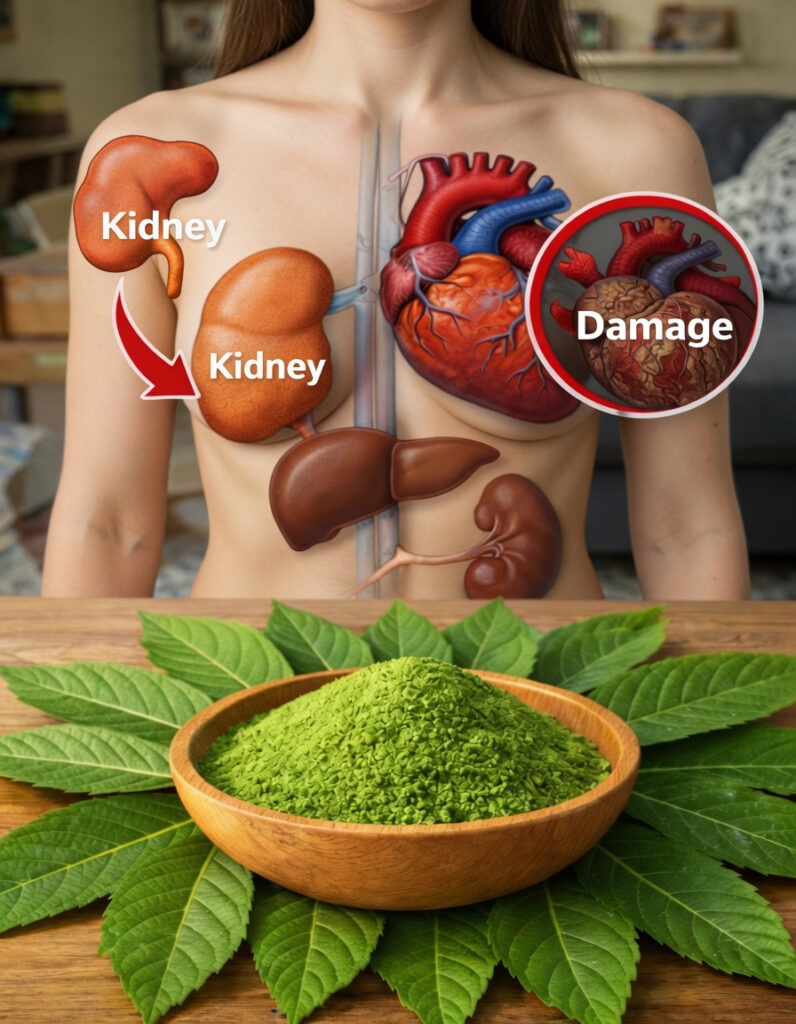
Neem Leaf Powder: A Traditional Herb for Everyday Wellness Support
Modern adult life often comes with long schedules, ongoing stress, and the natural effects of aging. Over time, many people notice lower energy, occasional stiffness, or a harder time staying active and comfortable throughout the day. These everyday changes can be a reminder that supporting the body’s natural systems matters, especially when it comes to circulation, internal balance, and overall vitality. This is one reason neem leaves, a respected herb in traditional wellness systems, continue to attract attention from people seeking simple, natural ways to support daily health. Even more interesting, there is a practical and approachable way to use neem leaf powder safely in ordinary routines, and we’ll get to that shortly.
What Are Neem Leaves?
Neem leaves are harvested from the Azadirachta indica tree, a resilient evergreen that grows mainly in India and other parts of Southeast Asia. For generations, the leaves have been used either fresh or dried and ground into a fine green powder for teas, pastes, and other traditional preparations. Neem is known for its naturally bitter flavor and vivid green appearance, which comes from plant compounds including nimbin and quercetin.
Because of its broad traditional use, neem holds an important place in Ayurvedic wellness practices. Today, organic neem leaf powder is widely available in health food stores and through online retailers, usually sold as a concentrated version of the same nutrient-rich leaves often seen in herbal wellness imagery.
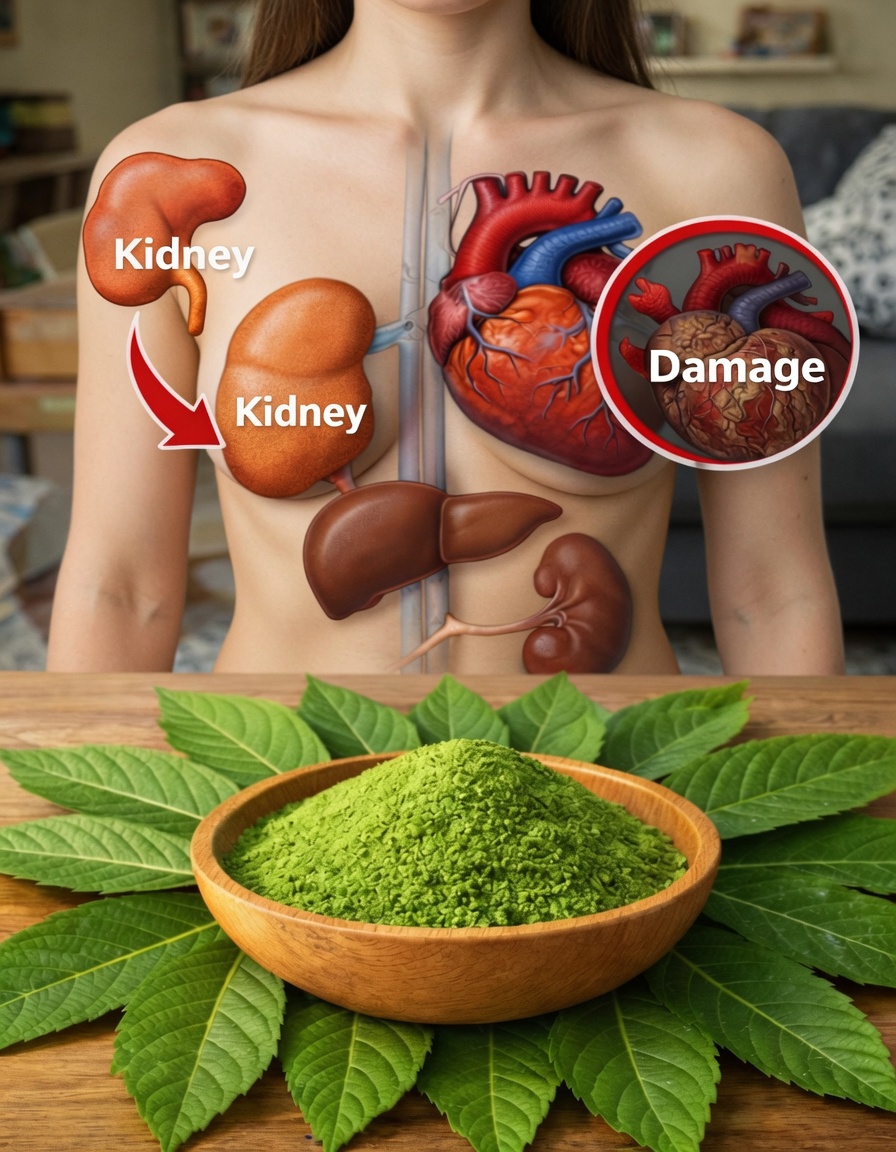
How Kidney Function, Circulation, and Heart Health Connect
The kidneys perform essential work every day behind the scenes. They help filter waste, maintain fluid balance, and support healthy blood pressure regulation. When kidney function is well supported, circulation can work more efficiently, which may reduce strain on the heart and blood vessels. These systems are deeply connected, and even small imbalances can influence how comfortable, steady, and energized you feel.
That is why many wellness-minded individuals pay attention to herbs traditionally associated with gentle support for these natural body functions. Neem leaves have become especially interesting in this context because their antioxidant compounds have been studied in early research related to oxidative balance in kidney and cardiovascular tissues.
What Current Research Says About Neem Leaves
Scientific interest in neem has grown steadily over the years. Reviews published in journals such as Evidence-Based Complementary and Alternative Medicine and studies indexed in PubMed point to several notable areas of research.
Some of the most discussed findings include:
- Antioxidant activity that may help the body respond to everyday oxidative stress
- Anti-inflammatory plant compounds examined for their role in comfort and mobility
- Early research on metabolic support, including possible interactions with blood sugar and lipid pathways in animal studies and small human trials
- Traditional and laboratory interest in circulation-supportive effects related to blood vessel function
- Potential gentle support for liver and kidney tissues in controlled research settings
A 2021 review also highlighted neem’s influence on certain enzymes and signaling pathways in laboratory models. Earlier studies from the 2000s documented how widely neem has been used across traditional systems in different cultures. These observations come from recognized institutions, including the National Institutes of Health and university-based research teams, making the discussion more grounded in evidence than trend-driven claims.
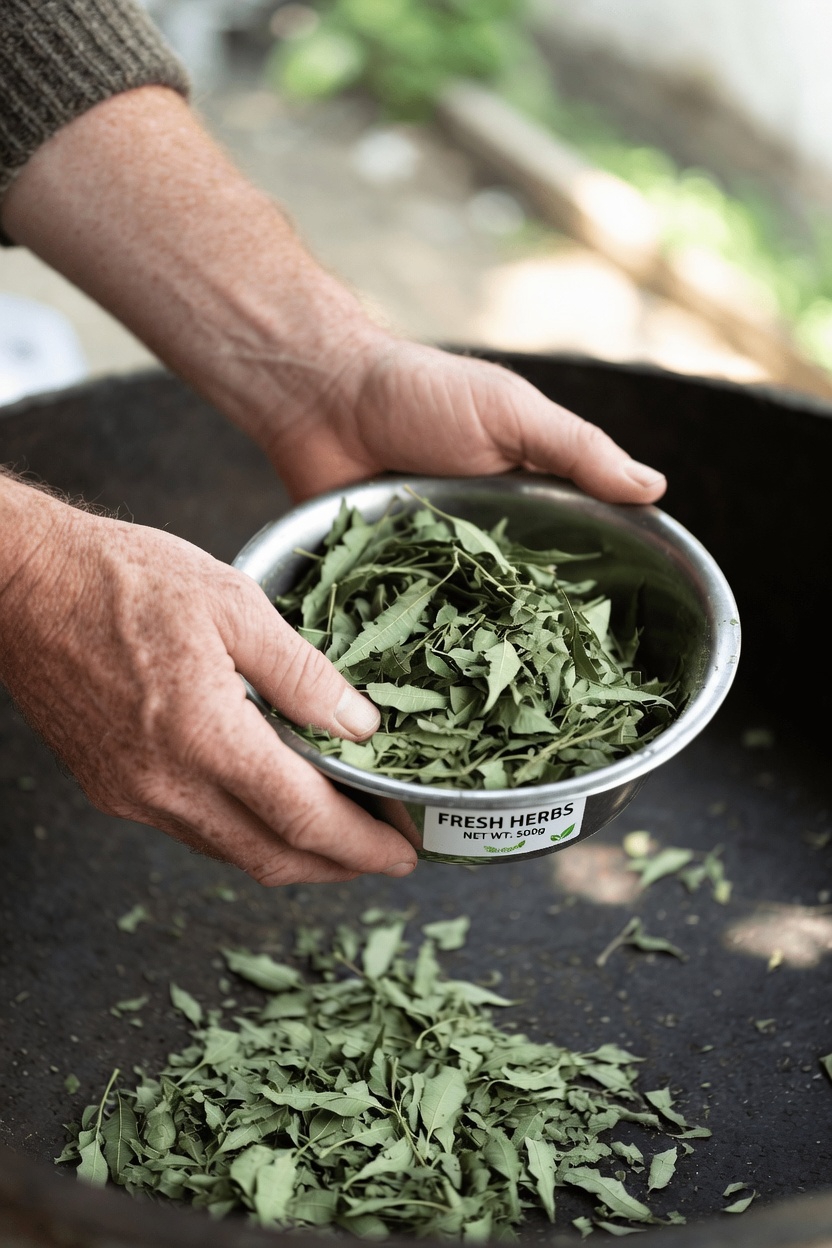
Easy Ways to Use Neem Leaf Powder at Home
One of the appealing things about neem leaf powder is that it can be added to a routine without much effort. The smartest approach is to begin with a small amount and pay attention to how your body responds.
Here is a simple way to get started:
- Choose an organic neem leaf powder from a trusted and reputable brand.
- Start with just 1/4 to 1/2 teaspoon per day.
- Mix it into warm water or herbal tea rather than boiling liquid.
- Stir thoroughly and let it sit for about 5 to 10 minutes.
- Add lemon or a little honey if the bitterness feels too strong.
- Take it in the morning, either on an empty stomach or with a light meal, depending on what feels most comfortable.
- Notice how you feel over the next 1 to 2 weeks, and reduce or stop use if anything does not feel right.
You can also try neem in small recipe-friendly amounts, such as:
- Blending a pinch into a smoothie with banana and ginger to soften the bitter taste
- Sprinkling a tiny amount into salads or vegetable soups
- Mixing it into yogurt with fresh mint for a refreshing snack
- Steeping it as a rinse for external skin or scalp use only
Safety Considerations Before Using Neem Leaf Powder
Although neem has a long history of traditional use, it is not suitable for everyone. Sources such as WebMD and Healthline note that moderate, short-term use is generally considered well tolerated for many healthy adults. However, larger quantities or prolonged daily intake may influence blood sugar levels or create added stress for the kidneys and liver in more sensitive individuals.
If you use medication for blood sugar, blood pressure, or any long-term medical condition, it is important to speak with your healthcare provider before trying neem. The same caution applies if you are pregnant, breastfeeding, or have young children at home. It is also essential to buy neem products only from reliable brands and to avoid taking more than the recommended starting amount. A careful approach helps keep neem use aligned with safe, balanced wellness habits.
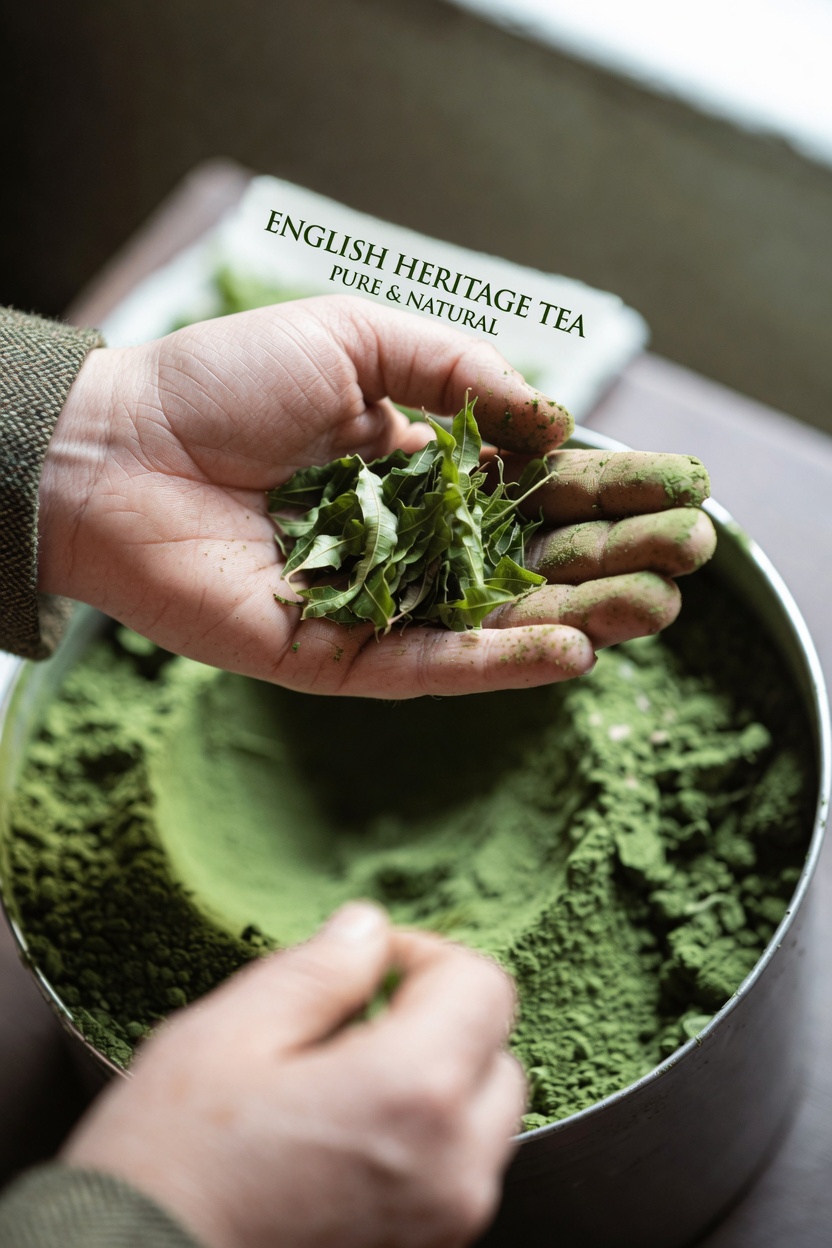
Why Neem Leaf Powder Appeals to So Many Wellness Enthusiasts
Neem leaf powder is a strong example of how an ancient botanical remedy can still fit into modern wellness routines. Its deep roots in traditional practice, combined with the antioxidant compounds that continue to attract scientific interest, help explain why more people are exploring it as a daily herbal addition. That bright green powder represents far more than appearance alone. It reflects centuries of plant knowledge in a form that is simple to try today.
The real value of neem is not about expecting dramatic overnight results. Instead, it is about steady, gentle support that can become part of a broader healthy lifestyle. Many people who use neem consistently describe a subtle sense of feeling more balanced after a few weeks, and that quiet improvement is often what makes it worth continuing.
FAQ
How much neem leaf powder is usually considered safe per day?
Many sources recommend beginning with 1/4 to 1/2 teaspoon daily and avoiding more than 1 to 2 grams per day unless advised by a qualified professional. Always monitor your body’s response and seek personalized guidance from a healthcare provider.
Does neem leaf powder taste very bitter?
Yes, neem has a distinctly bitter taste, which is common among many traditional herbs. To make it easier to enjoy, you can combine it with lemon, ginger, honey, or mix it into a smoothie. Starting with a very small amount can also help your palate adjust over time.
Can neem leaf powder be used alongside a healthy diet and exercise plan?
Yes. Many people use neem as a complementary habit while already following balanced nutrition and regular physical activity. It is generally best viewed as one part of an overall wellness routine rather than a standalone solution. As always, check with your doctor to be sure it suits your personal health needs.
Disclaimer
This article is intended for educational and informational purposes only. It should not be taken as medical advice, diagnosis, or treatment. The statements in this article have not been evaluated by the Food and Drug Administration. Always consult a licensed healthcare professional before adding any herb, powder, or supplement to your routine, especially if you have a medical condition, take prescription medications, or are pregnant. Individual responses may differ.