

How to Make Oatmeal a Better Breakfast
Oatmeal is often seen as one of the healthiest ways to begin the day. It is rich in fiber, filling, and widely recommended for people who want a balanced breakfast. But even this nutritious staple can fall short if it is chosen, cooked, or topped the wrong way. Small habits may reduce its benefits, leave you hungry too soon, or add more sugar than you expected.
The upside is that these problems are easy to fix. With a few simple changes, your morning oats can become far more satisfying, nourishing, and supportive of steady energy.
Why Oatmeal Is Still a Great Morning Meal
Oats deserve their healthy reputation. They contain beta-glucan, a type of soluble fiber linked to supporting healthy cholesterol levels when included in an overall balanced diet. They also provide complex carbohydrates, which can help deliver more lasting energy than many sugary breakfast foods.
Because oatmeal can be both comforting and practical, it remains a smart choice for busy mornings. Still, the final result depends heavily on the kind of oats you buy and how you prepare them.
Mistake 1: Choosing Instant or Flavored Oatmeal Packets
Convenient single-serve packets may save time, but they are not always the best option. Many flavored versions include added sugar, artificial flavorings, and preservatives, which can take away from oatmeal’s natural nutritional advantages.
More processed oats may also lead to a quicker rise in blood sugar compared with less refined varieties. That means you could feel hungry again much sooner.
A better approach is to use plain rolled oats or steel-cut oats, which usually retain more texture and nutritional value.
Quick oat comparison
- Instant oatmeal packets: Fast and easy, but often higher in added sugar and lower in intact fiber
- Rolled oats: A good middle ground with convenience, texture, and solid nutrient retention
- Steel-cut oats: Less processed, chewier, and slower to digest for longer-lasting fullness
Mistake 2: Adding Too Much Sugar
Many people turn a healthy bowl of oatmeal into a dessert-like breakfast without realizing it. Honey, maple syrup, brown sugar, and sweetened dried fruit can quickly raise the sugar content and lead to a short-lived energy boost followed by a crash.
Health experts often recommend limiting added sugars, and oatmeal is no exception. If your toppings are overly sweet, they can work against the filling effect of the fiber in oats.
Better ways to add sweetness naturally
- Fresh berries or sliced apples for natural sweetness and extra fiber
- Cinnamon or pure vanilla extract for flavor without extra sugar
- Chopped dates or a few raisins for sweetness plus some nutrients
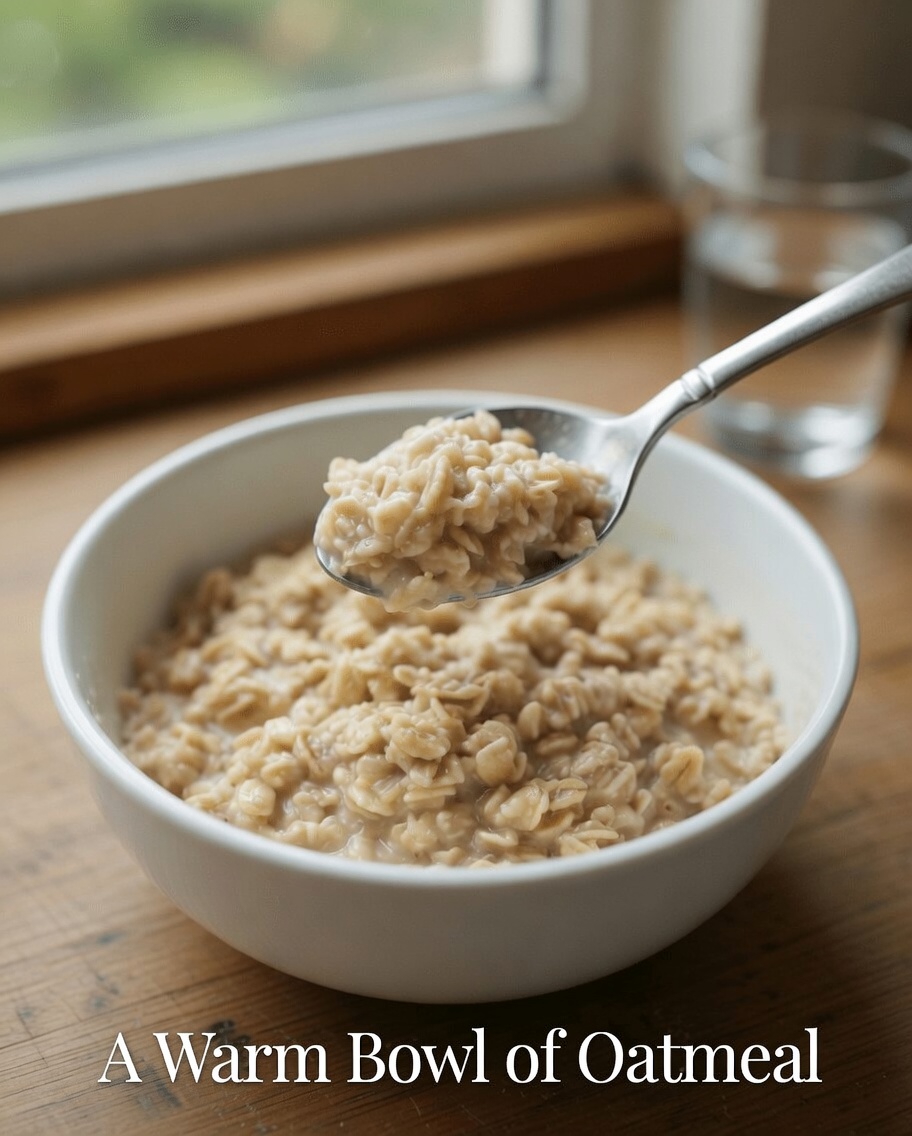
Mistake 3: Eating Oatmeal Without Protein or Healthy Fats
On its own, oatmeal is mostly a carbohydrate-based meal. That is one reason plain oats may not keep you full until lunch. If you often feel hungry by mid-morning, this is likely the issue.
Adding protein and healthy fats can slow digestion and help maintain more stable energy levels. It also makes your breakfast feel more complete and satisfying.
Easy additions for a more balanced bowl
- Stir in plain Greek yogurt or a scoop of protein powder
- Add almond butter, peanut butter, or chopped walnuts
- Sprinkle in chia seeds, ground flaxseed, or pumpkin seeds
Mistake 4: Using the Wrong Liquid or Guessing the Ratio
A lot of people cook oatmeal with water by default. While that works, it can produce a bowl that tastes flat and feels less creamy. Others pour in liquid without measuring and end up with oats that are too runny or too thick.
Using milk or an unsweetened plant-based milk can improve both flavor and texture while adding a little protein. It also helps to follow the package instructions so the oats cook properly.
When the ratio is right, oatmeal becomes much more enjoyable and easier to eat consistently.
Mistake 5: Overlooking Portion Size
Even healthy foods can become less balanced if portion sizes grow too much. Oatmeal expands significantly when cooked, so a little dry oats goes a long way.
A typical serving is about 1/2 cup of dry oats, which usually makes a satisfying breakfast once toppings are added. Keeping portions reasonable can help you stay aligned with your nutrition goals without accidentally taking in too many calories or carbohydrates.
Mistake 6: Leaving Out Salt
This may seem minor, but it has a surprisingly big effect. A small pinch of salt while cooking brings out the natural nutty flavor of oats and makes the whole bowl taste better.
Used in moderation, it does not add much sodium, but it can make plain oatmeal far more flavorful. It is a simple cooking trick that costs nothing and instantly improves the result.
Mistake 7: Overcooking Your Oats
Cooking oatmeal too aggressively can ruin the texture. Boiling it hard on the stove or microwaving it at high power for too long can break it down more than necessary.
A gentler cooking method helps preserve texture and may better protect the oat fiber. Slow simmering usually creates the ideal consistency: creamy, but not mushy.
A simple way to cook oatmeal well
- Bring your liquid to a gentle simmer.
- Add the oats and a pinch of salt.
- Turn the heat low and cook according to the package directions.
- Stir occasionally as it cooks.
- Let it sit for 2 to 3 minutes after removing from the heat so it thickens naturally.
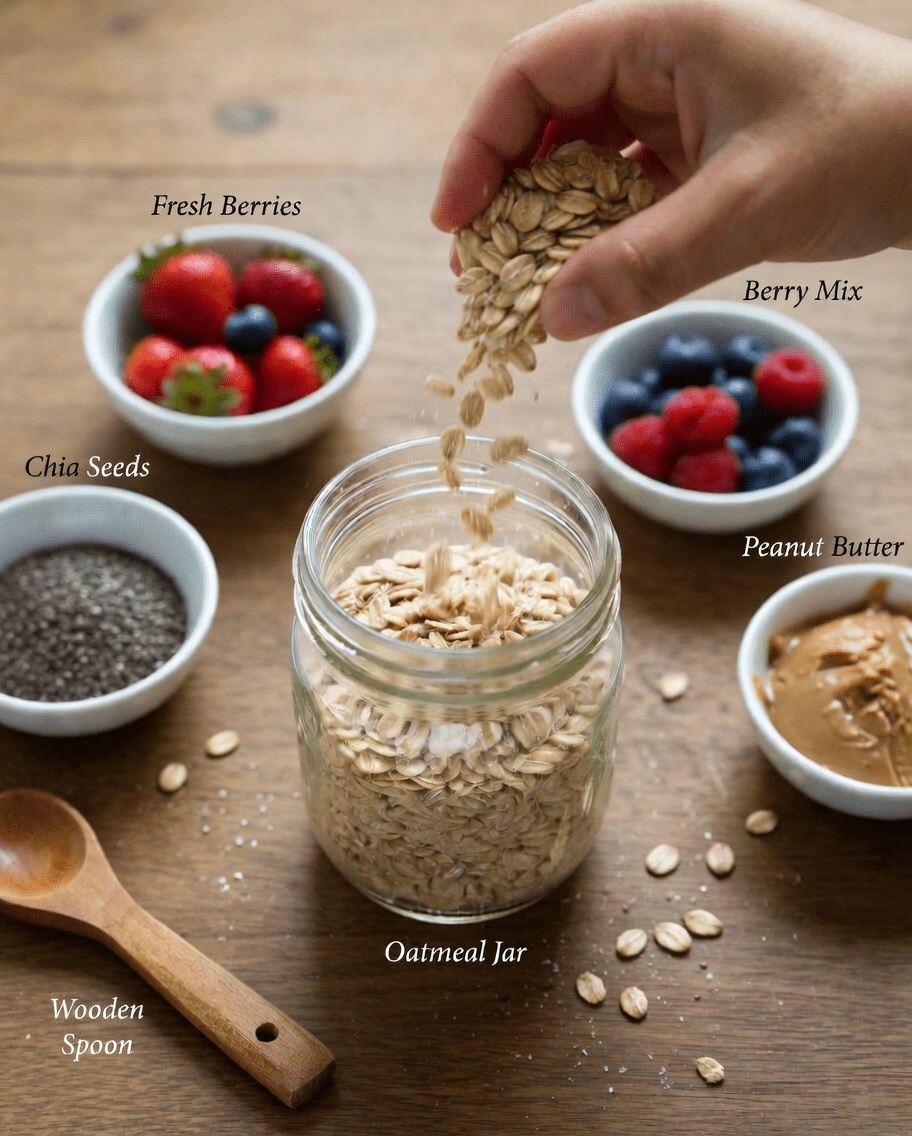
The Best Preparation Method for Even More Benefits
One of the easiest ways to upgrade your breakfast is to make overnight oats. Combine rolled oats with milk or yogurt and add a tablespoon of chia seeds in a jar or container. Leave it in the refrigerator overnight, and breakfast is ready by morning.
This no-cook method is convenient, portable, and great for busy schedules. It also allows the flavors to blend naturally while keeping the oats pleasantly textured. Before eating, top it with fresh fruit and nuts for a more balanced meal.
Practical Tips to Improve Your Oatmeal This Week
If you want to get more from your breakfast, start with these simple habits:
- Buy plain rolled oats or steel-cut oats instead of flavored packets
- Prepare a few jars of overnight oats ahead of time for busy mornings
- Keep nuts and seeds nearby for easy topping options
- Pay attention to how you feel after breakfast and notice whether your energy becomes more stable
- Try a new topping combination each week to keep oatmeal interesting and nutritious
Small adjustments can make a noticeable difference in how full, focused, and energized you feel.
Conclusion
Oatmeal can absolutely be one of the best breakfast choices you make, but only if you prepare it thoughtfully. By avoiding these common mistakes, you can turn a basic bowl of oats into a more balanced, flavorful, and satisfying meal.
You do not need to change everything at once. Start with one or two improvements, such as switching to less processed oats, reducing added sugar, or including protein and healthy fats. Those simple steps can help your breakfast support your day much better.
Frequently Asked Questions
Is instant oatmeal unhealthy?
Not always. Plain instant oatmeal can still be a reasonable option, especially when you are short on time. The bigger issue is with flavored packets, which often contain added sugars and other ingredients that make them less ideal than plain rolled or steel-cut oats.
What is the healthiest way to sweeten oatmeal?
The best options are usually fresh fruit, cinnamon, vanilla extract, or small amounts of naturally sweet foods like dates. These choices add flavor without relying too heavily on refined sugar.
Why does oatmeal not keep me full?
This usually happens when the meal lacks protein and healthy fats. Oats alone are mostly carbohydrates, so adding ingredients like Greek yogurt, nut butter, seeds, or nuts can improve fullness and keep your energy steadier.
Are overnight oats healthier than cooked oats?
Both can be healthy. Overnight oats are mainly a convenient alternative that can help preserve texture and make breakfast easier to prepare in advance. The healthiest choice depends more on your ingredients and portion size than on whether the oats are cooked or soaked.
How much oatmeal should I eat for breakfast?
A common serving is about 1/2 cup of dry oats. Once cooked and topped with nutritious additions, this is often enough for a filling and balanced breakfast.