Healthy Aging Lessons From María Branyas Morera, the 117-Year-Old Woman Whose Cells Tested Much Younger
As the years pass, many people begin to feel their bodies change in frustrating ways. Energy may drop, recovery can take more time, and concerns about long-term independence often become more real. With so many news stories linking aging to pain, exhaustion, and declining health, it is understandable to feel discouraged.
Yet new scientific research on María Branyas Morera—the woman who lived to 117—offers something more hopeful. Her case gives us evidence-based insight into simple daily habits that may support healthier aging and help us feel more empowered in our routines.
Even more surprising, researchers found that her cells appeared to function as though they were around 17 years younger than her actual age. Her gut microbiome also looked unusually youthful, with patterns that resembled those seen in far younger people. So what helped make that possible? According to the research, three everyday habits stood out.
Who Was María Branyas Morera, and Why Is Her Story Important?
María Branyas Morera was born in 1907 and died in 2024 at the age of 117 years and 5 months. At the time, she was recognized as the world’s oldest verified living person. Because of her extraordinary longevity, scientists were able to study her genes, her cells, and the bacteria living in her digestive system while she was still alive.
The findings, published in peer-reviewed journals including Cell Reports Medicine, revealed something remarkable. Her biological age—the age reflected by how her body was functioning—was significantly younger than her chronological age. Rather than showing the level of decline typically expected at 117, her body displayed unusual resilience.
What makes this research especially meaningful is that it went beyond genetics alone. Scientists also connected her long-term lifestyle habits with measurable signs of healthier cellular aging and a well-balanced gut microbiome. For anyone wondering whether small daily choices truly matter, her story suggests that they very well might.
The Most Striking Scientific Findings
Researchers examined María’s epigenetic markers, which are biological signals that influence how genes are expressed. These tests showed that her cells were behaving much younger than expected. In one analysis, her biological age was estimated to be about 17 years below her real age. In practical terms, that means her body was functioning more like that of someone decades younger.
Another major discovery involved her gut microbiome, the vast community of bacteria living in the digestive tract. Scientists found that her microbiome had the characteristics of a much younger person and, in some respects, even resembled the bacterial profile seen in infants or children. It contained high levels of beneficial Bifidobacterium, a group of bacteria often associated with lower inflammation and better gut balance.
This matters because a healthy microbiome has long been linked to improved digestion, steadier energy, and greater comfort as people age. Importantly, these findings did not appear random. They closely matched three habits María had followed consistently for many years.
Habit 1: Following a Mediterranean-Style Diet, Especially With Daily Yogurt
María ate in a way that closely reflected the Mediterranean diet. Her meals included fresh vegetables, fruits, olive oil, nuts, and whole grains. One detail repeatedly highlighted in reports was her daily yogurt intake: she ate three servings every day.
That simple habit may have played a major role in supporting her unusually youthful gut microbiome.
Why this may help healthy aging
Yogurt contains live beneficial bacteria that can help maintain a diverse and balanced gut environment. Research suggests that regularly feeding the microbiome in this way may help support digestion and reduce inflammatory stress over time.
Easy ways to start
- Eat plain yogurt in the morning with berries and a small handful of nuts.
- Add yogurt to smoothies for a simple probiotic boost.
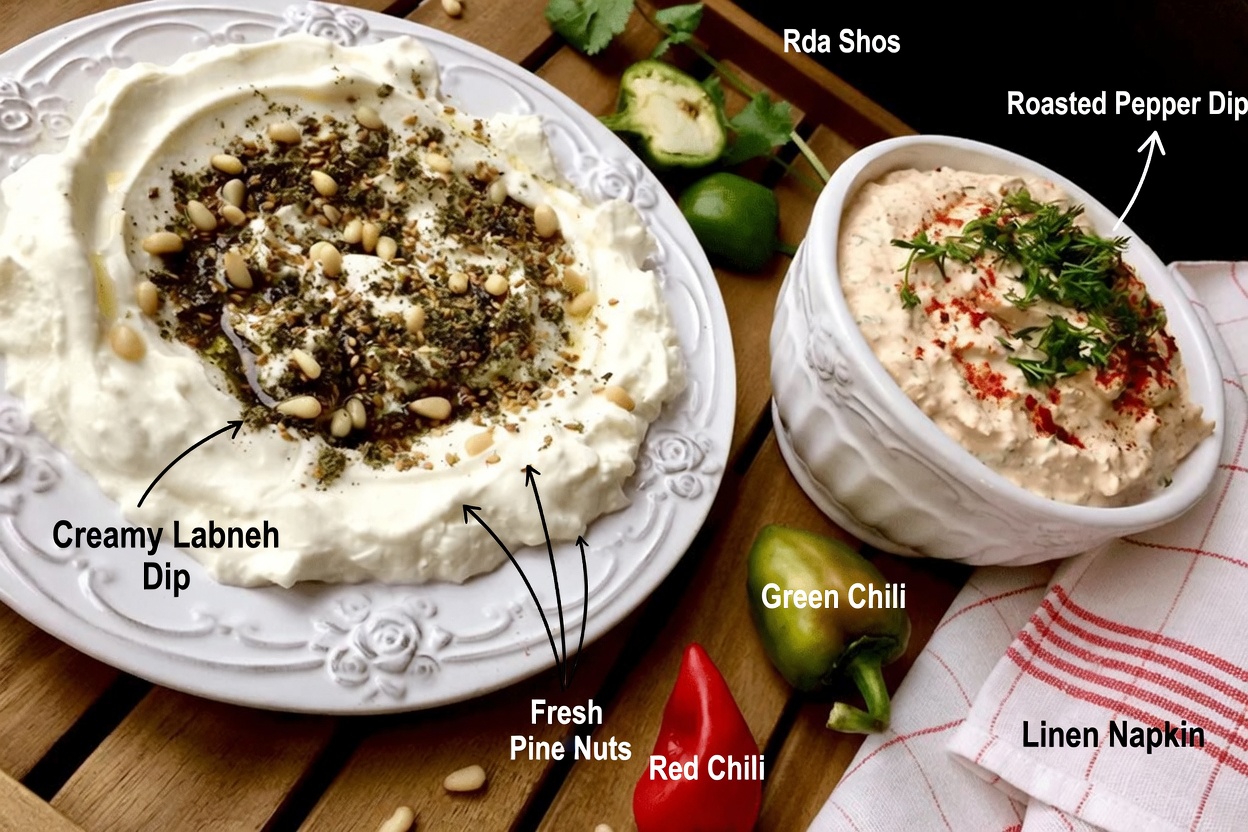
- Use yogurt as a base for dips or salad dressings.
- Look for options labeled with live active cultures.
- Try spreading three small servings across the day instead of having one large portion.
Why this pattern stands out
| Typical Western Eating Pattern | Mediterranean Diet With Yogurt |
|---|---|
| More processed snacks | More fruits, vegetables, and healthy fats |
| Lower plant variety | Broader range of plant foods |
| Less diverse gut bacteria | More beneficial microbes such as Bifidobacterium |
| Higher inflammation over time | Better support for digestive and overall balance |
Habit 2: Avoiding Smoking and Limiting Alcohol
María did not smoke and drank alcohol only rarely. Her approach was simple, steady, and sustainable throughout life. This is not about being perfect. It is about reducing habits that can gradually increase stress on cells and the digestive system.
Why this matters for long-term wellness
Smoking and regular alcohol use can both influence inflammation, tissue repair, and gut health. By avoiding these stressors, the body may be better able to maintain balance over time. That fits with the younger cellular markers found in María’s testing.
Practical ways to build this habit
- If you smoke, talk to your doctor about support programs or cessation tools.
- Replace an evening alcoholic drink with herbal tea or sparkling water with lemon.
- Pay attention to how you feel after several alcohol-free weeks; many people notice better sleep and more consistent energy.
- Focus on gradual improvement rather than all-or-nothing change.
Habit 3: Staying Consistently Active With Gentle Daily Movement
Until walking became more difficult in her later years, María reportedly walked for about an hour every day. Her activity was not intense or exhausting. Instead, it was light, regular movement, often done outdoors.
This is an important reminder that healthy aging does not always require hard workouts. Gentle, consistent physical activity can make a meaningful difference.
How walking may have supported her results
Daily movement supports circulation, helps preserve muscle, and may also contribute to a healthier gut environment. Research shows that even moderate activity can help improve the body’s repair processes and support healthier aging at the cellular level.
Simple ways to make it part of daily life
- Take a 20-minute walk after each meal.
- Listen to music or a podcast while walking.
- Turn walks into a social routine by going with a friend or family member.
- If going outside is difficult, try indoor walking, light stretching, or chair-based exercises.
- Prioritize consistency over intensity.

Why These Three Habits May Be So Powerful Together
The most interesting part of María’s story is that these habits likely worked as a team.
A Mediterranean-style diet with regular yogurt helped nourish her gut microbiome. Daily walking supported circulation, mobility, and metabolic health. Avoiding smoking and limiting alcohol reduced ongoing strain on her body. Together, these choices may have created an internal environment linked to lower inflammation and stronger cellular function.
In other words, no single habit carried all the weight. Their combined effect may have been what made the biggest difference.
A Simple Healthy Aging Checklist
If you want to apply the lessons from María’s lifestyle, this is a practical place to begin:
- Eat plant-rich meals and include three small servings of yogurt each day
- Avoid tobacco completely
- Keep alcohol minimal or skip it altogether
- Aim for 30 to 60 minutes of gentle walking or other light movement daily
- Stay socially connected whenever possible, as reports also noted the positive role of María’s family and social life
Many people may notice small but meaningful improvements from even two of these habits within a few weeks. Sometimes a modest boost in energy, digestion, or daily comfort is enough to create momentum.
A 4-Week Action Plan to Get Started
If you want to experiment with these habits, try this simple month-long plan.
Week 1
Focus only on adding three servings of yogurt each day. Pay attention to digestion and how you feel after meals.
Week 2
Add daily walking. Start with 20 minutes and gradually increase if it feels manageable.
Week 3
Replace one unhealthy routine—such as alcohol or a processed snack—with a lighter alternative.
Week 4
Check in with your sleep, mood, energy, and comfort. Notice any small positive changes.
The key idea is simple: consistency matters more than intensity. These are not extreme lifestyle changes. They are manageable choices that may help the body stay more balanced over time.
Final Thoughts on Healthy Aging
María Branyas Morera’s life shows how a mix of good fortune and long-term healthy habits can lead to extraordinary outcomes. No one can guarantee the same results, and longevity is always influenced by many factors. Still, the science behind her case offers practical ideas that feel realistic rather than overwhelming.
Her story suggests that healthy aging may be supported by simple, repeatable choices: eating well, caring for the gut, staying active, and avoiding harmful habits. Perhaps the most valuable takeaway is not the number 117, but the reminder that everyday routines can still matter deeply.
FAQ
1. Did researchers really say her microbiome was like a baby’s?
Yes. Scientists described María’s gut microbiome as unusually youthful. In some respects, its composition resembled patterns found in much younger individuals, including high levels of beneficial bacteria such as Bifidobacterium.
2. Does this mean these three habits guarantee a longer life?
No. There is no guaranteed formula for extreme longevity. However, the study suggests that these habits may support healthier aging, lower inflammation, and better overall function.
3. Why was yogurt such an important part of her routine?
Yogurt likely helped feed and maintain beneficial gut bacteria. Because her microbiome appeared unusually balanced and youthful, researchers believe her daily yogurt habit may have contributed to that effect.
4. Does gentle walking really make a difference?
Yes. Regular walking can help support circulation, mobility, muscle maintenance, and recovery. It does not have to be intense to be beneficial, especially when done consistently.
5. What is the easiest habit to start with?
For many people, the simplest first step is either adding yogurt to daily meals or beginning a short daily walk. Starting small often makes it easier to stay consistent.