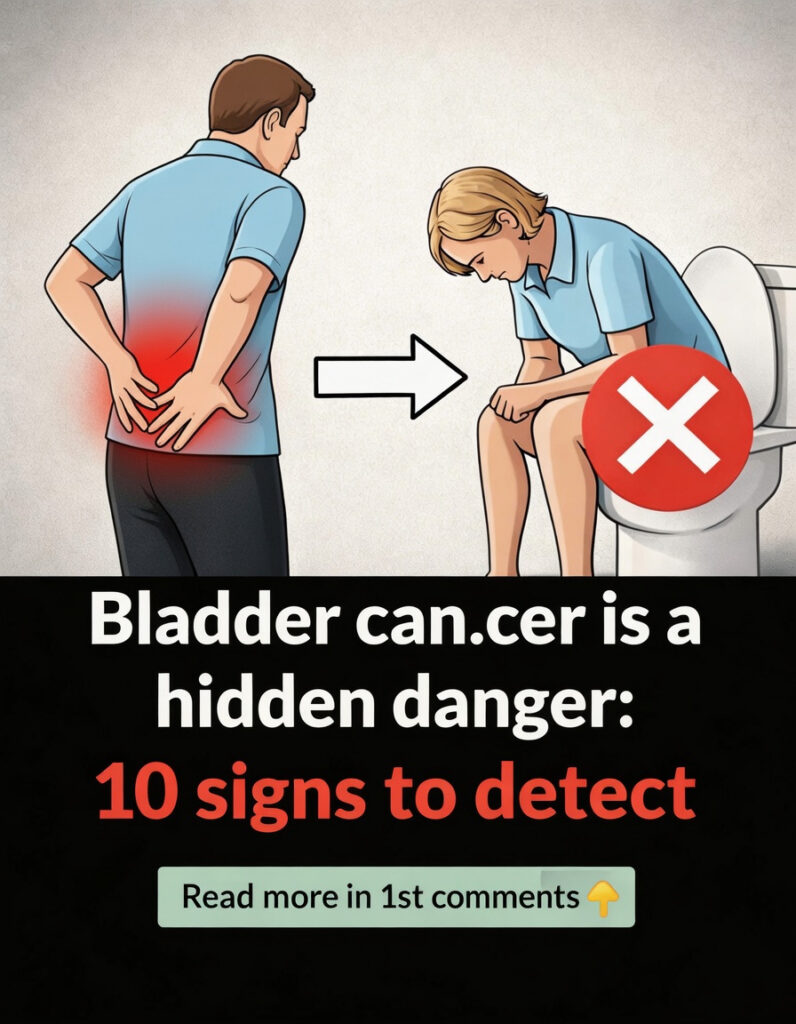
10 Bladder Cancer Warning Signs You Should Not Ignore
Bladder cancer can remain unnoticed for a long time because its earliest symptoms often resemble a mild urinary infection or everyday aging-related changes. Many people brush off these warning signs until the problem becomes harder to ignore. The good news is that knowing what to look for can help you respond earlier and make informed decisions about your health.
One of the most overlooked clues is also one of the most important: blood in the urine that is only found through lab testing. Below, you will find the 10 key warning signs, a simple symptom checklist, and expert-backed guidance on when to seek medical care.
The 10 Warning Signs Linked to Bladder Cancer
Leading medical sources such as the American Cancer Society and Mayo Clinic note that bladder cancer commonly begins with changes in urination. These symptoms do not automatically mean cancer, but they should not be ignored, especially if they continue.
1. Blood in the Urine
Blood in the urine, also called hematuria, is the most common early sign. Urine may appear pink, red, or brownish, though in some cases the blood is only visible through laboratory testing. Some people notice it once and assume it happened because of dehydration or physical activity, but this symptom often leads to the first medical evaluation.
2. Urinating More Often Than Normal
A sudden increase in bathroom trips during the day or overnight may be another signal. If you are going far more often than usual, and the pattern persists, it is worth paying attention. Many people blame caffeine, stress, or aging, which can delay proper evaluation.
3. Pain or Burning During Urination
Discomfort, stinging, or a burning feeling while urinating can seem identical to a urinary tract infection. However, if the symptom keeps returning or does not improve as expected, it may indicate a deeper bladder issue. This is considered one of the classic early urinary warning signs.
4. A Strong, Sudden Need to Urinate
An urgent need to urinate without much warning can happen even when the bladder is not full. This type of urgency may feel difficult to control and can sometimes lead to leakage. It is different from ordinary urgency because it appears suddenly and repeatedly.
5. One-Sided Lower Back Pain
Ongoing pain in the lower back, especially on one side, can be another symptom. It may feel like a dull ache or a sharper discomfort and can appear without any injury or muscle strain. Persistent back pain on one side should be discussed with a healthcare provider.
6. Pelvic or Lower Abdominal Pressure
Some people experience a lingering sense of heaviness, pressure, or aching in the pelvis or lower abdomen. This discomfort may come along with urinary symptoms and often does not improve with rest or common at-home remedies.

7. Recurrent Urinary Tract Infections
Repeated UTIs that keep coming back despite treatment may signal that something else is going on. In some cases, ongoing infections can hide or occur alongside other bladder conditions that need closer attention.
8. Unusual Fatigue
Feeling persistently tired for no clear reason can also be a warning sign, especially when it occurs along with urinary changes. Even with enough sleep, some people notice a drop in energy that does not improve.
9. Unexplained Weight Loss
Losing weight without trying is more often seen in later stages, but it remains an important symptom. If unexplained weight loss appears together with blood in the urine, urinary pain, or frequent urination, medical evaluation becomes even more important.
10. Swelling in the Legs or Feet
Swelling in the lower legs, ankles, or feet can develop when the condition affects surrounding systems. Although this is usually a later sign, it should still be included in any bladder cancer awareness checklist.
The Often-Missed Sign: Microscopic Blood in Urine
There is one warning sign many people never notice because it cannot be seen with the naked eye: microscopic blood in the urine. You may feel completely normal, yet a routine urine test or dipstick screening may detect hidden traces of blood.
This matters because people often skip follow-up testing when there is no visible change. Experts stress that this invisible clue can sometimes lead to the earliest diagnosis.
Why These Symptoms Matter
Research shows that bladder cancer found early has a significantly better five-year survival rate than cancer discovered at a later stage. According to the American Cancer Society, visible blood in the urine is the most common reason people are diagnosed, but the other symptoms on this list can also provide valuable early clues.
The goal is not to panic. Many of these symptoms are also caused by non-cancerous conditions. What matters most is noticing patterns that last longer than a week or two and taking them seriously.
Risk Factors to Know
Some people have a higher chance of developing bladder cancer. Important risk factors include:
- Being over age 55
- A history of smoking
- Exposure to certain workplace or industrial chemicals
- Long-term bladder irritation or frequent infections
- A family history of bladder cancer
Smoking remains the leading preventable risk factor. Quitting smoking and staying well hydrated may support bladder health, although they cannot fully eliminate risk.

Simple Steps You Can Take Now
Use this practical checklist if you notice urinary changes:
- Monitor urine color and bathroom habits for at least two weeks
- Drink enough water each day to stay well hydrated
- Make an appointment if two or more symptoms last more than 10 to 14 days
- Keep a record of symptoms to share with your doctor
- Ask whether a urine test is appropriate, since it is quick and noninvasive
One habit often makes the biggest difference: do not wait and hope the issue disappears on its own. Many people diagnosed early say they acted because they chose to get checked instead of delaying care.
When to See a Doctor
Contact a healthcare professional promptly if you notice:
- Blood in the urine
- Ongoing pain during urination
- Persistent urgency or frequent urination
- One-sided lower back pain that does not go away
- Repeated urinary infections
A doctor may recommend tests such as:
- Urine cytology
- Ultrasound
- Cystoscopy
These are standard tools used to better understand the cause of your symptoms. Most urinary problems are not cancer, but only a medical evaluation can determine the reason.
Daily Habits That Support Bladder Health
No lifestyle plan can prevent every case, but healthy routines can still help support the bladder and overall wellness:
- Eat more fruits and vegetables
- Stay physically active
- Limit processed meats
- Avoid smoking
- Do not hold urine for long periods
- Drink enough fluids throughout the day
These habits may help reduce irritation and support better urinary health over time.
Frequently Asked Questions
Is blood in the urine always caused by bladder cancer?
No. Blood in the urine can also happen because of infections, kidney stones, or intense exercise. Still, any visible blood should be checked by a doctor to rule out serious causes.
Can bladder cancer be found early?
Yes. Prompt attention to symptoms and routine urine testing can help detect bladder cancer before it spreads. Many cases are discovered at a more treatable stage when people seek care early.
Are the warning signs different in men and women?
The main symptoms are generally the same. However, women may mistake them for menstrual changes or UTIs, while men may assume they are related to prostate issues. In both cases, persistent symptoms should not be ignored.
Final Thoughts
Bladder cancer can be easy to miss at first, but early awareness can make a meaningful difference. Recognizing these 10 warning signs and responding quickly gives you a better chance of addressing any problem before it becomes more serious.
If you know someone over 50 or with a history of smoking, sharing this information could help them notice an important symptom sooner.
Disclaimer
This article is for educational and informational purposes only. It is not intended to provide medical advice, diagnosis, or treatment. Always consult a qualified healthcare professional about any symptoms or health concerns.