
Why Water May Feel Less Effective After 60
Many adults over 60 begin to notice that drinking plain water does not seem to refresh or restore them the way it once did. Everyday activities can feel more draining, hands and feet may stay unusually cool, and moving around may no longer feel as effortless. These changes are often subtle, but they can be linked to the way aging affects fluid balance and mineral retention.
As the body gets older, it becomes less efficient at holding onto both water and key electrolytes. That means even a good hydration habit may not fully support circulation and energy the way you expect. The encouraging part is that some seniors are adding one simple ingredient to their daily water routine — and for many, it may be the missing support their body needs.

Why Plain Water Alone May Not Be Enough
Once you enter your sixties and beyond, your body naturally stores less water and may lose important minerals more easily throughout the day. So even if you regularly drink eight glasses of water, you may still experience signs of mild dehydration or reduced circulation.
Water is essential, but it does not replace the minerals that help the body manage fluid balance and support healthy blood flow. This can matter even more if you use common medications or eat a diet that is low in certain nutrients. In these cases, hydration may need more than water alone to work at its best.
The Mineral More Seniors Are Adding to Water
The mineral getting attention is magnesium. Most people recognize magnesium for its connection to sleep, muscles, or relaxation, but its role in hydration and circulation is often underestimated.
Magnesium is an important electrolyte that helps blood vessels relax naturally. Unlike regular table salt, which increases sodium intake, magnesium supports the cardiovascular system in a gentler and more targeted way. Many magnesium powders sold over the counter dissolve easily in water and deliver a practical serving in as little as one teaspoon, making them convenient for daily use.
How Magnesium May Help Support Circulation
Studies discussed in respected publications such as Nutrients and journals connected to the American Heart Association suggest that magnesium can help maintain healthy blood vessel function. It supports the normal relaxation of vessels, helping them stay more open instead of overly tight.
One major review found that higher magnesium intake was associated with improved flow-mediated dilation, an important sign of healthy circulation. This is especially relevant for older adults, since magnesium levels often decline with age. Even a mild deficiency may influence how efficiently blood reaches the hands, feet, and other extremities.
Adding magnesium to water can offer a steady and simple way to support the body without creating a complicated wellness routine.
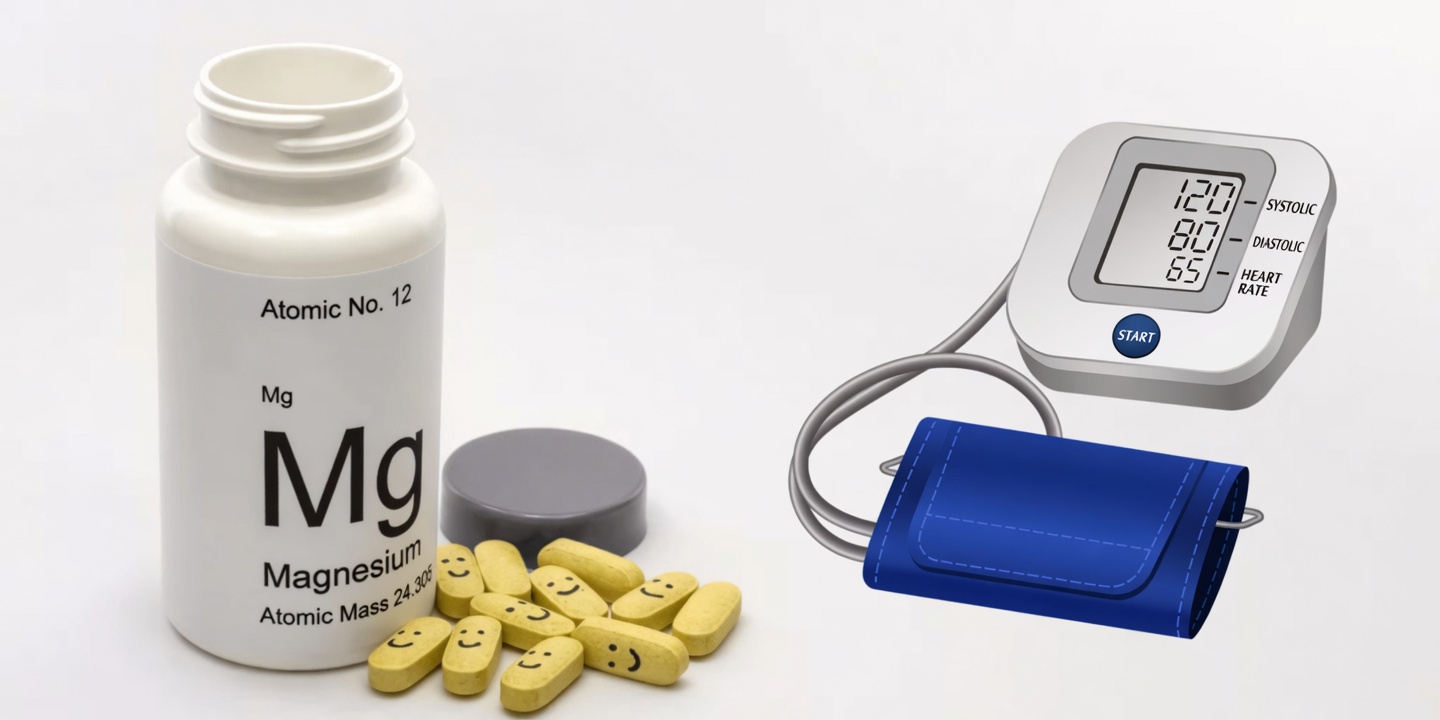
Magnesium may offer more than circulation support alone. It also plays a role in maintaining blood pressure already within a healthy range and helps the body produce energy at the cellular level. When cells receive the minerals they need, hydration becomes more than just drinking fluids — it becomes real support for daily function.
A Simple Daily Habit: Magnesium in Water
This routine is easy and does not require anything complicated. Many seniors use the following approach:
- Choose a plain magnesium citrate or magnesium glycinate powder.
- Begin with a small amount, usually ¼ to ½ teaspoon, which often provides around 100 to 200 mg of elemental magnesium.
- Mix it into 8 to 12 ounces of room-temperature water.
- Stir until the powder fully dissolves.
- Drink it slowly, ideally in the morning or early afternoon.
- Pay attention to how you feel over the next 7 to 10 days.
- Only increase the amount with guidance from a healthcare professional.
Some people add a squeeze of lemon to improve the flavor and provide a little vitamin C, which may also support absorption. The entire routine takes less than a minute and blends easily into an existing water habit.
Changes Some Seniors Say They Notice
With regular use, many older adults report mild but welcome improvements, such as:
- Warmer hands and feet during cooler times of day
- More stable energy with fewer afternoon dips
- Easier walking and smoother stair climbing
- Better relaxation and more restful sleep
These are personal experiences, not guaranteed outcomes. Results vary from person to person, and magnesium works best when combined with healthy eating and regular movement.
How to Choose a Good Magnesium Powder
Not all magnesium supplements are the same. When comparing products, keep these points in mind:
- Check the label for elemental magnesium, not just the total powder amount
- Choose brands that are third-party tested
- Avoid products packed with added sugar or artificial flavoring
- Try magnesium citrate if you want easy mixing
- Consider magnesium glycinate if you have a sensitive stomach
- Store the powder in a cool, dry place

Smart Precautions Before You Start
Although magnesium is generally well tolerated, it is still important to be cautious. Speak with your doctor before beginning if you take medication for:
- Blood pressure
- Heart rhythm
- Kidney function
People with kidney disease may need a personalized dosage, since the kidneys play a major role in processing magnesium. It is also best not to exceed the suggested amount. If you notice loose stools, that may be a sign you need to reduce the dose or give your body more time to adjust.
A good rule is simple: start low and go slow.
It also helps to remember that hydration works best as a team effort. Along with magnesium water, eating foods naturally rich in magnesium can provide added support. Good options include:
- Leafy greens
- Nuts
- Seeds
Small daily choices often make a bigger difference than people expect.
Why This Becomes More Important After Age 60
After 60, even minor changes in circulation can influence comfort, mobility, and independence. Supporting healthy blood flow does not require an extreme fix or dramatic overnight change. More often, it is about giving the body steady, gentle support so it can function the way it was meant to.
Adding magnesium to water is one of the easiest daily habits that may help support that process.
Final Thoughts
Plain water remains one of the healthiest things you can drink. But adding a small amount of the right mineral may turn regular hydration into a smarter and more supportive habit. Many seniors are making this simple change and finding that day-to-day life feels a little easier.
You do not need to completely rebuild your routine. In some cases, just one measured spoonful of magnesium powder in a glass of water may be the small upgrade your body has been needing.
Frequently Asked Questions
How much magnesium powder should I add to water each day?
Many people begin with ¼ to ½ teaspoon of magnesium citrate powder, which usually provides about 100 to 200 mg of elemental magnesium, mixed into 8 to 12 ounces of water. Always read the product label carefully and speak with your healthcare provider before increasing your intake.
Is magnesium water safe for everyone over 60?
For most healthy adults, magnesium is generally considered safe when used in appropriate amounts. However, anyone with kidney disease, low blood pressure, or who takes certain medications should get medical approval first. Begin with a small amount and monitor how your body responds.
Can I use table salt or Himalayan pink salt instead?
No. Table salt and pink salt mainly provide sodium, which works differently in the body and can influence blood pressure in a separate way. Magnesium supports blood vessel relaxation through its own unique mechanisms. If you want the benefits discussed here, use a dedicated magnesium supplement powder, not salt.
Disclaimer
This article is for educational and informational purposes only. It is not intended to replace professional medical advice, diagnosis, or treatment. Always consult your doctor or another qualified healthcare provider before changing your diet, hydration routine, or supplement use, especially if you have a medical condition or take prescription medications. Individual results can vary.