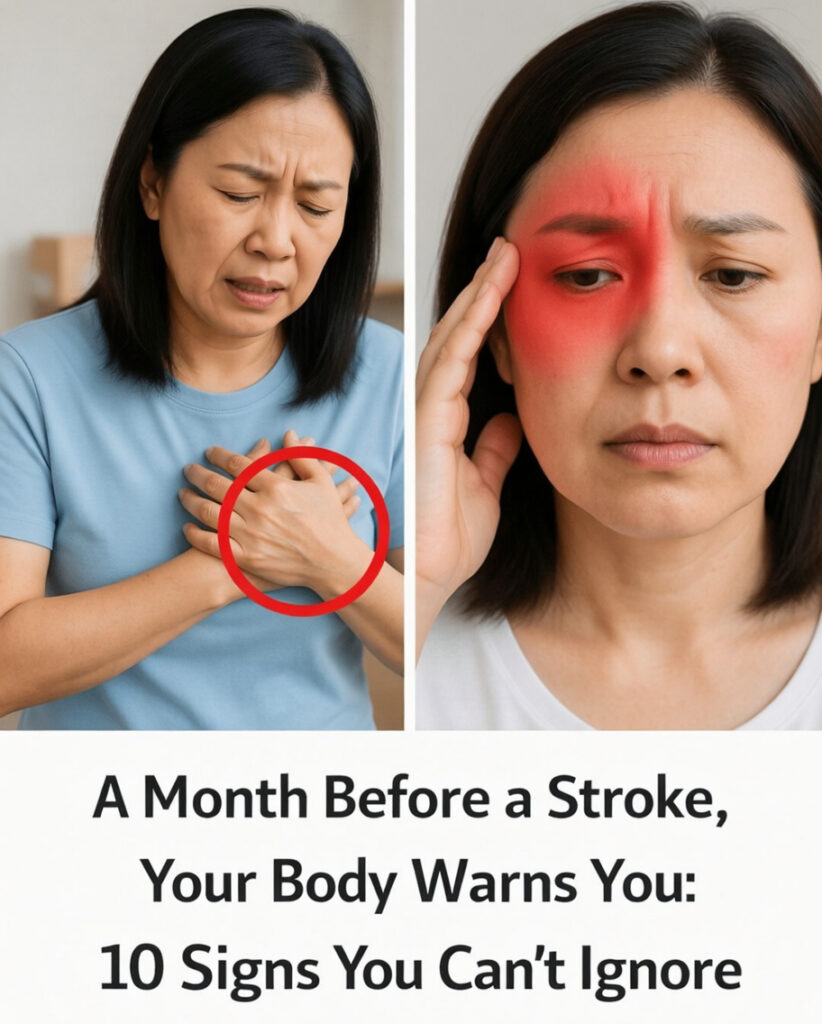
10 Possible Warning Signs of a Stroke You Should Not Ignore
Each year, stroke impacts millions of people around the globe, often appearing suddenly and changing lives in an instant. For many families, the most frightening part is realizing that early signals may have been missed. Because stroke symptoms can escalate fast, understanding what your body may be telling you is an important step toward protecting your health.
The encouraging news is that some people notice subtle changes before a stroke occurs. In this article, you’ll learn about 10 possible warning signs that may appear in the days or weeks beforehand. Stay with us until the end to discover one simple daily habit that can help you stay alert and prepared.
How the Body May Warn You Before a Stroke
A stroke occurs when blood flow to the brain is blocked or disrupted. Although many strokes happen without advance notice, health experts explain that temporary symptoms can sometimes show up earlier. In certain cases, these warning episodes may happen days, weeks, or even up to a month before a major event.
These brief episodes are often associated with transient ischemic attacks, or TIAs. A TIA is sometimes called a mini-stroke because the symptoms usually go away quickly. Even so, it should never be dismissed. Organizations such as the American Stroke Association note that TIAs can serve as important warning signals and should prompt medical attention as soon as possible.
Many people only think about severe, sudden stroke symptoms. However, milder and less obvious changes can also matter.
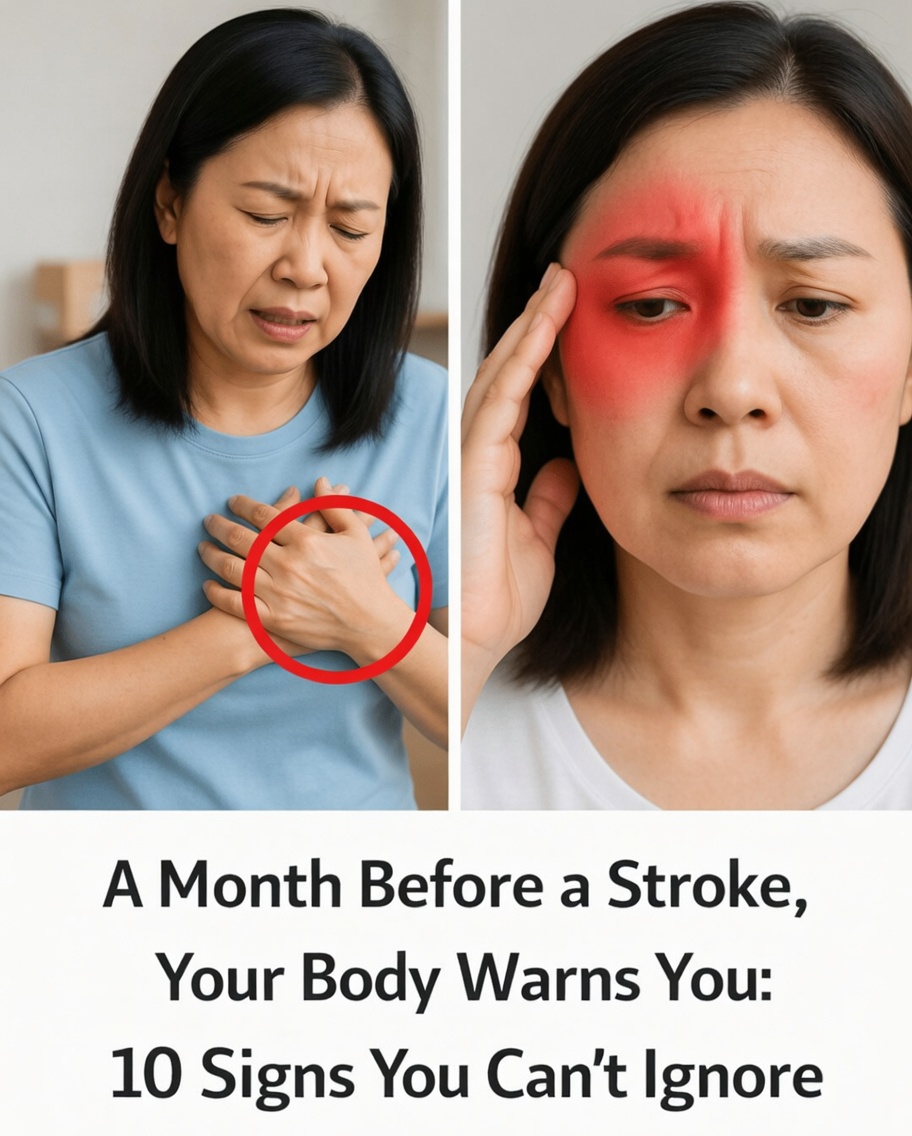
10 Potential Stroke Warning Signs to Watch Closely
Below is a quick summary of 10 possible symptoms that should not be ignored if they are unusual for you:
- Persistent or unusual headaches
- Numbness or weakness on one side of the body
- Changes in vision
- Trouble speaking or slurred speech
- Facial drooping or facial numbness
- Dizziness or poor balance
- Sudden confusion
- Unexplained fatigue
- Short-term memory problems or brain fog
- Difficulty walking or poor coordination
Let’s look at each one in more detail.
1. Unusual or Ongoing Headaches
A headache that feels different from your usual pattern can be an early warning sign. It may be stronger than normal, happen more often, or continue for several days without a clear cause. Some experts suggest that these headaches may be linked to changes in blood flow.
If you notice a new type of headache or one that seems unusually persistent, keep track of when it happens and how it feels. Mentioning this change during a medical visit may help your doctor assess your risk more accurately.
2. Numbness or Weakness in One Arm
A tingling sensation, heaviness, or weakness in one arm can be easy to overlook, especially if it comes and goes. However, one-sided weakness is one of the most recognized stroke-related warning signs.
This symptom is also part of the FAST screening method promoted by the American Stroke Association. If one arm feels weaker than the other or drifts downward when both are raised, it is worth taking seriously, even if the feeling fades quickly.
3. Sudden Vision Changes
Blurred vision, double vision, or temporary sight loss in one eye may also signal a problem. These symptoms are not always caused by eye strain, glasses issues, or fatigue. In some cases, they may reflect changes affecting the parts of the brain responsible for vision.
Medical sources such as the Mayo Clinic advise that any sudden visual disturbance deserves prompt attention. Writing down when it occurs and how long it lasts can be helpful information for your healthcare provider.
4. Difficulty Speaking or Slurred Speech
If you suddenly struggle to form words, speak clearly, or finish simple sentences, do not ignore it. Even brief speech difficulty can be a warning sign of a TIA or stroke risk.
Some people notice that their words sound slurred for a few minutes before returning to normal. If this happens, try speaking a short sentence out loud to check whether your speech feels different than usual.
5. Facial Drooping or Numbness
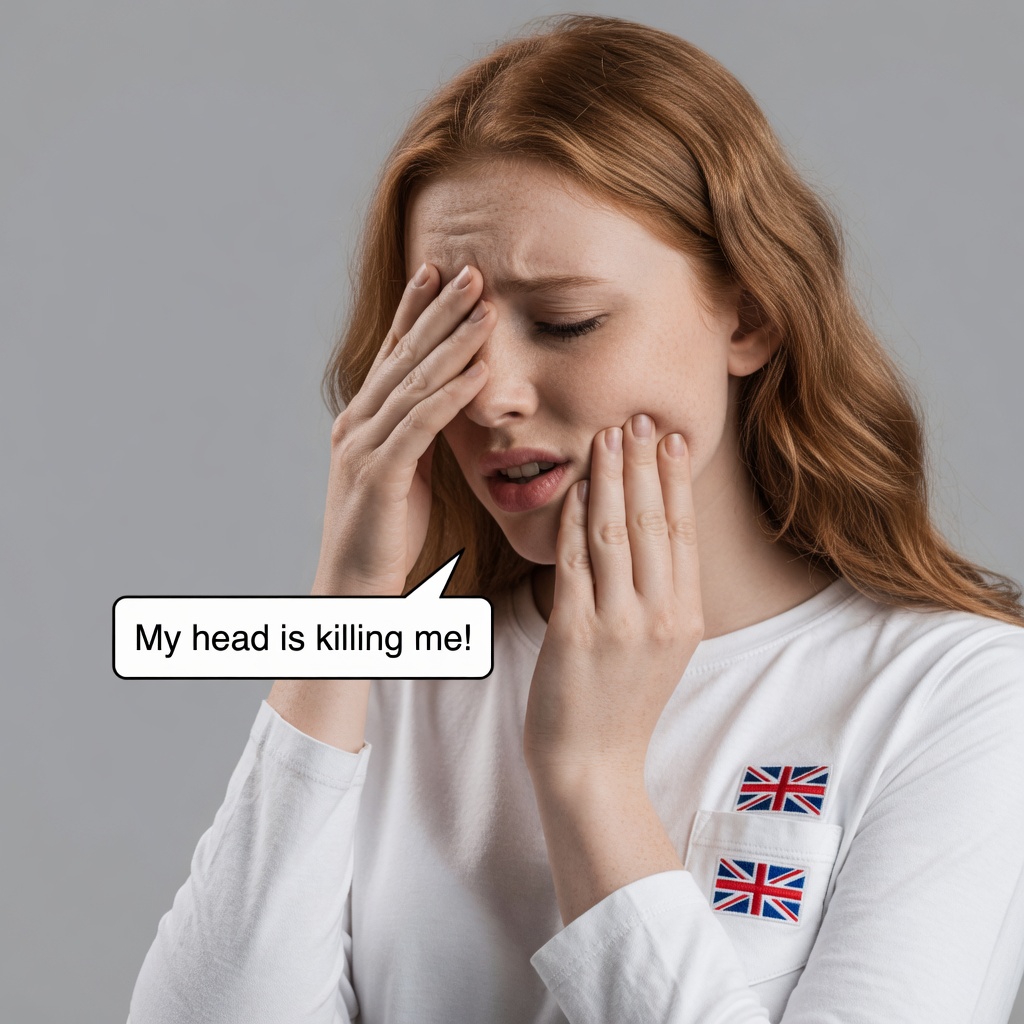
A slight droop on one side of the face or numbness around the mouth or cheek may be another important clue. This is the “F” in FAST: Face drooping.
Sometimes the change is subtle and only becomes noticeable when smiling or looking in a mirror. Even if it lasts for a short time, it should still be discussed with a medical professional.
6. Dizziness or Balance Problems
Sudden dizziness, a spinning sensation, or feeling unsteady while standing or walking may be related to the brain’s balance and coordination systems. These symptoms can happen even when there is no inner ear issue or illness involved.
If you repeatedly feel off-balance over several days or weeks, especially with other symptoms on this list, it is important to pay attention.
7. Sudden Confusion or Trouble Understanding Others
Some people experience episodes of mental confusion before a stroke. You may find it hard to follow a conversation, process simple information, or complete familiar tasks. These moments may come and go, which makes them easy to dismiss.
Temporary confusion can sometimes be linked to interruptions in blood flow to the brain. Keeping a written record of these episodes may help your doctor identify concerning patterns.
8. Unexplained Fatigue
Extreme tiredness without a clear reason can also be a quieter warning sign. If you feel drained despite getting enough sleep and not overexerting yourself, the symptom may deserve closer attention.
Fatigue alone can be caused by many different conditions, but if it appears repeatedly along with other neurological symptoms, it should not be ignored.
9. Temporary Memory Lapses or Brain Fog
Short periods of forgetfulness, mental blanks, or difficulty concentrating may feel like stress or normal aging. Still, in some cases, these episodes may point to vascular changes affecting brain function.
If you notice repeated memory slips that seem unusual for you, keeping a simple journal of the time, duration, and circumstances can be useful.
10. Coordination Problems or Trouble Walking
Frequent stumbling, leg weakness, or difficulty walking in a straight line may indicate trouble with coordination. This symptom often overlaps with dizziness, but it can also happen on its own.
Stroke prevention resources consistently recommend taking repeated walking or coordination issues seriously, especially when they appear suddenly or continue over time.

What to Do If You Notice These Symptoms
If you recognize any of these possible warning signs, there are several practical steps you can take:
- Write down the date, time, and exact symptoms of each episode.
- Use the FAST test regularly if you feel concerned.
- Book a check-up to review blood pressure, cholesterol, and other stroke risk factors.
- Tell a trusted family member or friend about your symptoms and share your notes.
- Follow your prescribed treatment plan and attend any recommended follow-up appointments.
These actions can improve awareness and help you communicate clearly with a healthcare provider, but they do not replace medical evaluation.
Everyday Habits That May Support Brain Health
In addition to watching for warning signs, healthy daily routines can support overall circulation and well-being. Simple habits many experts recommend include:
- Walking for about 30 minutes most days
- Eating a variety of colorful vegetables
- Drinking enough water
- Managing stress through breathing exercises or relaxation practices
The American Stroke Association emphasizes that consistency matters. Small healthy choices, repeated over time, can support better cardiovascular and brain health.
One easy habit that many people overlook is setting a weekly phone reminder to do a quick FAST check. It takes less than a minute, but it can help you stay aware of unusual changes before they become easy to ignore.
Frequently Asked Questions
What are the most common warning signs of a stroke?
The best-known signs are summarized by FAST:
- Face drooping
- Arm weakness
- Speech difficulty
- Time to call for emergency help
These are the most urgent symptoms, although subtler changes may appear earlier in some individuals.
How is a TIA different from a full stroke?
A TIA is a temporary interruption of blood flow that usually resolves quickly and does not cause the same lasting damage as a major stroke. However, it is still a medical emergency because it can be a strong warning sign of future stroke risk.
When should you call emergency services?
Call 911 immediately if symptoms appear suddenly, feel severe, or match common stroke signs. Even if the symptoms go away, emergency medical evaluation is still important.
Important Medical Disclaimer
This article is intended for educational purposes only and should not be considered medical advice. It is not a substitute for diagnosis, treatment, or guidance from a qualified healthcare professional. If you notice any concerning symptoms, speak with your doctor or seek emergency care right away. Early action can make a major difference in protecting your health.