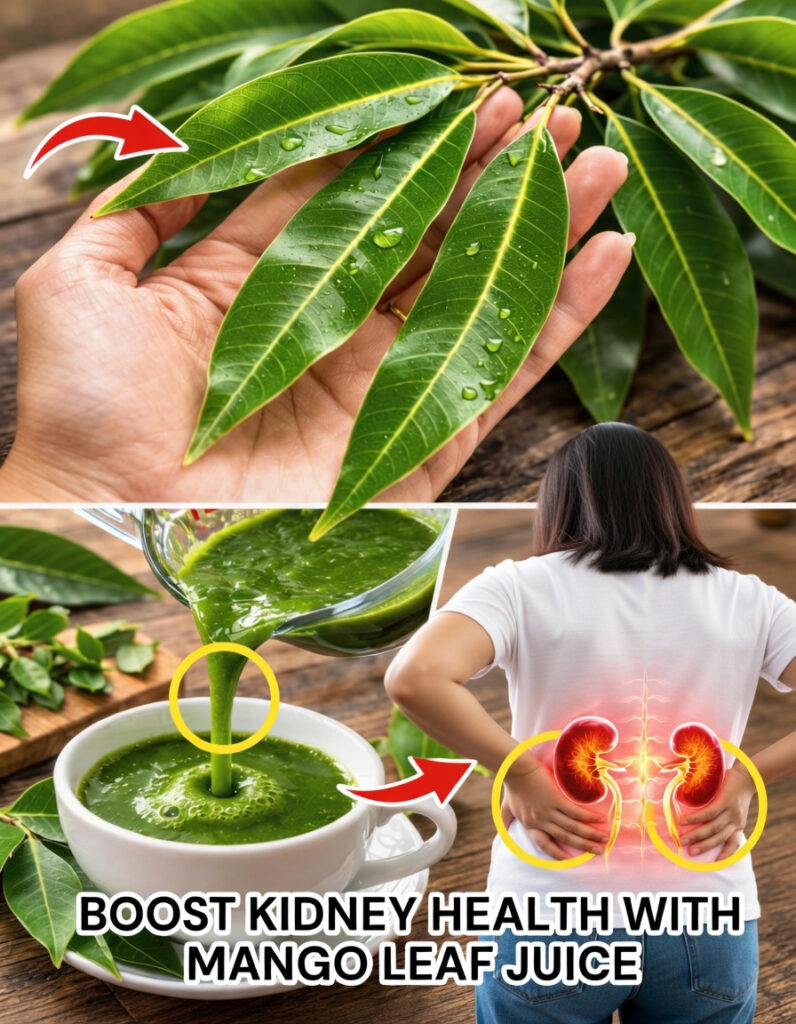
Mango Leaves: Overlooked Natural Uses for Wellness, Beauty, and the Home
A ripe, juicy mango is easy to appreciate, but the leaves of the mango tree are often ignored and tossed aside as if they have no value. That common habit becomes far more surprising when you learn that mango leaves have been used in traditional practices for generations in many parts of the world. From simple wellness rituals to practical household uses, these leaves may offer more than most people realize.
What makes this especially fascinating is how accessible they are. Something growing in a backyard or available at a local market can become part of everyday routines in surprisingly useful ways. And by the end, you’ll discover a very simple DIY method with mango leaves that could easily fit into daily life.
Why Mango Leaves Are Gaining Attention
Mango leaves are rich in natural plant compounds such as mangiferin and polyphenols. Scientific reviews and peer-reviewed studies have examined these substances for their antioxidant activity, which is one reason mango leaves continue to attract interest in both traditional wellness and modern natural living.
One of the most discussed areas is their possible role in supporting healthy blood sugar levels when combined with a balanced diet and regular exercise. In places where mango trees are common, leaf-based preparations have long been part of traditional routines, and early research suggests these compounds may help support the body’s natural balance.
There is also growing attention on their anti-inflammatory potential. Emerging studies on botanical extracts indicate that mango leaves may help the body cope with oxidative stress, which can contribute to general wellness and everyday comfort.
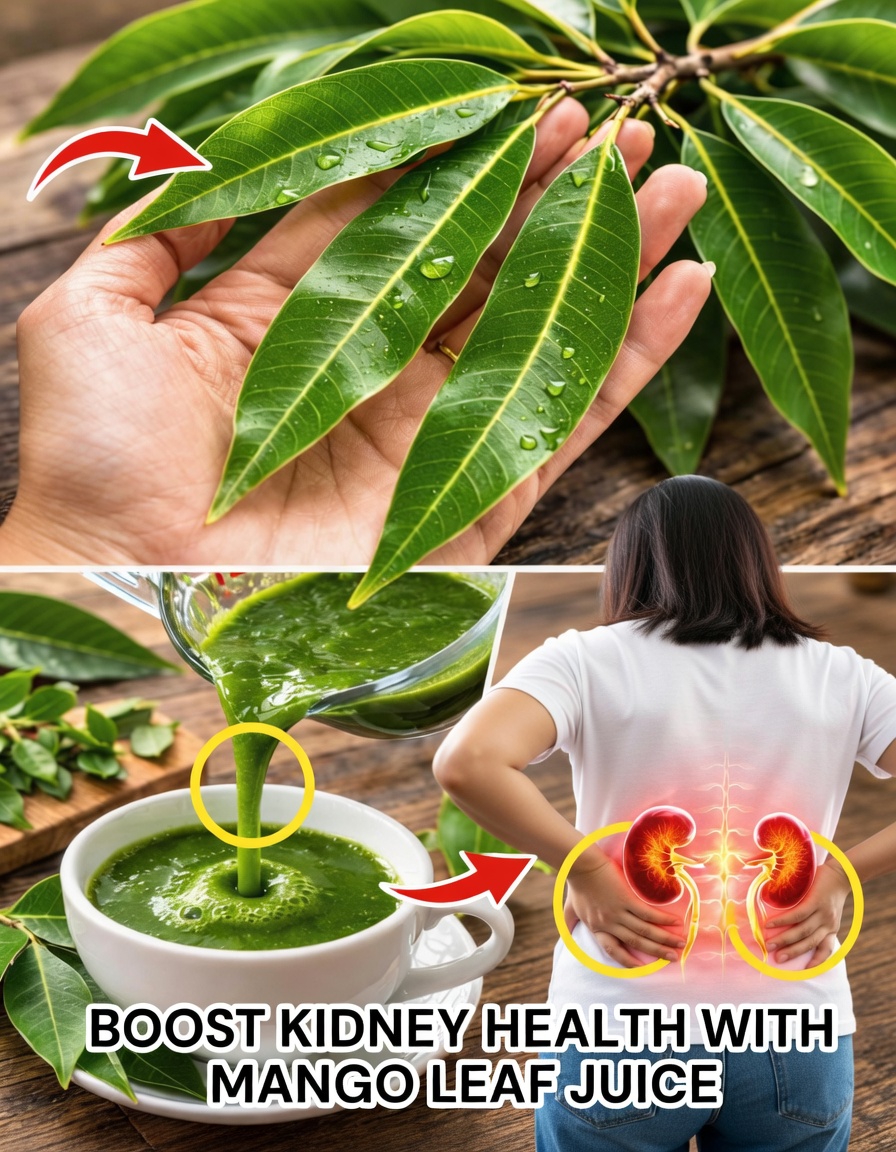
Traditional Support for Respiratory Comfort
Mango leaves have also been used in simple steam remedies. In many traditional settings, the leaves are gently boiled so they release vapors that some people find calming during seasonal shifts or when the air feels especially dry.
While this is not a medical treatment, it can be a mild and comforting addition to a personal self-care routine. The practice is easy, natural, and rooted in long-standing tradition.
Mango Leaves for Skin and Hair Care
The value of mango leaves is not limited to internal wellness. They are also widely appreciated in natural beauty routines. Because they contain antioxidants, they are often associated with supporting healthier-looking skin over time.
A traditional method involves crushing fresh mango leaves into a paste and applying it gently to the skin. This approach has been passed down through generations and may help calm minor skin discomfort, thanks to the anti-inflammatory properties noted in research. As with any natural topical remedy, a patch test is always recommended before full use.
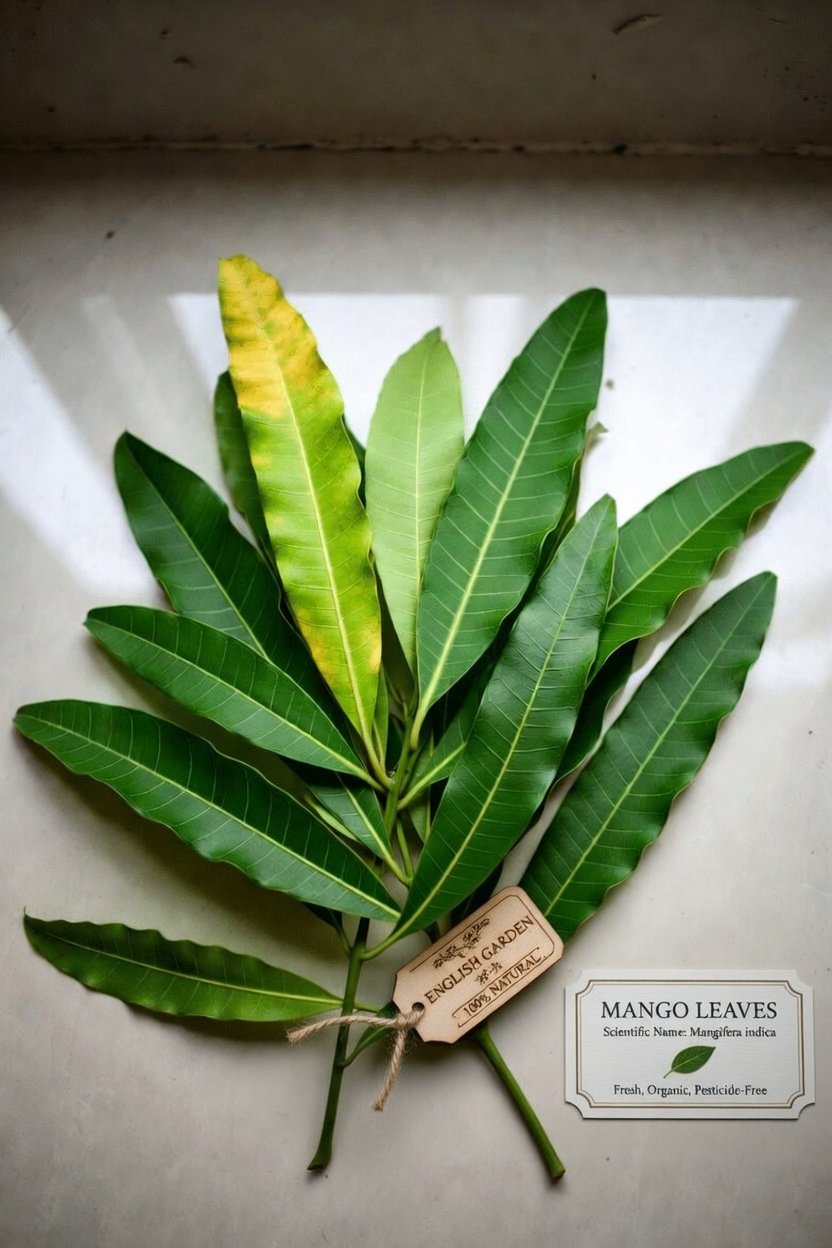
Simple Ways to Use Mango Leaves for Hair
Mango leaf rinses are becoming increasingly popular in natural hair care. Traditional knowledge, supported by limited evidence, suggests the nutrients in the leaves may help improve the appearance of dry hair and flaky scalp conditions while making strands feel stronger.
You can try these easy ideas:
- Use mango leaf water as a rinse after shampooing to encourage shine and help reduce dandruff-like flakes.
- Mix it with other natural ingredients such as aloe vera for a more personalized hair care routine.
- Apply it consistently two to three times a week for the best results over time.
A Natural Insect Repellent for Outdoor Spaces
One of the most practical uses of mango leaves is as a traditional insect deterrent. When dried mango leaves are burned, the smoke has long been used to help keep mosquitoes and other insects away, especially in outdoor areas.
Compared with chemical sprays, this method relies on a natural material and can create a soft, earthy scent. It is particularly useful in gardens, patios, or during evening gatherings in warm and tropical climates. The smoke acts as a gentle barrier without relying on harsh synthetic ingredients.
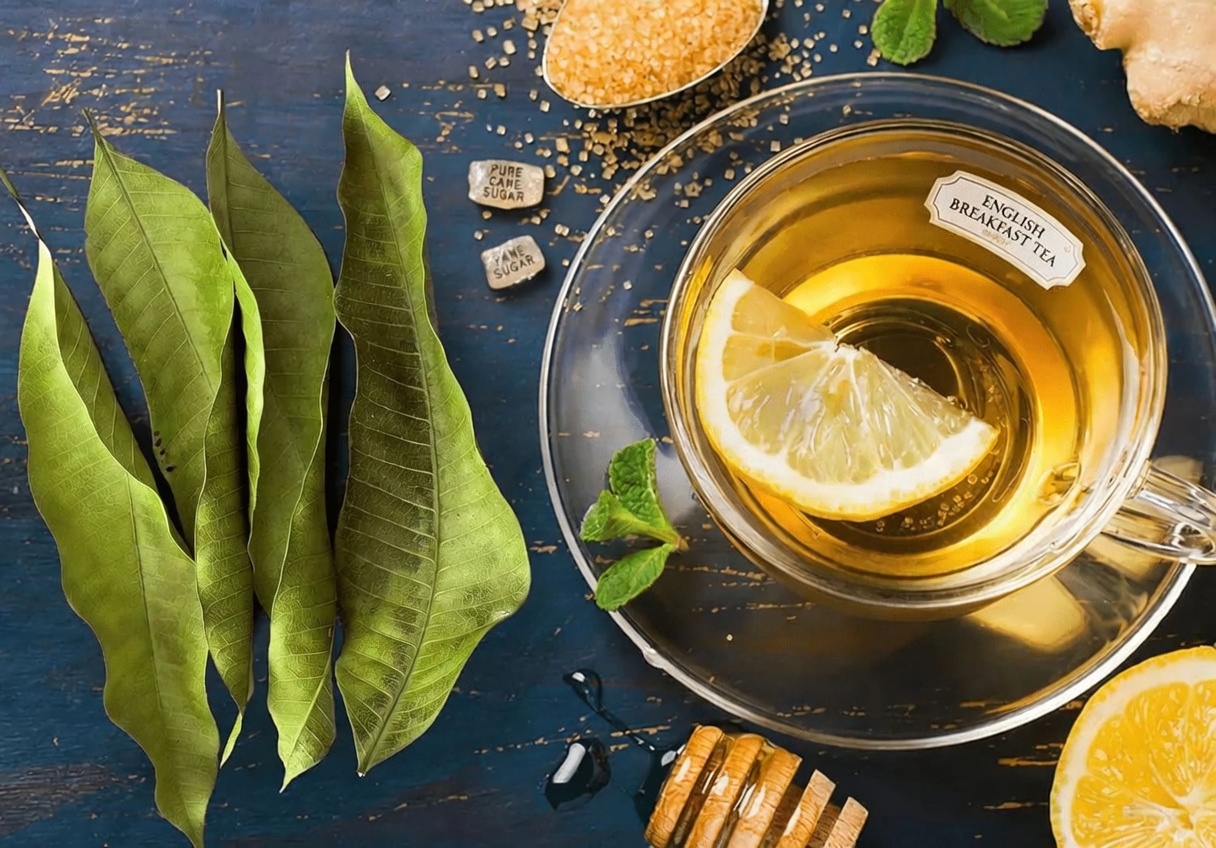
How to Make DIY Mango Leaf Tea at Home
Among the easiest and most popular ways to use mango leaves is by making a simple tea. Traditional recipes and emerging research suggest it can be enjoyed in moderation as a soothing drink and even used in cooled form for topical applications.
Follow these steps:
- Collect 10 to 15 fresh mango leaves from a healthy tree or a reliable source. Make sure they are clean and free from pesticides.
- Wash the leaves thoroughly under running water to remove dust and residue.
- Add the leaves to two cups of water and boil for about 10 minutes.
- Once the liquid develops a light color and mild aroma, strain it into a cup.
- Let it cool to a comfortable temperature before drinking.
- Drink one cup a day as part of your routine, or allow it to cool fully and use it on the skin.
This recipe is simple, inexpensive, and easy to prepare. Some people like to add ginger or a little honey for taste, but trying it plain first can help you see how your body responds. Any extra tea can be stored in the refrigerator for up to two days.
More Than Tea: Useful Household Applications
Mango leaves are not just for wellness routines. They can also be used around the home in sustainable and practical ways.
For example:
- Add dried mango leaves to compost to help enrich the soil as they naturally break down.
- Use the leaves to return nutrients to the garden and reduce plant waste.
- Try crushed leaves as a gentle scrubbing aid on certain kitchen surfaces or cookware for a more natural cleaning approach.
If using them for cleaning, always test first on a small area to avoid damaging delicate materials.
Tips for Safe and Effective Use of Mango Leaves
If you want to include mango leaves in your routine, it helps to follow a few basic precautions:
- Choose leaves only from trees that have not been treated with chemicals.
- Wash fresh leaves well before any use.
- Begin with small amounts when trying tea or topical applications.
- Observe your body’s response over several days before increasing use.
- Store dried leaves in an airtight container away from sunlight and moisture.
- Pair mango leaves carefully with natural ingredients like honey or aloe vera if desired.
- Use fresh leaves when possible, or dry them in the shade if you want to keep some for later.
Consistency is often the key with any natural habit. Small, regular steps usually bring the most noticeable long-term benefits.
Conclusion
Mango leaves are a perfect reminder that some of the most useful natural resources are often the ones people overlook. Whether brewed into a tea, added to a beauty routine, used for insect control, or repurposed in the home, they offer simple and traditional ways to support a more natural lifestyle.
If you want to explore their potential, start with something easy like mango leaf tea or a basic hair rinse. Once you try them, you may find these humble leaves becoming a regular part of your wellness and household routine.
Frequently Asked Questions
Are mango leaves safe for daily use?
In traditional use and general observation, mango leaves are usually considered well tolerated when used in moderate amounts. Still, each person may respond differently, so it is wise to pay attention to your body and speak with a healthcare professional if you have any concerns.
How often can mango leaf tea be consumed or applied to the skin?
Many people begin with one cup per day or use topical preparations a few times per week. The best frequency depends on individual comfort, and it should always be part of a balanced lifestyle.
Are dried mango leaves as useful as fresh ones?
Yes. Dried mango leaves can work well for teas, hair rinses, and natural insect-repellent uses. Dry them in the shade and store them properly to preserve their usefulness for everyday DIY projects.
Disclaimer
The information in this article is intended for educational and informational purposes only. It is not a substitute for professional medical advice, diagnosis, or treatment.