8 Quiet Signs Your Body May Need More Water
You may assume your daily water intake is enough, yet your body can still give off subtle signals that hydration is slipping. These signs are easy to dismiss because they often feel like ordinary problems—low energy, headaches, dry skin, or poor focus. Over time, ignoring them can affect your comfort, concentration, and overall well-being. The good news is that one simple habit can help prevent these issues before they grow.
The 8 Subtle Signs of Mild Dehydration
Many people do not drink water until they feel obviously thirsty. However, evidence from trusted medical sources such as the Cleveland Clinic shows that mild dehydration often begins with quiet warning signs well before intense thirst appears. Recognizing these early symptoms can help you respond quickly and feel better sooner.
Here are eight common clues your body may need more fluids:
- Dry mouth, cracked lips, or a scratchy throat
- A sudden or unexplained headache
- Fatigue, weakness, or low energy
- Urine that looks darker than normal
- Skin that seems dry or less vibrant
- Dizziness, especially after waking up
- Unexpected cravings for sweets
- Trouble concentrating or mental fog
Let’s look at each sign more closely so you can spot them more easily in everyday life.
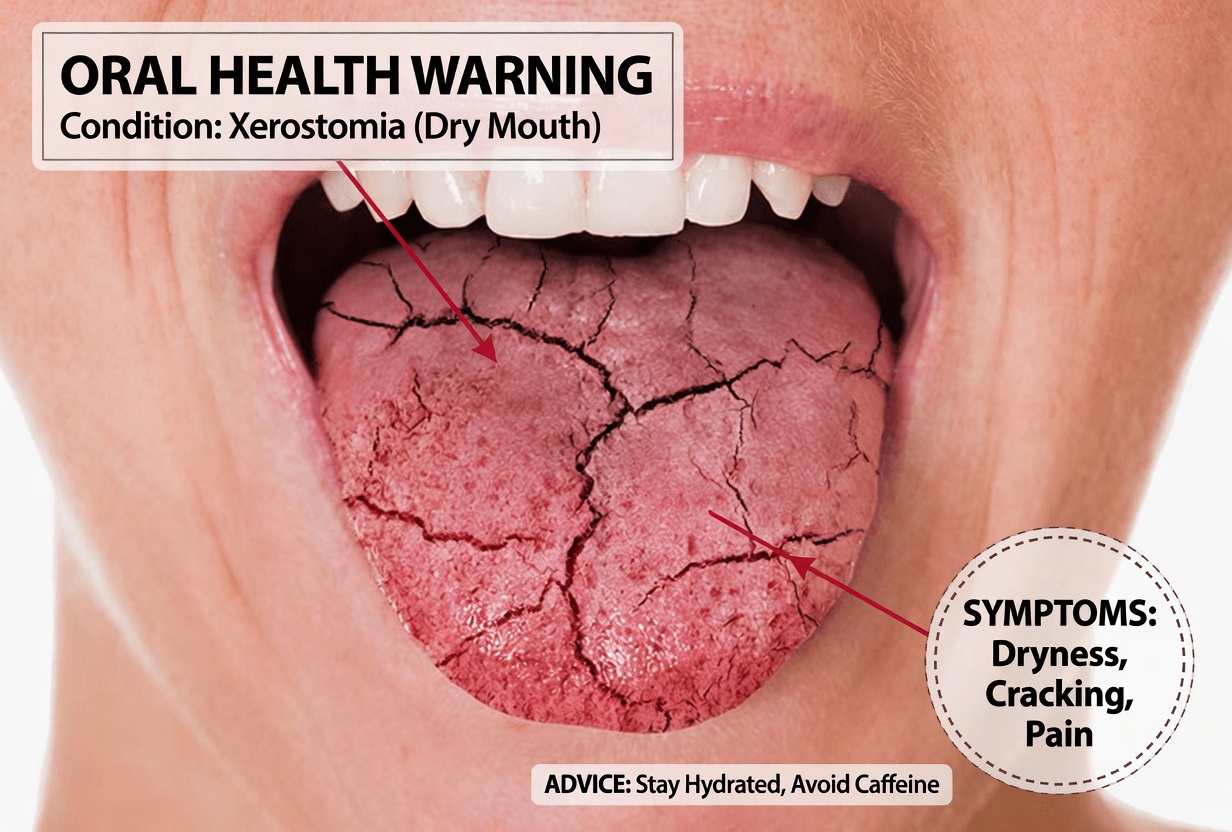
1. Dry Mouth, Chapped Lips, or a Scratchy Throat
If you keep applying lip balm or brushing your teeth and still feel dryness in your mouth or throat, low hydration may be the cause. When fluid levels drop, the body starts conserving moisture and pulls it away from less essential areas first. Even a small decline in hydration—around 1% to 2%—can trigger these symptoms.
A practical solution is to sip water steadily during the morning instead of waiting until you feel very thirsty. Gentle, regular hydration often works better than drinking large amounts all at once.
2. An Unexplained Headache
A headache that seems to appear for no clear reason is sometimes linked to dehydration rather than stress or screen exposure. The brain is surrounded by fluid, and when your body lacks water, that fluid balance can shift slightly. According to Harvard Health, this change may contribute to headaches faster than many people expect.
Before taking pain medication, try drinking about 16 ounces of water and give it 30 minutes. In many cases, that simple step can ease the discomfort.
3. Feeling Tired, Weak, or Unusually Low on Energy
If you slept well but still feel drained, hydration may be affecting your energy. When the body does not have enough fluid, blood becomes slightly more concentrated. As a result, the heart may need to work harder to move oxygen throughout the body. That extra effort can leave you feeling sluggish.
This is one reason many people notice a boost in energy after adding just one more glass of water during the morning.
4. Darker-Than-Normal Urine
Urine color is one of the easiest and most reliable ways to monitor hydration. Pale yellow or straw-colored urine usually suggests healthy fluid levels. If it starts looking dark yellow or amber, your kidneys may be conserving water and concentrating waste more heavily.
Make a habit of checking this daily. It is a simple at-home sign that can tell you a lot about how well hydrated you are.
5. Dry or Dull-Looking Skin
If your skin appears less fresh, less radiant, or unusually dry, you may need more water. Because skin is the body’s largest organ, it often reflects what is happening internally. Moisturizers can help on the surface, but real hydration begins from within.
Supporting your body with consistent fluid intake can help your skin look healthier and more balanced over time.
6. Feeling Dizzy After Waking Up
If you stand up in the morning and feel briefly lightheaded, mild dehydration may be involved. During the night, your body loses fluid through breathing and natural processes, while you go hours without drinking anything. That can slightly affect blood pressure and leave you feeling unsteady for a moment.
Keeping a glass or bottle of water by your bed can be a simple way to make mornings feel better.
7. Sudden Sugar Cravings
Sometimes the urge for sweets is not really about hunger. The brain can confuse thirst with appetite, and cravings—especially for sugary foods—can be one of the signals. If you suddenly want candy or chocolate without a real appetite, water should be your first step.
Many people find that the craving fades shortly after drinking.
8. Brain Fog and Difficulty Concentrating
If you keep rereading the same message, struggling to focus, or feeling mentally slow, dehydration could be part of the problem. Research in nutrition and health journals has shown that even mild dehydration can reduce mental performance, including attention and short-term memory.
Drinking water consistently throughout the day can help support better concentration and clearer thinking.
These Signs Often Show Up Together
One important detail people often miss is that dehydration symptoms rarely appear one by one. If you notice two or three of these signs at the same time, your body is very likely asking for more fluids.
Why Hydration Is More Important Than It Seems
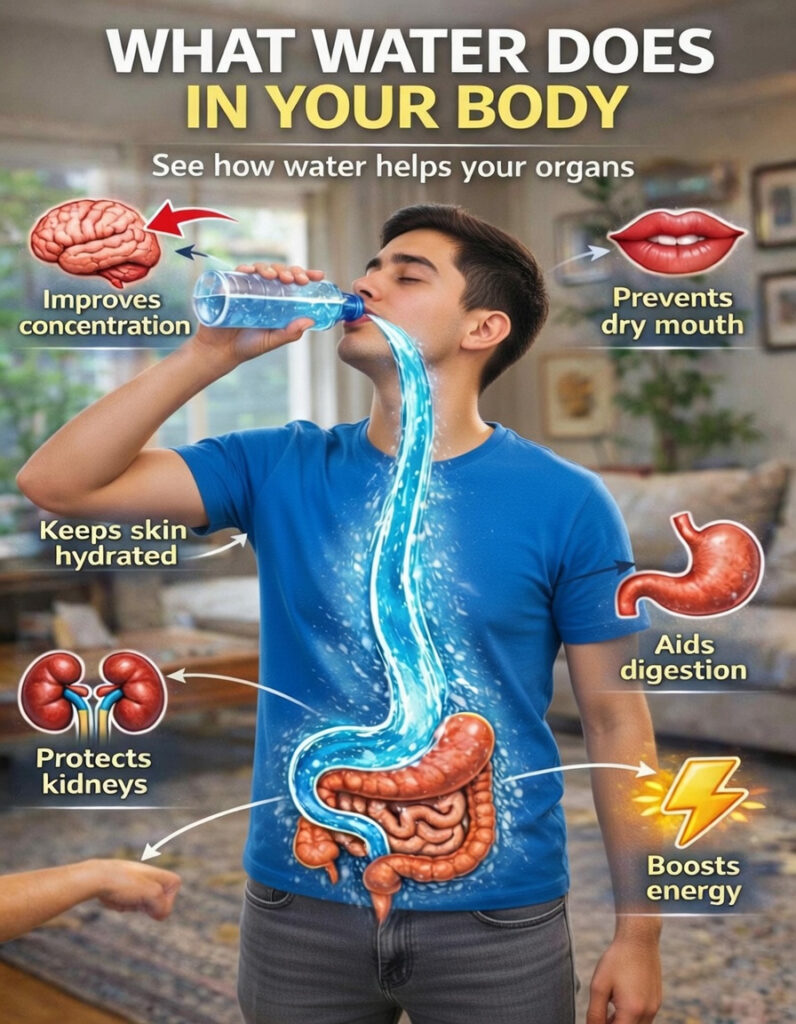
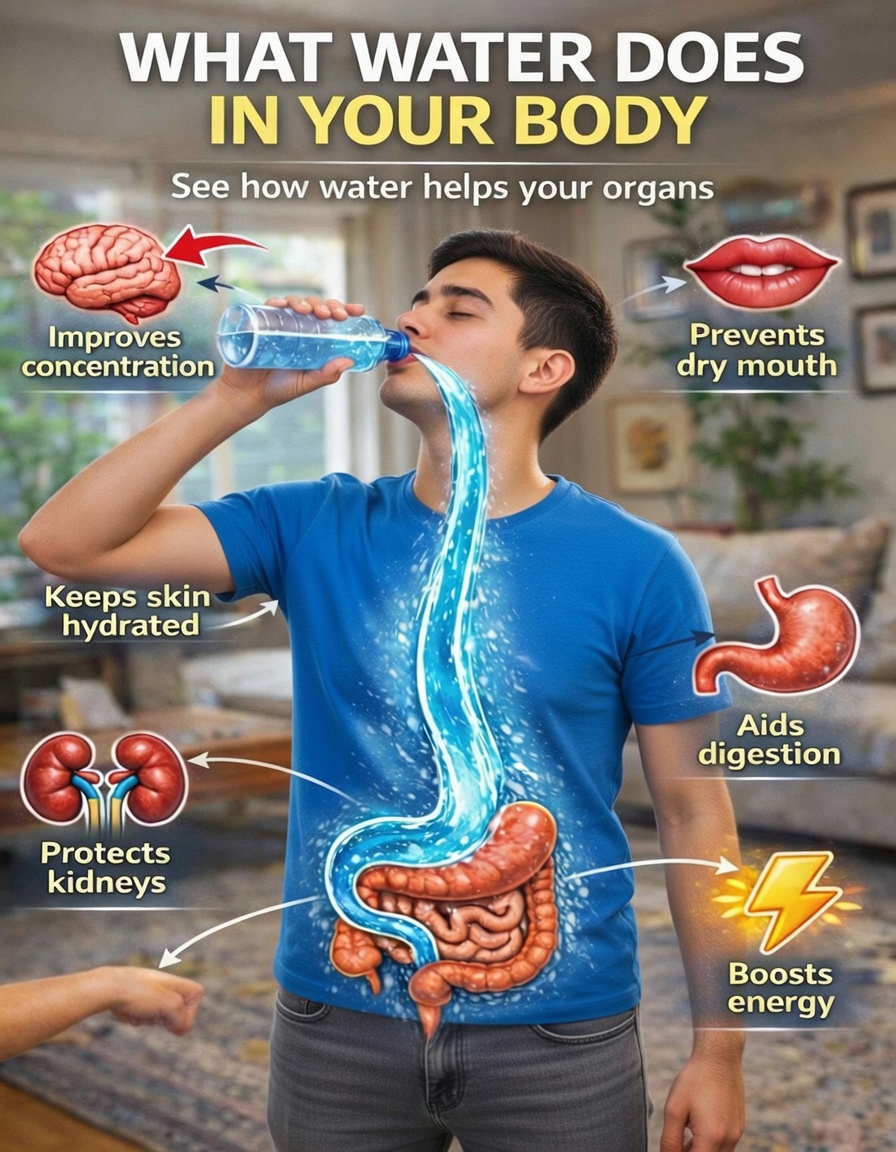
Water does far more than cool you down on a hot day. It supports nearly every system in the body.
- The brain depends on fluids to send signals efficiently
- The kidneys need water to remove waste
- Digestion relies on hydration to move food through the body
- Blood circulation requires proper fluid balance to deliver oxygen
Your brain alone is made up of about 75% water, which shows how essential hydration is for mental and physical function.
There is another benefit many people overlook: proper hydration may also help regulate appetite. When fluid levels are low, thirst can sometimes feel like hunger. That is why improving your water habits can also make eating patterns feel easier to manage.

Easy Daily Habits to Stay Hydrated
You do not need expensive gadgets or complicated tracking tools to drink more water. Small daily routines are usually the most effective.
Try these simple hydration habits:
- Start your morning with water: Drink around 16 ounces within 30 minutes of waking up
- Keep water visible: Place a bottle on your desk or nearby so it stays top of mind
- Make it more enjoyable: Add lemon, cucumber, or mint if plain water feels boring
- Link it to existing habits: Drink a glass after checking email, before meals, or after meetings
- Use urine color as a daily check: It is one of the easiest ways to monitor hydration
Foods That Help You Hydrate
Fluids do not come only from drinks. Many foods contain a high percentage of water and can support hydration naturally.
Add more of these to your meals and snacks:
- Watermelon and cucumber for high water content
- Oranges and strawberries for a juicy, refreshing boost
- Celery for a crisp, low-calorie option
- Yogurt and soup for extra fluid with minimal effort
These simple foods can help you stay hydrated without changing your routine too much.
What to Do When You Notice the Signs
If you recognize any of these symptoms, there is no need to panic. The best response is to increase your fluid intake gradually over the next few hours. Drink slowly rather than all at once, since chugging water too fast can cause stomach discomfort.
If symptoms continue even after a full day of better hydration, consider other factors such as:
- Hot weather
- Exercise or physical activity
- Dry indoor air
- Illness or poor sleep
For most people, better hydration habits lead to noticeable improvement within 24 hours.
Final Thoughts: Pay Attention to the Early Signals
Your body is constantly communicating with you. These eight quiet signs often appear long before strong thirst does, giving you a chance to respond early. By noticing them and making a few simple changes, you can support better energy, sharper focus, and greater everyday comfort.
Start with one easy step today—something as simple as a glass of water in the morning—and you may be surprised by how quickly your body responds.
Frequently Asked Questions
How much water should the average adult drink each day?
A common guideline is about 8 to 10 cups per day—roughly 2 to 2.5 liters. However, individual needs depend on body size, activity level, climate, and overall health. Your urine color, thirst, and energy level can provide helpful personal clues.
Do coffee and tea count toward hydration?
Yes, they do. Although caffeine has a mild diuretic effect, the fluid in coffee and tea still contributes to your daily intake. It is still wise to balance caffeinated drinks with plain water throughout the day.
Can mild dehydration affect mood or sleep?
Yes. Even a small drop in hydration can influence mood, increase irritability, and make it harder to feel rested. Staying hydrated during the day may help support more stable energy, a better mood, and improved sleep quality.