
Feeling Different After 50? These 12 Natural Foods Can Help Support Energy, Comfort, and Daily Wellness
By the time you enter your 50s, it’s common to notice subtle changes in how your body feels. You may get tired earlier in the day, feel stiff after sitting too long, or realize that bouncing back from normal activities takes more time than it used to. Over time, these shifts can make it harder to stay active, enjoy hobbies, or keep up with family life.
The good news is that you do not need a drastic lifestyle makeover to support your body well. Research continues to show that eating more whole, nutrient-dense foods can help your body better manage normal age-related changes.
Even better, there are 12 simple natural foods — including one familiar root vegetable many people already enjoy — that can easily be added to meals you already eat. Below, you’ll find the full list and practical ways to start using them this week.
Why Natural Foods Become Even More Important After 50
After 50, your nutritional needs begin to shift. The body may absorb some nutrients less efficiently, while energy needs, muscle maintenance, digestion, and bone support become more important. That makes it wise to choose foods that provide a strong mix of:
- Fiber
- Healthy fats
- Protein
- Essential vitamins and minerals
You do not need pricey powders, trendy “superfoods,” or complicated diet rules.
Organizations such as the National Council on Aging and other major health authorities have linked diets centered on whole, natural foods with better daily energy, improved overall well-being, and greater physical comfort as people age.
That is why the 12 foods below are so valuable: they are easy to find, budget-friendly, and simple to use in everyday meals.
12 Powerful Natural Foods to Eat Regularly After 50
Many nutrition professionals recommend these foods for adults over 50:
- Sweet Potatoes
- Blueberries
- Spinach
- Salmon
- Almonds
- Avocados
- Oats
- Greek Yogurt
- Black Beans
- Eggs
- Broccoli
- Walnuts
Let’s look at why each food stands out and how to include it with minimal effort.

1. Sweet Potatoes
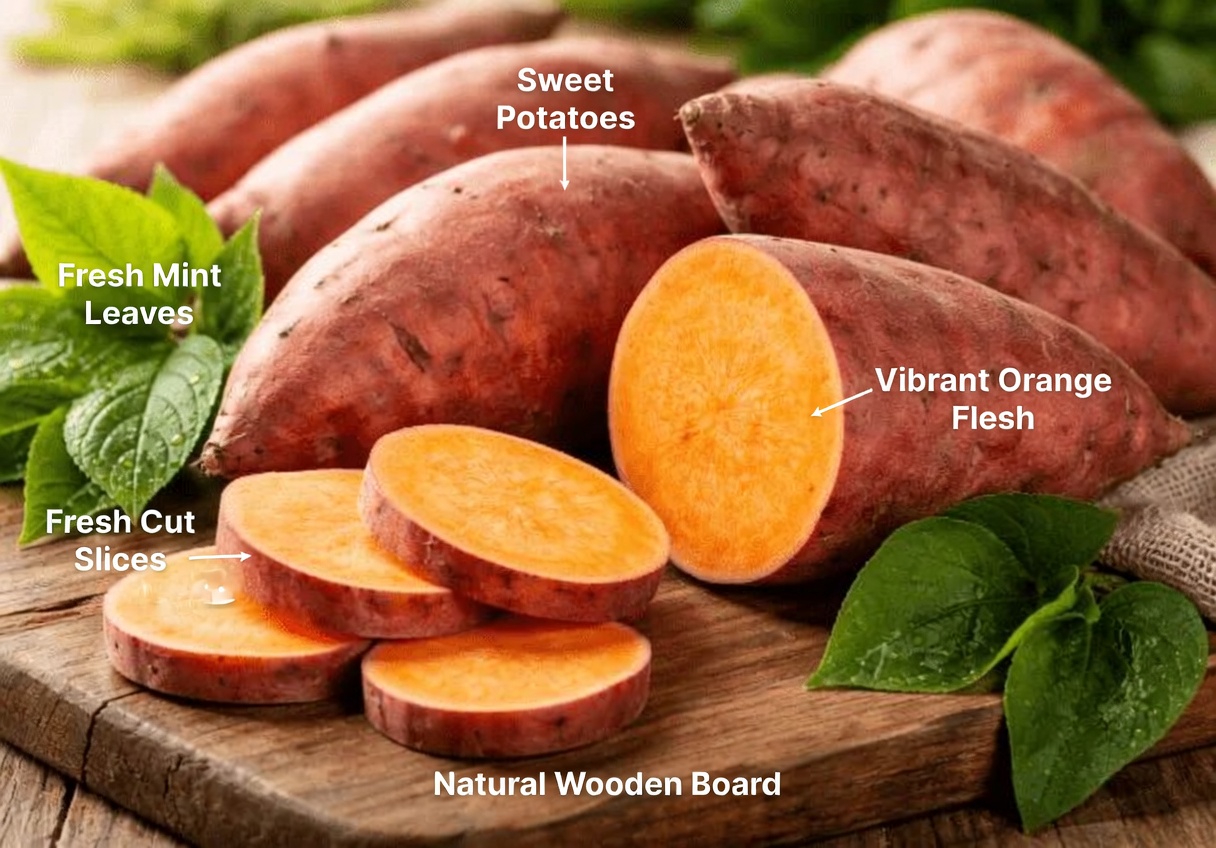
Sweet potatoes provide complex carbohydrates and fiber, which can help support more stable energy during the day. They are also rich in potassium and beta-carotene, nutrients associated with healthy blood pressure and eye function. Because they have a lower glycemic impact than many refined starches, they may help avoid big energy swings.
They are also extremely easy to prepare. Bake one medium sweet potato at 400°F for about 45 minutes with the skin on to keep more nutrients intact. Serve it as a side dish or mash it with a little olive oil. Aiming for three to four servings per week is a simple place to start.
2. Blueberries
Blueberries are loaded with antioxidants and vitamin C, which may help protect the body’s cells from everyday oxidative stress. For adults over 50, they offer a convenient way to increase nutrient intake without much planning.
Fresh and frozen blueberries are both excellent choices. Add a handful to plain yogurt, stir them into oatmeal, or blend them into a smoothie. About one cup several times a week can make a meaningful addition to your routine.
3. Spinach
Spinach is a nutrient-dense leafy green that supplies magnesium, vitamin K, and fiber. These nutrients may support bone health and digestive regularity, two areas that often deserve more attention with age.
You can sauté a generous handful with garlic for a quick side dish, or use it raw in salads, sandwiches, and wraps. Even one cup a day can add significant nutritional value without changing your meals too much.
4. Salmon
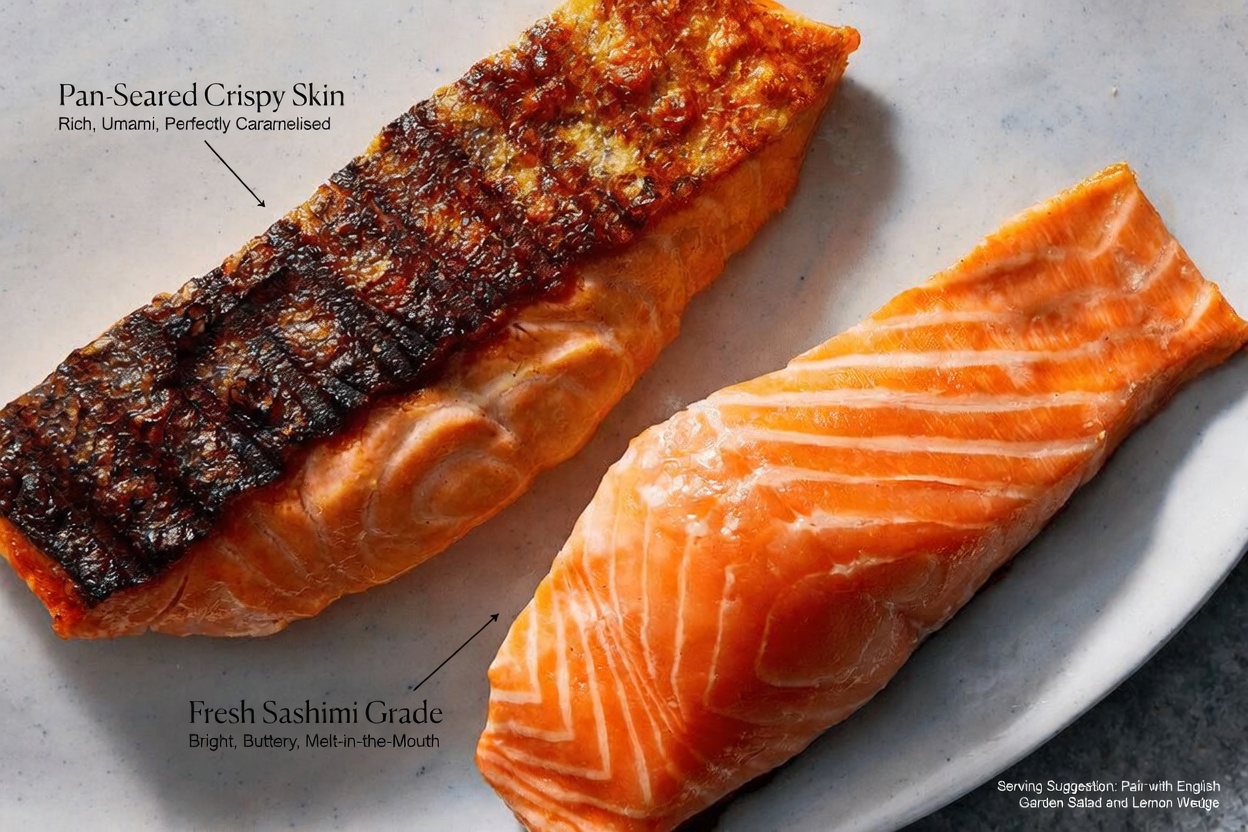
Salmon is one of the best-known sources of omega-3 fatty acids, which have been widely linked to heart health and lower levels of everyday inflammation. The American Heart Association commonly suggests eating fish at least twice a week.
A 4-ounce fillet can be baked or grilled with lemon and herbs for a simple dinner. If fresh fish is not convenient, canned salmon is also a practical option for salads or grain bowls.
5. Almonds
Almonds offer vitamin E, protein, and heart-friendly fats, making them a smart snack that can help you feel full between meals. Regular nut consumption has also been associated with benefits for skin and cardiovascular wellness.
Portion size matters, so keep it simple: one ounce, or about 23 almonds, is a satisfying serving. Enjoy them on their own or sprinkle them over oatmeal or yogurt.
6. Avocados
Avocados provide monounsaturated fats, potassium, and fiber. Many people find that these nutrients help support steady energy and satisfying meals.
Use half an avocado on whole-grain toast, slice it into sandwiches, or add it to salads. Eating a half most days can offer benefits while keeping calories in balance.
7. Oats
Oats are rich in soluble fiber, especially beta-glucan, which research has connected with maintaining healthy cholesterol levels. They also provide long-lasting energy, making them a strong breakfast choice.
Cook half a cup of rolled oats with water or milk, then top with berries, nuts, or yogurt. It takes only a few minutes and creates a balanced start to the day.
8. Greek Yogurt
Plain Greek yogurt is packed with protein, calcium, and probiotics. These qualities can support muscle maintenance, bone strength, and digestive comfort.
Choose an unsweetened variety whenever possible. Add fresh fruit, walnuts, or cinnamon for flavor. One cup daily works well as breakfast, a snack, or even part of lunch.
9. Black Beans
Black beans are an affordable source of plant protein and fiber. Studies suggest beans may help with blood sugar stability and overall heart support, both of which become increasingly important after 50.
For convenience, use canned black beans: just rinse them and add them to soups, salads, tacos, or rice bowls. They are inexpensive, filling, and ready in minutes.
10. Eggs
Eggs are a complete protein and contain key nutrients such as choline and lutein, which are often linked to brain and eye health. They are also one of the easiest high-protein foods to prepare.
Boil several at once for quick snacks, or scramble two eggs with spinach for a fast meal. Their flexibility makes them ideal for busy days.
11. Broccoli
Broccoli is a cruciferous vegetable rich in vitamins C and K, along with natural compounds that support the body’s normal protective processes. It is one of the most nutrient-dense vegetables you can eat regularly.
Steam or roast one cup for about 10 minutes. Frozen broccoli is just as useful and makes healthy dinners much easier on busy evenings.
12. Walnuts
Walnuts contain plant-based omega-3 fats and antioxidants, making them a favorite among many nutrition experts for brain and heart support.
Chop a small handful into yogurt, oatmeal, or salads. They add flavor, crunch, and a strong nutritional boost with very little effort.
Easy Ways to Make These Foods Part of Your Routine
One of the biggest advantages of this list is how naturally it fits into daily life. You do not need a perfect meal plan — just a few practical habits.
Try these ideas:
- Start breakfast with oats topped with blueberries and walnuts
- Add spinach and avocado to wraps, sandwiches, or lunch salads
- Include salmon or eggs in meals a couple of times each week
- Choose almonds or Greek yogurt for an afternoon snack
- Swap white potatoes for sweet potatoes and add broccoli as a side dish
The key is consistency, not perfection. Choose three or four foods first, then build from there as they become part of your normal routine.
Sample One-Day Meal Plan
Here is a simple way to include many of these foods in one day:
- Breakfast: Oatmeal with blueberries and a sprinkle of walnuts
- Lunch: Spinach salad with avocado, eggs, and black beans
- Dinner: Baked salmon with broccoli and a roasted sweet potato
- Snack: Greek yogurt with a few almonds
This kind of meal pattern covers most of the 12 foods without requiring special ingredients or extra shopping trips.
Final Thoughts: Small Food Choices Can Make a Big Difference
Adding these 12 natural foods to your meals is one of the simplest ways to support your body after 50. Many people find that consistent, nourishing food choices help them feel more balanced, maintain steadier energy, and improve day-to-day comfort.
Start with small changes, stay consistent, and let your body benefit from the kind of fuel it truly needs.
FAQ
How many of these foods should I aim to eat each day?
You do not need to eat all 12 every day. A more realistic goal is to include 5 to 7 different foods across your meals and snacks throughout the day or week. Variety matters more than perfection.
Are these foods good choices if I am watching my blood sugar?
Foods such as sweet potatoes, oats, berries, and beans contain fiber, which may support steadier energy and blood sugar balance. However, portion size and total meal composition still matter. It is best to discuss dietary changes with your doctor or a registered dietitian.
Can supplements replace these whole foods?
Not completely. Whole foods provide a combination of fiber, water, healthy fats, and naturally occurring compounds that supplements usually cannot fully replicate. In most cases, health experts recommend getting nutrients from food first whenever possible.
Disclaimer
This article is for informational purposes only and is not intended as medical advice, diagnosis, or treatment. Always speak with your physician or a qualified healthcare professional before making significant dietary changes, especially if you have a medical condition or take prescription medications.