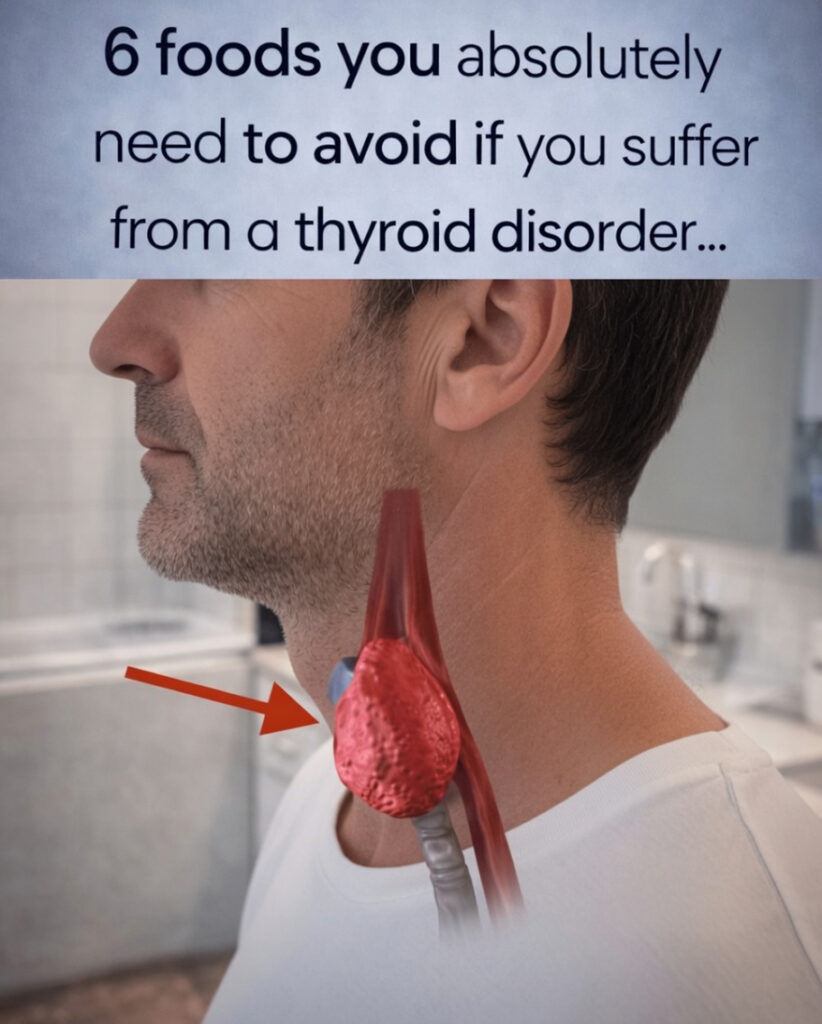
Everyday Food Choices That May Support Better Thyroid Health
Living with thyroid issues can feel frustrating in ways that affect nearly every part of the day. You may wake up tired even after sleeping well, find it difficult to manage your weight despite eating carefully, or struggle with brain fog that makes concentration harder than it should be. Over time, these symptoms can make ordinary routines feel draining and leave you wondering why your body seems out of balance.
The good news is that small adjustments to the foods you eat each day may help support healthy thyroid function. And there is one often-overlooked change at the end of this article that could have a surprisingly positive impact on your routine.
How Sugar May Disrupt Thyroid Balance
If you are already trying to support your thyroid, too much sugar can place extra pressure on the body. Research suggests that frequent spikes in blood sugar may contribute to insulin resistance, which can make hormone regulation more difficult.
That does not mean you need to eliminate every sweet food completely.
Still, when sugary treats become a daily habit, they can have a bigger effect than many people realize, especially if you are trying to maintain stable energy throughout the day.
Helpful swaps you can make now:
- Choose sparkling water with fresh lemon instead of soda
- Snack on berries rather than candy
- Read ingredient labels carefully, since added sugars often appear in foods marketed as healthy
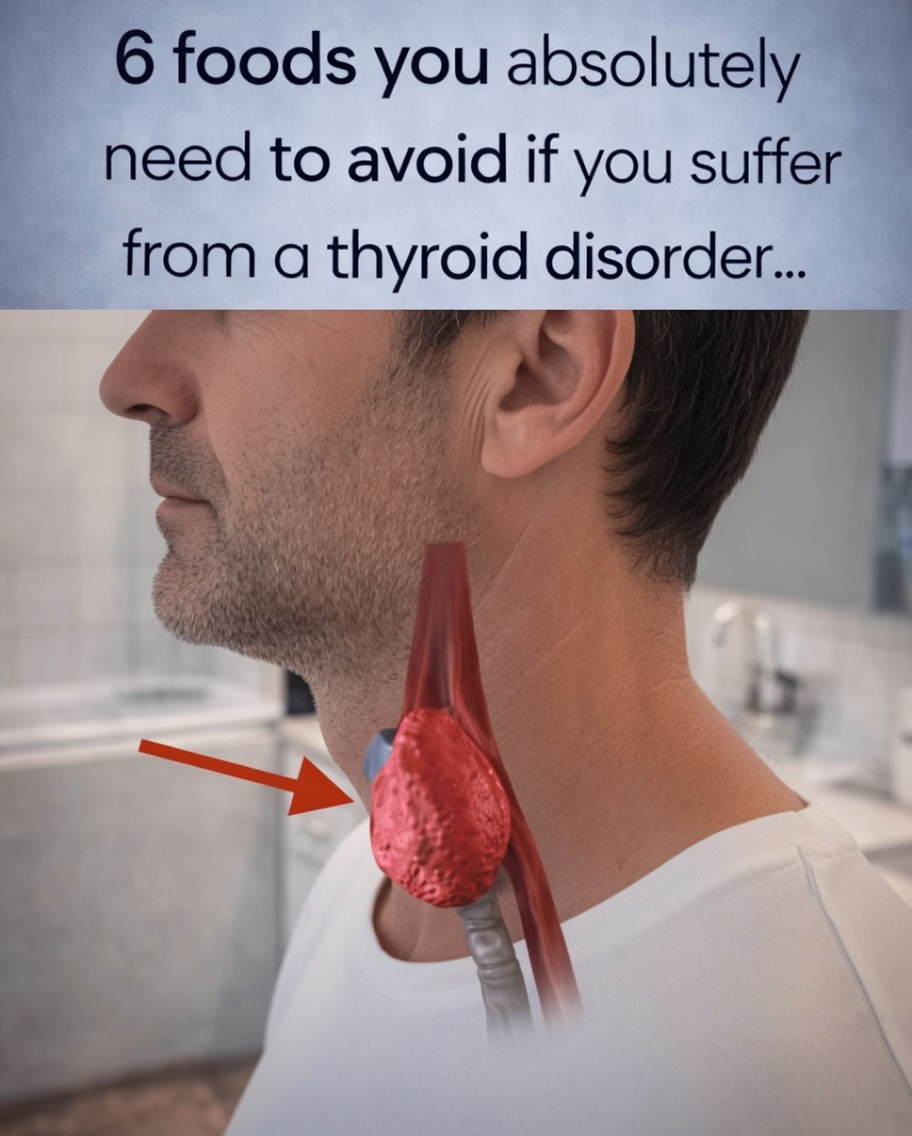
Fried Foods and Their Possible Impact on Thyroid Function
Deep-fried foods are often high in trans fats, and these fats may interfere with how the body uses thyroid hormones. Some health professionals also note that they may reduce the absorption of thyroid replacement medication, which is especially important for people who depend on it every day.
A serving of fries or other fried favorites may be satisfying in the moment, but the after-effects can sometimes leave you feeling sluggish and discouraged.
Fortunately, many people notice a difference simply by changing how their meals are prepared.
Better options to try:
- Oven-roasted sweet potato wedges with herbs
- Grilled chicken or fish instead of fried versions
- A quick vegetable stir-fry made with a small amount of olive oil
Soy Foods: Why Timing Matters
Soy is not always a problem, but it deserves attention if you are managing thyroid concerns, especially if you take thyroid medication. Studies indicate that compounds in soy may temporarily affect how well synthetic thyroid hormone is absorbed.
A practical solution is to leave about four hours between taking your medication and eating soy-rich foods. That gap gives both your medicine and your meal a better chance to work properly.
For many people, this simple timing strategy feels much more manageable than removing soy from the diet entirely.
If you are also monitoring iodine intake, this habit may be even more useful.
Gluten and Its Potential Connection to Thyroid Symptoms
People with thyroid disorders, particularly autoimmune thyroid conditions, sometimes find that gluten may contribute to inflammation in the body. Researchers are still studying the relationship between gluten sensitivity and thyroid health, but many individuals report feeling better when they pay closer attention to how gluten affects them.
You do not need to cut it out overnight. Even a gradual, mindful approach can help you notice whether reducing gluten improves how you feel.
The encouraging part is that many naturally gluten-free foods are both satisfying and easy to include in daily meals.
Simple alternatives include:
- Rice or quinoa in place of wheat-based pasta
- Lettuce wraps instead of traditional sandwich bread
- Gluten-free oats for a warm, filling breakfast

Dairy Products and Why Spacing Can Help
Dairy can be another food group worth watching. In some people, it may interfere with thyroid medication absorption or cause mild digestive discomfort that adds to fatigue. Calcium in milk products can bind to thyroid medication when consumed too close together.
If dairy tends to leave you feeling bloated, taking a short break from it may help you better understand what your body responds to best.
Many people report feeling lighter and more balanced after making this small adjustment.
Comforting alternatives to consider:
- Unsweetened almond milk or oat milk in coffee
- Coconut yogurt for probiotic support
- Leafy greens as a natural source of calcium
Raw Cruciferous Vegetables: Cooking Changes Everything
Vegetables such as kale, cabbage, and broccoli contain natural substances called goitrogens. When eaten raw in very large amounts, these compounds may interfere with how the body uses iodine. The reassuring news is that cooking significantly reduces this effect, according to multiple studies.
So there is no need to remove these vegetables from your diet. In most cases, simply preparing them differently is enough.
That way, you still benefit from their nutrients while being more supportive of thyroid health.
Smart ways to enjoy them:
- Steam them lightly rather than eating them raw all the time
- Roast them with olive oil and herbs
- Keep raw green juices or smoothies as an occasional choice rather than a daily habit
Practical Steps You Can Start Today
Supporting your thyroid does not require a perfect diet or a major lifestyle overhaul. Start with one realistic change this week. You might skip a sugary afternoon snack, switch fried meals to baked ones twice a week, or begin spacing soy away from your medication.
Then pay attention to how you feel over the next 14 days. Small improvements matter. Choosing cooked greens more often than raw ones, cutting back on hidden sugars, and planning meals around medication timing can all add up to more stable energy over time.
And here is the often-missed swap that can make a real difference: be more careful with the timing of thyroid medication around calcium-rich dairy foods or soy. Sometimes, a little planning is all it takes to help everything work more smoothly.

Final Thoughts
Being mindful of sugar, fried foods, soy, gluten, dairy, and raw cruciferous vegetables can give your body the kind of daily support it may need when you are managing thyroid health. You do not need to change everything at once. Consistent, manageable food swaps can help lead to steadier energy, clearer thinking, and better days overall.
Begin where it feels easiest, stay patient with yourself, and let those small choices build momentum over time.
FAQ
Can I still eat soy if I am trying to support my thyroid?
Yes. In many cases, soy can still fit into your diet. The key is timing. Try to wait around four hours after taking thyroid medication before eating soy foods, and keep portions moderate.
What if I enjoy fried foods but want to make better choices for my thyroid?
Baking or air-frying can give you a similar texture and flavor with fewer concerns. Try replacing one or two fried meals this week and see how you feel afterward.
Can I still have sugar while managing thyroid health?
For most people, occasional sugar is fine. A better starting point is reducing hidden added sugars rather than trying to remove all sweets immediately.
Disclaimer
This article is intended for informational purposes only and should not be considered medical advice. Always speak with your doctor or healthcare provider before changing your diet, especially if you have a thyroid condition or take medication. Every person is different, and what helps one individual may not be the best approach for another.