
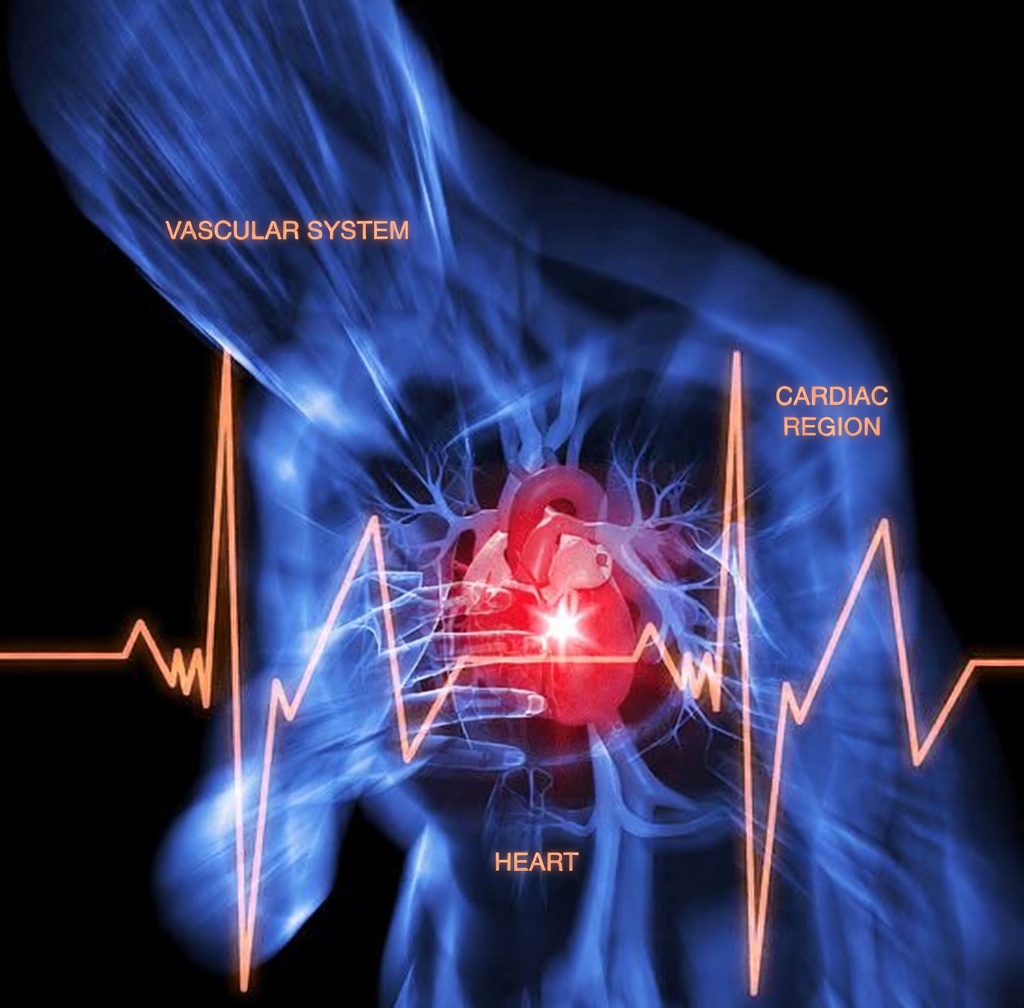
You may assume your heart is well cared for if you work out several times a week or regularly buy foods marketed as “healthy.” However, some everyday habits that seem beneficial can slowly place extra stress on the cardiovascular system. The challenge is that these routines often look responsible on the surface while quietly allowing risk factors to grow in the background.
Choices that appear smart at first glance—such as depending on exercise while sitting for most of the day, or choosing low-fat packaged products—can sometimes work against your heart instead of helping it. The encouraging part is that once you recognize these hidden mistakes, a few realistic daily changes can have a meaningful impact. In fact, one of the most overlooked adjustments is also one of the simplest: reducing long, uninterrupted sitting time.
The Exercise Mistake: Why Regular Workouts Alone Are Not Enough
Many people finish a gym session and feel they have done everything needed for heart health that day. Yet evidence suggests that extended periods of sitting can still increase cardiovascular risk, even in people who exercise consistently. Spending roughly 10 to 11 hours a day being sedentary—whether at a desk, on the couch, or on your phone—has been associated with a greater likelihood of heart failure and other heart-related problems.
Why does this happen? Sitting too long affects circulation, reduces muscle engagement, and disrupts the way the body manages inflammation and metabolism. Exercise remains extremely important, but one workout does not fully erase the effects of being inactive for the rest of the day.
That is why reducing sedentary time matters just as much as scheduling exercise.
Easy ways to move more during the day
- Stand up and walk for 2 to 5 minutes every hour.
- Pace while taking phone calls.
- Do simple stretches at your desk.
- Use a standing desk attachment if available.
- Take short walks after meals.
These small bursts of movement may seem minor, but they help keep blood flow moving and support a more resilient cardiovascular system.
The “Healthy Food” Illusion: When Low-Fat Does Not Mean Heart-Friendly
Supermarket shelves are full of products labeled “low-fat” or “light,” and many shoppers naturally assume they are better for the heart. Unfortunately, that is not always true. To improve flavor and texture, manufacturers often add extra sugar, sodium, or refined carbohydrates to these products. Over time, that mix can contribute to weight gain, unstable blood sugar, and more stress on the arteries.
Research repeatedly shows that food quality matters far more than simply cutting one nutrient like fat. Highly processed foods with hidden sodium—such as canned soups, frozen meals, and packaged snacks—can raise blood pressure because excess sodium causes the body to retain more fluid.
Smarter food swaps to support heart health
-
Potentially misleading choice: Low-fat flavored yogurt with added sugar
-
Better option: Plain Greek yogurt with fresh berries and a few nuts
-
Sneaky high-sodium food: Canned soup or frozen dinners promoted as “heart healthy”
-
Better option: Homemade meals prepared with fresh ingredients and herbs instead of excess salt
Reading labels can make a big difference. Check for added sugars, often listed with names ending in “-ose,” and compare sodium content per serving. The more you center your meals around whole foods, the easier it becomes to support healthy cholesterol, blood pressure, and steady energy levels.
Foods that generally support the heart
- Vegetables and fruits
- Whole grains
- Lean proteins
- Healthy fats from foods like:
- avocados
- nuts
- olive oil
Why Stress Is a Hidden Threat to the Heart
Stress is often treated like a mental issue only—something to push through with caffeine, longer work hours, or less sleep. But ongoing stress has physical effects. It triggers hormones such as cortisol and adrenaline, which can keep blood pressure elevated and force the heart to work harder over time. Higher levels of these stress hormones have been linked to greater cardiovascular strain.
The tricky part is that stress does not always feel dramatic. Daily job pressure, money concerns, or nonstop digital notifications can keep the body in a constant low-level state of alert. Over time, this can affect sleep, eating patterns, inflammation, and overall heart health.
Simple stress-management habits to start now
- Practice deep breathing or mindfulness for 5 to 10 minutes each morning.
- Build short screen-free breaks into your day.
- Choose movement you enjoy, such as a walk outside, to support both mental and physical health.
- Aim for 7 to 9 hours of sleep with a regular bedtime routine.
Managing stress does not mean removing it completely. That is unrealistic. The goal is to create regular recovery periods so stress hormones do not stay elevated all the time.

The “I’m Too Young to Worry” Mindset
One common mistake is believing heart health only becomes important later in life. In reality, the factors that shape cardiovascular health can begin years earlier, often without any obvious warning signs. Poor sleep, irregular physical activity, and unbalanced eating habits can create gradual damage during your 20s, 30s, and 40s.
Another frequent oversight is relying only on medication while ignoring lifestyle. Prescription treatment can be essential, but it works best when paired with supportive habits such as maintaining a healthy weight, avoiding tobacco, and staying on top of regular health checks.
Practical ways to become more aware
- Check your blood pressure during routine appointments.
- Get basic cholesterol testing, even if you feel healthy.
- Track your habits for one week:
- how long you sit each day
- what you usually eat
- how well-rested you feel
- Make one manageable change at a time:
- swap a processed snack for fresh fruit
- add a 10-minute walk after dinner
These are not extreme lifestyle overhauls. They are realistic improvements that build over time and can produce meaningful long-term benefits.
A Balanced Heart-Healthy Routine That Lasts
The most effective strategy for heart health is not finding a single miracle habit. It is creating a balanced routine made up of several supportive behaviors: eating nutrient-dense foods, limiting added sugar and sodium, moving often throughout the day, exercising regularly, managing stress, maintaining a healthy weight, and avoiding tobacco.
Simple daily checklist
- Move at least once every hour.
- Fill half your plate with fruits and vegetables.
- Choose whole foods more often than heavily processed items.
- Pause for a few deep breaths when stress rises.
- Stay active most days with moderate, consistent movement.
Perfection is not required. What matters most is steady progress. Small actions repeated daily are often more powerful than ambitious plans you cannot maintain.
The real answer may not be adding more complicated health rules. It may be identifying and removing the habits quietly undermining your heart. Once you recognize the most common traps—too much sitting despite exercise, misleading low-fat packaged foods, unmanaged stress, and the false belief that youth offers complete protection—you can make practical changes that feel sustainable and truly effective.
FAQ
How much sitting is too much for heart health?
Many specialists suggest that around 10 hours or more of sedentary time per day may increase heart-related risk, even in people who exercise. Taking short movement breaks throughout the day can help reduce that risk.
Are all low-fat foods bad for the heart?
No. Some low-fat foods can fit into a healthy diet. The problem is that many processed low-fat products contain added sugars, excess sodium, or refined carbohydrates. Whole-food sources of healthy fats are often a better choice.
Can stress really affect cardiovascular health?
Yes. Chronic stress can raise blood pressure, increase stress hormones, disrupt sleep, and contribute to inflammation, all of which can place extra strain on the heart.
Is exercise enough if I sit all day?
Not entirely. Exercise is crucial, but it does not completely offset the harmful effects of prolonged sitting. Regular movement throughout the day is also important.
What is one easy change I can start with today?
Start by getting up and moving for a few minutes every hour. It is simple, realistic, and one of the most overlooked ways to better support heart health.