
Why Drinking More Water Is Not Always the Best Hydration Fix
Many people spend the day refilling their water bottle because they have been told that more water equals better energy, clearer skin, and better health. But even after meeting that daily goal, you may still crash in the afternoon, deal with stubborn headaches, or notice your skin looks tired instead of fresh. That can feel discouraging, especially when it seems like you are doing everything right.
The reason is simple: hydration is not only about how much water you drink. In many cases, plain water by itself is not the most efficient way to keep your body properly hydrated. A smarter mix of foods and beverages can help your body absorb and retain fluids more effectively, which can have a noticeable impact on how you feel every day.
What surprises many people is that better hydration does not necessarily mean forcing down more glasses of water. A few small changes in your meals and drink choices can improve fluid balance naturally. And one of the easiest evidence-based habits may already be in your kitchen.
The Hydration Myth Most People Still Believe
For years, the standard advice has been to drink as much water as possible. It makes sense on the surface because the human body is made up largely of water. But real hydration involves more than quantity alone. Your body needs to move fluid into cells and keep it there to support energy, concentration, temperature regulation, and healthy-looking skin.
If you rely only on plain water, especially in large amounts and without food or minerals, a lot of it may move through your system quickly. That often means more bathroom trips without the lasting sense of hydration you were hoping for.
Why Plain Water Sometimes Is Not Enough
Scientific research has shown that not all drinks hydrate the body in the same way. In a widely cited 2016 study published in the American Journal of Clinical Nutrition, researchers created the Beverage Hydration Index, or BHI, to measure how well different beverages help the body retain fluid compared with plain water.
The findings were striking. Drinks that contained some electrolytes, protein, or natural carbohydrates, such as milk and oral rehydration solutions, kept fluid in the body longer than still water. In other words, participants produced less urine and maintained hydration better over several hours.
That happens because certain drinks slow stomach emptying and improve fluid absorption. Water on its own tends to pass through more quickly, especially when consumed without food. During exercise or hot weather, the issue becomes even more important because sweat removes not only water but also electrolytes like sodium and potassium. Replacing only the lost water may leave you feeling off, fatigued, or still thirsty.
This does not mean water is bad or unnecessary. Plain water remains essential. The goal is simply to use it more strategically and combine it with other helpful hydration sources when needed.
Food Plays a Bigger Role in Hydration Than Most People Realize
A large share of your daily fluid intake does not have to come from a glass. According to standard nutrition guidance, around 20% of daily hydration can come from food. That is an easy opportunity many people overlook.
Fruits and vegetables with high water content offer more than just moisture. They also provide electrolytes, fiber, and valuable nutrients that support fluid absorption and retention. Fiber slows digestion, allowing the body to absorb fluid more gradually and effectively.
Hydrating foods worth adding to your routine
- Cucumbers – about 96% water and perfect for salads or quick snacks
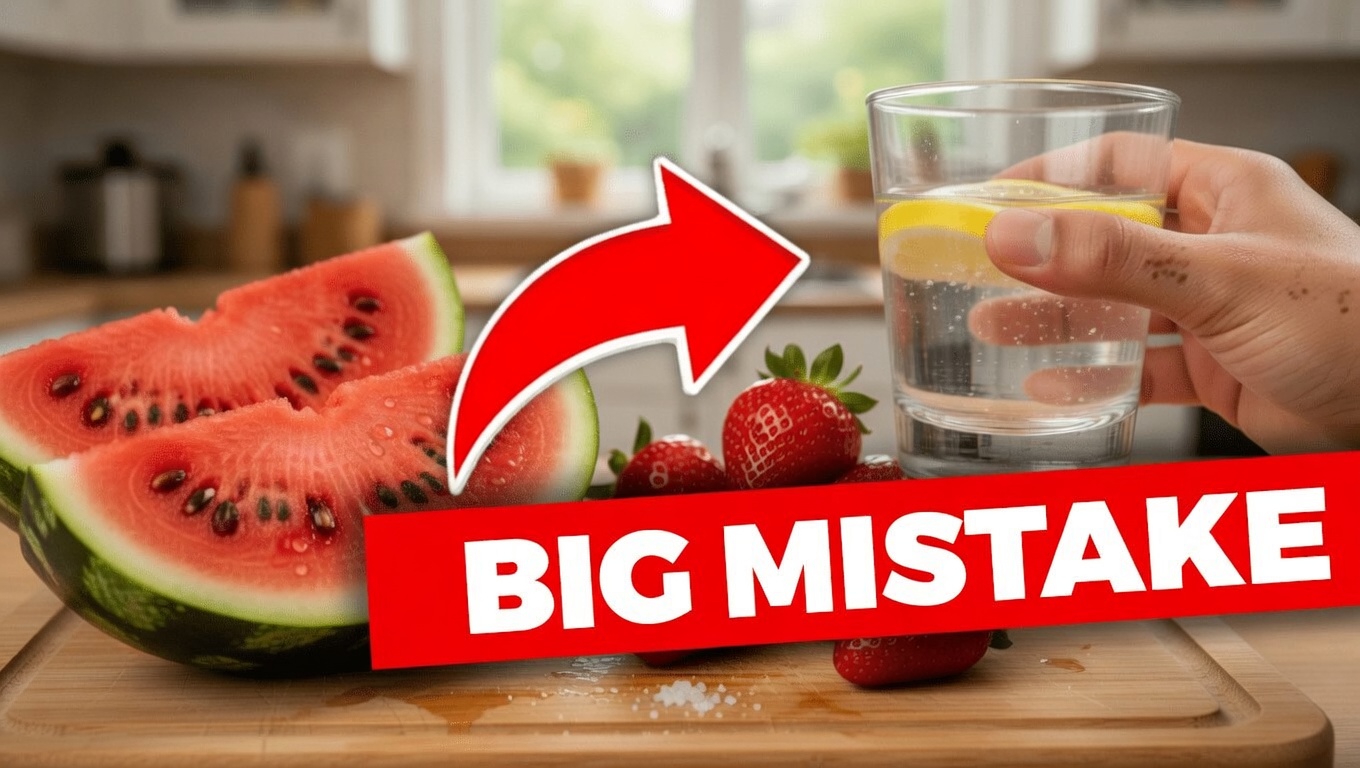
- Watermelon – roughly 92% water and a helpful source of potassium
- Strawberries – more than 91% water plus beneficial antioxidants
- Celery – around 95% water with a crisp texture that works well with dips or nut butter
- Leafy greens and lettuce – up to 96% water and easy to add to meals
- Tomatoes – close to 94% water and useful in everything from sandwiches to sauces
The best part is how simple it is. Add berries to breakfast, toss cucumber into a salad, or keep watermelon ready in the fridge. These small choices can quietly improve hydration throughout the day.
Drinks That Can Hydrate Better Than Plain Water
Research comparing common beverages found that some options outperform plain water when it comes to fluid retention. In the Beverage Hydration Index study, both skim and whole milk ranked higher than still water. Oral rehydration drinks also performed especially well.
Why are these drinks more effective in some situations? Because they contain a mix of electrolytes, small amounts of carbohydrates, and sometimes protein, all of which help the body hold onto fluid longer.
Other useful options include:
- Coconut water for natural potassium and electrolytes
- Low-sodium soups or broths for fluids plus minerals
- Water with lemon and a small pinch of salt for a simple homemade hydration boost
- Diluted oral rehydration solutions after intense sweating or heat exposure
Quick hydration comparison
-
Low-fat milk
- Helps because it contains protein and electrolytes
- Best used after exercise or as part of daily hydration
-
Coconut water
- Helps because it naturally provides potassium and minerals
- Best for hot days or light physical activity
-
Water with lemon and a pinch of salt
- Helps by adding mild natural electrolytes
- Best in the morning or during regular daily sipping
-
Diluted oral rehydration solution
- Helps because it is formulated for efficient absorption
- Best after heavy sweating or fluid loss
Simple Ways to Improve Hydration Every Day
The good news is that smarter hydration does not require expensive products or complicated wellness routines. A few practical habits can make a real difference.
Easy hydration upgrades to start now
-
Begin the day with minerals
- Drink a glass of room-temperature water with fresh lemon juice and a very small pinch of sea salt. This can help your body use that fluid more efficiently first thing in the morning.
-
Have water with food
- Instead of drinking large amounts of water on an empty stomach, pair it with fruit, yogurt, or a meal. Food can slow digestion and improve fluid retention.
-
Choose snacks with high water content
- Keep cucumbers, celery, oranges, or watermelon ready to grab during the day.
-
Make a basic homemade hydration drink
- Mix:
- 1 liter of water
- Juice from half a lemon
- 1/4 teaspoon of sea salt
- 1 teaspoon of honey
- Shake well and sip it gradually over several hours.
- Mix:
-
Pay attention to your body instead of only counting glasses
- Pale yellow urine, stable energy, and a normal sense of thirst are often better signs than hitting a rigid number.
It is also worth remembering that caffeine, dry indoor air, and long hours in air-conditioned spaces may increase your fluid needs without you realizing it. Small adjustments can go a long way.
Signs Your Hydration Routine May Need Improvement
Even if you drink water regularly, your body may still need a better hydration strategy. Common signs include:
- Ongoing fatigue even after enough sleep
- Dry, dull, or flaky skin
- Midday headaches or muscle cramps
- Feeling thirsty again soon after drinking
- Difficulty focusing or light brain fog in the afternoon
If several of these sound familiar, it may be time to look beyond plain water and support hydration in a more balanced way.
Smarter Hydration Is Simpler Than It Sounds
Effective hydration is not about drinking as much plain water as possible. It is about helping your body absorb and keep the fluid it gets. By including water-rich foods, adding electrolytes when appropriate, and choosing drinks supported by research, you can build a hydration routine that feels easier and works better.
The result can be more steady energy, sharper focus, and a healthier, more refreshed feeling overall. Start with one or two small changes this week and pay attention to how your body responds.