Soursop and Prostate Health: What the Research Really Says
As men get older, prostate health often becomes a growing concern. Issues such as frequent urination, interrupted sleep, and everyday discomfort can gradually affect quality of life. On top of that, uncertainty about possible prostate problems can create stress and make many people search for natural ways to support their well-being.
One fruit that has gained attention in wellness discussions is soursop, also known as graviola. This tropical fruit is valued for its nutrient content and long history in traditional use. Still, the key question remains: does science actually support the claims about soursop and prostate health? Let’s take a closer look at what current evidence shows.
Why Prostate Health Deserves Attention After 40
Prostate conditions, especially benign prostatic hyperplasia (BPH), affect millions of men around the world. As the body ages, hormonal shifts and lifestyle habits can contribute to prostate enlargement and related urinary symptoms. What may start as a minor annoyance can eventually interfere with comfort, sleep, and daily routines.
The encouraging part is that learning more about foods and plant compounds may help men make smarter health decisions. However, understanding the difference between early scientific promise and proven medical benefit is essential.
What Is Soursop (Graviola)?
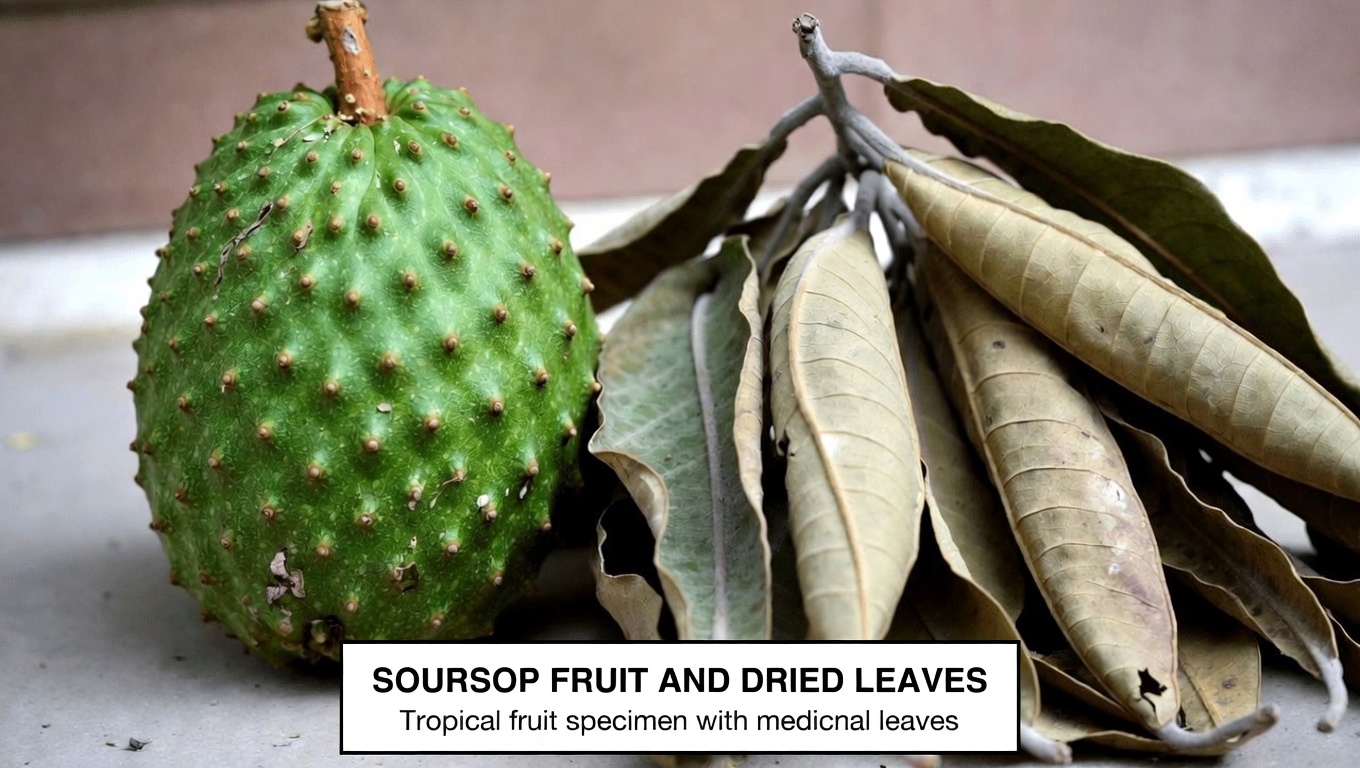
Soursop is the large, green, spiny fruit of the Annona muricata tree, which grows in tropical parts of Central and South America. Its soft, creamy flesh has a sweet-tart flavor and is commonly used in juices, smoothies, desserts, and other traditional dishes. Beyond its culinary appeal, different parts of the plant have also been used in folk wellness practices for generations.
Nutritionally, soursop stands out for several reasons:
- Vitamin C: helps support immune function and provides antioxidant protection
- Fiber: promotes digestive health and may help increase fullness
- Flavonoids and polyphenols: natural antioxidants that help combat free radicals
- Potassium and magnesium: important minerals for normal cellular function
This nutrient mix is one reason soursop has become popular in modern wellness circles. Even more interesting to researchers are its plant compounds, especially those being studied for their potential effects on prostate tissue.
What Preclinical Research Suggests
This is where the topic becomes especially interesting. A number of laboratory studies and animal experiments have explored whether extracts from soursop leaves, seeds, and pulp may influence prostate-related changes.
Some findings from preclinical research include:
-
Reduction in prostate weight in animal models
- A 2020 peer-reviewed study reported that an acetogenin-rich extract from soursop leaves reduced prostate weight and improved antioxidant status in rats with induced BPH.
-
Lower inflammation and oxidative stress
- Research involving seed extracts, including hexane fractions, found decreases in inflammatory activity and oxidative stress in similar animal models.
-
Effects on prostate cancer cell lines
- In cell-based studies, compounds known as annonaceous acetogenins have shown the ability to affect prostate cancer cells such as PC-3 cells, including promoting apoptosis under controlled lab conditions.
-
Possible influence on enzyme activity
- Scientists have also observed inhibition of certain enzymes associated with hypoxia in prostate cells, which may help slow cell growth in experimental settings.
These results are promising from a scientific standpoint. However, there is one major limitation that cannot be ignored: these studies were not conducted in humans.
The Key Limitation: No Strong Human Proof Yet
Although soursop has shown potential in test tubes and animal studies, that does not mean it has been proven to improve prostate health in people. Major health organizations, including Cancer Research UK and MD Anderson Cancer Center, note that current evidence is still too limited to confirm direct benefits for human prostate conditions.
In other words, soursop should be viewed as a subject of ongoing research, not as an established treatment. The science is interesting, but still preliminary.
That distinction matters because many online claims present early findings as if they were already proven facts. At this stage, the evidence simply does not support that conclusion.
Safety Concerns You Should Not Ignore
Any balanced discussion about soursop must also include its potential risks. Some of the same compounds that appear active in laboratory studies may become problematic when used in high amounts or over long periods.
One particular compound, annonacin, has been linked in some observational research to movement disorders resembling Parkinson’s disease. This concern has been associated especially with heavy consumption of soursop leaves, teas, or concentrated extracts. Because of this, sources such as WebMD and other health references caution that regular use of graviola supplements may be possibly unsafe.
Other safety points to keep in mind:
-
Low blood pressure
- Soursop may have mild blood-pressure-lowering effects, so people with hypotension or those taking blood pressure medication should be careful.
-
Blood sugar management
- It may influence glucose levels, which is important for anyone monitoring diabetes or insulin sensitivity.
-
Pregnancy and breastfeeding
- Use should be avoided during pregnancy and while breastfeeding.
-
Concentrated forms require caution
- Fresh fruit in normal food amounts is generally considered safer than extracts, supplements, or strong herbal teas.
The takeaway is simple: eating the fruit occasionally is very different from taking concentrated soursop products regularly. This is an important detail that many health headlines leave out.
How to Try Soursop More Responsibly
If you are interested in adding soursop to your diet and your healthcare provider agrees, the best approach is to keep it moderate and practical. Here are some sensible ways to explore it:
-
Choose fresh fruit first
- Buy ripe soursop when available, remove the seeds, and blend the pulp into a smoothie with banana or coconut water.
-
Use tea sparingly
- If using dried leaves, keep the amount small, around 1 teaspoon per cup, steep for 5 to 10 minutes, and avoid frequent use.
-
Add it to meals
- Mix the pulp into yogurt, fruit bowls, salads, or homemade frozen desserts.
-
Pay attention to your body
- Track how you feel after trying it and stop use if you notice anything unusual.
-
Support your prostate in other ways too
- Pair any dietary experiment with regular physical activity, a vegetable-rich diet, weight management, and recommended prostate screenings.
These steps help you enjoy soursop’s flavor without turning it into an unsafe or exaggerated health strategy.
Soursop as Part of a Bigger Prostate Wellness Strategy
No single fruit can solve prostate issues on its own. If soursop offers any benefit, it would likely work best as part of a broader health plan rather than as a standalone answer.
A more effective long-term approach to prostate wellness includes:
- staying physically active
- maintaining a healthy body weight
- eating a balanced, nutrient-dense diet
- sleeping well
- keeping up with regular checkups and screenings
- discussing symptoms early with a doctor
Soursop may fit into that picture because of its antioxidant and anti-inflammatory properties, but it should be seen as one small piece of the puzzle, not a miracle remedy.
Frequently Asked Questions About Soursop and Prostate Health
Can I eat soursop every day for prostate support?
For many healthy adults, moderate amounts of fresh soursop fruit may be acceptable as part of a varied diet. However, daily use of high-dose supplements, extracts, or leaf tea is not recommended unless a healthcare professional specifically advises it.
Is there strong clinical evidence that soursop helps prostate problems?
No. Current evidence comes mainly from lab research and animal studies. There are no large human clinical trials proving that soursop can treat or prevent prostate conditions.
What should I do if I notice side effects?
Stop using it immediately and contact your healthcare provider. Symptoms such as digestive discomfort, unusual weakness, dizziness, or anything else concerning should be evaluated professionally.
Final Thoughts
Soursop is an intriguing tropical fruit with valuable nutrients and plant compounds that have attracted scientific interest. Early studies suggest possible antioxidant, anti-inflammatory, and prostate-related effects, but the evidence is still incomplete and far from conclusive in humans.
The smartest approach is to focus on moderation, safety, and medical guidance. Enjoy soursop as a food if it suits your diet, but do not rely on it as a replacement for proper prostate care, medical screening, or evidence-based treatment.
Disclaimer: This article is for informational and educational purposes only and should not be considered medical advice. Always consult a qualified healthcare professional before making changes to your diet, supplements, or treatment plan.