Baking Soda and Toothpaste for Hand Care: What to Know Before Trying This Viral DIY Mix
Our hands often reveal signs of daily stress earlier than we expect. Constant contact with sunlight, water, soap, and household tasks can gradually make the skin feel rougher, drier, and less even in appearance. For many people, that can affect confidence in everyday moments, from handshakes to close-up photos. Because of this, a simple DIY blend made from two common household products has become popular among those looking for a budget-friendly way to refresh their hand care routine.
One of the most talked-about home methods involves baking soda and toothpaste. It sounds easy, affordable, and convenient, which explains the growing interest. Still, the most important part is not just how to mix it, but how to use it carefully, what skin experts say about it, and which precautions matter most. Below, you’ll find a full step-by-step guide, safety tips, and practical alternatives for healthier everyday hand care.
Why the Baking Soda and Toothpaste Trend Became So Popular
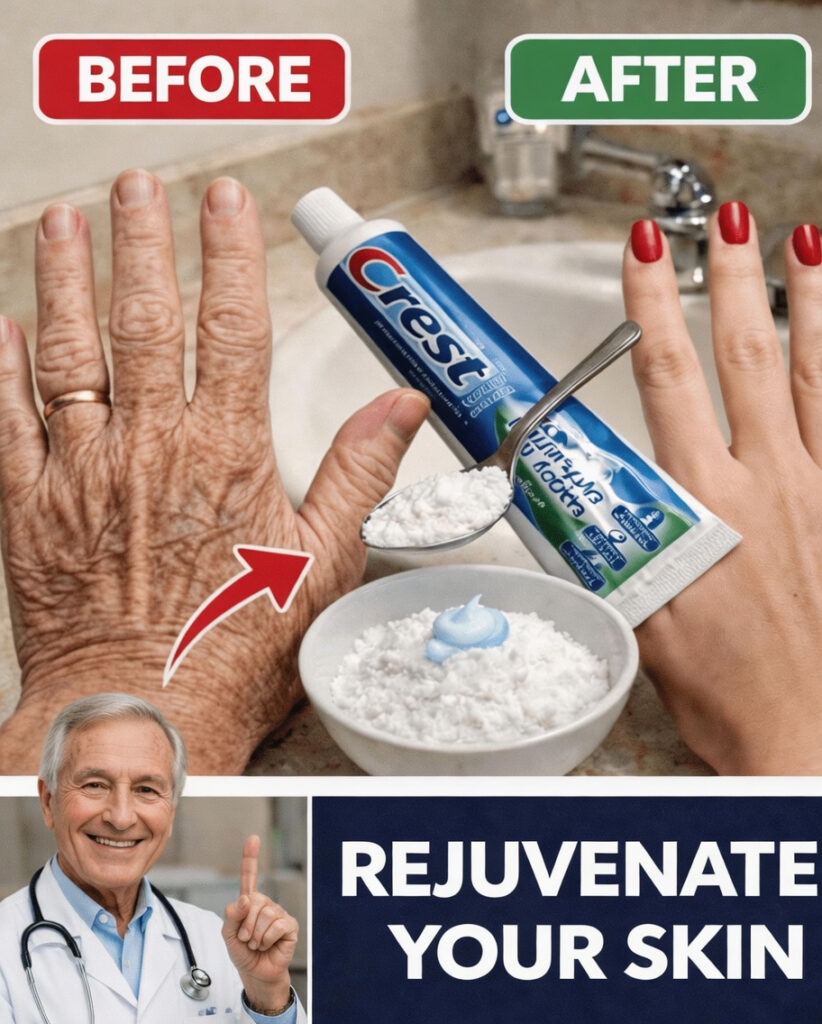
Social media is filled with fast beauty and self-care hacks, and this one stands out because it uses products many people already have at home. In short videos and tutorials, users combine baking soda with toothpaste to create a paste, then spread it over their hands and sometimes their arms.
The main attraction is simplicity:
- No special tools are needed
- The ingredients are inexpensive
- The process takes only a few minutes
- It appears easy to do at home
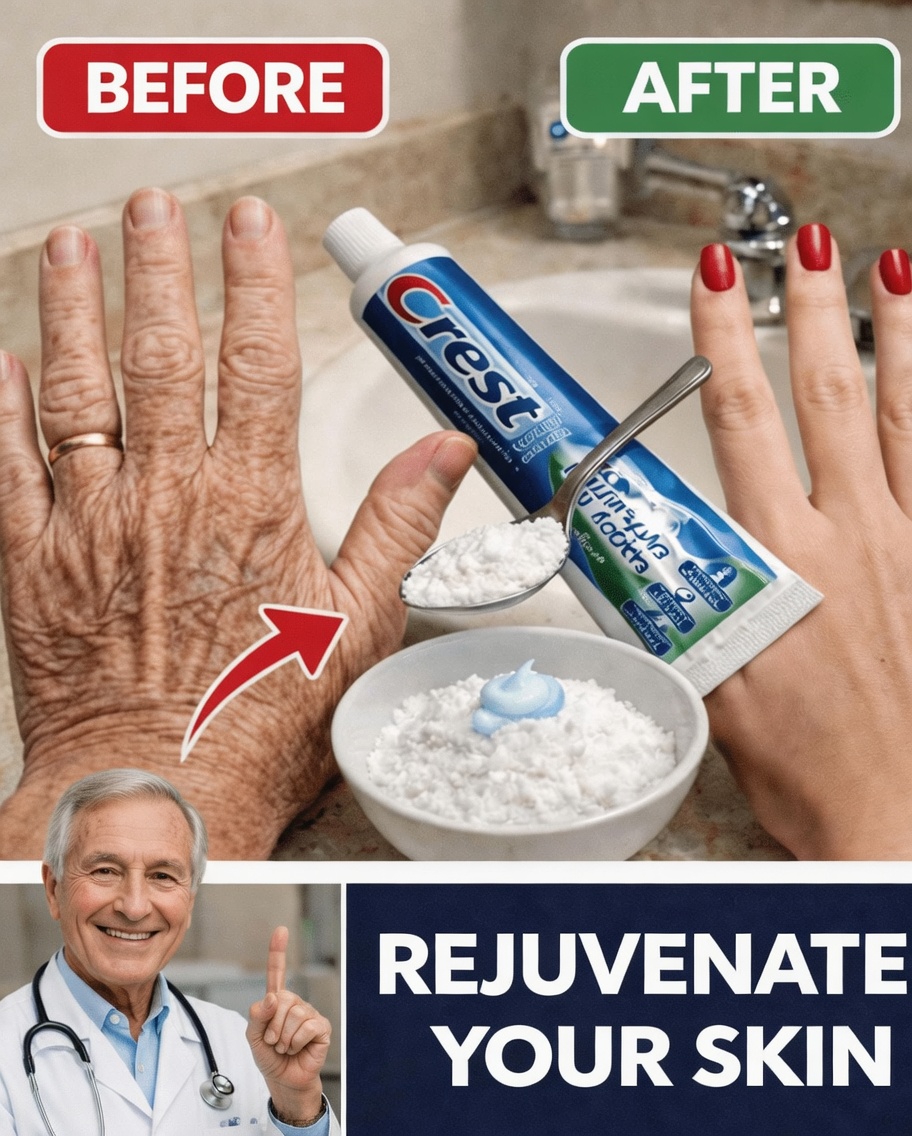
However, online trends rarely tell the full story. Some people report that their skin feels smoother for a short time after using the mixture, but results are not the same for everyone. Skin reacts differently depending on sensitivity, dryness, and overall condition. That is why it is worth understanding the ingredients and the science behind this method before trying it yourself.
Understanding the Two Main Ingredients
Baking Soda
Baking soda, also known as sodium bicarbonate, is a fine powder commonly used in cooking and cleaning. In DIY skin care conversations, it is often mentioned because of its mild abrasive quality, which may help lift away surface buildup when turned into a paste.
Toothpaste
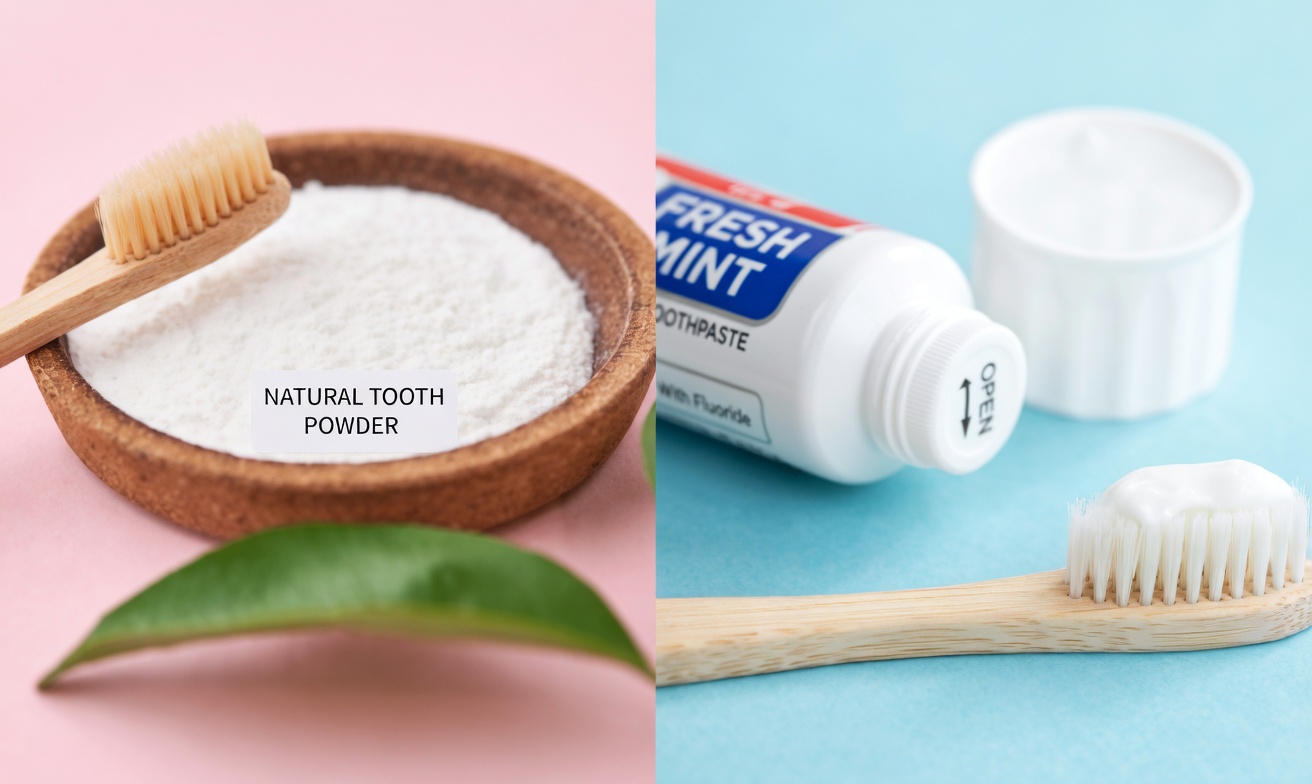
Toothpaste is made for oral care, not for skin. Many formulas contain polishing agents, flavoring, foaming ingredients, and other compounds intended for teeth and gums. Some people prefer plain white, non-gel toothpaste in this mixture because it tends to create a smoother scrub-like texture.
When these two ingredients are mixed, they form a paste that acts like a basic physical exfoliant. Light exfoliation can temporarily improve the look and feel of the skin’s surface. But there is an important concern: skin pH balance.
Healthy skin usually has a slightly acidic pH, typically between 4.5 and 5.5. Baking soda is much more alkaline, with a pH around 9. According to many dermatologists, repeated exposure to alkaline substances may weaken the skin barrier, which can lead to dryness, tightness, or irritation over time.
How Some People Prepare and Use the Mixture
If you are curious about this DIY trend, the method below reflects the basic version commonly shared online. It should always be approached carefully and treated as an experiment rather than a guaranteed skin care solution.
Ingredients for One Application
- 2 tablespoons of baking soda
- A small pea-sized to teaspoon-sized amount of plain white toothpaste
- A few drops of water, only if needed
- A clean bowl and spoon for mixing
Step-by-Step Instructions
-
Clean your hands first
Wash your hands with a gentle cleanser and dry them completely. -
Prepare the paste
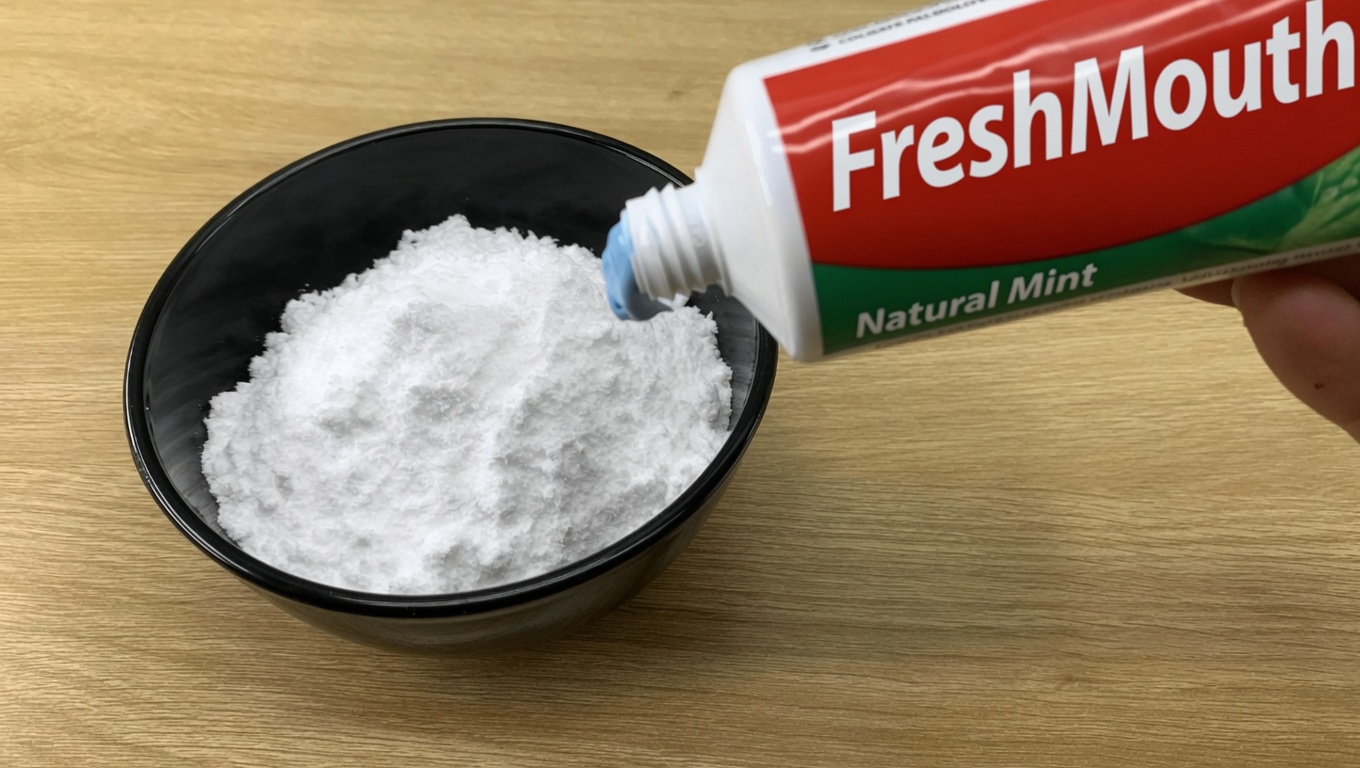
Put the baking soda into a clean bowl. Add the toothpaste and stir until a smooth paste forms. If the mixture is too thick, add only a tiny amount of water. -
Do a patch test
Apply a small amount to the inside of your wrist or forearm. Wait 24 hours to check for redness, itching, burning, or discomfort. -
Apply lightly
If no reaction appears, spread a thin layer over the backs of your hands and fingers. Use soft circular motions for about 1 minute. -
Let it sit briefly
Leave it on for 3 to 5 minutes. Do not exceed 10 minutes. -
Rinse thoroughly
Wash away all residue using lukewarm water. -
Moisturize immediately
Apply a rich, fragrance-free hand cream right after rinsing to help restore moisture.
The full process usually takes less than 15 minutes. People who choose to try it often limit use to once or twice a week at most to avoid over-drying the skin.
What Dermatologists Generally Say About This DIY Method
Many skin care professionals advise caution with this trend. Resources such as Healthline note that baking soda may work as a mild physical exfoliant in limited situations, but its alkalinity can disturb the skin’s natural barrier if used too often. Once that protective barrier is weakened, dryness and irritation become more likely.
Toothpaste raises another concern because it is not designed for use on the hands or body. Its ingredients vary from brand to brand, so one product may feel fine to one person and trigger a reaction in another.
Because of these factors, experts usually recommend using products specifically made for hand or body care. These are more likely to be:
- pH-balanced for skin
- Dermatologically tested
- Less likely to disrupt the skin barrier
- Designed for regular use
If you have sensitive skin, eczema, cuts, irritation, or any ongoing skin condition, it is best to avoid this mixture and speak with a dermatologist before experimenting.
Quick Safety Checklist
Before trying a baking soda and toothpaste scrub, keep these precautions in mind:
- Stop immediately if you feel burning, stinging, or tightness
- Never apply it to broken, inflamed, or irritated skin
- Always use a moisturizer afterward
- Avoid using it every day
- Always perform a patch test first
These simple steps can reduce the chance of an unpleasant reaction.
Better Everyday Habits for Healthier-Looking Hands
Instead of relying on one DIY mixture, a steady hand care routine usually gives more dependable results over time. The following habits are widely recommended for maintaining the look and comfort of hand skin:
- Apply broad-spectrum sunscreen to your hands every day, even indoors if you spend time near windows
- Use a moisturizing hand cream after each hand wash
- Look for ingredients such as ceramides or hyaluronic acid
- Wear protective gloves when cleaning or doing tasks that involve water and strong products
- Choose gentle exfoliants made for skin rather than kitchen or bathroom items
These practices support the skin barrier, reduce daily wear, and help your hands stay more comfortable without unnecessary risk.
DIY Mix vs. Other Hand Care Options
To better understand where this trend fits in, here is a simple comparison of common hand care approaches:
Comparison Table
| Approach | Cost | Ease of Use | Safety Considerations | Suggested Frequency |
|---|---|---|---|---|
| Baking Soda + Toothpaste | Very low | Very easy | Needs patch testing and caution | 1–2 times per week maximum |
| Dedicated Hand Creams | Low to medium | Easy | Usually pH-balanced and skin-friendly | Multiple times daily |
| Gentle Skin Exfoliants | Medium | Moderate | Formulated specifically for skin | Follow product instructions |
| Professional Treatments | Higher | Less convenient | Supervised by a dermatologist or specialist | As recommended |
This comparison shows why many people prefer combining simple daily protection with products made specifically for skin. That approach is often more reliable for long-term hand care.
Frequently Asked Questions
Is this mixture safe for every skin type?
No. Some people may tolerate it without a problem, while others may experience dryness or irritation, especially if their skin is naturally sensitive or already dry. A patch test is the safest first step if you decide to try it.
How often should it be used?
Most people who use this DIY method keep it to once or twice a week at most. Using it more often can increase the risk of dryness and discomfort.
Are there easier ways to make hands look refreshed?
Yes. Most dermatologists recommend focusing on the basics:
- Daily sunscreen
- Consistent moisturizing
- Gentle exfoliation with skin care products made for the body or hands
These habits are usually safer and more predictable than homemade mixtures.
Final Thoughts
The popularity of the baking soda and toothpaste hand care trend shows how creative people can be with everyday products. While the mixture may appeal because it is cheap and easy, real hand care is built on gentleness, protection, and hydration. Whether you test this viral DIY scrub or stay with traditional skin care products, the best routine is the one that keeps your skin comfortable and suits your individual needs.
Disclaimer
This article is provided for informational and educational purposes only and is not medical advice, diagnosis, or treatment. Results and skin reactions can vary from person to person. Always consult a qualified dermatologist or healthcare professional before trying any new skin care routine or homemade mixture, especially if you have sensitive skin or an existing skin condition. If irritation occurs, stop using the product immediately and seek medical advice if necessary. Your skin’s health and safety should always come first.