
A Simple Daily Habit That May Help Support Healthy Creatinine Levels
Seeing a higher-than-normal creatinine result on a lab report can be unsettling. Because creatinine is a waste product linked to kidney filtration, elevated numbers often make people worry about how well their kidneys are functioning. That concern is understandable, especially since kidney health can influence energy levels, physical comfort, and long-term well-being.
The encouraging part is that one small lifestyle adjustment may help support your body’s natural balance in a simple, practical way.
Many health professionals point to one easy daily habit that can assist the body’s normal cleansing processes. In this article, you’ll learn what that habit is, how to build it into your routine, and one often-overlooked way to make it easier to maintain.
What Creatinine Is and Why It Matters
Creatinine is produced naturally when muscles use energy. Under normal circumstances, the kidneys filter it from the bloodstream and remove it through urine. When blood test results show higher creatinine levels, it may be a sign that the kidneys are not filtering as efficiently as expected.
Organizations such as the National Kidney Foundation note that creatinine is one of the key markers used to monitor kidney function. The good news is that everyday habits can play a meaningful role in supporting these natural processes.

The Link Between Hydration and Kidney Function
One common reason creatinine may rise temporarily is dehydration. When the body does not get enough fluids, the blood becomes more concentrated, and blood flow to the kidneys may decrease. That can affect how efficiently filtration occurs.
Medical reviews and population-based studies suggest that staying properly hydrated helps support kidney filtration and may help keep creatinine in a healthier range when dehydration is part of the problem. Several observational studies also associate regular water intake with better kidney-related health markers over time.
This leads to the simple habit: drinking enough water consistently throughout the day.
Why Drinking Enough Water Can Make a Difference
Water helps the kidneys remove waste, including creatinine. When you are well hydrated, circulation tends to work more effectively, blood vessels remain better supported, and the kidneys can do their job more smoothly.
Research examining fluid intake in larger populations has found that higher water consumption may be linked to a slower decline in certain measures of kidney function in some groups. Results differ from person to person, but hydration is often a helpful part of an overall healthy routine.
There is another benefit as well: many people feel better day to day when they stay hydrated, with improved comfort and steadier energy.
Easy Ways to Build a Water-Drinking Habit
The best part is that this habit is simple to start. You do not need a complicated plan to make meaningful progress.
Try these practical strategies:
- Drink one full glass of water soon after waking up.
- Keep a reusable water bottle with you so you can sip regularly instead of drinking large amounts all at once.
- Use phone reminders or a hydration tracking app to stay consistent.
- Add natural flavor with lemon, cucumber, or mint if plain water feels boring.
- Include water-rich foods such as fruits and vegetables in your meals and snacks.
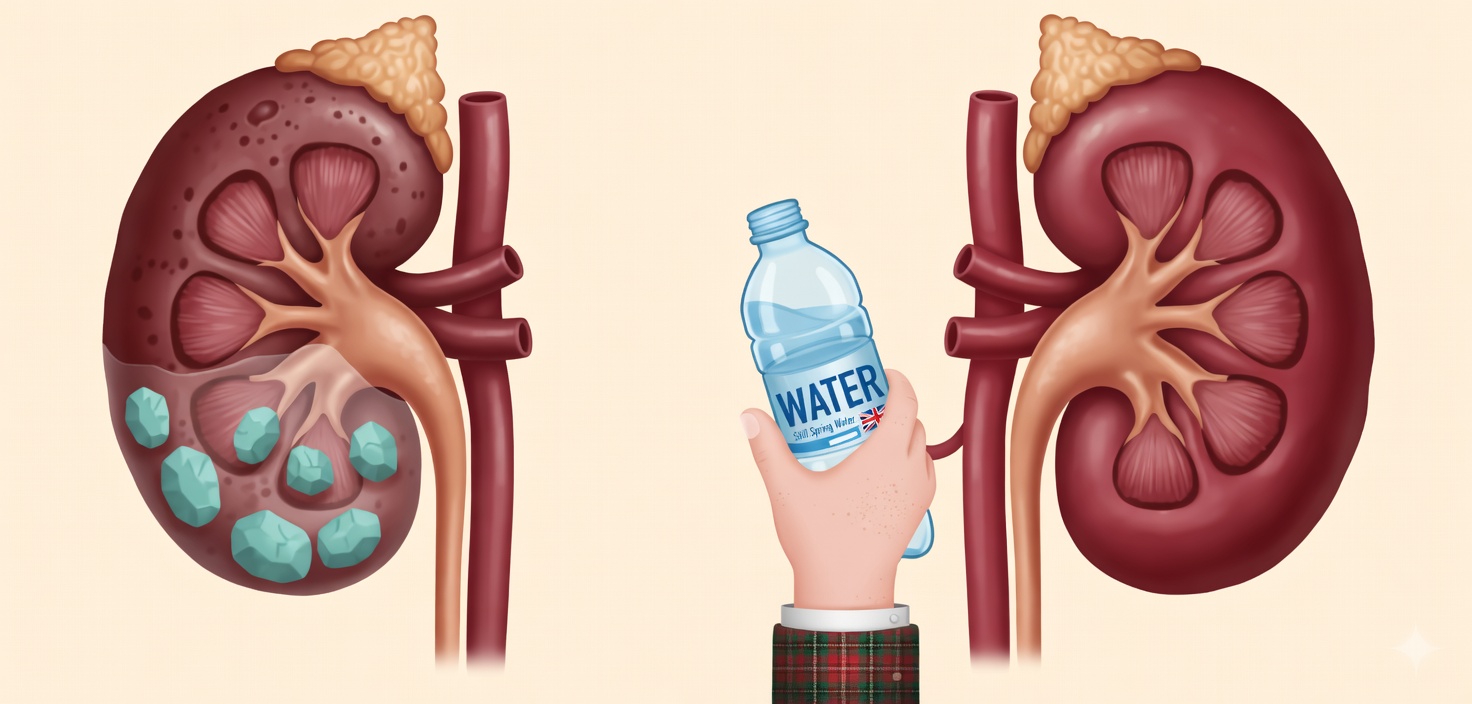
Consistency matters more than perfection. Many adults do well with around 6 to 8 glasses of water a day, but individual needs depend on factors such as climate, activity level, and personal health. It is always best to ask your doctor what amount is right for you.
Signs You May Need More Hydration
If you want to stay ahead of dehydration, pay attention to common warning signs. Your body may need more fluids if you notice:
- Thirst or a dry mouth
- Dark yellow urine
- Afternoon fatigue or headaches
- Dry skin
- Trouble focusing
Addressing these early may help support your efforts to maintain healthier creatinine levels and better overall wellness.
Healthy Habits That Complement Hydration
Drinking enough water is a strong starting point, but it works even better alongside other supportive lifestyle choices.
Consider adding these habits:
- Eat a balanced diet rich in vegetables, fruits, and whole grains for more fiber.
- Reduce excess animal protein and highly processed foods that are high in sodium.
- Stay active with moderate exercise on most days to support healthy circulation.
- Avoid smoking and limit alcohol intake, both of which may negatively affect kidney health.
These are general wellness strategies that can support your body as a whole.
Mistakes to Avoid When Increasing Water Intake
A common mistake is trying to change too much too quickly. If drinking more water is new for you, increase gradually so the habit feels manageable and sustainable.
Another important point: people with kidney disease, heart conditions, or certain medications may need specific guidance about fluid intake. In some cases, drinking too much water can also be a concern. That is why personalized medical advice matters.
It is also best not to rely mainly on sugary beverages or highly caffeinated drinks for hydration. Plain water is usually the most effective and dependable choice.

A Small Habit That Supports Long-Term Wellness
Making water a regular part of your day is not a quick fix. It is a simple, steady way to support your body’s natural filtration system over time. When practiced consistently for weeks and months, this habit may contribute to better comfort, improved routine wellness, and stronger daily balance.
Sometimes the most effective health habits are also the simplest. A small action, repeated every day, can become second nature and support long-term well-being.
Frequently Asked Questions
How much water should I drink to support kidney health?
Many general guidelines suggest that adults aim for about 2 to 3 liters of total fluid per day, with much of that coming from plain water. However, your ideal amount depends on your body, lifestyle, and medical situation.
Can drinking more water completely lower high creatinine?
Hydration can help support kidney function, especially when dehydration is contributing to elevated creatinine. However, it is not a guaranteed solution for every cause. If your lab results are high, speak with a healthcare professional for proper evaluation.
Are there other easy morning habits that support the kidneys?
Yes. Gentle stretching, a fiber-rich breakfast, and a calm start to the day can all complement good hydration. The most helpful routines are usually the ones you can maintain consistently.
Disclaimer
This article is for educational purposes only and is not medical advice. It is not intended to diagnose, treat, or cure any condition. Always consult a doctor or qualified healthcare professional before making changes to your diet or lifestyle, especially if you have existing health issues or concerns about creatinine levels or kidney function. Individual needs can vary significantly.