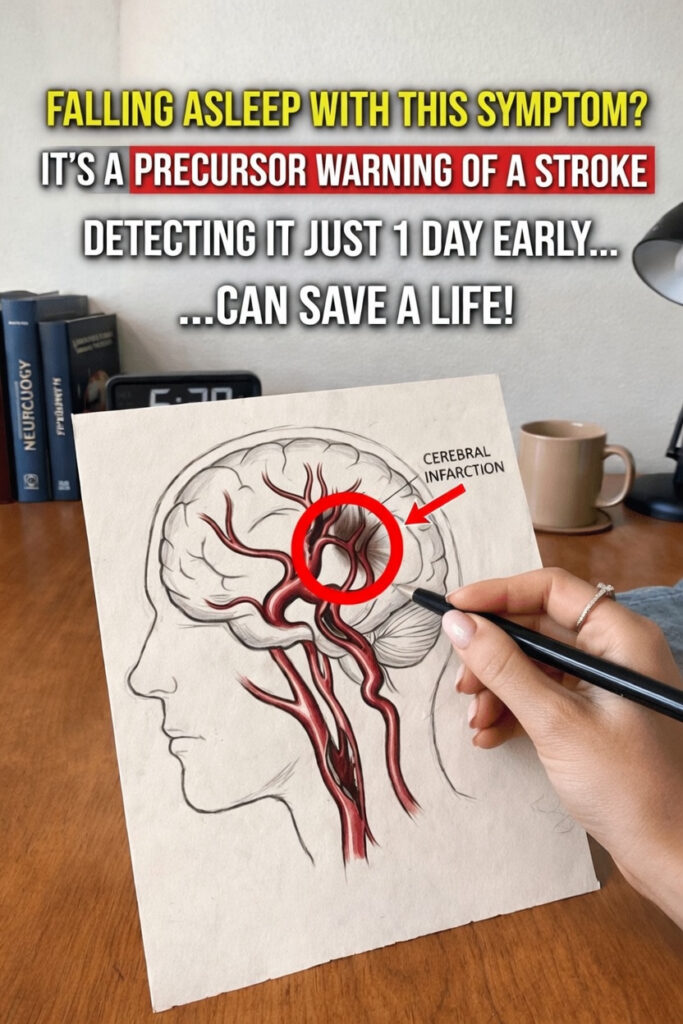
Waking Up With Unusual Body Sensations: Why It Deserves Attention
Experiencing a strange feeling in your body when you wake up can be unsettling, especially if it lasts longer than expected or keeps happening. It is easy to blame it on an awkward sleeping position or ordinary tiredness, but the uncertainty can quietly become stressful. Many people are left wondering whether they should ignore it or take it more seriously.
The good news is that paying attention to these signals can improve the way you manage your health day to day. Later in this article, you will find a simple checklist that makes it easier to stay aware without overcomplicating things.
How Sleep Connects to Brain Health
Sleep is not just a time for rest. It is also when the body performs essential recovery processes, including helping maintain healthy circulation to the brain. According to research referenced by organizations such as the American Stroke Association, disturbances during sleep may sometimes be linked to broader cardiovascular trends.
A lot of adults notice mild or unusual changes at night but never bring them up during a medical visit. In a busy routine, these signs can seem too minor to mention. Still, noticing recurring patterns over time can lead to more informed and productive conversations with a healthcare professional.
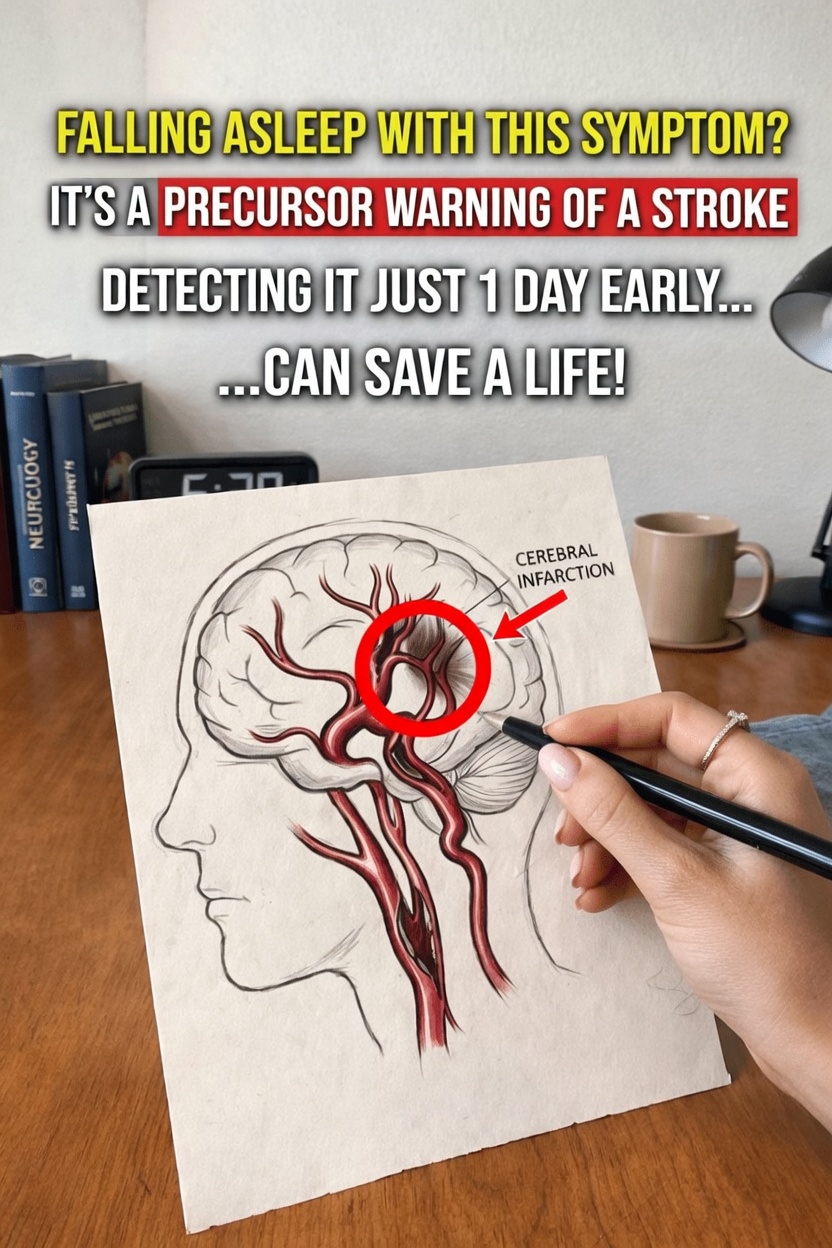
Sensations Some People Notice During Sleep
Unexpected physical feelings can happen suddenly and feel alarming. In general health discussions, experts often mention symptoms such as:
- Tingling or numbness in one arm or leg that feels different from typical temporary “pins and needles”
- A sudden sense of heaviness or weakness on one side of the body after waking up
- Headaches that begin during the night and continue into the morning
That said, these symptoms do not automatically point to a serious issue. They may be related to many common factors, including sleep posture, muscle tension, or stress. What matters most is whether they happen repeatedly or follow a pattern.
Why Timing Can Be Important
Research suggests that certain nighttime changes may appear hours or even days before other more obvious symptoms. A 2005 medical review reported that, in some cases, early warning patterns were observed before more noticeable developments occurred.
This is also the reassuring part: people who recognize changes early and respond quickly often have better outcomes. For many, the most helpful step begins with one very simple habit—paying attention.

Simple Things You Can Do Tonight
You do not need special tools or devices to improve awareness and support better sleep. Start with these practical steps:
- Write down any unusual feeling in your phone before you forget it, including the time, which side of the body it affected, and how long it lasted
- Try sleeping on your back or on your side with a supportive pillow to help promote more comfortable circulation
- Keep your room cool and dark to encourage deeper and more restorative sleep
- Check your notes each morning and mention any repeated symptoms to your doctor during your next appointment
These small actions take very little time, but they can build valuable long-term awareness.
Everyday Habits That Help Support Healthy Blood Flow
Sleep is only one part of the bigger picture. Daily routines also play a role in supporting healthy circulation. Experts often recommend:
- Drinking enough water throughout the day
- Staying active with regular walking or light stretching
- Reducing stress with simple breathing techniques
Even though these habits are basic, they can still help your body maintain more stable rhythms during rest. Another benefit is that they are easy to adopt, cost nothing, and can fit into almost any lifestyle.

Common Questions About Sleep and Brain Health
What if I notice something unusual only once?
A single episode is often not a major concern, but keeping track of symptoms makes it easier to identify patterns and gives your doctor a clearer picture if needed.
Can changing the way I sleep really help?
Yes, in some cases. Research has connected certain sleeping positions with better overnight comfort and circulation, so even a small change may make a noticeable difference.
When should I talk to a healthcare professional?
If you experience any sudden, repeated, or worrying change, it is a good idea to speak with a qualified medical provider. Early discussions can offer clarity and peace of mind.
Final Thoughts: Small Habits, Greater Confidence
Being more aware of how you feel during the night does not need to be overwhelming. By combining simple symptom tracking with healthy daily habits, you can create a practical support system for your brain health. The biggest benefit is often a greater sense of control and more confidence when you wake up each day.
Remember, awareness is one of the most valuable tools you have. Sharing this information with someone close to you could help them pay closer attention to their own health as well.
Disclaimer
This content is intended for informational purposes only and should not be considered medical advice, diagnosis, or treatment. Always seek guidance from a qualified healthcare professional regarding any health concerns.