
Feel Better After 50: 12 Natural Foods That Support Energy, Bone Health, and Memory
Reaching 50 often brings subtle but noticeable changes to everyday life. You may feel tired earlier in the afternoon, notice more stiffness after routine activities, or have those frustrating moments when a familiar name slips away. These experiences are common, but that does not make them any less discouraging.
The good news is that what you eat each day can make a meaningful difference. A few smart choices in the kitchen can help support steady energy, stronger bones, and clearer thinking. Even better, one simple routine can make these foods easy to enjoy consistently—and the best part is revealed at the end.
Why Nutrition Becomes More Important After 50
After age 50, your body begins to work a little differently. Metabolism may slow down, bone density can gradually decrease, and the brain benefits from extra nutritional support against normal age-related stress. According to information shared by trusted sources such as Harvard Health and the Mayo Clinic, nutrient-rich whole foods can help support these changes without forcing you into a strict or complicated diet.
The goal is not to remove everything you enjoy. Instead, the focus should be on regularly adding natural foods that provide:
- Lasting energy
- Important vitamins and minerals
- Protective antioxidants and healthy fats
- Nutrients linked to cognitive and bone support
Consistency matters more than perfection. With that in mind, here are 12 foods experts often recommend for adults over 50.

12 Natural Foods to Eat Daily After 50
These foods stand out because of the specific benefits they offer for vitality, bone support, and mental sharpness. Try to include a range of them throughout the day to keep meals both practical and enjoyable.
1. Sweet Potatoes
Sweet potatoes are a smart source of complex carbohydrates, which help deliver more even energy instead of quick spikes and crashes. They also provide beta-carotene and potassium, two nutrients associated with overall wellness.
Many people find that replacing regular white potatoes with sweet potatoes helps them feel more balanced throughout the day.
Easy ways to eat them:
- Roasted as wedges
- Mashed as a side dish
- Baked with a light sprinkle of cinnamon
2. Leafy Greens: Spinach and Kale
Dark leafy greens are loaded with vitamin K, calcium, and antioxidants. These nutrients help support bone strength and may also help protect brain cells as you age. Research suggests that eating greens regularly may contribute to slower cognitive decline.
Simple options include:
- Blending them into smoothies
- Adding them to salads
- Sautéing them with garlic and olive oil
3. Blueberries
Blueberries are small, but their nutritional value is impressive. They contain flavonoids, compounds that have been linked in research to better memory and improved focus. They also provide fiber, which supports more stable energy.
You can enjoy them:
- Mixed into yogurt
- Sprinkled over oatmeal
- Added to smoothies
4. Salmon and Other Fatty Fish
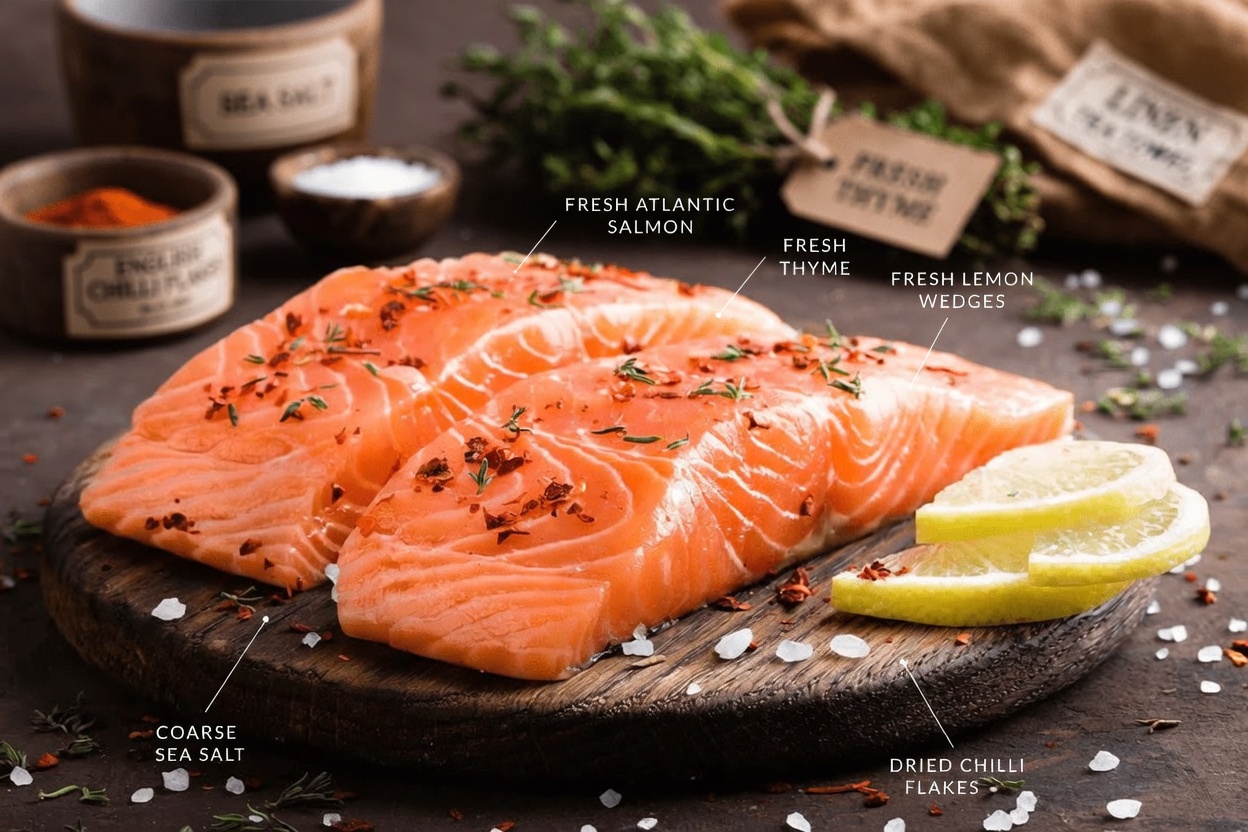
Salmon is rich in omega-3 fatty acids, which help support brain function. It also contains vitamin D, an important nutrient for bone health. On top of that, the protein in salmon can help maintain steady energy levels.
Good ways to include it:
- Grill or bake fresh salmon
- Use canned salmon in salads
- Aim for about two servings per week
5. Eggs
Eggs offer high-quality protein and are especially valuable because they contain choline, a nutrient that plays a major role in memory and communication between brain cells. For many adults over 50, eggs are a practical and affordable nutritional staple.
They work well:
- Hard-boiled for snacks or lunches
- Scrambled for breakfast
- Wrapped in a breakfast tortilla

6. Greek Yogurt
Greek yogurt delivers both calcium and protein, making it a strong choice for bone support. It also contains probiotics, which can help digestion and improve nutrient absorption.
For the healthiest option:
- Choose plain, unsweetened varieties
- Top with berries or flaxseeds
- Use it as a breakfast base or snack
7. Almonds
Almonds contain magnesium, healthy fats, and other nutrients that support heart health, brain health, and strong bones. A small handful can also help keep hunger under control and provide lasting energy.
Best uses include:
- A quick afternoon snack
- Topping for oatmeal or yogurt
- A crunchy addition to salads
8. Avocados
Avocados provide monounsaturated fats and potassium, both of which support energy balance and brain function. Their creamy texture also makes healthy eating feel satisfying rather than restrictive.
Easy serving ideas:
- Sliced on whole-grain toast
- Added to salads
- Mashed into a simple spread
9. Lentils and Beans
Lentils and beans offer plant-based protein, fiber, and minerals that support bone health and stable blood sugar. Because they digest more slowly, they can help fuel your body over a longer period.
Try them in:
- Soups
- Salads
- Grain bowls
- Hearty stews
10. Oats
Oats are one of the best whole grains for steady energy. Their beta-glucan fiber helps slow digestion, which supports fullness and a more even release of energy. They also contain B vitamins, which are associated with mental performance.
A bowl of oatmeal is a simple and dependable way to start the day.
11. Flaxseeds
Ground flaxseeds provide plant-based omega-3s and lignans, compounds linked to support for both brain and bone health. They are easy to add to meals without changing the flavor too much.
Use them by:
- Stirring into yogurt
- Blending into smoothies
- Sprinkling over oats
12. Bananas
Bananas offer potassium and easy-to-digest carbohydrates, making them useful for muscle function and quick energy. They are convenient, naturally sweet, and ideal when you need something fast and nourishing.
They are especially good:
- After a walk
- In smoothies
- As a simple snack on the go
Quick Guide: Which Foods Help Most?
If you want to prioritize based on your goals, use this simple breakdown:
Best for steady or quick energy
- Sweet potatoes
- Oats
- Bananas
Best for bone support
- Leafy greens
- Greek yogurt
- Almonds
Best for memory and mental sharpness
- Blueberries
- Salmon
- Eggs
- Avocados
Still, the biggest benefit does not come from choosing just one. It comes from combining several of these foods regularly.
Easy Ways to Add These Foods Every Day
You do not need to completely change your kitchen or follow a complicated meal plan. Start with a few small habits that are easy to repeat.
- Blend spinach, blueberries, banana, and Greek yogurt into a morning smoothie in less than five minutes.
- Prepare sweet potato wedges and hard-boiled eggs in advance for quick lunches.
- Add ground flaxseeds and almonds to oatmeal or avocado toast.
- Replace one meat-based meal each week with a lentil and bean stew made with kale.
- Keep canned salmon and frozen berries at home for fast, nutritious meals.
Research suggests that regular habits are more helpful than trying to eat perfectly. Even adding just three of these foods to your day may lead to noticeable improvements within a few weeks.
The Often-Missed Secret
The real advantage is not only in eating these foods. It is in pairing them with simple daily habits that make their effects stronger. For example:
- Take a short walk after meals
- Drink enough water throughout the day
- Build meals around whole foods instead of ultra-processed snacks
These small actions can help your body use nutrients more effectively while supporting energy, bones, and cognitive function. The smoothie idea mentioned above is especially useful because it combines several beneficial foods in one effortless step.
Final Thoughts: Small Steps Can Lead to Big Benefits
Adding these 12 natural foods to your routine does not have to feel overwhelming. Keep it simple, enjoyable, and varied. Over time, these choices can help support better daily energy, stronger bones, and clearer thinking.
Start with one or two foods you already enjoy this week. Once the habit feels easy, build from there.
Frequently Asked Questions
Can I eat these foods if I have high blood pressure or diabetes?
In most cases, yes. Many of these foods are naturally low in sodium and can support steadier blood sugar when eaten in sensible portions. Still, it is always best to speak with your doctor or dietitian for advice tailored to your health needs.
How much should I eat each day?
For many adults over 50, a practical goal is:
- A small handful of nuts or seeds daily
- Fish once or twice per week
- Several servings of fruit and leafy greens spread throughout the day
Your exact needs may vary depending on your health, activity level, and medications.
Are supplements just as good as whole foods?
Usually not. Whole foods provide fiber, natural compounds, and a wider nutritional profile that supplements often cannot fully match. Experts generally recommend getting nutrients from food first whenever possible.
Important Note
This article is intended for informational purposes only and should not replace professional medical advice. Always consult your healthcare provider before making major dietary changes, especially if you have medical conditions or take prescription medications.