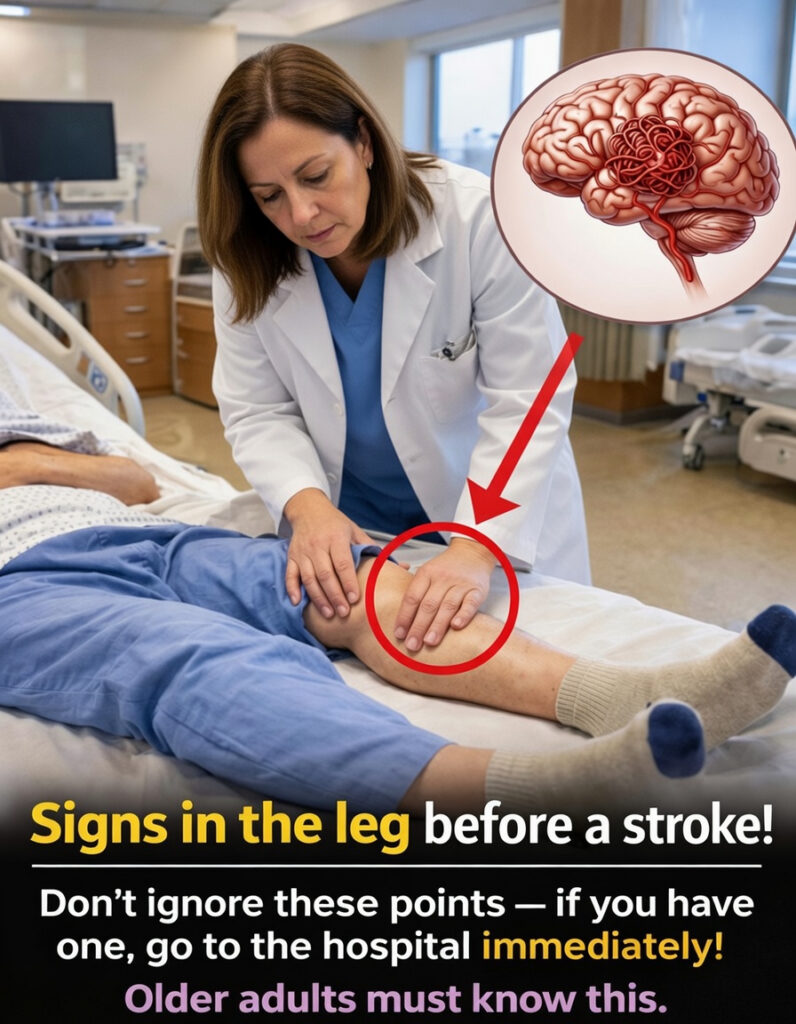
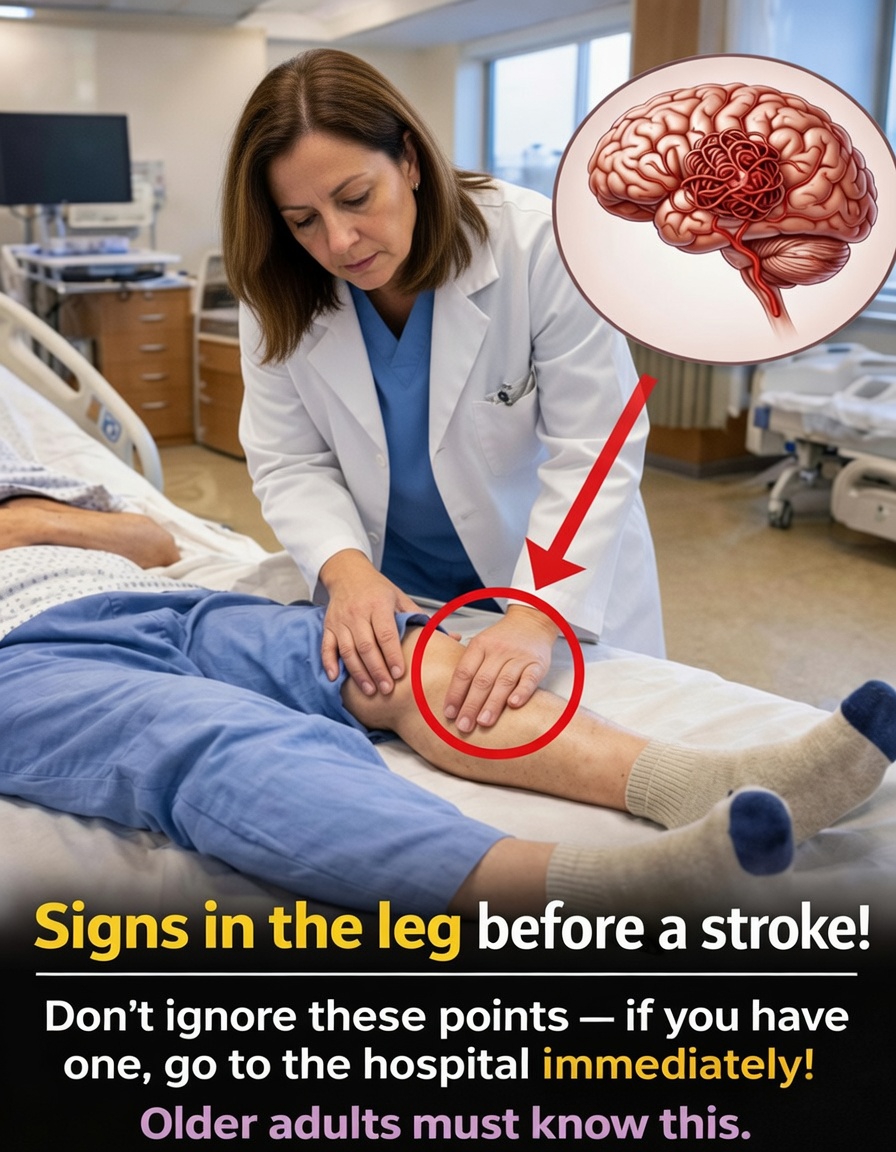
Leg Symptoms Older Adults Should Not Ignore: What They May Reveal About Blood Clots and Stroke Risk
Many older adults notice leg swelling, soreness, or heaviness from time to time and assume it is simply part of getting older, standing too long, or overdoing physical activity. While that is often true, these mild changes can occasionally signal a deeper problem, such as a blood clot. If left unnoticed, that issue may raise the risk of more serious health complications.
Paying attention to early warning signs can help you respond sooner and make informed choices about your health. And there is one surprisingly simple daily habit at the end that may help you keep a closer eye on your legs.
How Leg Problems Can Be Linked to Stroke Risk
Leg discomfort does not automatically mean danger. However, some symptoms may be related to deep vein thrombosis (DVT), a condition in which a blood clot develops in a deep vein, most commonly in the leg.
If that clot breaks loose, it can move through the bloodstream. In many cases, it travels to the lungs, but under certain circumstances, it may also contribute to a stroke.
Not every clot leads to a stroke, and not every leg symptom points to DVT. Still, some people face a higher risk, especially those with specific heart conditions. The goal is not panic, but awareness.
DVT often develops when blood flow slows down. This can happen after surgery, during long trips, or anytime a person remains still for extended periods. Other contributing factors include being over age 60, smoking, and taking certain medications.
Recognizing unusual changes in your legs is an important first step.
Common Leg Symptoms to Watch Closely
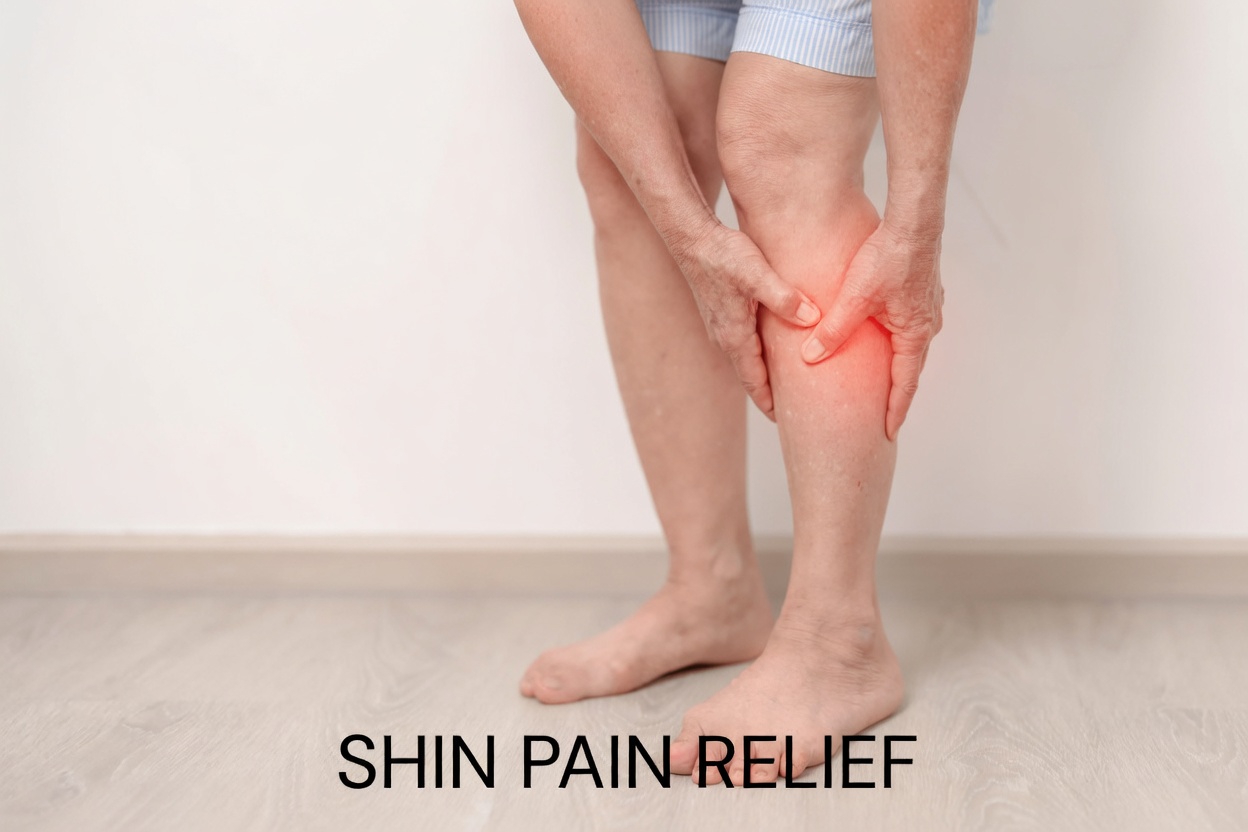
One of the most noticeable signs is swelling in only one leg. At first, it may seem minor. A shoe may feel tighter than usual, or a sock may leave a deeper imprint on one side.
Of course, swelling can happen for many reasons, including standing too long. But when it affects just one leg, it deserves extra attention.
Another possible sign is pain or cramping, especially in the calf. It may feel like a stubborn muscle cramp that does not fully go away. Some people notice it gets worse while walking and eases when resting.
You may also feel warmth over a specific area of the leg. If one spot feels hotter than the surrounding skin, that can be an important clue.
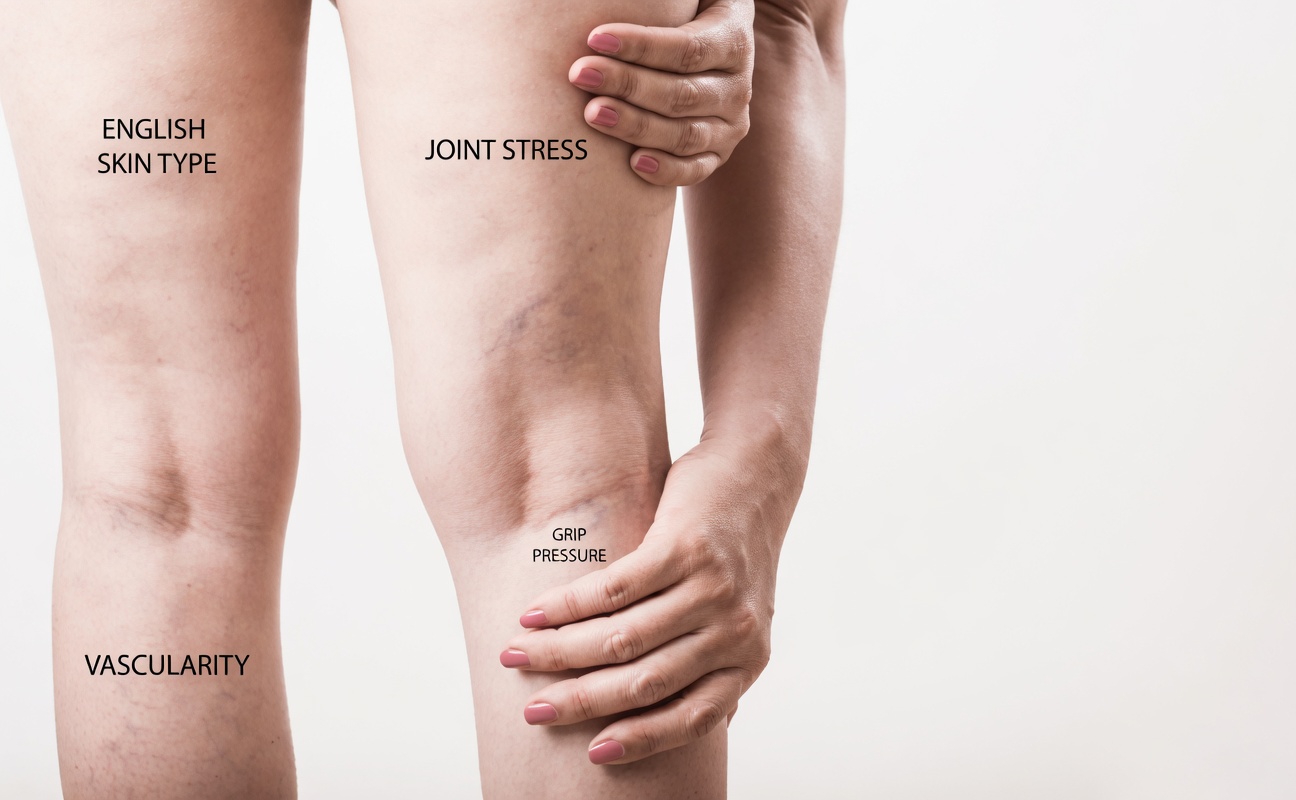
Changes in skin color can occur as well. Redness, darkening, bluish tones, or unusual discoloration may appear. On darker skin tones, the change may be more subtle and look like a shiny patch or slightly altered area rather than obvious redness.
These symptoms can resemble other conditions, including muscle strain or minor injury, which is why looking at the full picture matters.
Why a Blood Clot in the Leg Can Affect the Brain
A clot that stays in the leg may still require treatment, but the danger increases if it becomes mobile. Once it breaks away, it is called an embolus.
Most emboli from the legs travel to the lungs and may cause a pulmonary embolism. In rarer situations, especially when a person has certain heart abnormalities, the clot can bypass the usual route and reach the brain.
Research suggests that a small percentage of strokes, roughly 1% to 2%, may be linked to these so-called paradoxical embolisms.
That is why leg health is not only about comfort or mobility. It is also part of your broader vascular and circulatory health.
Key Warning Signs in the Legs
To make these symptoms easier to recognize, here are some of the main warning signs commonly associated with leg clots:
-
Swelling in one leg
- Often begins in the calf or thigh
- The affected leg may look visibly larger than the other
- Comparing both legs each day can help you notice changes
-
Cramping, throbbing, or persistent pain
- May feel similar to a pulled muscle
- Often does not improve much with stretching
- Can become more noticeable when standing or walking
-
Warm skin over one area
- The affected spot may feel hotter than nearby skin
- This can occur even without visible redness
-
Redness or skin discoloration
- May appear red, purple, bluish, or darker than usual
- Some people may notice a shiny patch or firm-looking veins
-
Tenderness when touched
- Pain may increase with pressure
- This is different from general post-exercise soreness
If you notice two or more of these signs, especially if they appear suddenly or only on one side, it is wise to contact a healthcare professional.
Risk Factors That Can Raise the Chances of DVT
Certain habits and medical situations make blood clots more likely.
Sitting for many hours at a desk, in a car, or on a plane can slow circulation and allow blood to pool in the veins. Age is another factor. After about 65, the risk generally increases as circulation becomes less efficient.
Other factors may include:
- Obesity
- Recent surgery
- A family history of blood clots
- Smoking
- Hormone therapy
- Dehydration
- Limited mobility after illness or injury
Quick Risk Factor Guide
| Risk Factor | How It May Contribute | Simple Prevention Tip |
|---|---|---|
| Prolonged sitting | Slows blood flow in the veins | Stand up and walk every hour |
| Smoking | Damages blood vessels | Seek support to quit |
| Hormone therapy | May increase clotting risk | Ask your doctor about options |
| Dehydration | Makes blood thicker and slower-moving | Drink water regularly |
Health research consistently supports these risk connections, which is why prevention habits matter.
Simple Ways to Monitor and Support Leg Health
You do not need a complicated routine to stay more aware of your leg health. A few daily habits can make a meaningful difference.
Start with a quick self-check each morning:
- Compare both legs for differences in size
- Look for changes in color or skin texture
- Notice whether one area feels warmer or more tender
- Pay attention to new pain, tightness, or heaviness
If you travel often or spend long hours sitting, consider wearing compression socks to support circulation.
Daily movement also helps. Aim for about 30 minutes of walking a day, even if that time is split into shorter sessions.
Hydration matters too. Drinking around 8 glasses of water daily may help support healthier blood flow.
If anything changes, write it down. A simple journal note such as when the symptom began, where it occurs, and what seems to improve or worsen it can be useful when speaking with a doctor.
And here is the unexpected habit mentioned earlier: elevate your legs for 15 minutes each day while lying down. Some vein-health research suggests this may help reduce mild swelling and improve circulation naturally.
When to Get Medical Help
If swelling, pain, warmth, or discoloration does not go away—or gets worse—seek medical care promptly. A doctor may use an ultrasound or other tests to look for a clot.
Catching a problem early can lower the chance of complications and help guide treatment more effectively.
Staying informed gives you the power to act sooner and more confidently.
Final Takeaway
Leg swelling, pain, warmth, and color changes are often harmless, but they should not always be brushed aside, especially in older adults. In some cases, these symptoms may point to a blood clot, which can affect not only the leg but also overall vascular health and, in rare situations, stroke risk.
Simple habits such as moving regularly, drinking enough water, checking your legs daily, and elevating them briefly can support better circulation. If something feels unusual or persistent, it is always best to talk to a healthcare provider.
FAQ
What causes blood clots in the legs?
Blood clots in the legs often form when blood flow slows down due to long periods of immobility, injury, surgery, or certain medical conditions. Long flights, bed rest, and recovery after procedures can all raise the risk.
Can leg symptoms always predict a stroke?
No. Most leg symptoms do not mean a stroke will happen. However, unexplained swelling, pain, or warmth in one leg should be evaluated to rule out a clot and reduce the risk of complications.
How can I lower my risk of leg clots?
You can reduce your risk by staying active, maintaining a healthy weight, avoiding smoking, drinking enough water, and keeping up with regular medical checkups.
Important Note
This content is for educational purposes only and should not replace professional medical advice. Always consult a qualified healthcare provider for guidance based on your personal health situation.