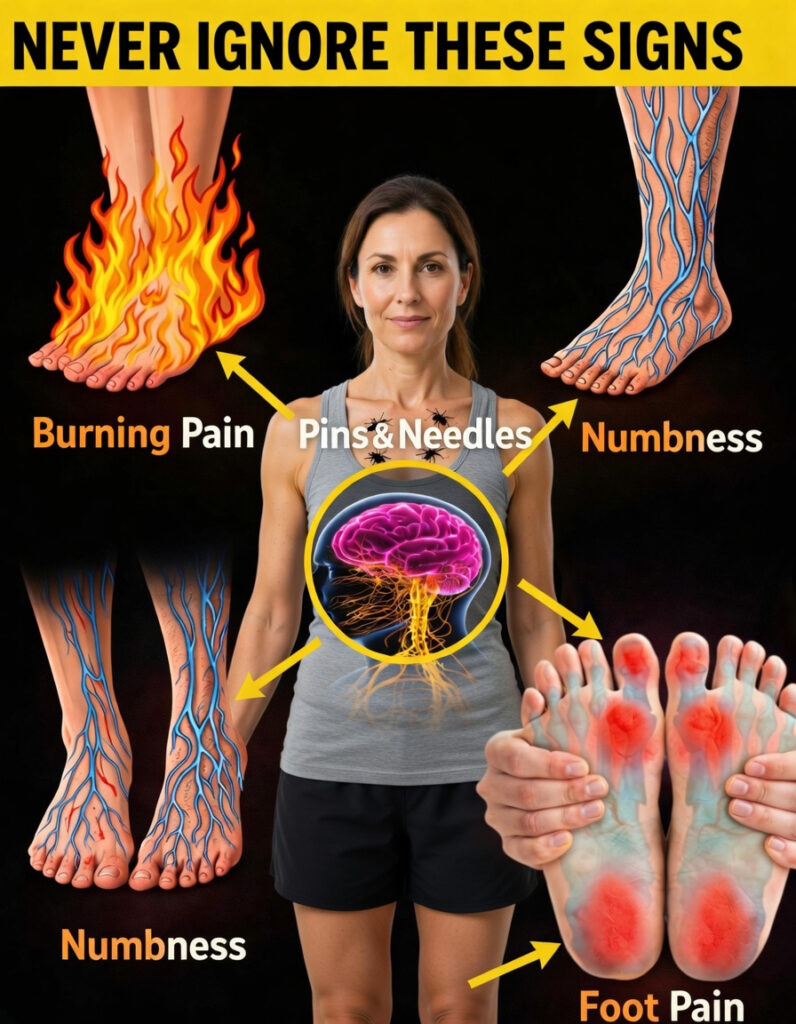
Subtle Toe Sensations Could Be Early Signs of Nerve Changes
That strange tingling in your toes after taking off your shoes, or the odd feeling that your feet are somehow disconnected from the floor, can be easy to ignore. Many people blame it on tiredness, standing too long, or shoes that are too tight. Still, these mild symptoms may sometimes reflect early nerve-related changes in the feet.
Peripheral neuropathy affects millions of people, and it often begins in the toes because the nerves that travel there are the longest and most vulnerable. If you have noticed faint, unusual sensations in your feet, you are not alone. For many individuals, the toes are where the earliest clues appear.
Medical information from trusted sources such as the Mayo Clinic and Cleveland Clinic notes that these symptoms can be linked to peripheral nerve problems, sometimes associated with diabetes, getting older, or vitamin imbalances. The positive news is that noticing these changes early can help you build supportive daily habits and start an important conversation with your doctor. Later in this article, you will also find simple steps that may help improve day-to-day comfort.
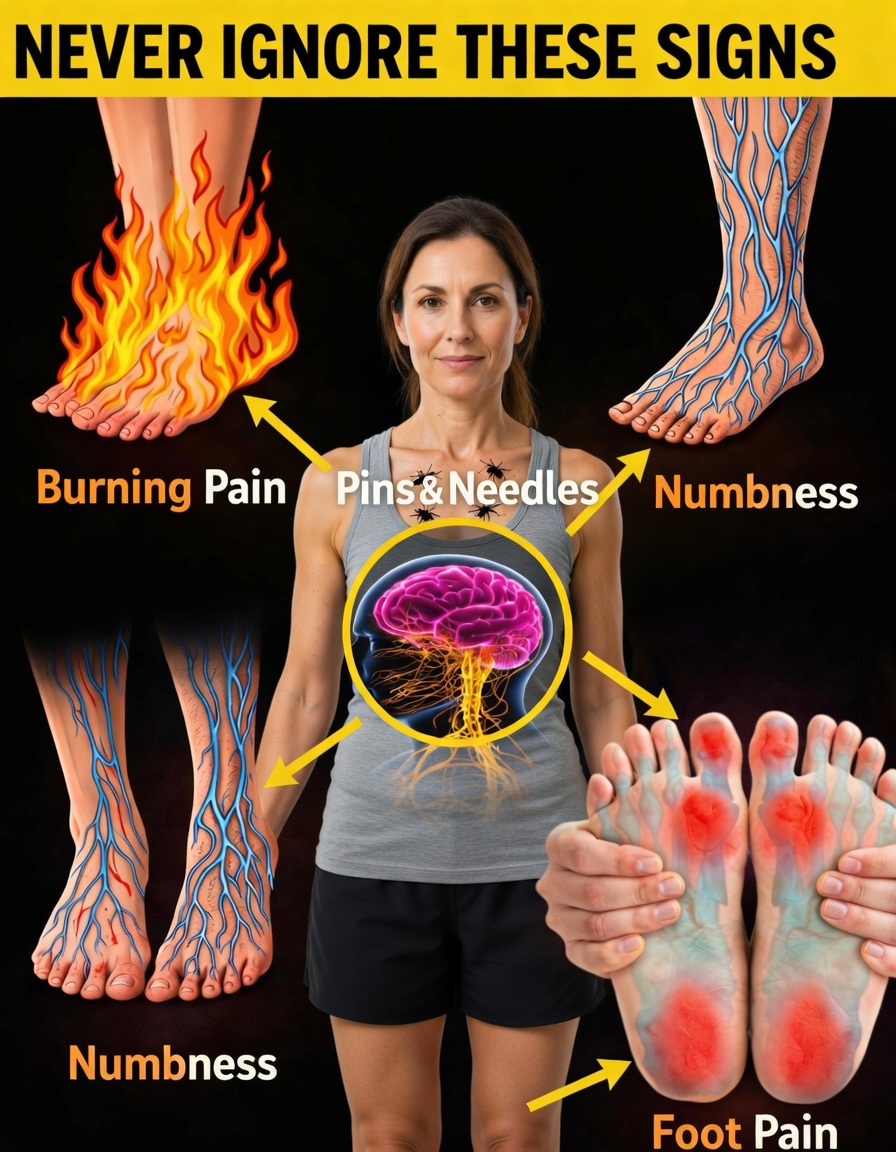
Why Nerve Problems Often Show Up in the Toes First
Peripheral nerves function as communication pathways, carrying messages between the brain and the rest of the body. The nerves that extend all the way down to the toes are especially long, which makes them more likely to be affected first when nerve trouble develops.
This is often called a length-dependent pattern. In simple terms, the farthest areas from the body, especially the toes, may reveal the first warning signs. Research suggests that if these changes are overlooked, symptoms can gradually spread and begin to affect comfort, movement, and balance.
Even so, many people dismiss these early sensations. That is especially common after age 50, when unusual foot feelings can easily be mistaken for normal aging or daily wear and tear.
Why These Symptoms Are Often Overlooked After Age 50
As we age, feet naturally change. Mild stiffness, occasional soreness, and general fatigue become more common, so small nerve-related sensations can blend into everyday life without drawing much attention.
A lot of people assume, “I was on my feet all day, so it’s probably nothing.” Sometimes that is true. But when odd sensations keep returning or slowly get worse, they deserve more attention. The body often sends early warning signals quietly, especially in the hands and feet.
The good part is that recognizing these signs early gives you the chance to respond in a calm, practical way.
How Nerves Signal Trouble in Subtle Ways
When nerves are under stress, the changes are not always dramatic at first. Instead, the sensations may shift little by little. Your toes might feel as if they are covered by thick fabric, even when they are not. You may also notice random prickling, buzzing, or discomfort that seems hard to explain.
Studies suggest these sensations can be related to changes in small nerve fibers or other nerve function issues. Becoming aware of these early patterns can support better symptom tracking and everyday management.
Let’s look at the specific signs that often begin in the toes.
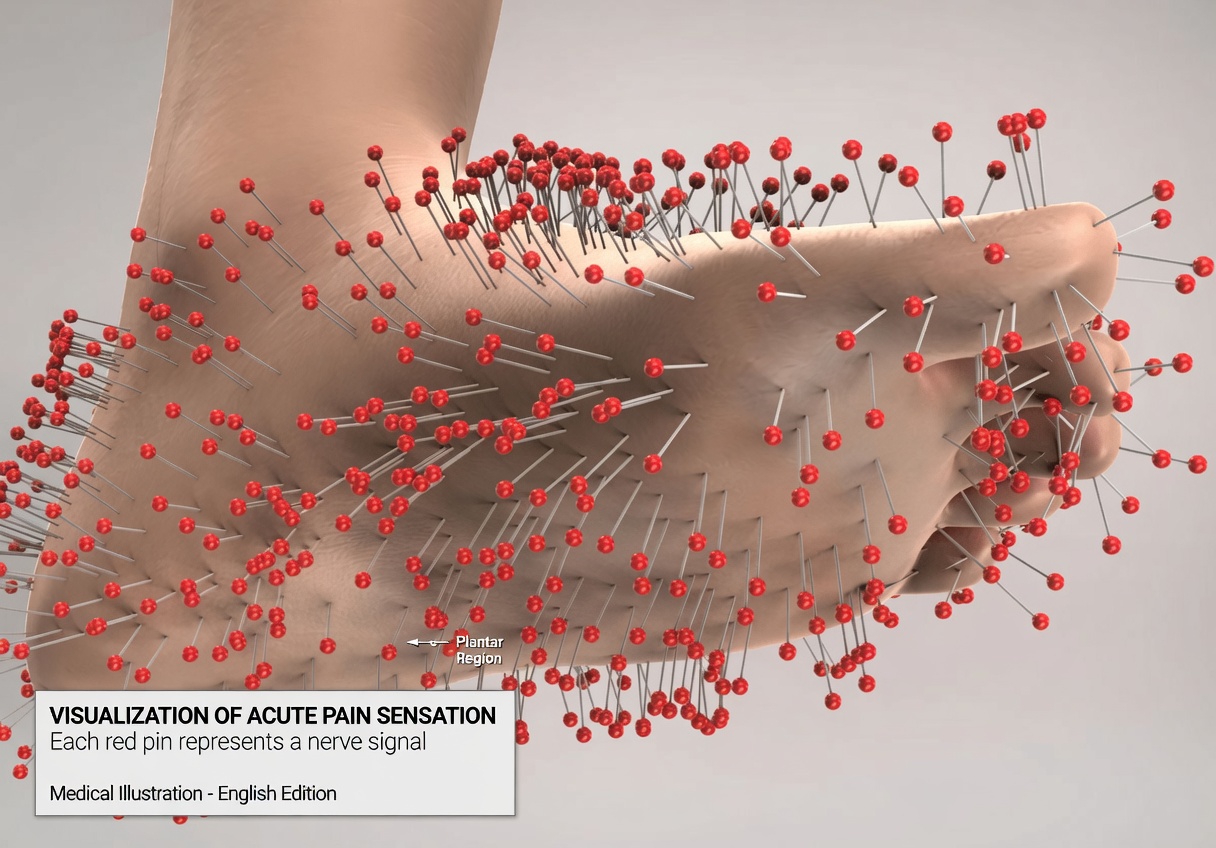
8 Quiet Signs Nerve Changes May Be Starting in Your Toes
Below are eight early signs commonly mentioned by respected medical sources, including the Mayo Clinic and Cleveland Clinic. In many cases, they start mildly and may come and go before becoming more noticeable.
8. Tingling or “Pins and Needles”
A fizzing, prickling, or static-like sensation in the toes can be one of the earliest signs people notice. It may happen after sitting still, while resting, or for no obvious reason at all.
7. Numbness That Makes Toes Feel “Asleep”
You may find that your toes seem less responsive to touch. For example, you might not fully feel the seam of a sock or the texture of the floor. Reduced sensation often begins in the most distant areas of the body, including the toes.
6. Burning or Heat Sensations, Often Worse at Night
Some people describe their toes as feeling hot, burning, or almost on fire, even when the room is cool. This symptom can be especially frustrating at bedtime and may interfere with sleep.
5. Toes Feeling Abnormally Cold
Your feet may feel cold in a warm room, or the temperature may seem “off” compared with the rest of your body. This altered cold sensation can also be a clue that nerve signaling is changing.
4. Sharp, Shooting, or Electric-Like Pain
Sudden jabs, zaps, or stabbing sensations in the toes may occur during movement or even while resting. These brief pains can be startling and are sometimes linked to irritated nerves.
3. Increased Sensitivity to Light Touch
If light contact suddenly feels uncomfortable, that can be another warning sign. Something as simple as bedsheets brushing against your toes may feel unusually intense or painful. This heightened sensitivity is known as allodynia.
2. Balance Problems or Unsteady Walking
The feet help the brain understand body position and movement. When nerve feedback is reduced, you may feel less steady, especially in dim lighting or on uneven surfaces. Over time, this can increase the risk of falls.
1. Changes in Skin, Nails, or Healing
Dry or cracked skin, brittle toenails, and small cuts that heal slowly may also be worth noticing. These changes can sometimes be connected to nerve-related effects on moisture, circulation, and repair processes.
Nerve-Related Symptoms vs. Everyday Foot Tiredness
It can be hard to tell the difference between normal foot fatigue and something that may involve the nerves. This quick comparison may help.
-
How long it lasts
- Possible nerve-related issue: Symptoms often continue for weeks or slowly worsen.
- Typical fatigue: Usually improves with rest.
-
Where it begins
- Possible nerve-related issue: Often starts in the toes and may gradually move upward in both feet.
- Typical fatigue: More closely tied to activity and usually fades.
-
What it feels like
- Possible nerve-related issue: Tingling, burning, numbness, cold sensations, or unexplained pain.
- Typical fatigue: General aching, soreness, or pressure from overuse.
-
How it affects daily life
- Possible nerve-related issue: May interfere with balance, walking, or confidence while moving.
- Typical fatigue: Usually mild and temporary, without progression.
-
Possible contributors
- Possible nerve-related issue: Can be associated with diabetes, vitamin deficiencies, aging, or certain medications.
- Typical fatigue: More often related to standing, walking, or footwear.
When several of these signs appear together, the pattern can become easier to recognize.
Real-Life Examples of Why Early Awareness Matters
Take Susan, a woman in her mid-60s, who brushed off occasional toe tingling as a normal part of getting older. Over time, numbness made it harder for her to manage stairs comfortably, and that began to affect how active she felt with her family. Once she noticed the combination of symptoms and spoke with her doctor, a few simple adjustments helped her feel steadier.
Then there is David, in his early 70s, who experienced burning toes at night that kept interrupting his sleep. At first, he blamed his shoes. But when he also started feeling unsteady while walking, he realized the issue might be bigger than footwear. By looking into possible causes and making supportive changes, he was able to enjoy walks more comfortably again.
Stories like these show that paying attention early can lead to helpful action.
When Should You Take These Symptoms More Seriously?
A brief odd feeling after sitting in one position too long is usually harmless and often passes quickly. But repeated symptoms that do not go away, become more noticeable, or happen along with risk factors should not be ignored.
It may be time to pay closer attention if:
- The sensations keep returning
- Symptoms last for weeks
- The discomfort is getting worse
- Walking or balance feels less secure
- You have diabetes or other known risk factors
- You take long-term medications that may affect nerve health
Research consistently supports the value of early discussion with a healthcare professional. A doctor can help determine what may be contributing to your symptoms and what steps make sense next.
Practical Ways to Monitor and Support Foot Comfort
There are simple habits you can start today to stay more aware of your foot health.
Daily Self-Check Routine
- Look at your feet each evening for cuts, dryness, redness, or color changes
- Lightly touch your toes and note any numb or less-sensitive areas
- Keep a simple record of symptoms, including when they happen and what seems to help
Supportive Lifestyle Habits
- Wear shoes that fit well and provide cushioning
- Stay active with gentle walking or basic toe and foot exercises
- Support overall nutrition, including healthy vitamin intake such as B vitamins, after speaking with your doctor
- Avoid ignoring recurring symptoms that keep appearing over time
When to Contact a Healthcare Provider
Reach out to a medical professional if:
- Symptoms continue for several weeks without improvement
- You feel less stable while walking
- Multiple signs are occurring at the same time
- You have known risk factors such as diabetes
Regular foot checks and honest conversations with your doctor can help you feel more informed and more confident.
Final Thoughts: Pay Attention to What Your Toes Are Telling You
Small changes in your toes may be more than random discomfort. Tingling, numbness, burning, unusual cold, and balance changes can all be early messages about nerve health. Recognizing these signs does not mean something serious is definitely wrong, but it does mean they are worth noticing.
You deserve to move through your day with greater ease and enjoy more restful nights. If anything feels off, sharing those symptoms with your doctor is a smart and supportive step.
Your toes contain thousands of nerve endings, making them powerful built-in sensors. A quick daily check may reveal more than you expect, and it could make a real difference.
FAQ
What causes nerve changes to begin in the toes?
The nerves that travel to the feet are among the longest in the body, so they are often affected first in peripheral neuropathy. Common contributors may include diabetes, aging, and nutritional deficiencies, according to sources such as the Cleveland Clinic and Mayo Clinic.
Are these signs always serious?
Not always. Some symptoms may come from less serious causes. However, if they continue, worsen, or appear together, it is wise to get them evaluated for reassurance and proper guidance.
How can I support foot health every day?
Helpful daily habits include checking your feet regularly, wearing comfortable shoes, staying gently active, and maintaining balanced nutrition. A healthcare provider can offer advice based on your specific needs.
Disclaimer
This article is for informational purposes only and does not replace professional medical advice. Always consult your healthcare provider about any symptoms or health concerns.