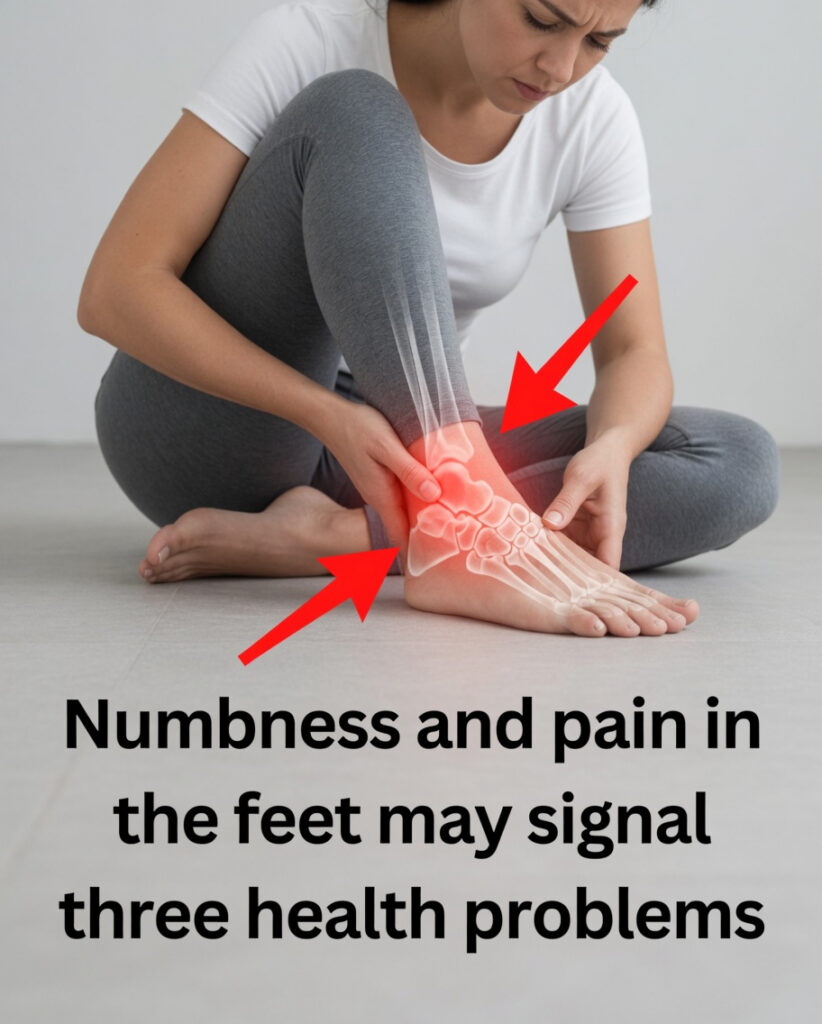
Understanding Foot Numbness and Pain
If your feet have been feeling numb, prickly, or sore for longer than expected, it is completely natural to feel uneasy. Symptoms like these can turn simple tasks—walking, shopping, or even standing for a few minutes—into draining experiences. As the discomfort continues, it may interfere with sleep, reduce your sense of stability, and make you feel less comfortable in your own body.
The encouraging part is that these signs can offer useful insight into your overall health. When you pay attention early, you may be able to better understand what your body is trying to tell you. Later in this article, you will also discover one easy daily practice that many people say helps support better foot comfort.
Why These Symptoms Should Not Be Ignored
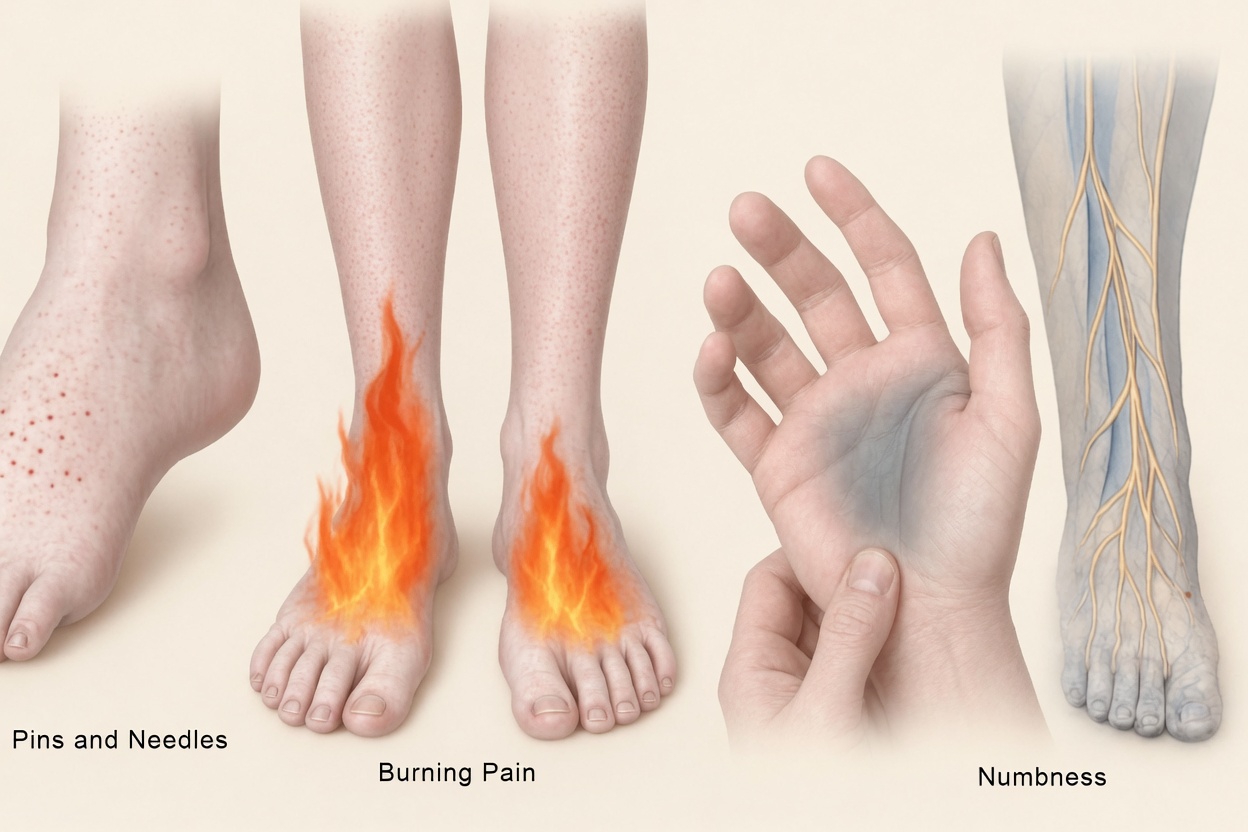
Your feet rely on an intricate system of nerves, blood vessels, and joints to function properly every day. When any part of that system is under strain, symptoms such as tingling, burning, aching, or numbness may appear. These sensations are often more than minor annoyances—they can be signals that something deeper deserves attention.
Medical sources such as the Mayo Clinic have noted that ongoing foot discomfort is often linked to larger body-wide issues, not only local causes like overuse or poorly fitting shoes. That is why looking at the bigger health picture is so important.
Below are three common health issues that may be associated with numbness and pain in the feet. This content is educational only and should not replace advice from a licensed healthcare professional.
3 Common Health Concerns Behind Foot Numbness and Pain
1. Blood Sugar Imbalance and Nerve Damage
One of the most recognized causes of persistent foot numbness is long-term blood sugar imbalance. When glucose levels remain too high over time, small blood vessels and delicate nerves—especially those farthest from the heart—can become damaged. This is commonly referred to as peripheral neuropathy.
The Centers for Disease Control and Prevention reports that about half of adults living with diabetes develop some level of nerve-related foot problems. Early signs may include toes that feel unusually numb, nighttime tingling, or a sharp sensitivity that seems stronger than expected. Because these changes often develop slowly, many people do not notice them right away.
Healthy daily habits that may support blood sugar stability and nerve function include:
- Eating balanced meals with lean protein, whole grains, and plenty of non-starchy vegetables
- Staying active through gentle exercise such as walking or swimming
- Keeping routines consistent and noticing how your body feels after meals
2. Reduced Circulation to the Lower Legs and Feet
Poor circulation is another major factor to consider. When blood flow to the lower limbs becomes limited, the feet may not receive enough oxygen and nutrients. This can lead to symptoms such as cold feet, heaviness, cramping while walking, or a dull numb sensation.
Experts often connect circulation issues with smoking, elevated cholesterol, inactivity, and other cardiovascular risk factors. Research in vascular medicine has also shown that people who sit for many hours or have underlying heart and blood vessel concerns may notice symptoms in their feet earlier.
Practical steps many people use to support circulation include:
- Raising the feet for 10 to 15 minutes during rest
- Wearing compression socks if a healthcare provider recommends them
- Standing up and taking short walks every hour, especially during desk work
Many people underestimate how strongly circulation affects foot comfort, but it can play a central role.
3. Vitamin and Mineral Deficiencies That Affect Nerves
Nerves depend on certain nutrients to function properly. Vitamins such as B12, B6, and B1 help maintain nerve health and protect the myelin sheath, which surrounds and supports nerve fibers. When these nutrients are too low, tingling and numbness often show up first in the hands and feet.
This can be especially relevant for older adults, people following highly restricted plant-based diets without supplements, or those who have trouble absorbing nutrients. Harvard Health Publishing has highlighted that correcting nutritional deficiencies may gradually reduce these symptoms in some cases. Magnesium and vitamin D also contribute to healthy muscle and nerve performance.
Foods often included in a nerve-supportive diet include:
- Eggs, fish, and fortified cereals for vitamin B12
- Leafy greens, nuts, and seeds for magnesium and B vitamins
- Berries, peppers, and citrus fruits for antioxidant support
Adding more variety and nutrient-dense foods to your meals may help your body function better overall.

Daily Habits That May Help Improve Foot Comfort
Once you understand the most common causes, the next step is focusing on simple actions you can take consistently. These habits are often used by people who want to reduce discomfort and support healthier feet.
- Check your feet daily: Spend about 30 seconds each evening looking for cuts, color changes, swelling, or temperature differences.
- Wear supportive shoes: Choose footwear with cushioning and enough room in the toe area. Try to avoid being barefoot on hard floors for too long.
- Keep your feet moving: Gentle ankle rotations, toe stretches, and short walks can help maintain flexibility and circulation.
- Drink enough water: Proper hydration supports blood flow and may help reduce cramping.
- Try warm foot soaks: Soaking your feet in comfortably warm—not hot—water for around 10 minutes may relax muscles and boost local circulation.
And here is the often-overlooked habit mentioned earlier: spend a few minutes each evening breathing slowly and calmly while giving your feet a gentle massage. This simple routine can encourage relaxation, support blood flow in the area, and help you notice changes sooner. Many people say it helps them sleep better and feel more comfortable after practicing it regularly for a couple of weeks.
When to Speak With a Healthcare Professional
Occasional foot fatigue is common, but certain symptoms should not be brushed aside. It may be time to seek medical advice if you notice:
- Numbness that continues for several days or begins to spread
- Pain that interrupts sleep or makes walking difficult
- Skin color changes, unusual temperature shifts, or wounds that do not heal
- Weakness, instability, or balance problems along with tingling or pain
A healthcare professional can evaluate your symptoms, run basic tests if needed, and recommend a plan tailored to your situation.
Frequently Asked Questions
Is foot numbness always serious?
Not necessarily. Temporary numbness can happen after sitting awkwardly, crossing your legs too long, or wearing tight shoes. Still, if it happens repeatedly or without a clear reason, it is a good idea to investigate further with a professional.
Can everyday habits really improve foot comfort?
For many people, yes. Better footwear, more regular movement, improved nutrition, and consistent self-care can make a noticeable difference over time. Individual results vary, but small actions done daily often matter.
How often should I inspect my feet if I have diabetes or circulation problems?
Most major health organizations recommend checking them every day if you have known risk factors. Making it part of your evening routine can help you stay consistent.
Final Thoughts
Numbness and pain in the feet can be unsettling, but they can also serve as useful warning signs. Rather than ignoring them, it helps to view them as reminders to care for your health more intentionally. By learning about the three common issues covered here—blood sugar control, circulation, and nutrient support—you are already taking a smart first step.
Pair that knowledge with simple daily habits, and you may feel more comfortable, steady, and confident as you move through daily life.
Remember that every person is different. This article is meant to educate and empower, not to replace individualized medical care.
Disclaimer: This article is for informational purposes only.