Natural Herbs That May Support Better Leg Circulation
Poor circulation in the legs can cause swelling, a heavy sensation, and occasional discomfort that makes everyday movement feel tiring. For many people, long hours of sitting, getting older, and certain lifestyle patterns can contribute to these issues. Over time, concerns may grow around reduced blood flow and the risk of clots that can interfere with mobility and overall health.
The encouraging news is that some natural herbs may help promote healthier circulation as part of a balanced routine. Even more interesting, there is a lesser-known herbal pairing that may strengthen these effects. Keep reading to discover the combination that could offer extra support for leg health.
Blood Clots in the Legs: The Basics
A blood clot in the leg is commonly known as deep vein thrombosis, or DVT. It develops when blood thickens and forms a clot inside a vein, most often in the lower legs. This may happen when blood flow slows down due to inactivity, injury, surgery, or other contributing factors.
Some people do not notice any clear symptoms, but possible warning signs include:
- Pain or tenderness in the leg
- Redness or skin discoloration
- Warmth in one area of the leg
- Swelling, especially in one limb
Lifestyle habits play an important role in circulation and clot risk. Long periods of sitting, long-distance travel, recovery after surgery, and some medications may increase vulnerability.
Ignoring these signs is not always harmless, since untreated clotting problems can lead to more serious complications. That is why awareness matters. Alongside proper medical guidance, natural strategies such as diet, movement, and herbal support may help maintain healthy blood vessel function.
Research also suggests that promoting steady blood flow through everyday habits can make a meaningful difference. Some plant compounds appear to interact with inflammation and clotting pathways in ways that support vascular balance.
Best Herbs for Supporting Circulation in the Legs
Science-backed herbs can be useful additions to a healthy lifestyle, but they are not a substitute for professional medical treatment. Below are several well-known options that may help support blood flow and leg comfort.
Turmeric: A Golden Herb for Healthy Blood Flow
Turmeric comes from the Curcuma longa plant and contains curcumin, a compound widely studied for its anti-inflammatory properties. Research suggests curcumin may help support circulation by influencing platelet activity and encouraging smoother blood movement.
Turmeric has a long history in traditional wellness practices and may also offer broader cardiovascular support. A 2021 review highlighted curcumin’s possible heart-protective effects, which may be relevant for people concerned about circulation in the legs.
Simple turmeric tea:
- Grate about 1 inch of fresh turmeric root.
- Boil it in 2 cups of water for 10 minutes.
- Strain the liquid.
- Add a pinch of black pepper to improve absorption.
- Drink once a day.
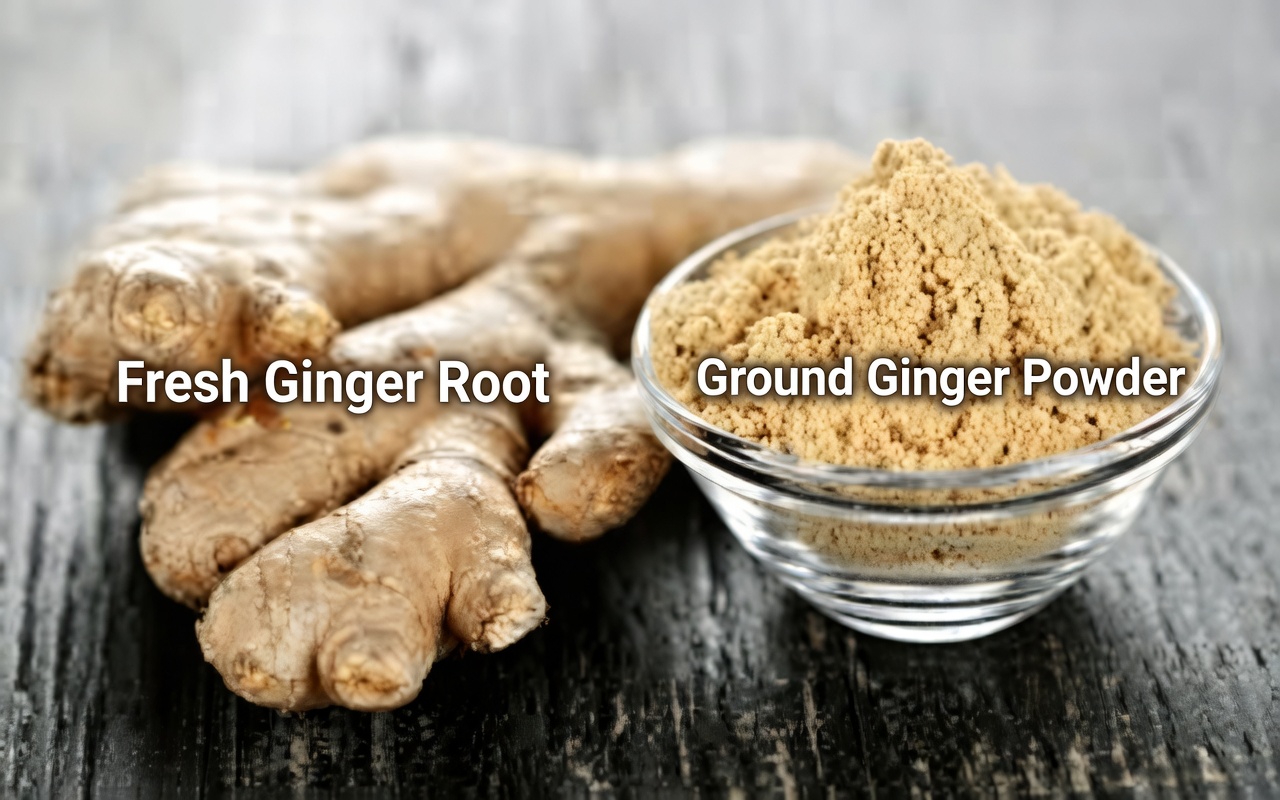
Ginger: A Warming Choice for Circulation
Ginger comes from the root of Zingiber officinale and contains gingerol, a natural compound that may support healthy blood flow. Studies suggest ginger may have anti-platelet effects, which can be helpful for keeping circulation moving, especially in people with sedentary habits.
Regular use may offer more noticeable benefits over time. Both animal and human research has linked ginger to reduced inflammation, which is often associated with circulation problems.
Easy ginger water:
- Slice 2 to 3 thin pieces of fresh ginger.
- Steep them in hot water for 5 minutes.
- Sip throughout the day.
- Aim for 2 to 3 cups daily.
Garlic: A Powerful Supporter of Vascular Health
Garlic, or Allium sativum, contains allicin, a sulfur compound associated with reduced platelet aggregation. In simple terms, this means garlic may help reduce unnecessary blood clumping and support better circulation in the legs.
Daily use is often easy to incorporate into meals, and reviews of the research suggest garlic may positively influence clotting-related processes.
How to use garlic:
- Crush 1 to 2 garlic cloves.
- Let them rest for 10 minutes so allicin can develop.
- Add to soups, salads, or cooked dishes.
Cinnamon: Gentle Support for Blood Vessels
Cinnamon from Cinnamomum species is known for its warming nature and pleasant flavor. It contains coumarin, a compound that may have mild effects on circulation and blood flow. For some people, cinnamon may also help improve comfort in the legs.
However, choosing the right type matters. Ceylon cinnamon is generally preferred over Cassia cinnamon because it contains lower levels of coumarin, making it a safer option for regular use.
Simple daily idea:
- Add 1/2 teaspoon of Ceylon cinnamon to oatmeal.
- Mix with fruit for extra flavor.
- Make it part of your breakfast routine.
Ginkgo Biloba: Support for Peripheral Circulation
Ginkgo biloba leaf extract is often used to support blood flow, especially in the smaller vessels of the body. It has been studied for its potential to improve circulation and reduce platelet stickiness, which may be helpful for people who experience heaviness in their legs.
Clinical research has shown promising results for circulation-related conditions, including some venous concerns.
General supplement approach:
- Choose a standardized ginkgo extract.
- Typical daily intake ranges from 120 to 240 mg.
- Divide the amount into 2 or 3 doses if needed.
- Watch for any interactions with medications.
Quick Comparison of These Herbs
The table below gives a simple overview of how each herb may help.
| Herb | Key Compound | Potential Benefit | Best Form | General Daily Suggestion |
|---|---|---|---|---|
| Turmeric | Curcumin | Supports anti-inflammatory circulation | Tea or culinary spice | 1 to 2 teaspoons |
| Ginger | Gingerol | May aid anti-platelet activity | Fresh root | 2 to 4 grams |
| Garlic | Allicin | May reduce blood clumping | Crushed cloves | 1 to 2 cloves |
| Cinnamon | Coumarin | Mild support for blood flow | Ground Ceylon cinnamon | 1/2 to 1 teaspoon |
| Ginkgo biloba | Flavonoids | May enhance peripheral circulation | Standardized extract | 120 to 240 mg |
Each herb works in a slightly different way, which is why combining supportive habits with herbal use may be especially helpful.
Lifestyle Habits That Improve Herbal Results
Herbs tend to work best when paired with circulation-friendly daily practices. Consider these simple but effective habits:
- Stay physically active: Walk for at least 30 minutes a day to encourage blood flow through the legs.
- Elevate your legs: Raise them above heart level for about 15 minutes to help reduce swelling.
- Drink enough water: Aim for around 8 glasses daily to support healthy blood viscosity.
- Use compression socks: These may help support the veins during long periods of sitting or standing.
- Improve your diet: Include omega-3-rich foods such as flaxseeds for additional circulatory support.
Studies continue to show that combining movement, hydration, nutrition, and targeted herbal support is often more effective than relying on one strategy alone.
The Surprising Herbal Synergy
One especially interesting combination is turmeric and ginger, particularly when turmeric is paired with black pepper. Black pepper contains piperine, which may significantly improve curcumin absorption. When combined with ginger, the result is a warming herbal blend that may offer stronger support for circulation than using either herb by itself.
This makes a turmeric-ginger tea with a dash of black pepper a practical and research-supported option for people looking to naturally support leg health.

Possible Risks and Important Considerations
Although these herbs show promise, they are not risk-free. Some may interact with medications, especially blood thinners or drugs that affect clotting. For example:
- Garlic may increase the effects of anticoagulant medications
- Ginkgo biloba may also affect bleeding risk
- Cinnamon should be used carefully, especially in large amounts
- Herbal supplements may vary in quality and potency
It is best to begin with small amounts and pay attention to how your body responds. Scientific evidence is still developing for some of these herbs, so medical guidance remains important.
Final Thoughts: Support Leg Health Naturally
Turmeric, ginger, garlic, cinnamon, and ginkgo biloba may all help support healthier blood flow in the legs when used as part of a well-rounded lifestyle. Their potential to reduce inflammation, influence platelet activity, and improve circulation makes them valuable options for natural wellness support.
The standout combination is a tea made with turmeric, ginger, and black pepper. Research suggests this trio may improve both absorption and effectiveness, offering an unexpected advantage for circulation support. Small, consistent changes can make a real difference in leg comfort and daily energy.
FAQ
What are common signs of poor circulation in the legs?
Typical signs include swelling, cramping, aching, tingling, or a heavy feeling in the legs. These symptoms may become more noticeable after long periods of sitting or standing.
Can herbs replace prescription medicine for blood clot prevention?
No. Herbs may offer supportive benefits, but they should never replace treatments prescribed by a healthcare professional. Always discuss any herbal use with your doctor.
How long does it take to notice results?
The timeline varies from person to person. With regular use and healthy lifestyle changes, some people may notice improvement in comfort and circulation within 4 to 6 weeks.
Disclaimer
This article is for informational purposes only and should not be considered medical advice. Always consult a healthcare provider before using new herbs or supplements, especially if you have a medical condition or take prescription medications.