
Best Vegetables to Include in a Diabetes-Friendly Diet
Managing diabetes often means thinking carefully about every meal. For many people, that can feel limiting, stressful, and exhausting. Watching portion sizes, checking carbohydrate intake, and trying to make the “right” food choices every day can take some of the joy out of eating.
The good news is that many vegetables naturally fit into a balanced eating plan and offer valuable nutrition at the same time. Among them, one vegetable stands out because of a special plant compound linked to notable health benefits. Keep reading to discover which one it is.
Why Vegetables Are Important for Diabetes Management
Vegetables are a cornerstone of healthy eating, especially for people who want to support steady blood sugar levels. Most are low in calories while delivering vitamins, minerals, and other nutrients the body needs for overall health.
Guidance from organizations such as the American Diabetes Association emphasizes the value of non-starchy vegetables in daily meals. Because they are relatively low in carbohydrates, they can help make meals more satisfying without significantly increasing carb intake. That is one reason diabetes-friendly meal plans often recommend filling half your plate with vegetables.
Vegetables also supply fiber, which supports digestion and may help the body process carbohydrates more effectively. In short, they are one of the easiest ways to build meals that are both nourishing and practical.

10 Vegetables Worth Adding to Your Plate
Below are 10 vegetables frequently recommended for their nutrient density and flexibility in everyday meals. Each one brings a mix of fiber, vitamins, and minerals that support healthy eating habits.
1. Broccoli
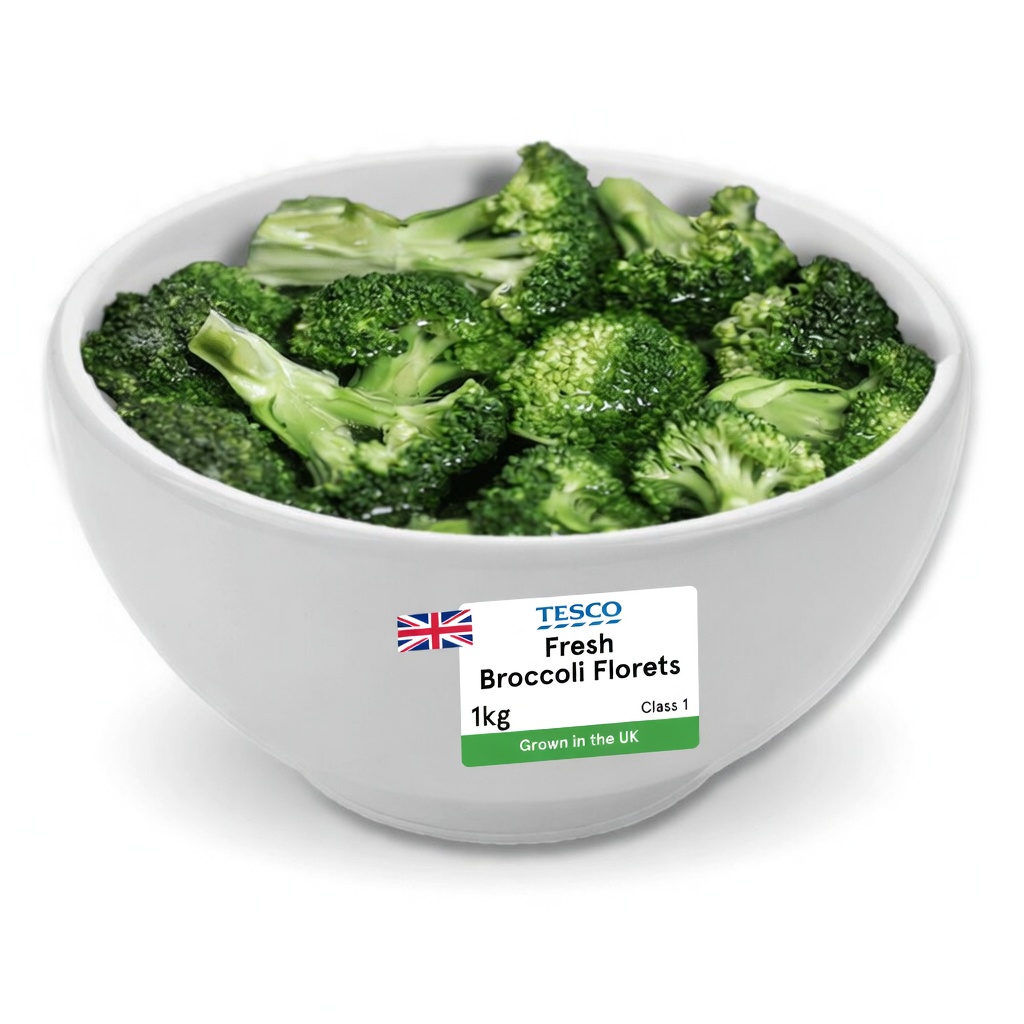
Broccoli is a highly versatile cruciferous vegetable rich in vitamins C and K. It also contains soluble fiber, which may support digestive health and contribute to a more balanced diet overall.
A simple way to use it is to steam a cup of florets and toss them into a stir-fry. It adds texture, color, and nutrition without much extra effort.
For a more balanced meal, pair broccoli with a lean protein source.
2. Spinach
Spinach is a leafy green packed with iron, calcium, and folate. Since it is naturally low in carbohydrates, it works well in salads, soups, smoothies, and egg dishes.
Nutrition professionals often highlight leafy greens like spinach for their mineral content, which may help support insulin sensitivity.
If you want an easy upgrade to a meal, stir a handful of spinach into hot soup and let it wilt in seconds.
3. Kale
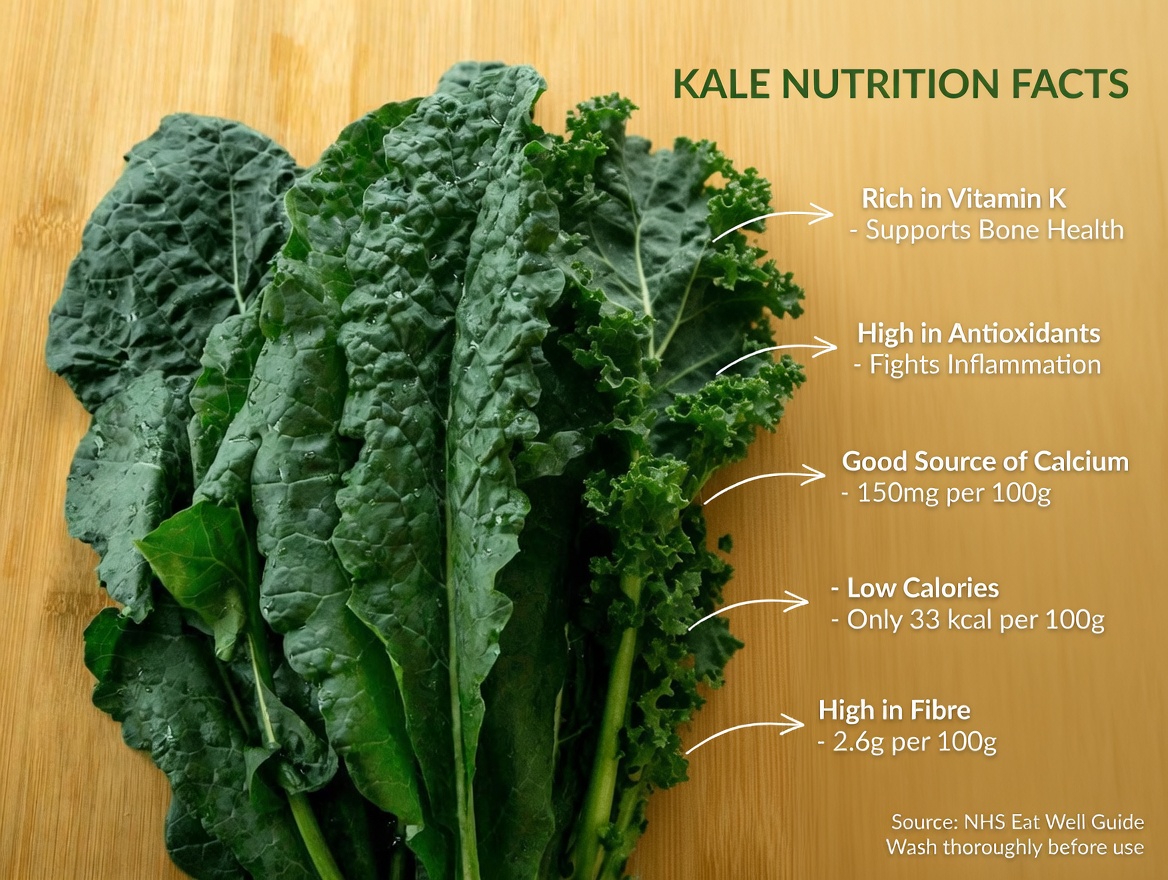
Kale is another nutrient-rich leafy green known for its antioxidants and vitamin A content. It fits easily into many recipes, from salads to sautéed side dishes.
Studies suggest that greens such as kale may also support heart health, an important consideration for many people living with diabetes.
To make raw kale more enjoyable, massage the leaves with a small amount of olive oil. This softens the texture and reduces bitterness.
4. Brussels Sprouts
Brussels sprouts deliver fiber and vitamin C in a small but powerful package. They are often recognized for supporting digestive health as part of a fiber-rich diet.
What makes them especially interesting is their sulforaphane content, a plant compound that has been linked in research to a range of potential health benefits.
Roasting Brussels sprouts with herbs is one of the easiest ways to bring out their flavor and create a crispy, satisfying side dish.
5. Carrots
Carrots are a good source of beta-carotene and fiber, helping support eye health while also promoting fullness.
They are generally considered a non-starchy vegetable, so they do not contribute heavily to overall carbohydrate intake compared with starchy options.
Eat them raw as a snack or add them to soups and stews for natural sweetness without added sugar.
6. Zucchini
Zucchini is light, hydrating, and naturally low in both calories and carbohydrates. Its mild flavor makes it easy to use in many dishes.
One popular option is spiralizing zucchini into noodles as a lower-carb substitute for pasta.
You can also grill zucchini slices for a quick and simple side dish that pairs well with many proteins.
7. Cabbage
Cabbage is budget-friendly, widely available, and packed with nutrients such as vitamin K and antioxidants.
It can also be fermented into sauerkraut, which may offer additional digestive benefits.
Try shredding cabbage into salads or slaws to add crunch and freshness to meals.
8. Asparagus
Asparagus is low in carbs and contains folate, a nutrient involved in energy metabolism and cell function.
Some studies suggest asparagus may also play a role in supporting healthy blood pressure.
Steamed asparagus with a light seasoning is fast to prepare and easy to serve alongside lunch or dinner.
9. Bell Peppers
Bell peppers come in a variety of bright colors and are especially high in vitamin C. They are non-starchy and bring crispness and flavor to many meals.
They work well raw in salads, sliced for snacking, or cooked in stir-fries.
For a more filling option, stuff bell peppers with grains and vegetables for a colorful, portable meal.
10. Cauliflower
Cauliflower is known for its flexibility in the kitchen. It can be turned into cauliflower rice or mashed as an alternative to higher-carb side dishes.
It is also a good source of fiber and important vitamins, making it a practical choice for adding bulk and nutrition to meals.
Roasted cauliflower florets can make a satisfying snack or side.
Key Nutrition at a Glance
The table below gives a quick overview of the approximate nutrient content per 100 grams of each vegetable.
| Vegetable | Calories | Carbs (g) | Fiber (g) | Key Nutrients |
|---|---|---|---|---|
| Broccoli | 34 | 7 | 2.6 | Vitamins C, K |
| Spinach | 23 | 3.6 | 2.2 | Iron, Folate |
| Kale | 49 | 9 | 3.6 | Vitamins A, C |
| Brussels Sprouts | 43 | 9 | 3.8 | Vitamin C, Sulforaphane |
| Carrots | 41 | 10 | 2.8 | Beta-Carotene |
| Zucchini | 17 | 3.1 | 1 | Potassium |
| Cabbage | 25 | 6 | 2.5 | Vitamin K |
| Asparagus | 20 | 3.9 | 2.1 | Folate |
| Bell Peppers | 31 | 6 | 2.1 | Vitamin C |
| Cauliflower | 25 | 5 | 2 | Vitamins C, K |
These numbers show why these vegetables are often included in diabetes-friendly meal plans: they are generally low in calories and carbohydrates while still delivering meaningful nutritional value.
Simple Ways to Eat More of These Vegetables
If you want to include more vegetables in your daily routine, these practical steps can help:
-
Plan meals ahead of time
- Choose 3 to 4 vegetables from the list each week.
- Buying with a plan helps reduce waste and keeps meals varied.
-
Prep them in advance
- Wash, peel, and chop vegetables during the weekend.
- Store them in containers so they are ready when you need them.
-
Use different cooking methods
- Roast vegetables to bring out sweetness.
- Steam them when you want a lighter texture and minimal prep.
-
Pair vegetables with protein
- Add them to eggs, chicken, fish, tofu, or beans.
- This creates more balanced and satisfying meals.
-
Follow the plate method
- Fill half the plate with vegetables.
- Use one quarter for protein and the remaining quarter for carbohydrate-containing foods.
Building these habits gradually can make healthy eating feel much more manageable.
Common Challenges and Easy Solutions
Adding more vegetables is not always easy. Some people struggle with time, while others dislike certain flavors or textures.
Starting small is often the best strategy. If strong flavors are a problem, blend leafy greens into smoothies or mix vegetables into soups, sauces, and casseroles. Roasting can also improve taste by adding sweetness and reducing bitterness.
Research suggests that gradual, realistic changes are easier to maintain over time than trying to overhaul your entire diet at once.
Final Thoughts
Broccoli, spinach, kale, Brussels sprouts, carrots, zucchini, cabbage, asparagus, bell peppers, and cauliflower can all bring more variety, fiber, and essential nutrients to your meals. They are practical choices for a balanced eating pattern and can support overall health while fitting into a diabetes-friendly diet.
And the standout vegetable? Brussels sprouts deserve special attention because of sulforaphane, the unique compound that makes them especially interesting from a nutrition perspective. They are also easier to prepare than many people expect.
Always speak with your healthcare provider before making significant dietary changes, especially if you are managing diabetes or other medical conditions.
Frequently Asked Questions
What are some easy ways to eat more vegetables every day?
A simple approach is to make non-starchy vegetables fill half your plate at meals. You can also add spinach to omelets, stir broccoli into pasta dishes, or snack on raw carrots and bell pepper slices.
Can vegetables replace diabetes medication?
No. Vegetables are an important part of a healthy eating plan, but they should not be used instead of prescribed medications or medical treatment. Always talk with your doctor before changing your care plan.
How can I tell if a vegetable is non-starchy?
Non-starchy vegetables usually contain relatively low amounts of carbohydrates, often around 5 to 10 grams or less per serving. Leafy greens, broccoli, cauliflower, peppers, and zucchini are common examples. Potatoes, corn, and peas are generally considered starchier choices.
Important Note
This article is intended for educational purposes only and should not be considered medical advice. For personalized guidance on diabetes management, consult a qualified healthcare professional.