
Natural Ways to Support Joint Comfort and Ease Everyday Body Aches at Home
Persistent body pain and arthritis-related discomfort can make daily life feel far more difficult than it should. It can start first thing in the morning with stiffness, turn simple tasks like climbing stairs into a struggle, and leave you feeling drained by evening. Beyond limiting movement, ongoing aches can also affect your mood, energy, and sense of well-being.
The good news is that gentle, natural strategies may help support joint comfort from the comfort of your own home. Many people are now turning to simple daily habits to help reduce everyday discomfort and improve mobility over time. One of the most interesting options may already be sitting in your kitchen, and later in this guide, you’ll learn exactly how to use it.
What Triggers Arthritis Pain and Daily Body Discomfort?
Arthritis discomfort commonly develops from joint inflammation, long-term wear and tear, and lifestyle influences such as poor diet or limited movement. In adults over 40, these issues often affect the knees, hips, hands, and lower back. As a result, ordinary activities can gradually become more challenging.
One reason arthritis feels so discouraging is that it often appears little by little. A stiff morning here, a sore joint there, and eventually hobbies and routines start to feel harder to maintain.
Still, discomfort does not have to be viewed as something you simply accept. Research from respected health sources suggests that everyday choices can help support the body’s natural response to inflammation. That is why many people are revisiting practical home-based habits that are easy to follow and fit into real life.
Why More People Are Choosing Natural Daily Habits for Joint Support
Rather than relying only on short-term solutions, many people are focusing on consistent lifestyle habits that support long-term comfort. Research suggests that plant-based compounds, along with small but regular wellness practices, may help maintain flexibility and reduce common aches over time.
This is not about instant results. It is about building manageable routines that support your body day after day.
One standout ingredient in this conversation is turmeric. Known for its bright golden color, turmeric has been valued for centuries in traditional wellness practices. Today, modern research is especially interested in curcumin, the key active compound in turmeric. Reviews of clinical studies suggest that curcumin may help support a healthy inflammatory response, which is why it has become popular among people looking for natural ways to support joint and body comfort.
Turmeric: The Golden Spice for Everyday Comfort
Turmeric offers more than color and flavor. Findings published in peer-reviewed health journals suggest that curcumin may influence biological pathways linked to inflammation. Because of this, many people use turmeric regularly as part of a broader wellness routine for joint care.
Here are several reasons turmeric continues to stand out:
- Long history of traditional use: It has been used for generations in Asian wellness traditions and is now widely studied by modern researchers.
- Rich in antioxidants: Curcumin provides antioxidant support, which may help protect overall cellular health.
- Better absorption with black pepper: Piperine, a compound in black pepper, may increase curcumin absorption significantly.
- Generally easy to tolerate: In moderate amounts, turmeric is usually gentle when consumed in foods or warm drinks.
- Simple to use daily: You do not need supplements or special tools to start—just a teaspoon and a routine you can stick with.
For many people, the value comes from consistency. When used regularly alongside other healthy habits, turmeric may become a useful part of a balanced approach to daily comfort.
How to Add 1 Teaspoon of Turmeric to Your Routine
If you want to try turmeric at home, the process is simple. A steady daily habit is often more helpful than doing too much at once.
Step-by-step approach
-
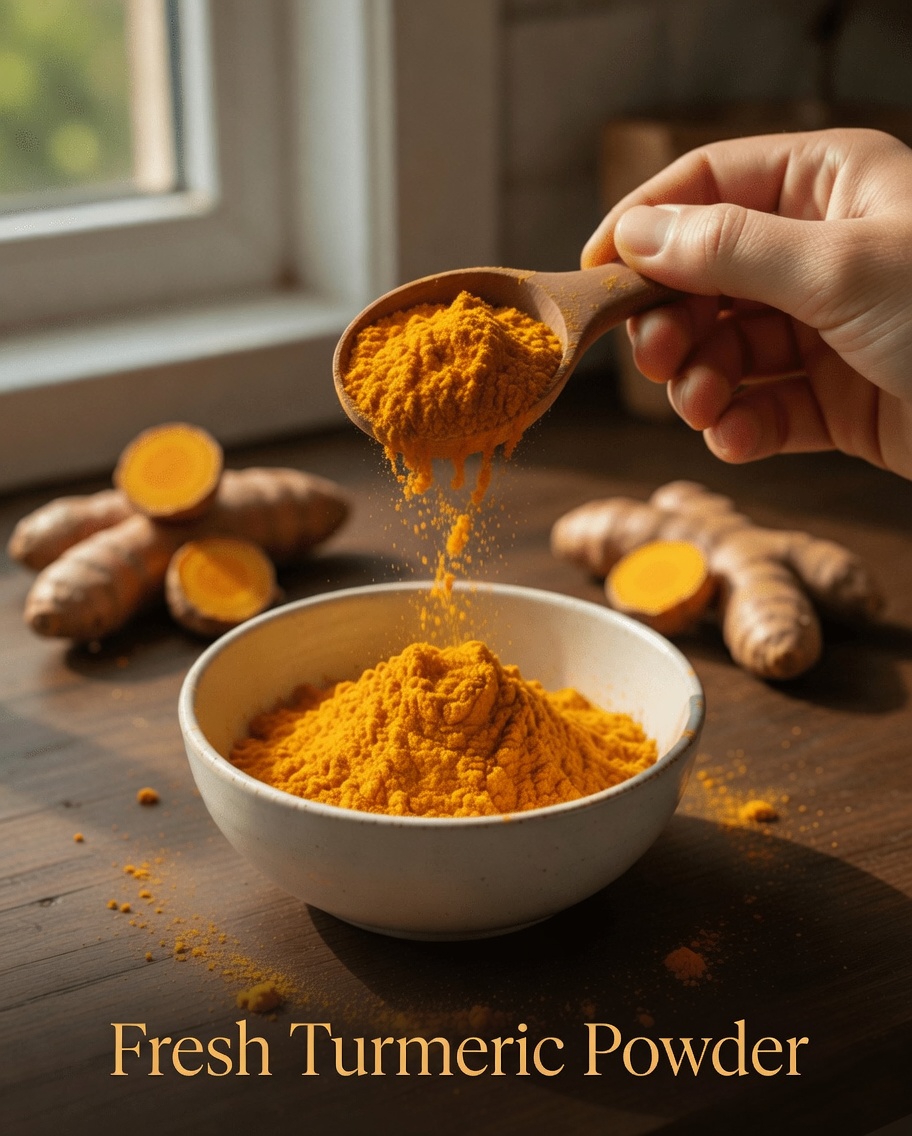
Choose a good-quality turmeric powder
Pick a fresh, high-quality product, ideally organic and free from fillers. A vibrant golden color is often a good sign of freshness. -
Use 1 teaspoon per day
This amount is commonly used in wellness routines for general support. You can stir it into warm milk, herbal tea, or a smoothie. -
Add black pepper and a healthy fat
Include a small pinch of black pepper plus a fat source such as coconut oil or ghee. This combination may help your body absorb curcumin more effectively. -
Take it at a time that fits your schedule
Some people prefer turmeric in the morning with breakfast, while others enjoy it at night in a soothing drink. -
Track your progress
Keep notes for 2 to 4 weeks. Pay attention to stiffness, daily comfort, movement, and energy levels. Gradual changes can be easier to notice when written down.
Turmeric is also easy to use in meals. You can add it to:
- Scrambled eggs
- Soups
- Roasted vegetables
- Rice dishes
- Homemade salad dressings
Its warm, earthy flavor blends well into many recipes without overpowering them.
Simple Home Habits That Work Well Alongside Turmeric
Turmeric may be helpful, but it tends to work best as part of a bigger picture. A few other easy home habits can support joint mobility and help ease everyday discomfort.
1. Move gently every day
Low-impact activity such as walking or light stretching for 10 to 15 minutes can encourage circulation and help joints stay mobile. Regular movement is often linked to better joint function.
2. Drink enough water
Hydration matters more than many people realize. Try to drink 8 to 10 glasses of water a day, since dehydration may make stiffness feel worse.
3. Eat more anti-inflammatory foods
Build meals around foods that naturally support balance in the body, including:
- Fatty fish
- Berries
- Leafy greens
- Nuts
- Seeds
4. Improve sleep quality
Aim for 7 to 9 hours of sleep each night. Rest is essential for recovery, and poor sleep is often associated with greater daily discomfort.
5. Use warmth for relief
A warm bath, heating pad, or warm compress for about 15 minutes can help relax tight muscles and soothe stiffness. This remains a trusted recommendation in many physical therapy settings.
When these habits are combined, they create a realistic and sustainable routine rather than an overwhelming health plan.
What to Keep in Mind
It is important to stay realistic. Everyone responds differently, so results may vary. Some people feel improvements in mobility or comfort within a few weeks, while for others, the process is slower and more gradual.
Patience matters. So does consistency.
If you take medication or have an existing medical condition, speak with your healthcare provider before making changes to your routine. This is especially important if you use blood thinners or have gallbladder concerns. Natural habits can be a helpful addition, but they are not a replacement for professional medical care.
Final Thoughts: Small Daily Habits Can Make a Big Difference
You do not need expensive products or complicated routines to start caring for your joints at home. Simple steps such as adding 1 teaspoon of turmeric to your day, staying active, drinking enough water, eating nourishing foods, and getting better sleep can all support how your body feels over time.
The best part is that these habits are practical and sustainable. You can start small, stay consistent, and build a routine that feels natural.
Even something as simple as your first cup of golden tea could be the beginning of better comfort and easier movement.
Frequently Asked Questions
How much turmeric can I take daily?
For many healthy adults, 1 teaspoon of turmeric powder per day is a common amount when mixed into food or drinks. It is generally well tolerated, but you should check with your doctor if you take blood thinners or have gallbladder issues.
Can fresh turmeric root be used instead of powder?
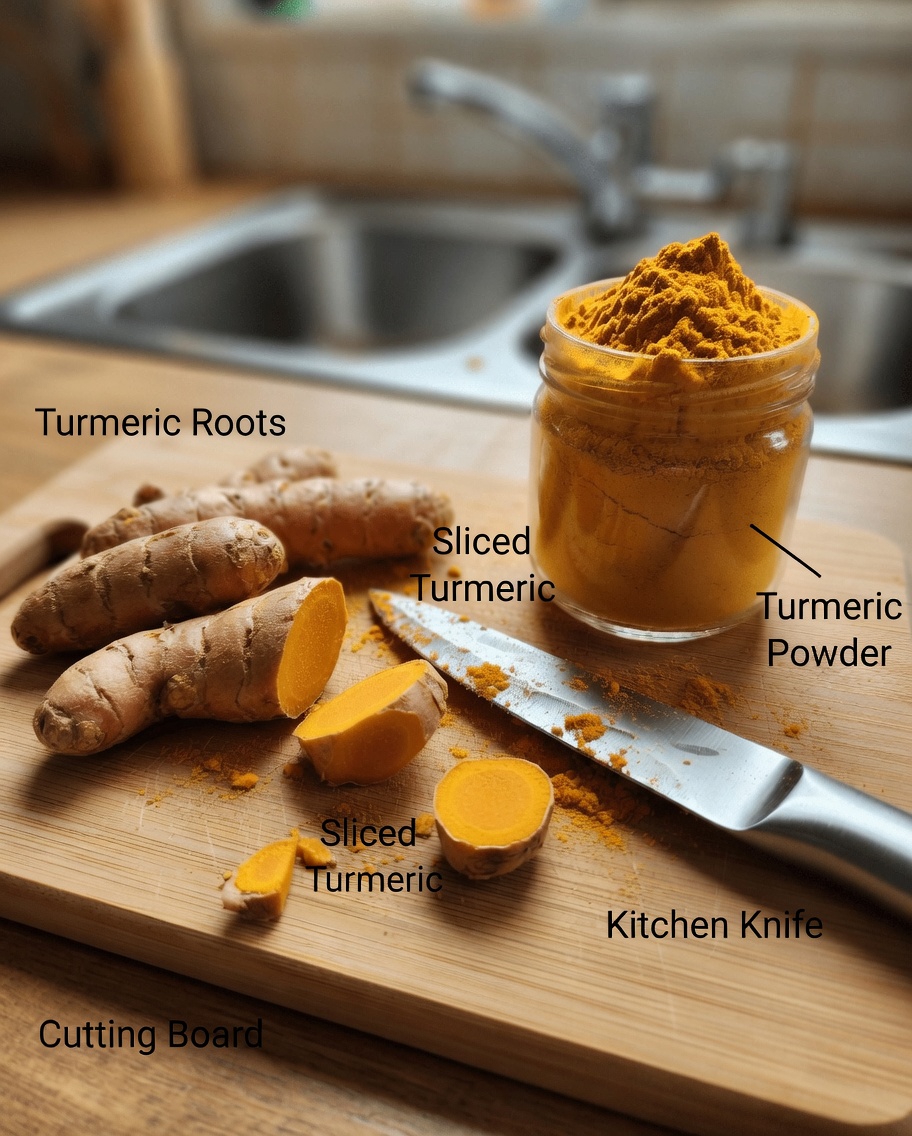
Yes. You can use about 1 tablespoon of freshly grated turmeric root in place of powder. It contains the same beneficial compounds and adds a brighter, fresher flavor to tea and meals. Store it in the refrigerator to keep it fresh longer.
Can these habits replace my current pain management plan?
No. These are supportive lifestyle practices meant to complement your existing care, not replace guidance from your healthcare provider. They work best as part of a complete and balanced wellness approach.