Stop Throwing Away Avocado Seeds: A Hidden Ingredient Worth Exploring
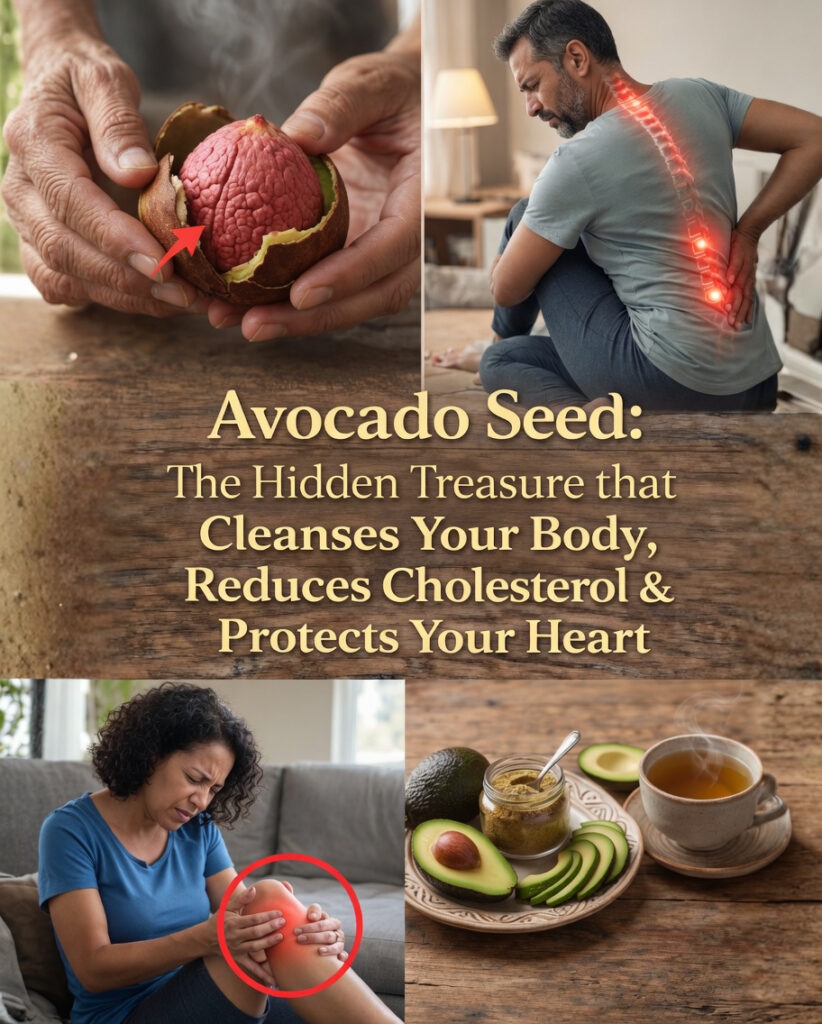
If you usually enjoy an avocado and toss the large pit straight into the trash, you’re not alone. In most kitchens, the creamy green flesh gets all the attention while the seed is ignored. But that everyday habit may mean missing out on a part of the fruit that contains interesting plant compounds, while also creating unnecessary food waste.
That small detail matters more than many people realize.
In modern life, convenience often wins over curiosity. As a result, we discard parts of fruits and vegetables that many traditional food cultures have appreciated for years. When grocery prices keep rising, wasting edible or usable portions of food can feel even more frustrating.
The good news is that this can change easily.
With a few simple preparation steps, avocado seeds can be used in moderation as part of a mindful routine. And once you understand their potential, you may never look at this humble pit the same way again.
Why Avocado Seeds Are Getting More Attention
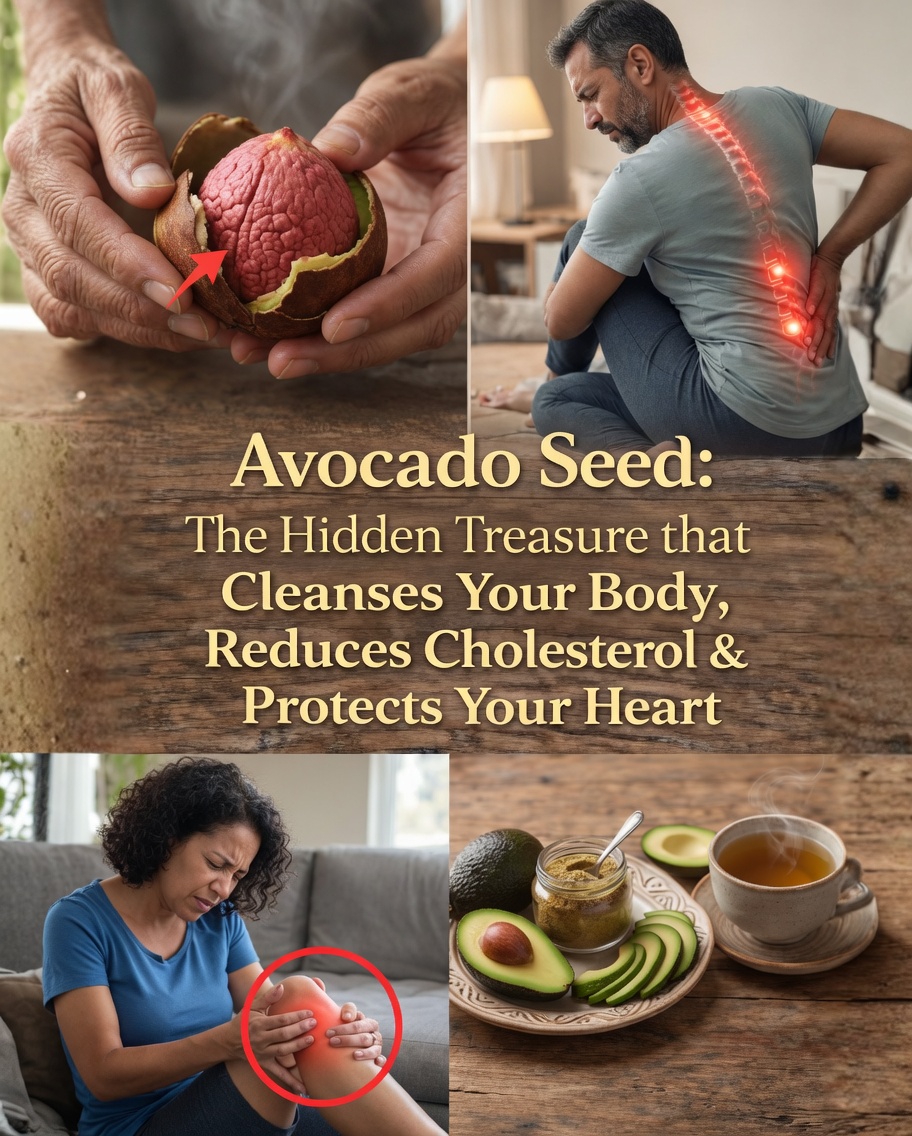
Avocado seeds, also known as pits, account for roughly 13% to 18% of the fruit’s total weight.
Researchers have identified a range of plant-based compounds inside these seeds, which is why they have become increasingly interesting to people focused on natural nutrition.
Still, there is an obvious reason most people throw them away: the seed is hard, dense, and naturally bitter, unlike the smooth and mild avocado flesh.
Yet with the right preparation, that tough pit can become usable.
There is also a sustainability benefit. Reusing avocado seeds can help reduce kitchen waste, making them appealing to people who want a more eco-conscious lifestyle.
More importantly, paying attention to avocado seeds encourages a broader mindset around food. It reminds us to think more carefully about what we consume and what we may be overlooking.
Avocado Seed Nutrition: What’s Inside?
Avocado seeds mainly contain carbohydrates, fats, protein, and fiber.
Studies also suggest that they are a rich source of polyphenols, which are plant compounds commonly associated with antioxidant activity. In addition, they contain vitamins such as A, B, C, and E, along with minerals including potassium, magnesium, and calcium.
Key nutritional components include:
- Dietary fiber: supports normal digestion and regularity
- Polyphenols: linked to antioxidant effects
- Fatty acids: including beneficial monounsaturated fats
- Amino acids: important building blocks for proteins
- Minerals: involved in many essential body functions
It is important to note that the exact nutrient profile can vary depending on the avocado type and its ripeness.
Some research on Hass avocados, which are widely consumed around the world, suggests that the seeds may contain more polyphenols than the pulp. That finding is one reason avocado seeds continue to attract attention in natural health discussions.
Possible Wellness Benefits of Avocado Seeds
Many nutrition enthusiasts talk about the possible ways avocado seeds may support daily wellness when consumed occasionally and in small amounts.
However, caution is essential. Much of the available evidence comes from early-stage research, including laboratory and animal studies. Human research remains limited, so avocado seeds should be viewed as a complementary food experiment rather than a proven health solution.
1. Antioxidant support
Avocado seeds contain antioxidant compounds that may help protect cells from oxidative stress.
Laboratory studies have found that avocado seed extracts may help neutralize free radicals. This is similar to the way other plant foods contribute to general wellness.
For this reason, some people add a small amount of avocado seed powder to smoothies.
2. Digestive support
Because avocado seeds contain fiber, they may help support digestive regularity and overall gut health.
Fiber is known to nourish beneficial gut bacteria, and adding a modest amount of avocado seed powder may complement an already fiber-rich eating plan.
Another possible benefit is improved satiety, meaning you may feel full for longer.
3. Heart-friendly nutrition habits
Animal studies suggest that compounds in avocado seeds may help support healthy cholesterol levels.
The seeds also provide potassium, a mineral that plays an important role in maintaining blood pressure balance. Nutrition experts often emphasize the value of plant-based potassium sources as part of heart-conscious eating habits.
Even beyond the nutrients themselves, using avocado seeds may encourage people to make more mindful food choices overall.
4. Anti-inflammatory potential
Inflammation is part of the body’s normal defense system, but chronic inflammation can be more difficult to manage.
In laboratory settings, avocado seed extracts have shown anti-inflammatory effects, which has led some people to experiment with them in homemade teas and herbal-style drinks.
This interest also connects to broader conversations around skin comfort and joint wellness.
5. Skin and hair care uses
The antioxidants in avocado seeds may help support the skin’s natural defenses against environmental stressors.
Some people grind the seed into a fine powder and use it in DIY facial or body scrubs for gentle exfoliation. Polyphenols are also being studied for their possible role in supporting skin health.
For hair, avocado seed infusions are sometimes used as rinses in natural beauty routines.
6. Energy and metabolism support
Minerals such as magnesium are involved in energy production, muscle function, and fatigue management.
Avocado seeds contain magnesium in modest amounts, so they may offer a small nutritional contribution for people with active lifestyles when used alongside a balanced diet.
7. Support for the body’s natural detox processes
The body already has built-in detoxification systems, and fiber plays a supporting role in those processes.
Because avocado seeds contain fiber, they may help promote elimination and indirectly support normal liver and kidney function as part of a healthy diet.
8. Immune system support
Avocado seeds contain vitamins C and E, both of which contribute to immune health.
Their antioxidant content may also help protect cells, and some early research has explored possible antimicrobial effects. Still, moderation is essential, and more evidence is needed before making strong claims.
9. Encouraging mindful eating
One of the most overlooked benefits may be psychological rather than physical.
Using avocado seeds encourages a whole-food mindset. It can help reduce waste, inspire creativity in the kitchen, and increase appreciation for every part of the foods we buy. That shift in attitude often leads to healthier habits overall.
Avocado Seed Compounds Compared With Familiar Foods
The table below shows why avocado seeds are attracting interest in the natural food space.
| Compound | Avocado Seed Content | Common Food Comparison | Potential Role |
|---|---|---|---|
| Polyphenols | High | Similar to green tea | Antioxidant support |
| Fiber | Significant | Comparable to oatmeal | Digestive support |
| Potassium | Moderate | Similar to bananas | Blood pressure balance |
| Magnesium | Present | Comparable to nuts | Energy production |
| Vitamin E | Notable | Similar to almonds | Skin protection |
This comparison helps explain why avocado seeds are increasingly discussed in wellness circles.
How to Prepare Avocado Seeds Safely
Before trying any new ingredient, safety should come first.
Avocado seeds contain persin, a natural compound generally considered safe for humans in small amounts, but potentially problematic in excessive quantities. Because research is still limited, moderation is strongly recommended, and anyone with health concerns should speak with a qualified healthcare professional first.
Step 1: Clean and dry the seed
Follow these steps after removing the pit from a ripe avocado:
- Rinse it under cool water to remove any remaining flesh
- Dry it with a clean towel
- Leave it to air dry for 2 to 3 days
- Wait until the outer layer can be peeled away more easily
- Remove the thin brown skin
Drying the seed helps reduce bitterness and makes it easier to process.
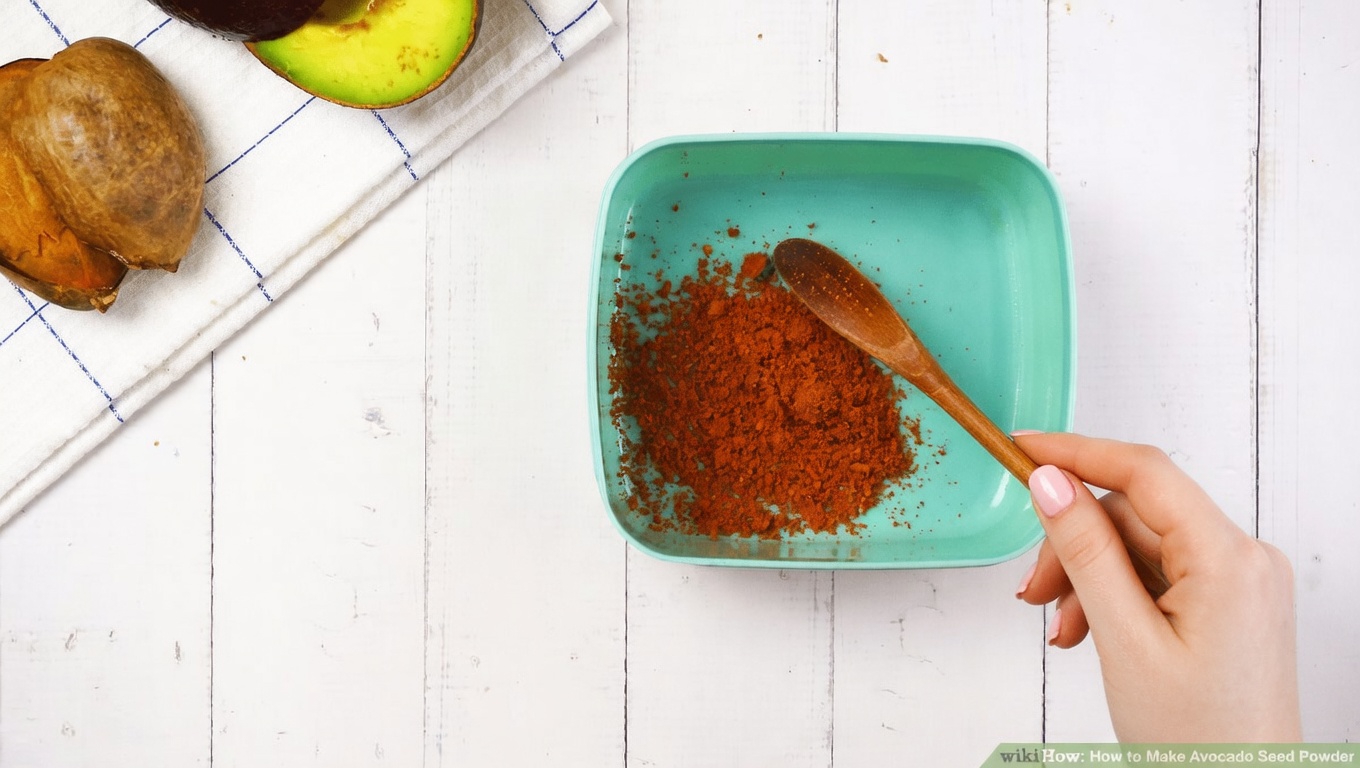
Step 2: Grind it into powder
After the seed is fully dry:
- Cut it into small chunks carefully
- Place the pieces in a high-speed blender, spice grinder, or coffee grinder
- Blend until a fine powder forms
- Store the powder in an airtight container
- Keep it in a cool, dry place
When using avocado seed powder for the first time, start with only 1/2 teaspoon per serving.
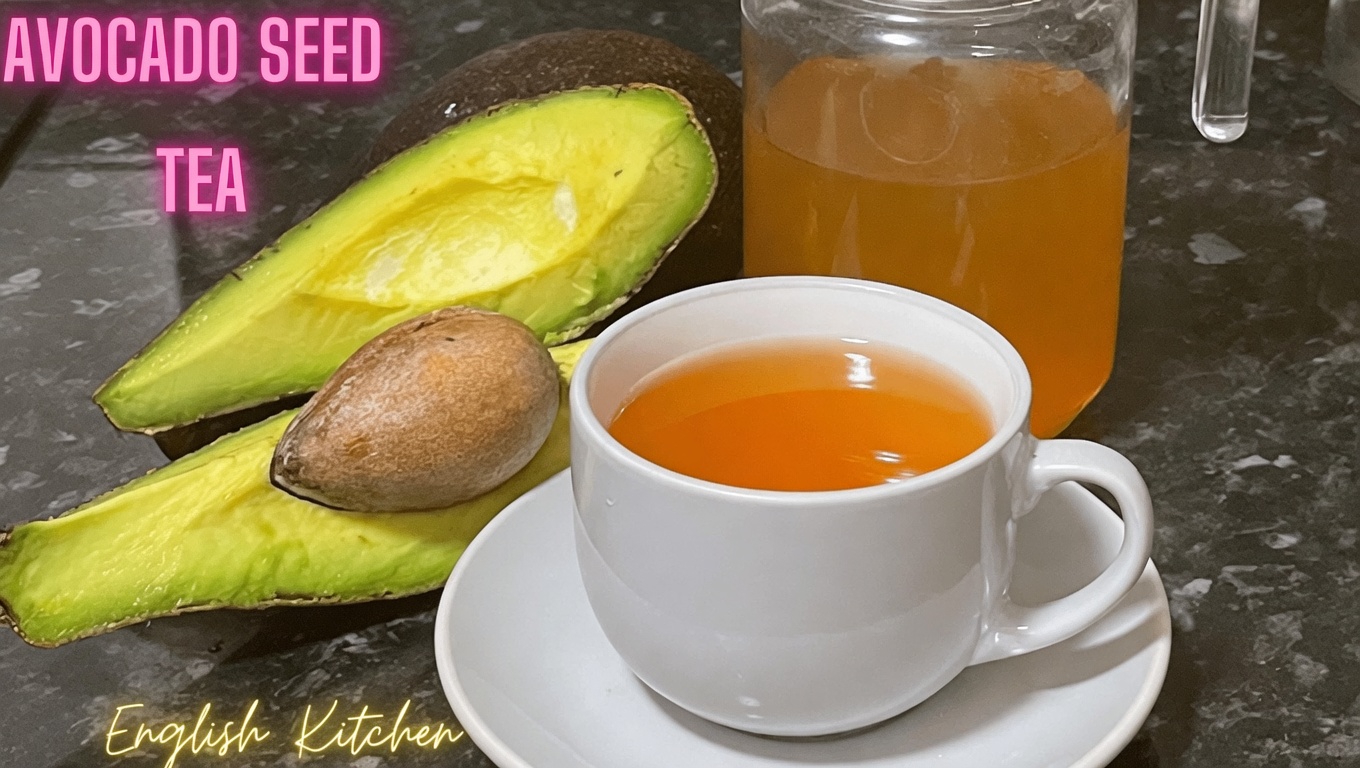
Avocado Seed Tea: A Simple Way to Start
For many people, avocado seed tea is the easiest introduction.
Ingredients
- 1 dried avocado seed, chopped
- 2 cups of water
- Optional: honey, lemon, or ginger for flavor
Method
- Bring the water to a boil
- Add the chopped avocado seed pieces
- Reduce the heat and simmer for 10 to 15 minutes
- Strain the liquid into a cup
- Add honey, lemon, or ginger if desired
- Drink while warm
The flavor is earthy and slightly bitter, similar to some herbal infusions. That makes tea a common starting point for those curious about avocado seed uses.
Other Ways to Use Avocado Seed Powder
If tea is not your preference, avocado seed powder can be added to everyday foods in very small amounts.
Easy serving ideas
- Blend 1/2 teaspoon into a morning smoothie
- Mix it with banana, berries, or other sweet fruits to soften the bitter taste
- Sprinkle a little over oatmeal
- Add a small amount to salads
- Stir it into homemade wellness drinks
The best approach is to experiment gradually and see what works for your taste and digestion.
Important Safety Advice and Who Should Avoid It
Avocado seeds are not suitable for everyone.
You should be especially cautious if you fall into any of these groups:
- Pregnant or breastfeeding individuals: avoid use due to limited safety research
- People with avocado allergies: possible reaction risk
- People with latex sensitivity: cross-reactivity may occur in some cases
- Anyone with a medical condition or taking medication: consult a healthcare provider first
General moderation guidelines
- Keep intake small, around 1/2 to 1 teaspoon per day at most
- Do not consume large amounts
- Stop use if you notice digestive upset or any unusual symptoms
- Treat avocado seeds as an occasional addition, not a dietary staple
Current research continues to emphasize caution. While avocado seeds are nutritionally interesting, they still need more human studies before they can be recommended more broadly.
A More Mindful Way to Use the Whole Avocado
Avocado seeds may not be the most obvious ingredient in your kitchen, but they offer an interesting example of how simple food habits can change.
Instead of automatically discarding the pit, you can choose to explore it carefully and responsibly. Whether used in tea, powder, or natural beauty routines, avocado seeds represent a practical way to reduce waste and learn more about whole-food living.
The real value may be bigger than the seed itself.
It lies in the mindset of using food more thoughtfully, wasting less, and staying open to the hidden potential in everyday ingredients.