Soursop: A Tropical Fruit with Nutritional Potential
Modern life often makes healthy eating harder than it should be. Busy schedules, convenience foods, and daily stress can leave many people feeling tired, out of balance, and looking for simple, natural ways to support overall wellness. In that search, tropical fruits such as soursop are gaining attention for both their flavor and their nutritional value.
Soursop may be a refreshing addition to a balanced diet, especially for people who want more variety in their meals without depending entirely on supplements. Beyond its sweet-tart taste, this fruit contains an interesting mix of vitamins, fiber, and plant compounds. Even more intriguing, scientists are still studying one of its key natural components—and that detail appears near the end.
What Is Soursop?
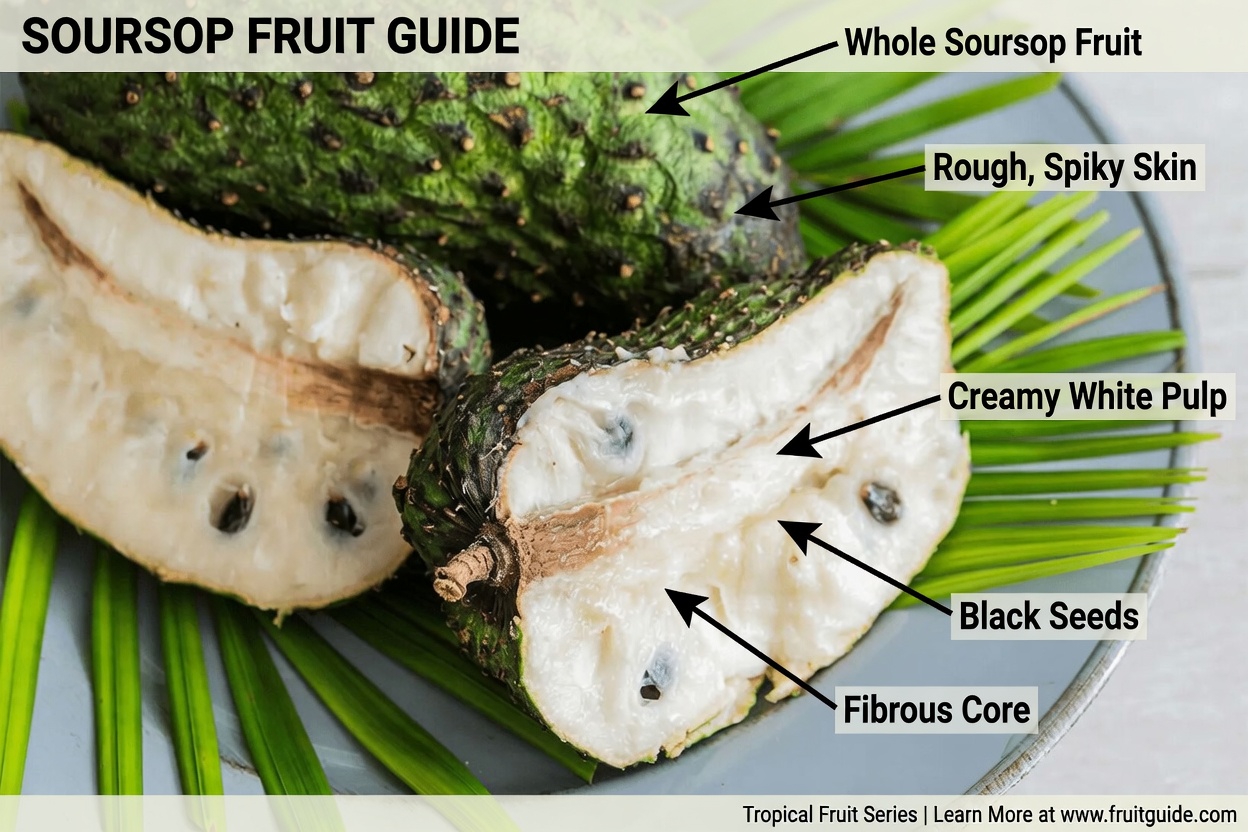
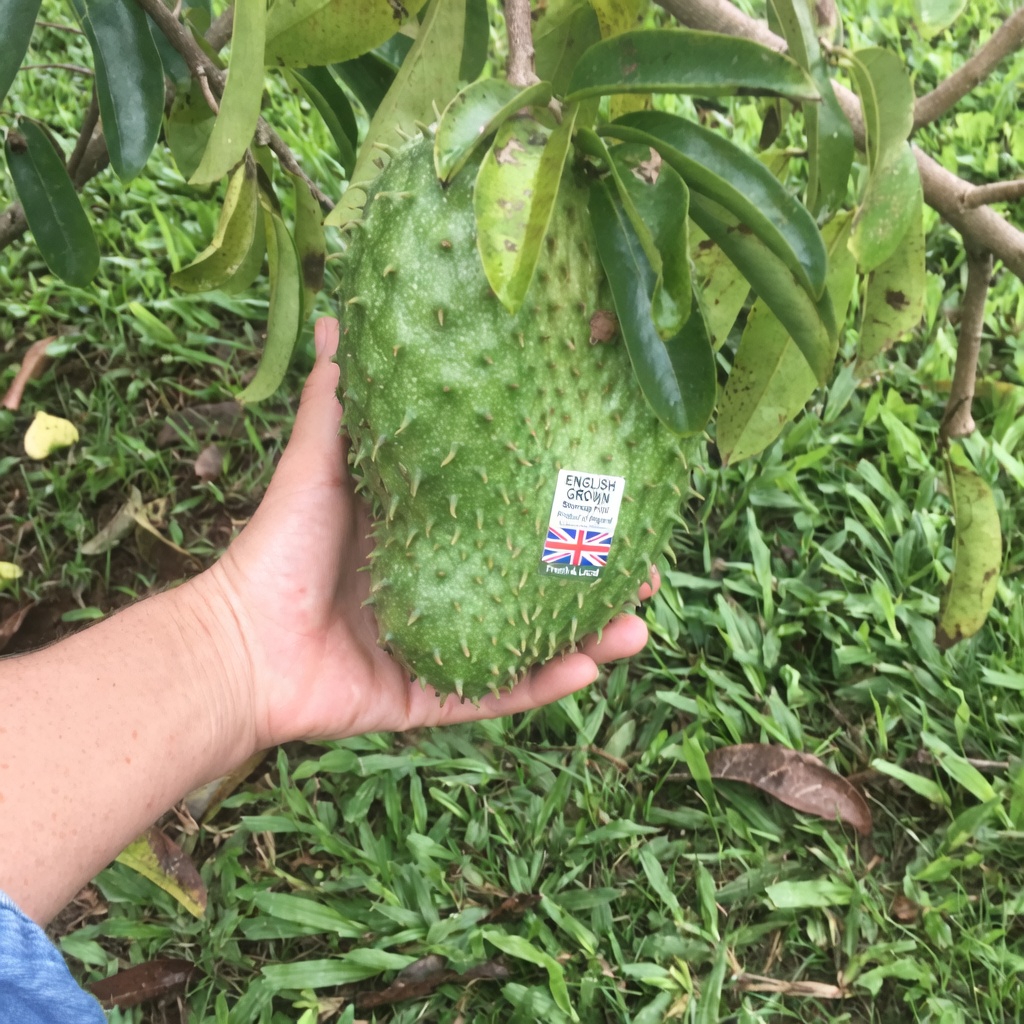
Soursop, also called graviola or guanabana, comes from the Annona muricata tree. It grows naturally in tropical areas including the Amazon, the Caribbean, parts of Africa, and Southeast Asia. The fruit has a green, slightly spiny skin and soft white flesh inside. Its flavor is often described as a blend of pineapple, strawberry, and citrus.
For generations, soursop has been used in traditional cuisines in juices, smoothies, frozen treats, and desserts. It is valued not only for its taste, but also for its long history in regional food culture.
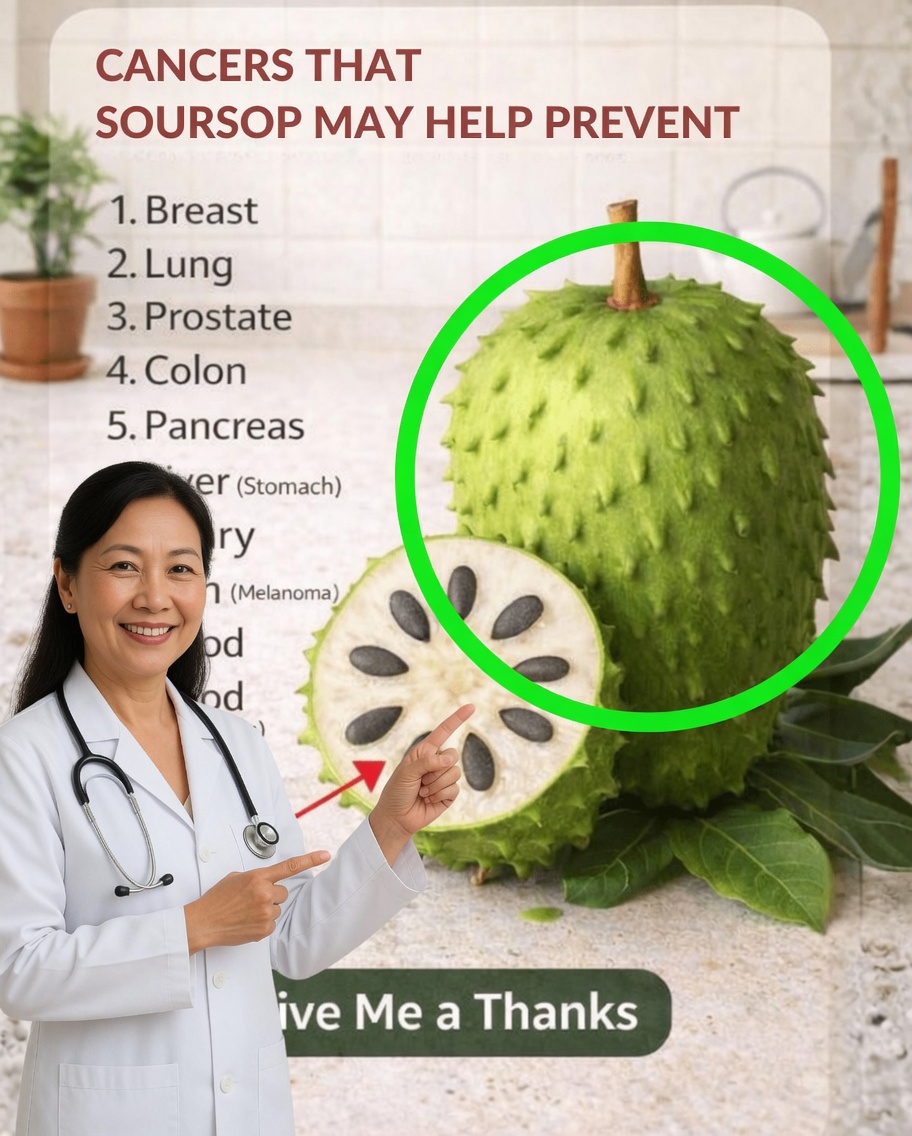
Soursop has a broader traditional use as well. In some indigenous and herbal practices, the leaves, bark, and seeds have been used for wellness purposes. If you have never seen it before, think of it as an exotic fruit that is becoming increasingly available in supermarkets, specialty stores, and online shops.
The tree itself prefers warm climates and can reach heights of around 30 feet. Its fruits are often quite large, sometimes weighing several pounds. Botanically, soursop belongs to the same family as other custard apples, which helps explain its rich, creamy texture.
Nutritional Value of Soursop
Soursop offers a range of nutrients that can fit well into a healthy eating pattern. A cup of raw soursop pulp contains roughly 148 calories, making it a relatively light option for a snack or smoothie ingredient.
One of its standout nutrients is vitamin C. A single cup can provide well over the daily recommended amount, which may help support immune function and healthy skin. Soursop also contains a useful amount of dietary fiber, which can support digestion and help you feel full longer.
Another notable mineral in soursop is potassium, an important nutrient involved in muscle function and fluid balance.
Soursop vs. Other Fruits
Here is a simple comparison per 100 grams:
| Nutrient (per 100g) | Soursop | Banana | Pineapple |
|---|---|---|---|
| Calories | 66 | 89 | 50 |
| Vitamin C (mg) | 20.6 | 8.7 | 47.8 |
| Fiber (g) | 3.3 | 2.6 | 1.4 |
| Potassium (mg) | 278 | 358 | 109 |
This comparison shows that soursop compares well with other familiar fruits, especially when it comes to fiber and vitamin C.
In addition to these basics, soursop contains B vitamins such as niacin and folate, which are involved in energy metabolism and cell maintenance. It also provides antioxidant compounds like quercetin and luteolin, which help defend the body against free radicals.
What Research Says About Soursop
Soursop has attracted scientific interest mainly because of its antioxidant content. Antioxidants may help protect cells from oxidative stress, which plays a role in overall health and everyday wellness.
Laboratory studies have found that the fruit and leaves contain natural compounds known as acetogenins. These substances have shown biological activity in test-tube research. Some studies suggest they may affect certain cellular processes under controlled lab conditions.
However, there is an important distinction to keep in mind: much of this work is still early-stage research. Many findings come from test-tube or animal studies, not from large, well-established human trials. That means the results cannot automatically be applied to normal dietary intake.
Some animal research has also examined possible anti-inflammatory effects, with reduced swelling observed in certain study models. While this is promising, human evidence remains limited. So while soursop may support wellness as part of a varied diet, it should not be viewed as a cure-all.
Another area researchers have explored is blood sugar regulation. In animal studies, soursop extracts appeared to help stabilize blood sugar levels. This may be related to its fiber content and plant compounds. For people who are mindful of blood sugar, soursop could be worth discussing with a healthcare professional as part of an overall diet plan.
A particularly interesting subject is soursop’s behavior in laboratory studies involving different cell lines, including those associated with breast, lung, and prostate origins. Some in vitro findings suggest inhibitory effects. Still, experts stress that these studies use concentrated extracts, not the fruit as typically eaten. More human-based research is needed before drawing strong conclusions.
Test-tube studies have also reported antibacterial activity against certain strains linked to oral health and infections. This adds another layer to soursop’s growing scientific profile, though again, evidence in humans is still limited.
How to Add Soursop to Your Diet Safely
If you want to try soursop, start with a small amount and see how it suits you. Here are a few practical ways to enjoy it:
-
Buy fresh or frozen
- Choose fruit that gives slightly when pressed.
- Avoid fruit that feels overly soft or mushy.
-
Prepare it carefully
- Slice it open and remove the pulp.
- Discard the seeds and the tough core.
-
Blend it into smoothies
- Combine the pulp with yogurt, banana, and milk for a filling breakfast or snack.
-
Use it in recipes
- Add it to fruit salads, sorbets, or desserts.
- Its natural sweetness also works well in homemade drinks.
-
Try leaf tea occasionally
- If using dried leaves, steep 1 to 2 teaspoons in hot water for 5 to 10 minutes.
- Keep use moderate rather than frequent.
A reasonable approach is to enjoy soursop in moderation, such as once or twice per week, depending on your dietary needs and calorie intake.
If you are pregnant, breastfeeding, or managing a medical condition, it is best to speak with a healthcare provider before adding soursop products like teas or extracts to your routine.
Safety Considerations
Eating soursop as a fruit is generally considered safe for most people. However, extracts, supplements, and teas deserve more caution. Some research has linked high or prolonged exposure to certain compounds in soursop with neurological concerns, including symptoms related to movement problems.
People with low blood pressure or those taking medication should be especially careful, since soursop may interact with some treatments. It is also important to buy products from trusted sources to reduce the risk of contamination or poor quality.
The bottom line is simple: soursop is not a miracle food, but it can be an interesting fruit to explore sensibly as part of a healthy lifestyle.
Final Thoughts
Soursop combines a unique taste with a valuable nutritional profile. Its pulp offers vitamins, fiber, and antioxidants, while early research points to possible health-supporting properties related to oxidative stress and inflammation. As part of a balanced diet, it can be a flavorful way to increase fruit variety.
And here is the intriguing detail mentioned earlier: acetogenins found in soursop have shown selective activity in laboratory studies against certain cell types while appearing not to affect normal cells in the same way. This is a compelling area of ongoing research, but it is still far from definitive and should not be overstated.
Frequently Asked Questions
What is soursop, and what does it taste like?
Soursop is a tropical fruit with soft, creamy flesh and a flavor often compared to a mix of strawberry, pineapple, and citrus. It is commonly used in drinks, smoothies, and desserts.
Is soursop safe for everyone?
Most people can eat the fruit in moderation without problems. However, the seeds should not be consumed, and anyone who is pregnant, breastfeeding, taking medication, or managing a health condition should check with a doctor first.
Where can I buy soursop?
If fresh soursop is not available locally, try international grocery stores, specialty markets, or trusted online retailers. Frozen pulp, canned versions, and dried leaves for tea are also sold in some places.
Disclaimer
This article is intended for informational purposes only and does not replace medical advice. Always consult a qualified healthcare professional before changing your diet or wellness routine, especially if you have existing health concerns.