Parmesan Cheese and Protein After 60: A Simple Way to Support Muscle Health
Once we move into our 60s and later years, the body naturally begins to change. One common shift is the gradual loss of muscle mass, often called sarcopenia. This age-related decline can affect strength, balance, and overall mobility, making everyday tasks like walking, lifting bags, or climbing stairs feel more difficult than before.
That can be discouraging, especially when it starts to interfere with independence and daily comfort. The good news is that nutrition can play an important role in supporting the body as it ages. One food worth a closer look is parmesan cheese, especially when compared with familiar protein staples like eggs. By the end of this article, you’ll also discover a surprisingly easy way to pair parmesan with other ingredients for a practical daily habit.
Why Muscle Changes Happen After Age 60
As we age, the body becomes less efficient at using dietary protein to preserve muscle tissue. This means older adults may need to be more intentional about choosing protein-rich foods.
Studies suggest that after age 60, maintaining muscle may require a higher focus on protein quality and consistency. This does not mean an extreme diet overhaul is necessary. Even modest improvements in meal planning can make a meaningful difference over time.
According to research supported by the National Institutes of Health, sarcopenia may affect as many as half of older adults. While that statistic sounds concerning, it also highlights how valuable small lifestyle changes can be.
Why Protein Is Important for Older Adults
Protein is essential for much more than building muscle. It helps repair tissues, supports immune function, and supplies amino acids the body needs for many daily processes.
For adults over 60, getting enough protein may help with:
- Muscle maintenance
- Mobility and physical function
- Energy support
- Healthy aging overall
Findings published in the Journal of the American Geriatrics Society suggest that higher protein intake may help older adults maintain more muscle mass. Still, the goal is not overconsumption. What matters most is getting a balanced amount regularly throughout the day.
Eggs vs. Parmesan Cheese: Which Has More Protein?
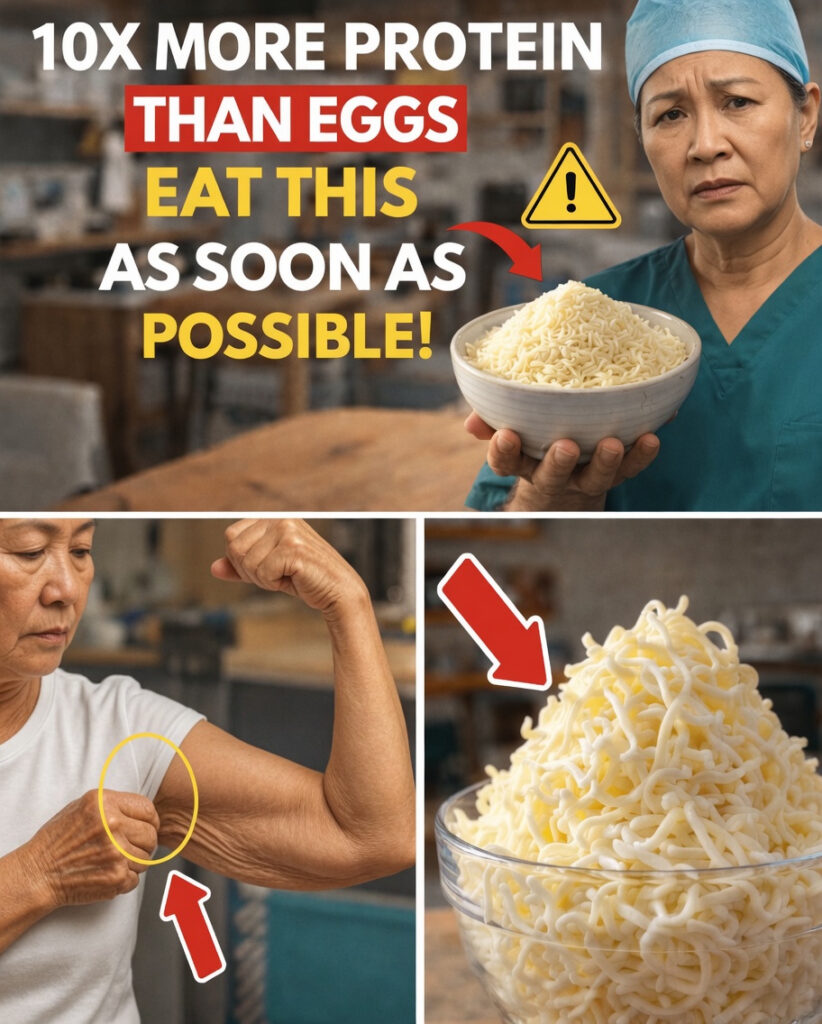
Eggs are often seen as a reliable protein choice, and for good reason. One large egg contains about 6 grams of protein. However, parmesan cheese is more concentrated.
A 1-ounce serving of parmesan provides around 10 grams of protein. Looking at larger portions, 100 grams of parmesan contains roughly 38 grams of protein, while 100 grams of eggs offers about 13 grams.
This makes parmesan a dense protein option in a small serving size. It is also easy to add to many meals, which can be especially helpful for people who want simple ways to boost intake without eating large portions.
Nutritional Benefits of Parmesan Cheese
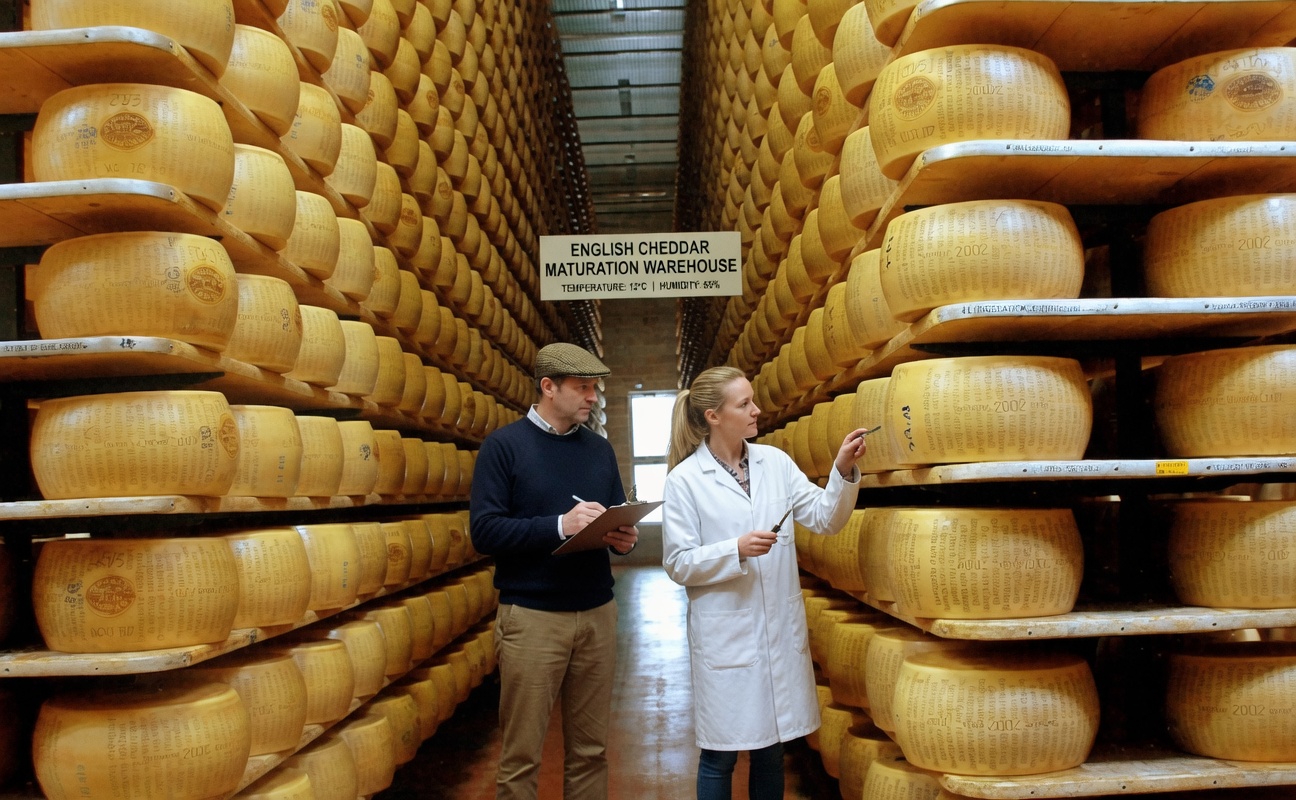
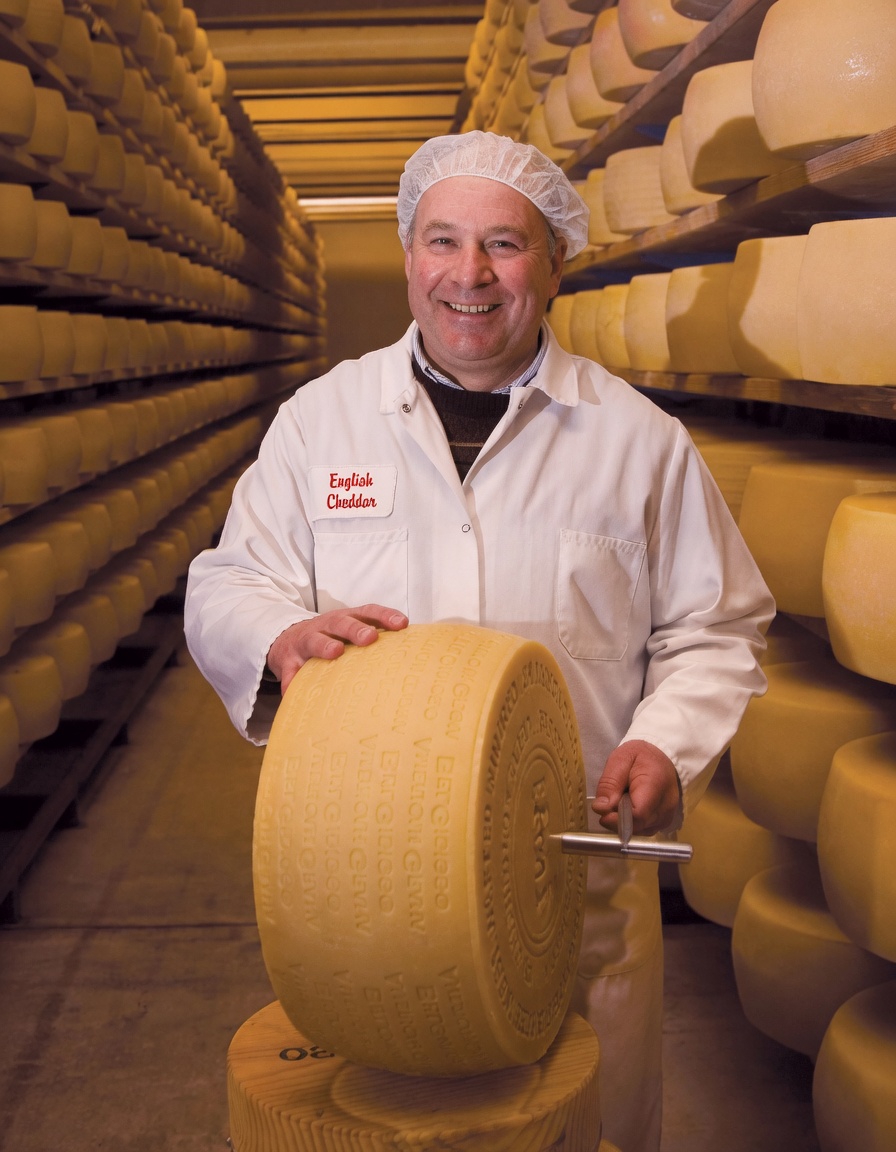
Parmesan, also known as Parmigiano-Reggiano, is a traditional aged Italian cheese with a strong flavor and impressive nutrient profile.
Along with protein, it provides:
- Calcium, which supports bone health
- Phosphorus, important for bones and energy metabolism
- Vitamin B12, which supports nerve function and red blood cells
USDA data also shows that aged parmesan is naturally low in lactose, making it easier for many people to tolerate compared with some other dairy products.
That said, moderation is still important because parmesan can be relatively high in sodium.
How Parmesan Can Help Meet Daily Protein Goals
The National Academy of Medicine recommends about 0.8 grams of protein per kilogram of body weight per day as a general guideline. For a person weighing 150 pounds, that works out to roughly 55 grams of protein daily.
Parmesan can help close that gap quickly. Even a small sprinkle over vegetables, soup, or pasta can add extra protein without much effort.
Because of its bold flavor, a little goes a long way. That makes it a convenient ingredient for older adults who prefer lighter meals but still want meaningful nutrition.
Easy Ways to Add Parmesan to Meals
Adding parmesan to your routine does not have to be complicated. Small amounts can fit naturally into foods you may already enjoy.
Try using it in these simple ways:
- Grate it over salads
- Stir it into soups or stews
- Sprinkle it on roasted vegetables
- Add it to scrambled eggs
- Mix it into whole-grain pasta dishes
- Blend it into savory yogurt-based dips
These easy additions can raise protein intake while also improving flavor.
Step-by-Step Parmesan Crisps
If you want a quick high-protein snack, parmesan crisps are a great option.
How to Make Them
- Preheat your oven to 400°F.
- Line a baking sheet with parchment paper.
- Place 1 tablespoon of grated parmesan on the sheet for each crisp.
- Bake for 5 to 7 minutes, or until golden.
- Let them cool before eating.
The result is a crunchy, savory snack that feels satisfying and requires very little preparation.
Other Protein Foods That Pair Well With Parmesan
Variety is important when building a nutritious eating pattern. Parmesan works well with both animal- and plant-based protein sources, helping create more balanced meals.
Consider pairing it with:
- Lentils for a hearty, fiber-rich dish
- Greek yogurt in dips or savory spreads
- Beans in soups and salads
- Chicken or fish for added flavor
- Nuts and seeds in grain bowls or roasted vegetable dishes
Research suggests that eating a variety of nutrient-dense foods can support better overall nutrition and may improve how the body uses key nutrients.
Can Parmesan Support Muscle Maintenance?
High-protein foods such as parmesan may help support muscle health, especially when included regularly in a balanced diet. Dairy proteins are particularly interesting because they contain leucine, an amino acid involved in muscle protein synthesis.
A study published in the American Journal of Clinical Nutrition linked dairy-based proteins with better muscle-related outcomes in older adults. While food alone is not a complete solution, protein-rich choices can be part of a broader strategy for staying strong and active.
For best results, nutrition should be paired with movement, such as:
- Walking
- Light resistance training
- Bodyweight exercises
- Stretching and balance work
If you have health concerns or dietary restrictions, it is always best to speak with a healthcare professional before making major changes.
Common Concerns About Cheese
Some people hesitate to eat cheese because of concerns about fat or cholesterol. Parmesan does contain fat, but it is generally lower in fat than many softer cheeses.
A 1-ounce serving contains about 8 grams of fat. It is also naturally low in carbohydrates, which may appeal to people following certain eating styles.
The key is portion control and choosing good-quality cheese as part of a well-rounded diet.
Protein Comparison Table
Here is a quick look at how parmesan compares with other common protein foods:
| Food Item | Serving Size | Protein (grams) |
|---|---|---|
| Parmesan Cheese | 1 ounce | 10 |
| Large Egg | 1 egg | 6 |
| Cottage Cheese | 1/2 cup | 14 |
| Greek Yogurt | 7 ounces | 20 |
| Almonds | 1 ounce | 6 |
This comparison shows that parmesan delivers a substantial amount of protein in a relatively small serving.
Practical Tips for Protein Intake After 60
Building better habits does not have to be difficult. These simple strategies can help older adults improve protein intake consistently:
- Include some protein at every meal
- Combine animal and plant proteins for variety
- Drink enough water to support digestion
- Watch portion sizes to avoid overeating
- Use herbs, spices, and cheese to keep meals enjoyable
- Spread protein across the day instead of eating most of it at one meal
Consistency matters more than perfection.
Parmesan as Part of a Balanced Lifestyle
Good nutrition works best when combined with regular movement. Even gentle activity can make a difference over time. Harvard Health has highlighted the value of combining protein intake with exercise to support strength, energy, and healthy aging.
If you are just beginning, start with manageable activities such as:
- Short daily walks
- Light hand weights
- Chair exercises
- Stretching at home
The goal is to build sustainable habits, not to push too hard too quickly.
Nutrition and Healthy Aging
Protein is only one part of the bigger picture. A healthy eating pattern for older adults should also include:
- Fruits
- Vegetables
- Whole grains
- Healthy fats
- Fiber-rich foods
Research has consistently linked Mediterranean-style eating with longevity and better overall health. Parmesan can fit naturally into this type of pattern when used in sensible portions alongside wholesome foods.
A Surprisingly Simple Pairing: Parmesan and Broccoli
Here is the promised idea for an easy everyday habit: grate parmesan over roasted broccoli.
This combination works well because:
- Parmesan adds protein and rich flavor
- Broccoli provides fiber, vitamins, and minerals
- Together, they create a satisfying and nutrient-dense side dish
It is simple, affordable, and easy to repeat each week. Sometimes the most effective habits are the least complicated.
Conclusion
Parmesan cheese can be a smart, flavorful way to increase protein intake after 60. Compared with eggs, it offers a more concentrated amount of protein per serving and also supplies calcium, phosphorus, and vitamin B12. When used in moderation and paired with a balanced diet and regular movement, it may help support muscle health and everyday function.
The most important takeaway is this: lasting results often begin with small, realistic changes. Adding more high-quality protein to your meals can be one of those changes.
FAQ
What are easy ways to eat more protein after 60?
Simple options include adding foods like parmesan cheese, yogurt, cottage cheese, nuts, eggs, or beans to meals and snacks. Many people benefit from aiming for 20 to 30 grams of protein per meal, depending on personal needs.
How does protein help maintain muscle in older adults?
Protein provides the amino acids the body uses to repair and maintain muscle tissue. Research suggests that adequate intake may help support strength and physical function, especially when combined with exercise.
Is parmesan cheese okay for people with lactose intolerance?
Because parmesan is an aged cheese, it contains very little lactose. Many people with lactose sensitivity tolerate it well, though it is still wise to start with a small amount.
Disclaimer
This article is for informational purposes only and should not be considered medical advice. Please consult your healthcare provider before making dietary changes.