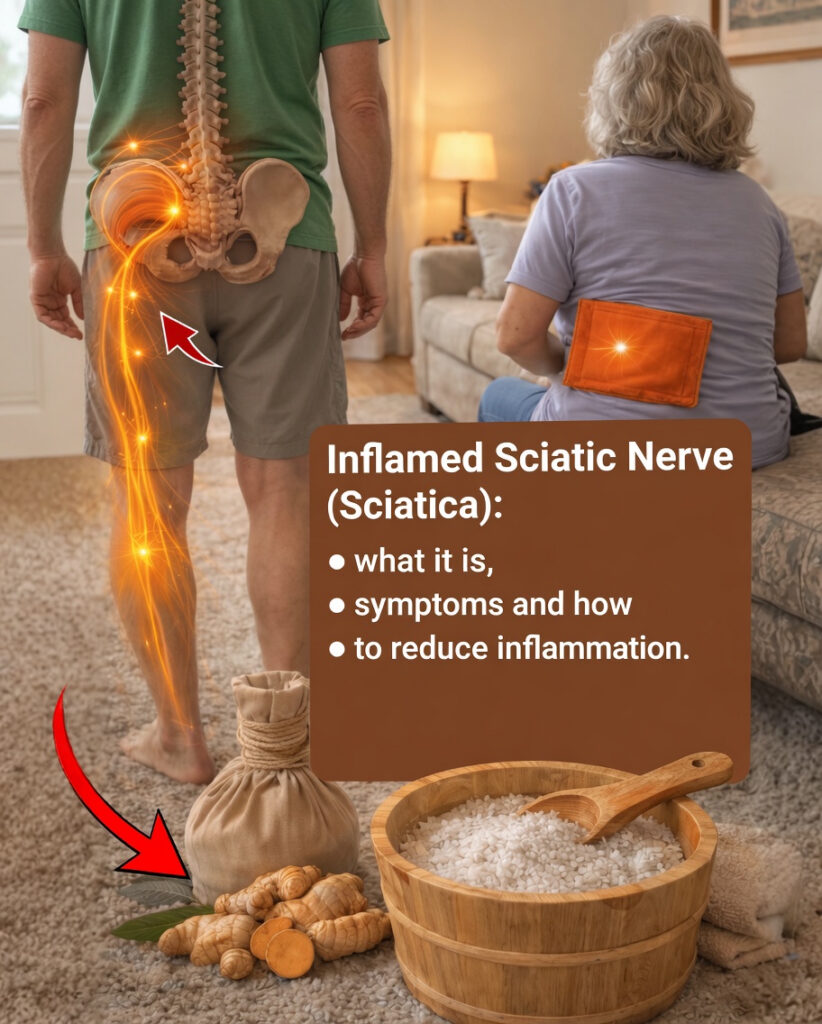
Sciatica: Causes, Symptoms, and Practical Ways to Ease Discomfort
Picture starting your day with a sudden, intense pain in your lower back that shoots down your leg. Even basic tasks like walking, sitting, or bending can become difficult. When that discomfort sticks around, it can interfere with work, exercise, rest, and time with family. The good news is that many people find relief through simple daily habits and supportive lifestyle changes. And later in this article, you’ll discover one surprising practice that may help you manage sciatica more effectively.
What Is Sciatica?
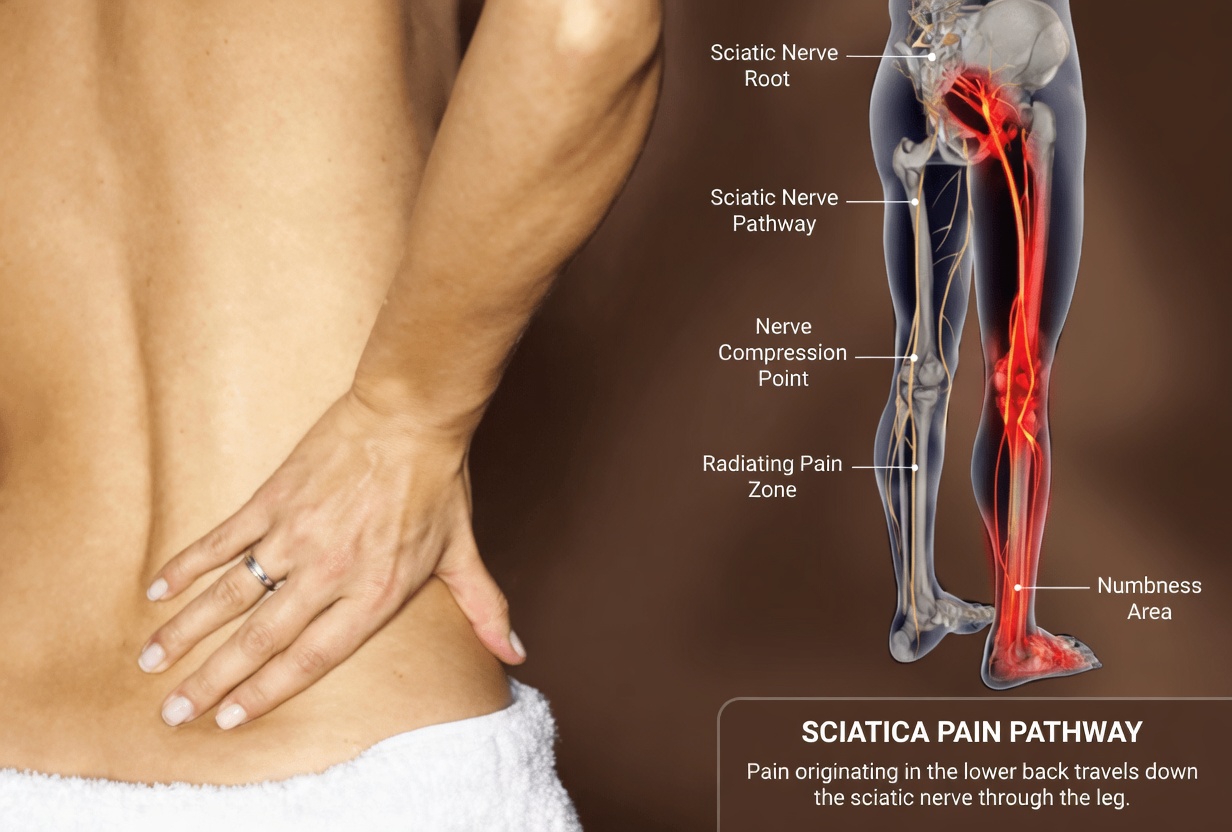
Sciatica is a term used to describe pain or irritation along the sciatic nerve. This nerve begins in the lower spine, passes through the hips and buttocks, and extends down each leg. Rather than being a standalone condition, sciatica is usually a sign that something is affecting or compressing the nerve.
The sciatic nerve is the longest nerve in the human body. It helps control muscles in the legs and also carries sensation from the skin back to the brain.
When this nerve becomes irritated, compressed, or inflamed, symptoms can appear anywhere along its pathway. That is why the pain often seems to travel from the lower back into the hip, buttock, and leg.
Understanding how the sciatic nerve works makes it easier to see why the discomfort can feel widespread instead of staying in one location.
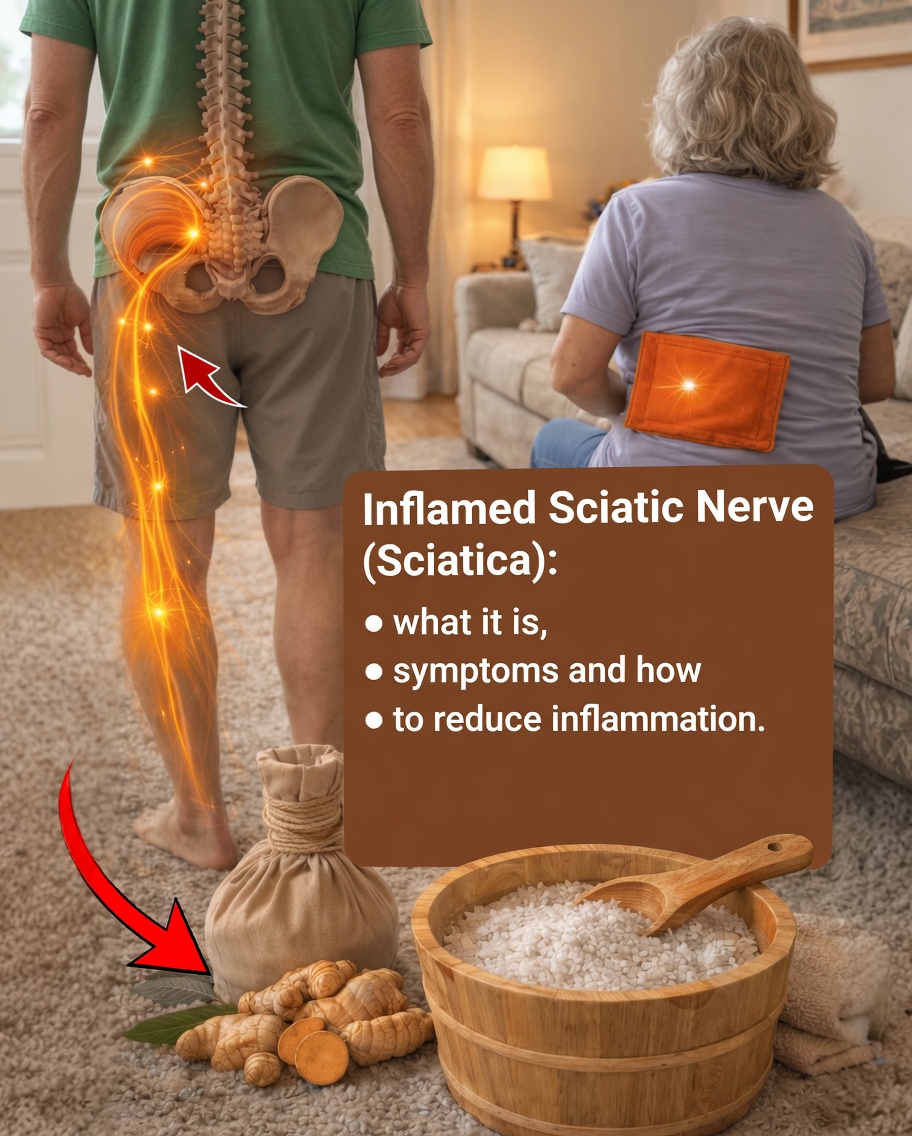
Common Causes of Sciatica
A number of issues can trigger sciatica. One of the most common causes is a herniated disc, which happens when the soft center of a spinal disc pushes outward and presses against nearby nerves.
Another possible cause is bone spurs, which are bony growths that may narrow the spaces in the spine and irritate nerve roots.
Spinal stenosis, or narrowing of the spinal canal, is also frequently linked to sciatica, especially in older adults.
A condition called spondylolisthesis can lead to similar symptoms. This occurs when one vertebra slips forward over another and puts pressure on surrounding nerves.
In some cases, injuries from accidents, falls, or sudden impacts can contribute to sciatic nerve irritation.
Pregnancy may also play a role because added body weight and posture changes can temporarily increase pressure on the lower back.
Excess weight and poor posture over time may place additional strain on the spine, increasing the risk of nerve compression.
In rare situations, infections or tumors may be involved, although these are far less common causes.
Many of these triggers are related to gradual wear and tear or everyday stress on the spine. Knowing what may be behind sciatica can help you make smarter choices to protect your back.
Symptoms of Sciatica to Watch For
Sciatica symptoms may begin mildly and become more noticeable over time.
The most common symptom is pain that radiates from the lower back into the buttock and down the leg. People often describe it as:
- Sharp
- Burning
- Shooting
- Electric-like
In most cases, symptoms affect only one side of the body.
Other signs can include:
- Numbness in the leg or foot
- Tingling, often described as pins and needles
- Weakness in the affected leg
- Aching in the calf or hamstring
- Increased pain when sitting for long periods
- Discomfort that worsens with coughing or sneezing
Severe symptoms may include changes in bowel or bladder control, which require immediate medical attention.
An important thing to remember is that sciatica does not look exactly the same for everyone. Paying attention to when symptoms start, what makes them worse, and what brings relief can offer helpful clues.
Ways to Reduce Inflammation Linked to Sciatica
Managing inflammation can play a major role in easing sciatic nerve discomfort. Research suggests that supportive daily habits may help reduce irritation and improve mobility.
Start with rest, but avoid staying inactive for too long. Gentle movement can support circulation and prevent stiffness.
Some people use over-the-counter anti-inflammatory medications such as ibuprofen, though it is best to speak with a healthcare professional before starting any medication.
Basic wellness habits also matter. Staying hydrated and eating a nutritious, balanced diet may support nerve and spinal health.
Heat and Cold Therapy
Using both cold and heat can be a practical way to manage sciatica symptoms.
For the first 48 to 72 hours, cold therapy is often recommended to help reduce swelling. Wrap an ice pack in a towel and place it on the painful area for 15 to 20 minutes at a time, several times a day.
After the initial phase, heat therapy may be more helpful. A heating pad on a low setting or a warm compress can relax tense muscles and improve blood flow.
This hot-and-cold approach can be repeated as needed, depending on how your body responds.
Gentle Stretching and Low-Impact Exercise
Careful stretching may reduce pressure on the sciatic nerve and improve flexibility.
One useful stretch is the figure-four stretch:
- Lie flat on your back.
- Cross one ankle over the opposite knee.
- Gently pull the uncrossed thigh toward your chest.
- Hold for about 30 seconds.
- Repeat on both sides.
Hamstring stretches can also be helpful, since tight muscles in the back of the leg may add stress to the lower back.
Slow, easy walking is another good option. Just 10 to 15 minutes a day can encourage movement without putting too much strain on the body.
Over time, these simple routines may support better mobility and less tension.
Natural Remedies and Anti-Inflammatory Foods
Some natural options may complement other sciatica management strategies.
Turmeric, which contains curcumin, has been studied for its anti-inflammatory properties. It can be added to meals or enjoyed as tea.
Epsom salt baths may help relax tight muscles because of their magnesium content. Adding two cups of Epsom salt to warm bathwater and soaking for about 20 minutes is a common approach.
Other foods and remedies worth considering include:
- Ginger, which may support inflammation control
- Omega-3-rich foods such as salmon, sardines, and other fatty fish
- Massage therapy, which may relieve muscle tightness around the affected area
These methods are not a cure, but they may work well alongside stretching, posture improvements, and other supportive habits.
Quick Comparison of Sciatica Relief Strategies
| Approach | How It Works | Suggested Frequency | Potential Benefits |
|---|---|---|---|
| Cold Therapy | Constricts blood vessels to reduce swelling | 15–20 minutes, 3–4 times daily at first | Fast relief during acute flare-ups |
| Heat Therapy | Boosts circulation and relaxes muscles | 15–20 minutes after the early phase | Helps ease ongoing tension |
| Stretching | Lengthens tight muscles and may reduce nerve pressure | Daily, 10–15 minutes | Supports flexibility and mobility |
| Turmeric | Provides compounds with anti-inflammatory effects | Daily in meals or tea | May assist with overall inflammation control |
| Epsom Salt Bath | Promotes muscle relaxation | 2–3 times weekly | Encourages recovery and relaxation |
The most effective approach is often consistency. Mixing and matching supportive strategies may help you find what works best for your body.
Posture and Ergonomic Changes
Better posture can reduce stress on the lower back and may lower the chance of flare-ups.
Helpful adjustments include:
- Sit with both feet flat on the floor
- Use lower-back or lumbar support when seated
- Avoid slouching when standing or sitting
- Bend your knees, not your back, when lifting objects
These may seem like small corrections, but they can make a meaningful difference over time. Research suggests that proper ergonomics can help reduce strain on the spine during daily activities.
Additional Tips for Everyday Sciatica Management
A few extra habits may also support long-term comfort:
- Maintain a healthy weight to reduce pressure on the spine
- Stop smoking, since smoking may affect circulation and tissue health
- Consider acupuncture, which some people report as helpful
- Keep track of triggers that seem to worsen symptoms
One often-overlooked strategy is mindfulness, especially meditation.
Taking a few minutes each day to focus on your breathing can change how you experience pain and discomfort. Studies have shown that mindfulness practices may be useful for people dealing with chronic pain conditions.
Even 5 minutes a day may be a simple but worthwhile addition to your routine.
Conclusion
Sciatica is usually a symptom of an underlying problem such as a herniated disc, spinal stenosis, or another source of nerve compression. Common signs include radiating pain, tingling, numbness, and weakness in one leg.
Supportive strategies such as heat and cold therapy, stretching, posture correction, anti-inflammatory foods, and mindful daily habits may help reduce inflammation and improve comfort.
The key is staying consistent and paying attention to how your body responds, since sciatica can vary from one person to another.
Frequently Asked Questions
What daily activities can make sciatica worse?
Long periods of sitting, lifting heavy items with poor form, and high-impact exercise may increase discomfort. Taking movement breaks and improving your workstation setup may help.
Can diet help with sciatica-related inflammation?
Yes. Anti-inflammatory foods such as berries, nuts, fatty fish, ginger, and turmeric may support overall health and help the body manage inflammation.
How long does sciatica usually last?
Many cases improve within a few weeks with self-care. If symptoms continue, worsen, or become severe, professional evaluation may be necessary.
This article is for informational purposes only and does not replace professional medical advice. Always consult a qualified healthcare provider for personal guidance.