
Ginger and Your Health: 5 Situations Where Extra Caution Makes Sense
Ginger brings a fresh, zesty heat to tea, smoothies, soups, and stir-fries. Many people also use it to support daily comfort and overall well-being. But while ginger is a popular natural ingredient, it is not automatically the right fit for everyone in every amount.
For some people, even moderate use may affect the body in ways that are worth reviewing with a healthcare professional before making ginger a daily routine. If you are managing certain medical conditions, it is smarter to discuss ginger early rather than deal with unexpected side effects later.
Below are five common health situations where a little extra awareness can help you stay informed, safe, and still enjoy the foods you love. At the end, you will also find a simple at-home test that can help almost anyone judge whether ginger works well in their routine.
Why Ginger May Need a Closer Look
Ginger contains active natural compounds, especially gingerols and shogaols, that create its familiar warming flavor and have been studied for a long time. In normal food amounts, most healthy adults tolerate ginger well. Safety reviews generally suggest that culinary intake of up to about 4 grams of fresh ginger per day is acceptable for most people.
The concern usually appears when ginger is added on top of medications, existing organ issues, or body sensitivities. In those cases, ginger may subtly influence circulation, digestion, or blood sugar in ways that need monitoring. Trusted resources such as WebMD and the National Center for Complementary and Integrative Health (NCCIH) regularly emphasize one key point: if you have an ongoing medical condition, talk to your healthcare provider before using ginger regularly.
Understanding the five situations below can help you have that conversation with more confidence.

1. Bleeding Disorders or Use of Blood Thinners
If you have a clotting disorder such as hemophilia or von Willebrand disease, or if you take medication that slows blood clotting, ginger deserves extra attention. It has mild natural anti-platelet effects, which means it may slightly influence bleeding time in some people, especially in larger amounts.
This does not mean a little ginger in a meal is dangerous for everyone. However, frequent use of concentrated forms, such as daily ginger shots, strong extracts, or high-dose supplements, is the point where a doctor may want to review your situation carefully.
What to do if this applies to you
- Bring a current list of all medications and supplements to your next appointment.
- Ask specifically about fresh ginger, ginger tea, powdered ginger, and supplements.
- Until you get medical guidance, keep intake modest, ideally under 1 gram of dry ginger per day.
Many people in this group can still use ginger in cooking once their care team confirms it fits safely with their treatment plan. The main goal is to avoid surprises.
2. Gallbladder Problems or a History of Gallstones
The gallbladder stores bile, which helps digest fat. Ginger may stimulate bile release, which can support digestion for many healthy people. But if you have gallstones, gallbladder inflammation, or a history of gallbladder pain, that same effect may trigger discomfort or increase pressure in the area.
Sources like Verywell Health and Healthline commonly note that people with known gallbladder conditions should be cautious and seek medical clearance before increasing ginger intake.
Ask yourself these questions first
- Have you ever had pain in the upper right side of your abdomen?
- Do fatty meals leave you bloated or uncomfortable?
- Has an ultrasound ever shown gallstones?
- Do ginger-heavy or spicy meals seem to worsen symptoms?
- Has your doctor ever mentioned concerns about bile flow?
If any of these sound familiar, it is best to check with your healthcare provider before adding more ginger to your diet. In many cases, people with stable gallbladder conditions can still enjoy small amounts in meals once their specialist approves it.
3. Heart Conditions or Blood Pressure Treatment
Some studies suggest that high amounts of ginger may slightly lower blood pressure and heart rate. For a healthy person, this may not be a major issue. But if you already take blood pressure medication or live with certain heart rhythm conditions, ginger could potentially add to those effects more than intended.
WebMD includes heart-related concerns among the situations where high-dose ginger should be used carefully.
Smart ways to stay safe
- Monitor your blood pressure at home for several days while keeping your ginger intake consistent.
- Record your readings and share them with your doctor.
- If you want to add more ginger, begin with a small amount rather than jumping straight to a daily habit.
Most heart specialists are comfortable with normal culinary use when blood pressure and heart rhythm are stable. The key is making sure your healthcare team knows what you are using.
4. Diabetes or Blood Sugar Medication
Research has suggested that ginger may help support healthy blood sugar regulation in some people. While that sounds positive, it can create a problem if you are already taking insulin or oral diabetes medication. In that case, ginger may contribute to blood sugar dropping faster or lower than expected.
For this reason, diabetes educators and endocrine specialists often recommend checking before using ginger on a regular basis.
Useful steps you can take now
- Check your blood sugar before eating a ginger-containing meal.
- Test again about two hours afterward.
- Repeat this for three days and look for patterns.
- Write down any symptoms such as shakiness, sweating, dizziness, or confusion.
Bring this information to your next diabetes appointment. A simple log can help your care team quickly decide whether your ginger intake is fine as is or whether medication timing and dose need adjustment.
Many people with well-managed diabetes continue using ginger safely once they understand how their body responds.
5. Acid Reflux, GERD, or a Sensitive Stomach
Ginger is often seen as soothing for digestion, but that is not true for everyone. In some people, especially those with reflux, GERD, or an already irritated stomach lining, ginger may trigger more burning rather than less. NCCIH lists heartburn as one of the more common side effects when ginger is used in larger amounts.
Some people may notice that ginger’s warming effect worsens symptoms soon after eating or drinking it.
Signs ginger may not be helping
- A burning feeling in the chest within an hour of ginger tea or a meal
- More burping or reflux after adding powdered ginger to smoothies
- A known diagnosis of GERD, reflux, gastritis, or hiatal hernia
- Stomach irritation after using ginger on an empty stomach
If this sounds familiar, reduce your intake to a very small culinary amount, such as a few thin slices cooked into soup, and observe how you feel. Then discuss what you noticed with your gastroenterologist or primary care provider. Many people tolerate small food amounts well, even if larger therapeutic doses do not suit them.
Medications That Often Warrant a Ginger Discussion
If you use any of the following, it is wise to ask your doctor or pharmacist about ginger:
- Warfarin or other anticoagulants
- Aspirin or other anti-platelet medicines
- Insulin
- Sulfonylureas or other diabetes drugs
- Blood pressure medications such as beta-blockers or calcium channel blockers
- Proton pump inhibitors or H2 blockers used for reflux
Simple Habits That Help Most People Use Ginger More Safely
- Choose fresh ginger root before trying concentrated supplements
- Start with a small amount, such as a 1-inch piece per day or less
- Take ginger with meals instead of on an empty stomach
- Keep a short food and symptom journal for one week
- Reassess your ginger intake after any medication change

Practical Tips to Try This Week
If you are unsure whether ginger fits your routine, these small actions can make the answer clearer:
- Take a picture of the ginger product you use and show it to your doctor or pharmacist.
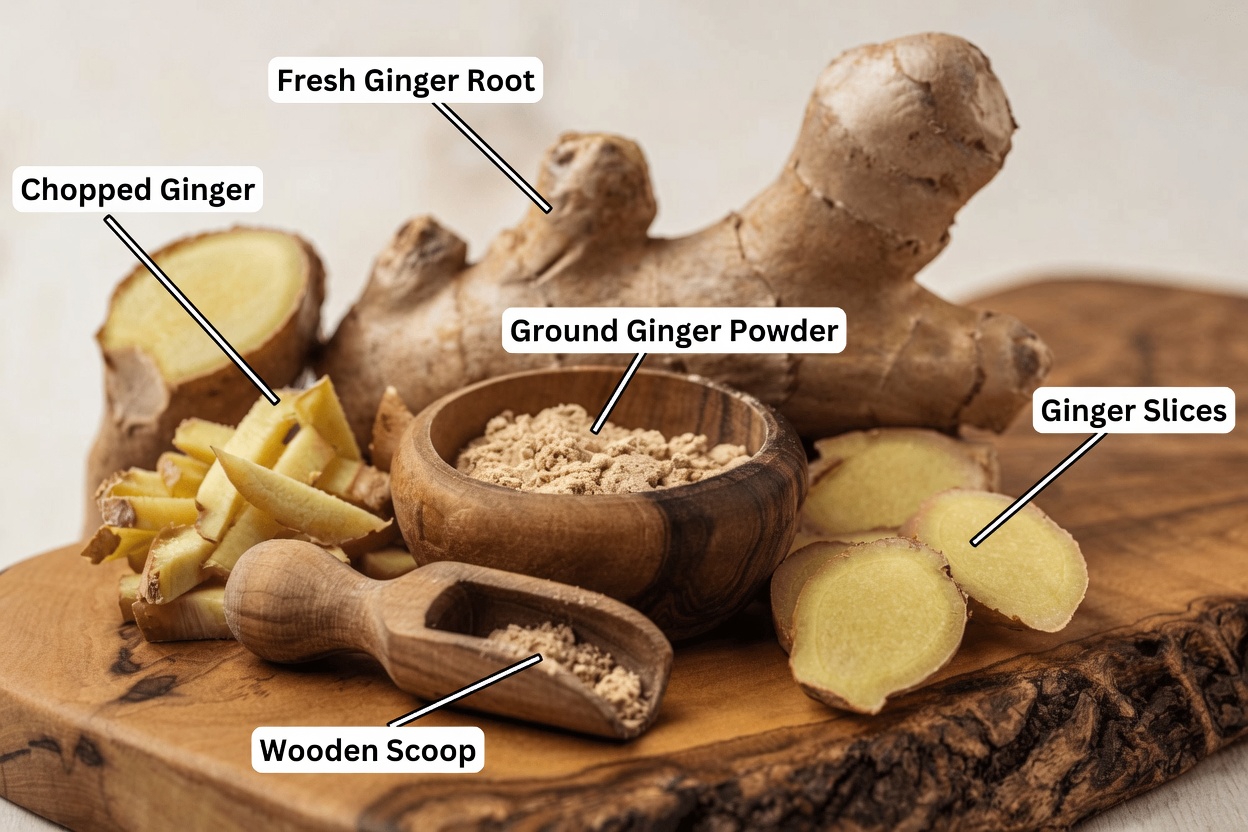
- Try a very small amount first, such as three thin slices of fresh ginger added to a meal you already tolerate well.
- Pay attention to how you feel over the next four hours.
- Set a reminder every six months to review herbs and supplements with your primary care provider.
These steps can turn uncertainty into useful information quickly.
The Biggest Mistake People Make About Ginger
One of the most common assumptions is that natural always means harmless. That is simply not true. Even healthy ingredients can cause problems when taken in the wrong amount or alongside certain conditions and medications.
Ginger is a powerful plant with real biological effects. That is exactly why it can be helpful, but also why it should be used thoughtfully when health issues are already part of the picture.
The good news is that many people do not need to avoid ginger completely. In most cases, they simply need the right amount, the right form, and a quick conversation with the right healthcare professional.
The Easy At-Home Check: The Tiny Test
If you want a simple way to see whether ginger fits your routine, try this basic at-home method:
- Add only three thin slices of fresh ginger to one familiar meal.
- Eat nothing else unusual with that meal.
- Track how you feel for the next four hours.
- Note any symptoms such as reflux, stomach discomfort, dizziness, low blood sugar symptoms, unusual bruising, or changes in blood pressure if you monitor it.
- Repeat once or twice on different days before increasing the amount.
If you feel well and your numbers remain stable, ginger in small food amounts may be a good match for you. If symptoms appear, that is a useful signal to pause and speak with your doctor before making ginger a regular habit.
Final Thoughts
Ginger can be a flavorful and enjoyable part of a healthy diet, but some people should be more careful than others. If you have a bleeding disorder, gallbladder disease, heart concerns, diabetes, or reflux, it is worth checking in with your healthcare provider before using ginger regularly or in concentrated forms.
A little awareness goes a long way. With the right information and a cautious start, you can make a confident decision about whether ginger belongs in your daily routine.