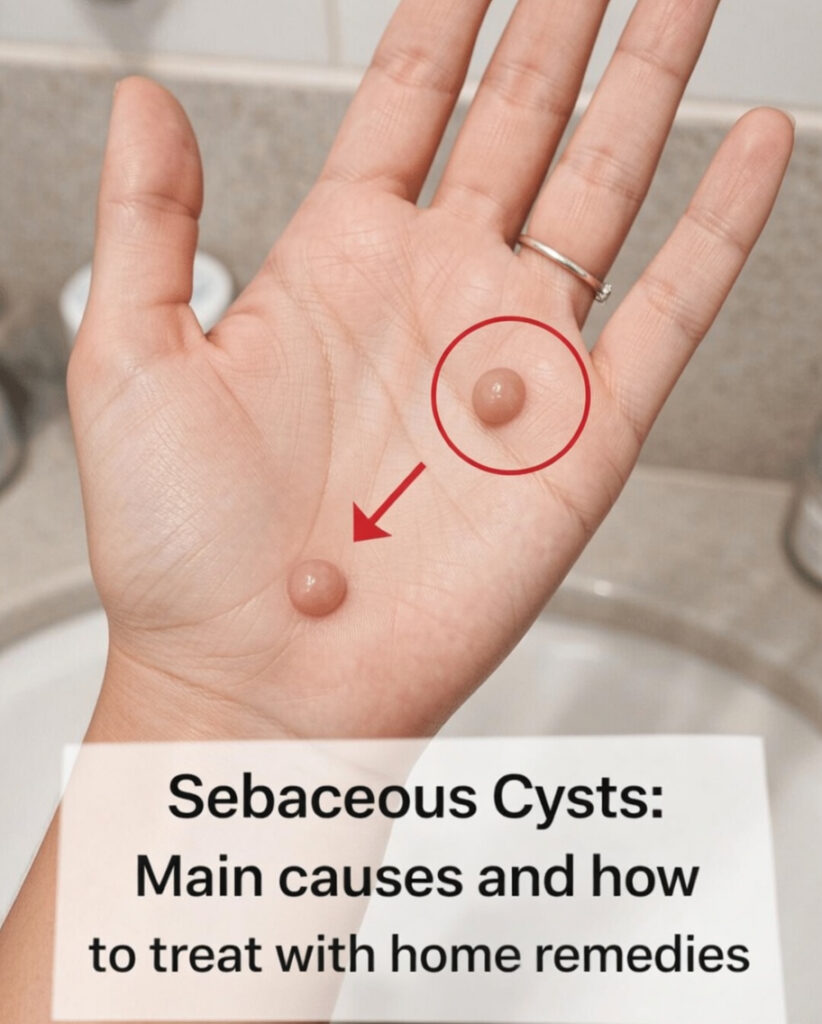
Sebaceous Cysts: Causes, Home Care Ideas, and the Overlooked Hormonal Link
Have you ever found a small, painless bump under the skin that seemed to appear without warning—perhaps on your face, neck, or back? Even when it does not hurt, it can still feel uncomfortable emotionally, especially if it is visible during everyday activities or social situations. This common skin concern, often called a sebaceous cyst, may remain for weeks or months and sometimes grows enough to rub against clothing or feel irritating with movement.
In many cases, these cysts are not dangerous. Still, learning why they form and what simple at-home measures may support comfort can help you feel more informed and less anxious. And there is one often-missed contributor that many people do not consider. We will get to that near the end.
What Is a Sebaceous Cyst?
A sebaceous cyst, often grouped with epidermoid cysts, is a noncancerous lump beneath the skin. These growths are usually smooth, round, and slow to develop. Their size can range from very small, like a pea, to much larger, sometimes approaching the size of a golf ball.
Inside the cyst is usually a soft, thick material made largely of keratin, a protein produced by skin cells. That is one reason these lumps feel different from acne lesions.
Unlike pimples or boils, sebaceous cysts form deeper below the surface. They are often not painful unless they become irritated or inflamed. Medical sources such as the Cleveland Clinic note that these cysts can affect people of many age groups, although they are seen more often in adults.
Recognizing a sebaceous cyst early can reduce unnecessary worry. Many people assume any lump under the skin must be something serious, which can create stress before they understand what it actually is.
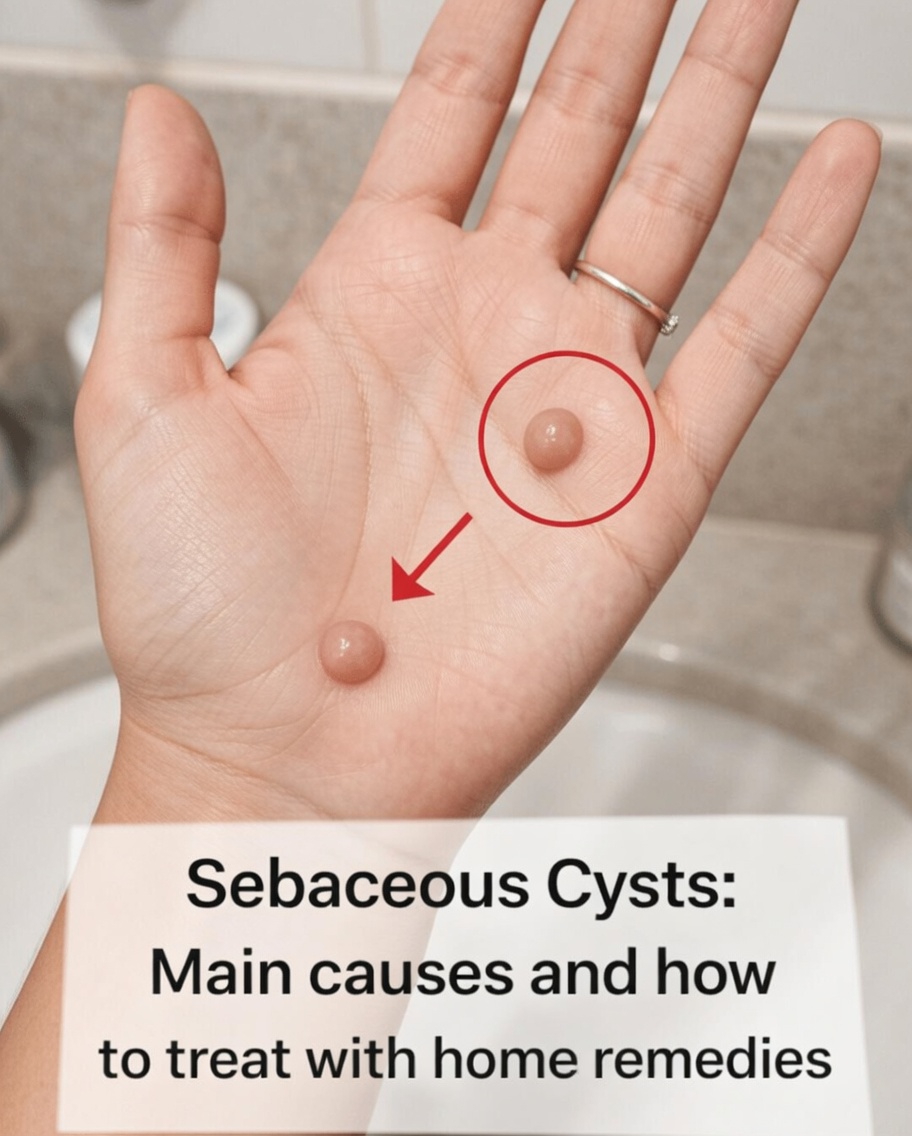
Why Sebaceous Cysts Form
Sebaceous cysts usually begin when a hair follicle or oil-producing gland becomes blocked. These glands normally help keep the skin and hair lubricated. When the opening is obstructed, material can become trapped and slowly collect into a cyst.
Several common factors may contribute:
- Blocked follicles or glands that prevent normal drainage
- Skin injury, even minor trauma such as scratches, cuts, or previous procedures
- Acne scarring, which can trap skin cells beneath the surface
- Ingrown hairs, especially in areas where shaving or waxing is common
- Inherited skin tendencies, which may make some people more likely to develop cysts
Skin trauma plays an important role in many cases. Something as simple as a small injury or irritation may disrupt the normal process of skin cell shedding. When cells become trapped instead of being released, a cyst may begin to form.
Ingrown hairs can also be involved, particularly on areas such as the legs, underarms, or bikini line. In these cases, the follicle becomes irritated, and the body responds in a way that may lead to a cyst-like lump.
There may also be a genetic component. If similar bumps are common in your family, your skin type or structure may make you more prone to them.
Some people also wonder whether hygiene or harsh skincare products play a role. While the evidence is not definitive, anything that increases irritation or contributes to clogged pores may make the issue worse in some individuals.
How These Cysts Change Over Time
Sebaceous cysts do not usually appear suddenly. They tend to develop gradually.
The process often starts with a tiny blockage under the skin. Over time, trapped cells and keratin collect within the pocket. Some cysts stay small for long periods, while others enlarge slowly over weeks or months.
Warm weather, sweat, and accumulated dirt may aggravate the surrounding skin, especially if you exercise often or live in a hot climate. That may help explain why these cysts commonly appear on the back, chest, shoulders, and neck.
Hormonal shifts may also have an indirect effect by increasing oil production. This does not happen in every case, but it can make certain people more vulnerable to gland blockage.
When a Sebaceous Cyst Deserves Closer Attention
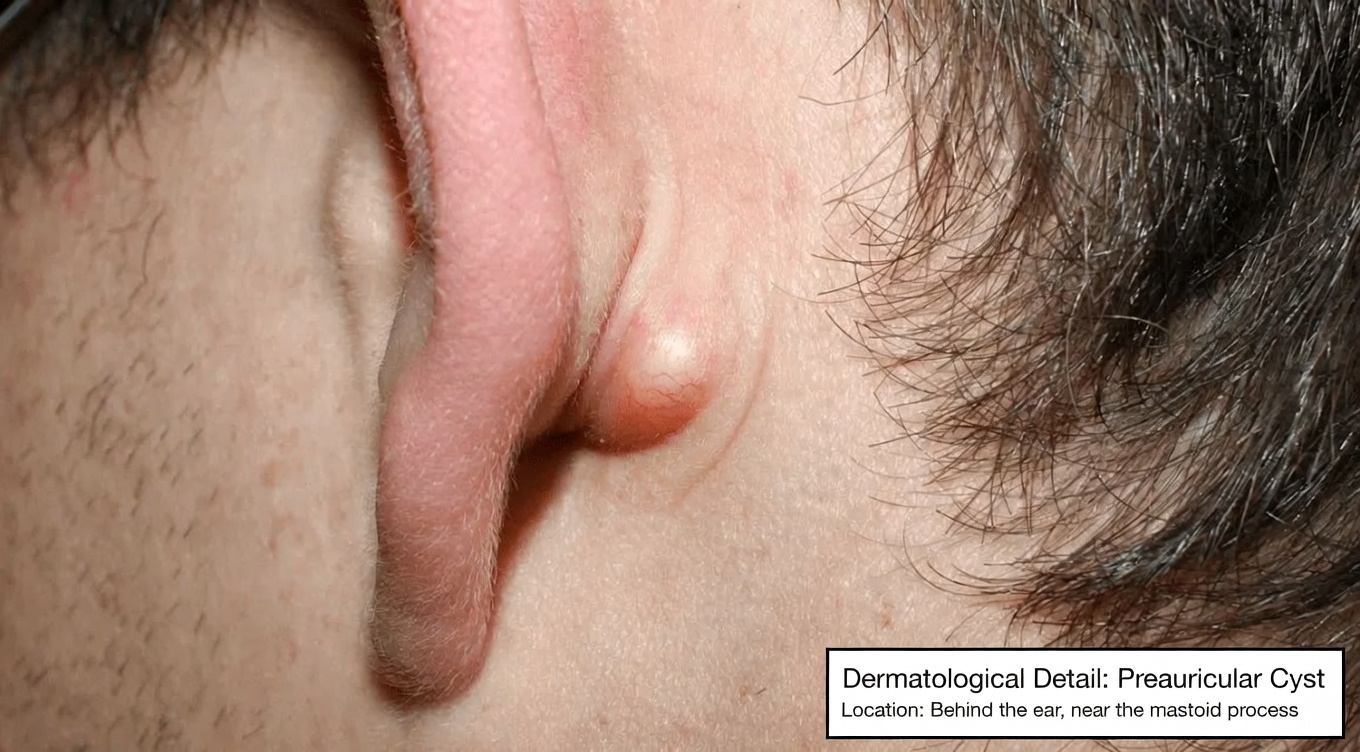
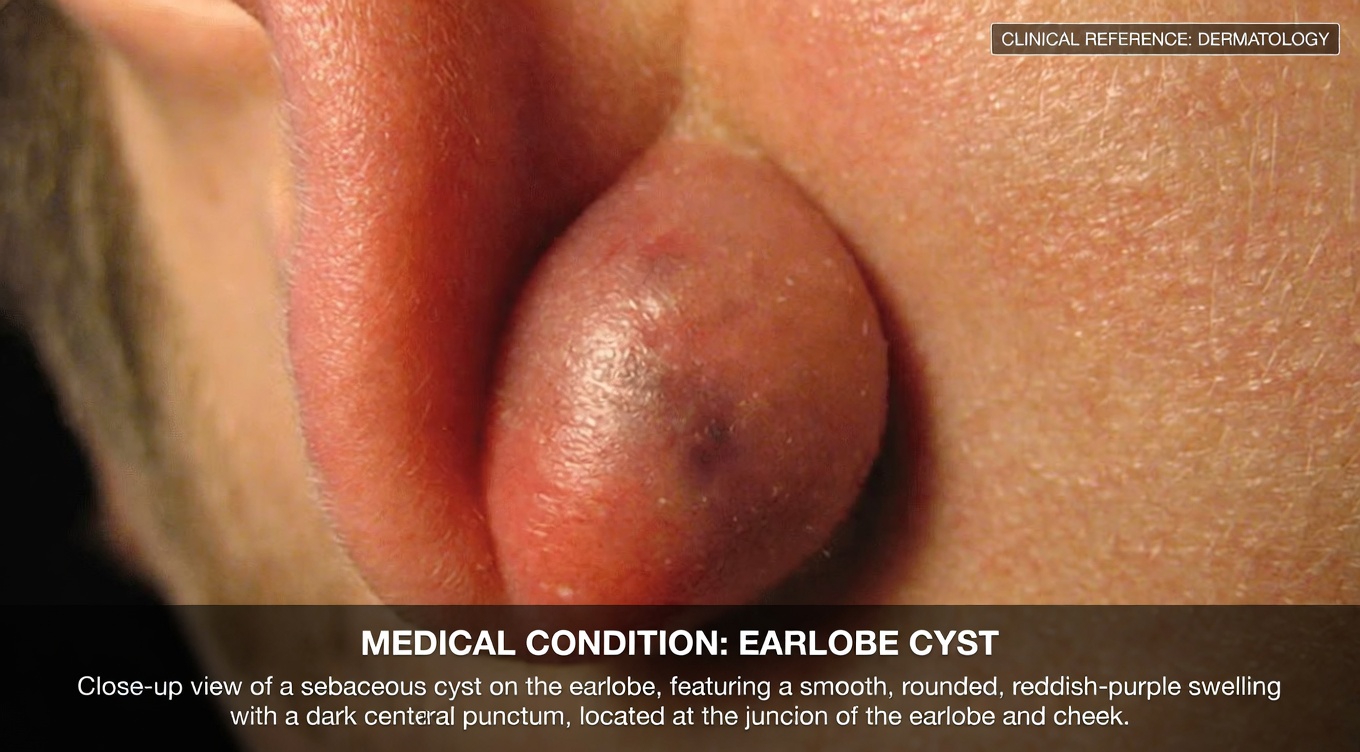
Not every cyst requires urgent action, but some changes are worth monitoring carefully. A lump that suddenly becomes more tender, red, or warm may be inflamed.
Pay attention if you notice:
- Increasing pain or sensitivity
- Rapid growth
- Redness or warmth
- Drainage or discharge
- An unpleasant odor
- Changes in color or texture
A cyst does not have to be large to be bothersome. Even a small one can affect confidence if it appears in a visible area such as the face or neck.
Checking it regularly can help you notice changes early and decide whether it may need medical attention.
Home Care Approaches That May Support Comfort
Professional evaluation is always the best choice if you are unsure what a lump is. That said, some people try gentle home care measures to improve comfort and support overall skin care. These options are not a substitute for medical treatment, but they may be used cautiously as part of a routine.
Warm Compress
A warm compress is one of the simplest options. Holding a clean, warm cloth on the area for 10 to 15 minutes a few times each day may help soothe the skin and encourage drainage if the cyst is irritated.
Tea Tree Oil
Tea tree oil is sometimes used because of its natural antimicrobial properties. If you choose to try it, dilute one drop in a carrier oil such as coconut oil before applying a small amount. Always patch test first to reduce the risk of irritation.
Apple Cider Vinegar
Some people use apple cider vinegar as a cleansing option. It should always be diluted, usually in a 1:1 ratio with water. Apply it briefly with a cotton ball and rinse after about 10 minutes. It may sting on sensitive skin.
Aloe Vera
Pure aloe vera gel can provide a cooling, soothing effect. Apply a thin layer and allow it to absorb naturally.
Castor Oil
A castor oil pack is another traditional approach. This involves soaking a cloth in castor oil and placing it over the area for about 30 minutes, often with a covering layer to keep it in place.
Witch Hazel
Witch hazel may be used as a gentle astringent. Apply it with a cotton pad to help cleanse the skin surface.
If you decide to test any of these methods, use them consistently for several days while watching for irritation or worsening symptoms.
How to Use a Warm Compress Step by Step
If you want a simple starting point, follow this routine:
- Heat water until warm, but not hot enough to burn the skin.
- Soak a clean cloth in the water.
- Wring out the extra moisture.
- Place the cloth over the cyst for 10 to 15 minutes.
- Repeat this 3 to 4 times per day.
This is an easy option to include in a morning or evening self-care routine.
Quick Comparison of Natural Care Options
| Option | Possible Benefit | How to Use | Precautions |
|---|---|---|---|
| Warm compress | May ease discomfort | Apply for 10-15 minutes, 3-4 times daily | Use a clean cloth; avoid excess heat |
| Tea tree oil | May offer antimicrobial support | Dilute before dabbing on skin | Patch test first; keep away from eyes |
| Apple cider vinegar | May help cleanse the area | Dilute 1:1 with water, apply briefly | Rinse well; may irritate sensitive skin |
| Aloe vera | Cooling and soothing | Apply pure gel directly | Use a clean, pure product |
| Castor oil | Moisturizing support | Soak cloth and place on area for 30 minutes | Can be messy; protect clothing |
| Witch hazel | Astringent effect | Apply with cotton pad | Stop if dryness or irritation occurs |
Daily Habits That Support Healthier Skin
Beyond spot treatments, regular habits can make a difference in overall skin health.
Consider these supportive practices:
- Cleanse gently with a mild soap to avoid clogging pores without over-drying the skin
- Drink enough water to support normal skin function
- Eat a balanced diet rich in fruits and vegetables for skin-repair nutrients
- Exercise regularly, but shower afterward to remove sweat and oil
- Protect your skin from the sun by using SPF 30 or higher
- Avoid tight clothing in areas where friction may irritate the skin
These simple habits may not prevent every cyst, but they can help reduce unnecessary irritation.
What Not to Do
One of the most important things to avoid is squeezing, popping, or picking at a cyst. Even if it seems tempting, doing this can increase the risk of:
- Infection
- Inflammation
- Scarring
- Recurrence
Home care does not work the same way for everyone. Some cysts remain unchanged no matter what you try, so patience is important. If a lump becomes worse or does not improve, medical guidance is the safest next step.
The Often-Overlooked Factor: Hormonal Changes
Now to the detail many people miss: hormonal fluctuations.
Changes in hormone levels can increase oil production in the skin. When more oil is produced, the chance of clogged glands and blocked follicles may rise. This can make cyst formation more likely in some people.
Hormonal shifts may be especially relevant during:
- Puberty
- Menstrual cycle changes
- Pregnancy
- Perimenopause or menopause
If you notice cysts appearing around certain hormonal phases, tracking patterns may be useful. In some cases, discussing hormonal health with a qualified healthcare professional may provide added insight.
Final Thoughts
Sebaceous cysts are a common skin issue and are usually linked to blocked glands, trapped skin cells, ingrown hairs, or previous skin injury. They are often harmless, but they can be frustrating, especially when they linger or appear in noticeable areas.
Simple home care steps such as warm compresses, cautious use of certain natural products, and supportive daily skin habits may help improve comfort. Just as important, monitoring for changes can help you recognize when a cyst needs professional evaluation.
And if you have been wondering why these bumps keep appearing, do not overlook the role of hormones. That hidden factor may explain more than many people realize.
FAQ
What causes sebaceous cysts?
They commonly develop when a hair follicle or oil gland becomes blocked, causing skin cells and keratin to collect under the skin. Injury to the skin, acne scarring, and ingrown hairs may also contribute.
Can home remedies remove a sebaceous cyst?
Home care methods may help with comfort and skin support, but they do not always make a cyst disappear. Some cysts persist and may need professional assessment.
When should I see a doctor?
Seek medical advice if the cyst becomes painful, red, warm, infected, starts draining, develops a bad smell, or grows quickly.
Are sebaceous cysts dangerous?
They are usually benign and not serious. However, any new or changing lump should be properly evaluated if you are uncertain about what it is.
Can hormones really affect cyst formation?
Yes, hormonal changes can increase oil production, which may raise the risk of blocked glands and cyst development in some people.
Important Notice
This article is for informational purposes only and is not medical advice. Always consult a qualified healthcare professional for diagnosis, treatment, or concerns about any skin condition.