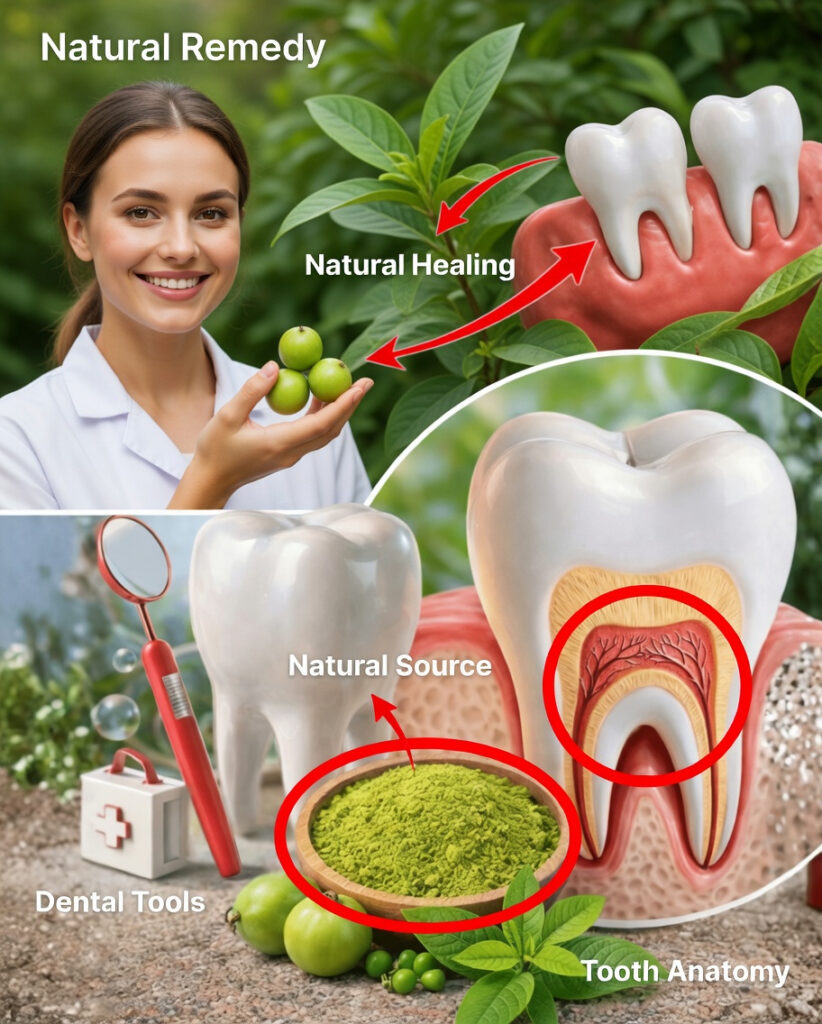
Natural Ways to Use Guava Leaves for Everyday Oral Care
Many people deal with everyday mouth concerns like plaque accumulation, tender gums, or persistent bad breath. These issues can interfere with comfort, make eating less pleasant, and sometimes lead to more trips to the dentist. In many cases, oral bacteria play a major role, which is why maintaining a good hygiene routine can feel both tiring and costly over time. The good news is that natural remedies, including guava leaves, may offer a simple and affordable way to support daily oral care. Below, you’ll discover practical ways to use guava leaves at home, plus one surprising idea that can make the habit easier to maintain.
Why Guava Leaves Are Widely Used for Oral Hygiene
Guava leaves have long been used in traditional wellness practices across many cultures. They are valued for naturally occurring plant compounds such as flavonoids and tannins, which research suggests may help support a cleaner oral environment. Another reason for their popularity is convenience: in many places, guava leaves are easy to find and inexpensive to use regularly.
These leaves come from the guava tree, or Psidium guajava. They can be used fresh or dried, making them a flexible option for home care. Some studies suggest that guava leaves may help manage oral bacteria and promote gum comfort, which is why they continue to attract attention in both traditional and modern discussions about oral wellness.
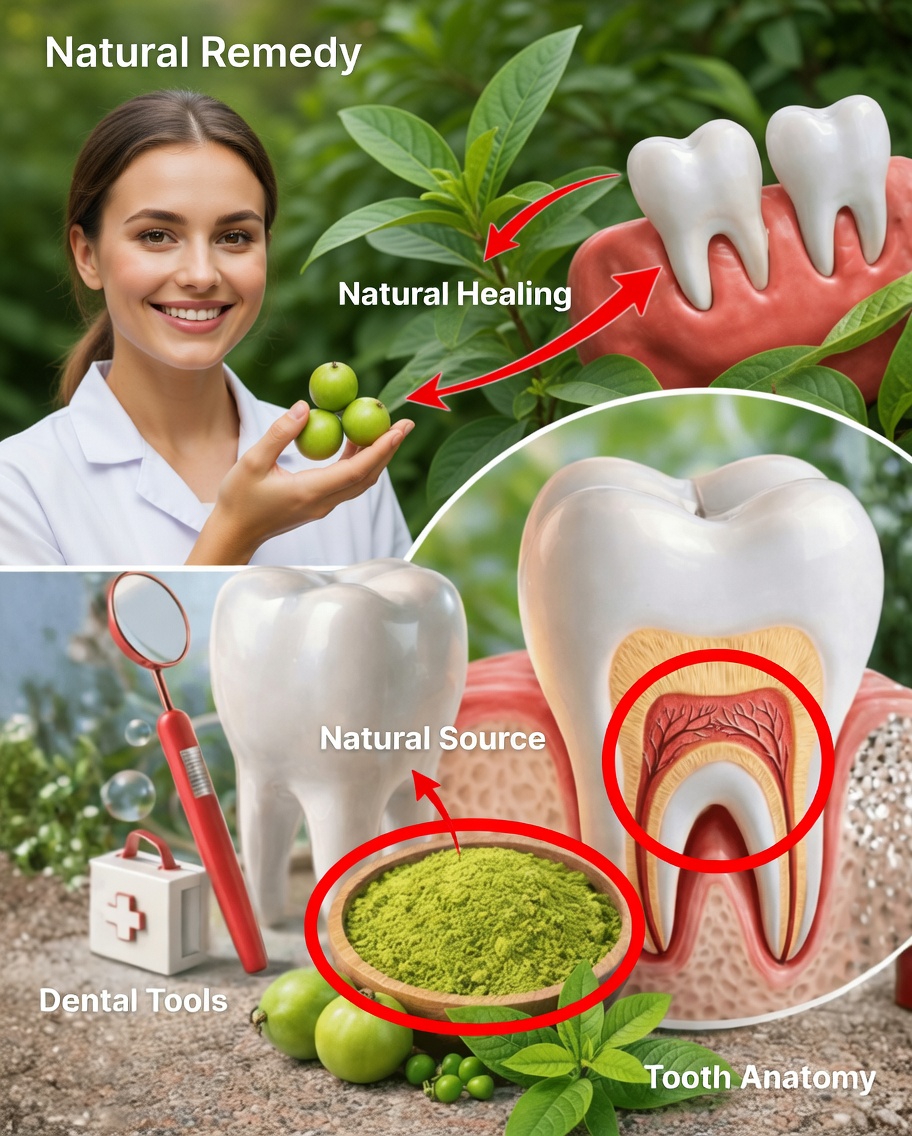
A major advantage is that you do not need special tools or expensive products to get started. In many cases, everything you need is already in your kitchen or garden.
Method 1: Chew Fresh Guava Leaves for a Quick Refresh
One of the easiest ways to use guava leaves is to chew them directly. This method is simple, fast, and easy to add to a morning or evening routine.
How to Chew Guava Leaves
- Pick 2 to 3 young guava leaves from a healthy tree.
- Make sure the leaves are clean and free from pesticides.
- Rinse them thoroughly under running water.
- Chew the leaves slowly for 2 to 3 minutes so the juices spread around your mouth.
- Spit out the leftover plant material and rinse with plain water if you wish.
Traditional practices often recommend this method because it is convenient and requires no preparation. Some people find that it helps leave the mouth feeling fresher and more comfortable.
Possible Benefits
Research on guava leaves points to natural compounds that may interact with oral bacteria. Many users say their mouth feels cleaner and their breath seems fresher after use.
This method is also highly practical. You can carry a few leaves with you and use them after meals when you want a natural freshness boost without extra effort.
A Simple Way to Try It
- Use this method once per day, especially after eating.
- Pay attention to how your mouth feels over the course of a week.
- Notice any changes in freshness or overall oral comfort.
Method 2: Make a Homemade Guava Leaf Mouthwash
If chewing leaves does not appeal to you, a guava leaf rinse may be a better fit. As a liquid, it can spread more evenly throughout the mouth and reach more areas during use.
How to Prepare Guava Leaf Mouthwash
- Gather 5 to 10 guava leaves, either fresh or dried.
- Add them to 1 to 2 cups of water.
- Boil for 5 to 10 minutes.
- Let the liquid cool.
- Strain out the leaves.
- Swish the rinse in your mouth for about 30 seconds.
- Use it 1 to 2 times a day.
You can keep the prepared rinse in the refrigerator for a few days if stored properly. Research on guava extracts suggests they may support oral hygiene in a gentler way than some harsher commercial formulas.
What Makes This Method Effective
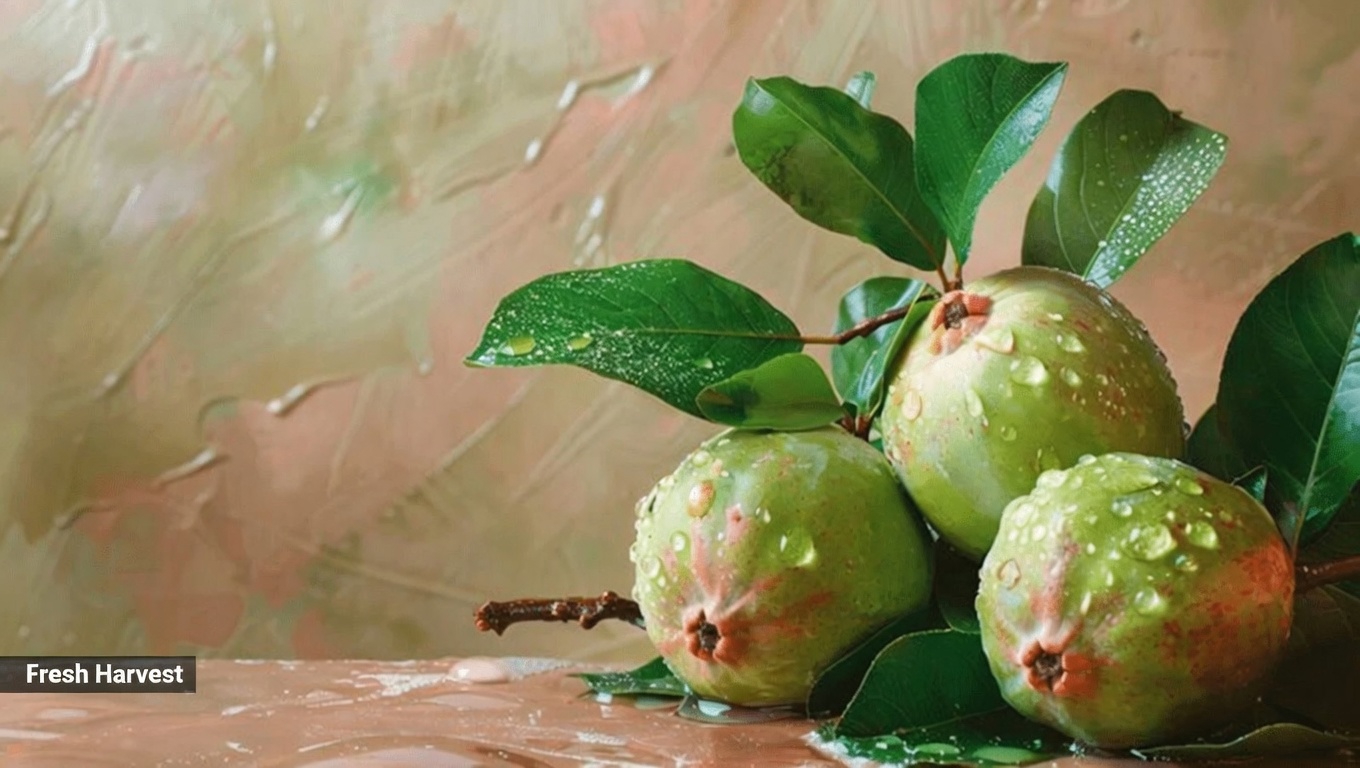
Boiling the leaves helps release their useful compounds into the water. According to dental-related research, these plant elements may assist with plaque management and gum support. For people who prefer a natural rinse, this can be an appealing option.
Helpful Tip
- Add a small pinch of salt if you want a stronger cleansing sensation.
- Keep the amount light to avoid irritating sensitive gums or tissues.
This rinse works especially well after brushing, and many people enjoy its fresh, herbal scent.
Method 3: Drink a Guava Leaf Infusion
For a gentler and more relaxing option, guava leaves can also be made into an herbal infusion or tea. This approach combines oral support with a soothing daily drink.
How to Prepare a Guava Leaf Tea
- Take 4 to 6 guava leaves and wash them well.
- Place them in hot water.
- Let them steep for about 10 minutes.
- Strain the liquid.
- Sip slowly so the infusion has contact with the teeth and gums.
- Drink 1 cup daily, either warm or cooled.
This method is ideal for anyone who prefers sipping to rinsing. In traditional wellness systems, guava leaf tea has often been used for general support, including oral comfort.
Potential Advantages
Some research on plant-based compounds suggests guava leaf infusions may help with discomfort related to inflammation. It is a practical option because it supports hydration while potentially benefiting the mouth at the same time.
For many people, this can also become a calming ritual. Drinking it while reading, resting, or taking a quiet break may help turn oral care into a more enjoyable daily habit.
If fresh leaves are not available, dried guava leaves can be used as well, as long as they come from a reliable source.
Which Guava Leaf Method Is Best for You?
Here is a quick comparison to help you choose the most suitable option for your lifestyle:
| Method | Prep Time | Ease of Use | Best For |
|---|---|---|---|
| Chewing fresh leaves | Very little | Easy | Fast freshness on the go |
| Guava leaf mouthwash | About 10 minutes | Moderate | More complete oral rinsing |
| Guava leaf infusion | 10 to 15 minutes | Easy | A calm, daily wellness routine |
Each method has its own advantages. The best one depends on how much time you have and how you prefer to care for your mouth.
Extra Tips to Improve Your Oral Care Routine
Guava leaves can be a useful addition, but they work best when paired with other healthy habits. Keep these tips in mind:
- Brush regularly: Use guava leaves to complement brushing, not replace it.
- Store fresh leaves correctly: Keep them in the refrigerator and use them within about a week.
- Check homemade preparations: Throw away any brewed rinse or tea after 2 to 3 days.
- Stay consistent: Regular use matters more than occasional use.
Studies on oral hygiene repeatedly show that daily habits are key. Adding guava leaves to your routine can also encourage a more mindful approach to personal care.
Final Thoughts on Using Guava Leaves for Oral Health
Chewing guava leaves, using them as a rinse, or preparing them as a tea are all simple and affordable ways to support oral hygiene. These methods are rooted in traditional knowledge and are increasingly supported by modern interest in natural wellness approaches. For people looking for gentler options, guava leaves may be a practical addition to a daily routine.
And here is the unexpected tip mentioned earlier: involve your family. Preparing guava leaf tea together or sharing the habit as part of a group routine can make it easier to stay consistent over time.
For the best overall results, combine these natural approaches with professional dental guidance.
FAQ
What are the most common ways to use guava leaves for oral care?
People typically use guava leaves in three ways:
- Chewing fresh leaves
- Making a mouth rinse
- Brewing an herbal infusion
These methods are commonly linked to traditional practices for supporting freshness and oral comfort.
How often should I use guava leaves in my routine?
A practical starting point is 1 to 2 times a day for one week. After that, you can adjust based on how your mouth responds and what feels comfortable.
Are there any safety precautions to consider?
Yes. Always make sure the leaves are:
- Clean
- Free from pesticides
- Sourced from a trustworthy place
If you have allergies, unusual reactions, or ongoing oral problems, speak with a healthcare or dental professional before continuing.
Disclaimer
This article is for informational purposes only and does not replace medical advice. Always consult a qualified healthcare professional for personalized recommendations about oral health.