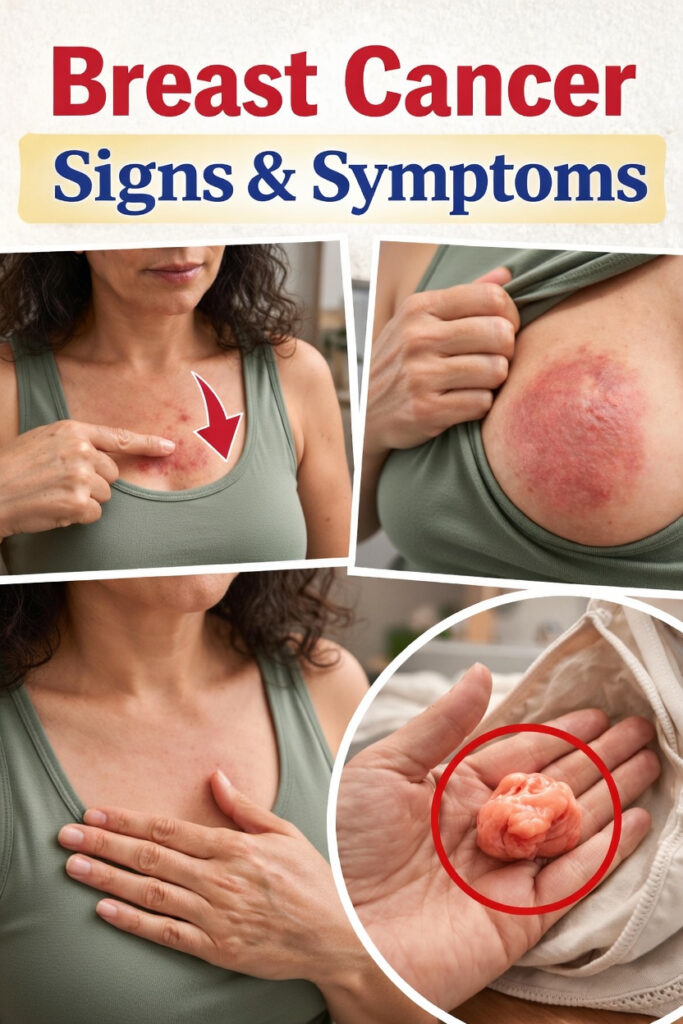
10 Breast Cancer Warning Signs You Should Not Ignore
Breast cancer affects millions of women worldwide, and even small changes in the breasts can trigger worry and uncertainty. At first, these shifts may seem minor, easy to blame on hormonal changes, irritation, or routine body fluctuations. However, overlooking them can sometimes delay important medical attention. That is why staying aware of your body is so valuable.
This guide explains 10 common breast cancer signs and symptoms to watch for, along with a simple self-check habit that can help you stay informed without feeling overwhelmed.
Why Early Awareness of Breast Cancer Symptoms Is Important
Breast cancer develops when cells in the breast begin growing in an abnormal way. Although many different factors can contribute to this disease, noticing changes early can help you have more informed discussions with your doctor. Trusted organizations such as the American Cancer Society and Mayo Clinic note that many breast changes are not cancer, but understanding what is normal for you can reduce anxiety and support timely evaluation.
You do not need medical training to notice unusual signs. A brief visual check or gentle self-exam during your regular routine can help you spot changes sooner. Because many symptoms appear gradually, monthly awareness can be one of the simplest and most effective habits for protecting your breast health.
10 Common Warning Signs and Symptoms of Breast Cancer
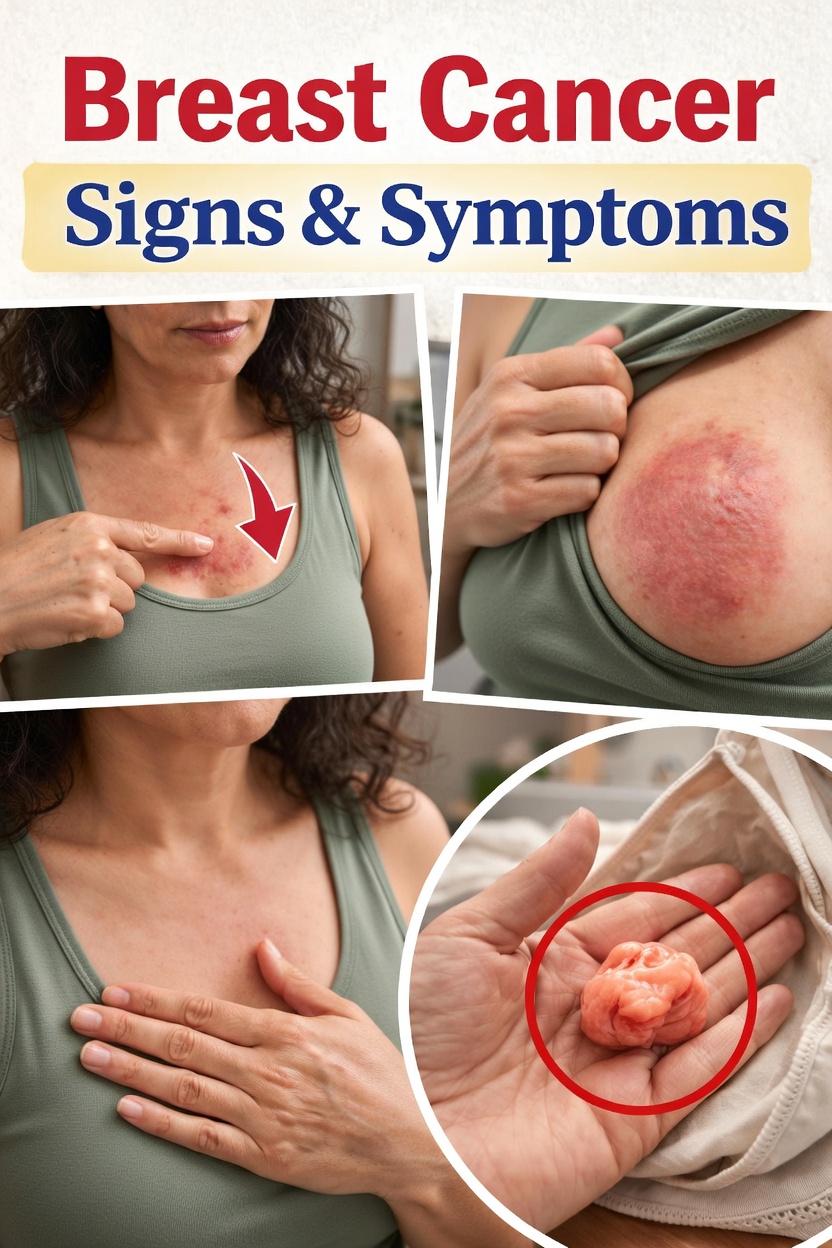
Health authorities, including the Centers for Disease Control and Prevention and major cancer organizations, highlight several signs that may need medical attention. These symptoms do not automatically mean cancer, but they should not be ignored.
1. A New Lump or Thickened Area in the Breast or Underarm
One of the most recognized signs is a lump or an area that feels firmer or thicker than the tissue around it. It may be painless, slightly tender, or develop slowly over time.
Not every lump is cancerous. Some are caused by cysts or benign growths such as fibroadenomas. Even so, any new lump should be checked by a healthcare professional.
2. Swelling or Thickening in Part of the Breast
A breast may feel fuller, heavier, or thicker in one area, even if there is no clearly defined lump. Sometimes the swelling affects only one section, while in other cases it involves a larger portion of the breast.
This type of change can happen for reasons other than cancer, including infection. Still, if it does not go away, it is important to mention it to your doctor.
3. Dimpling or Puckering of the Breast Skin
If the skin on the breast starts to pull inward, creating a dimpled or puckered look, it may be a warning sign. Some women describe it as looking similar to an orange peel or a mattress surface.
This change is often easier to notice in the mirror, especially when raising your arms. Because it can be subtle, regular observation matters.
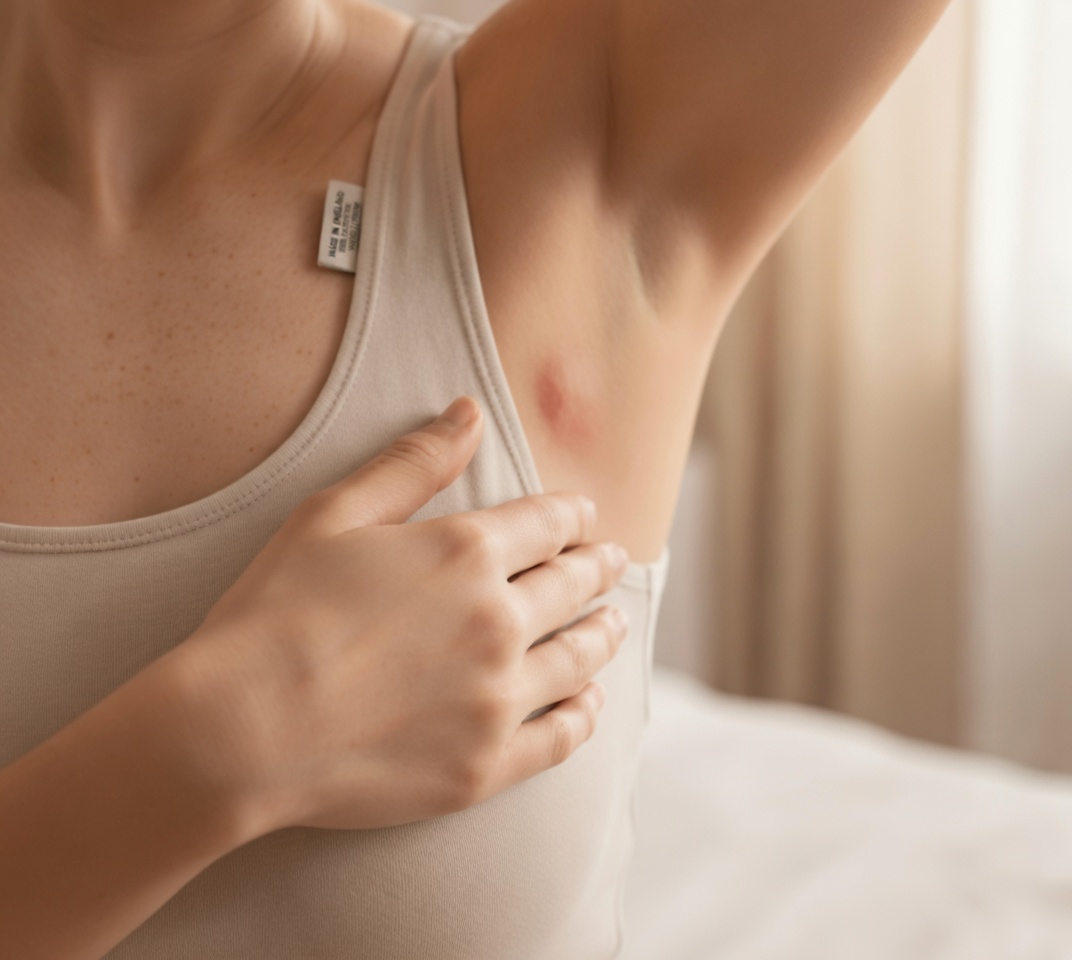
4. Redness or Flaking on the Breast or Nipple
Skin that becomes red, irritated, scaly, or flaky and does not improve may indicate more than simple dryness or a rash. The area may also feel warm or appear inflamed.
If redness covers a significant area or keeps coming back, it deserves medical attention. Persistent skin changes are among the important breast cancer symptoms experts recommend discussing during a check-up.
5. Nipple Retraction or Inversion
A nipple that suddenly turns inward, flattens, or changes direction should not be ignored. This is especially important if the change affects only one side.
Because this can happen without pain or an obvious cause, many women first notice it while showering or getting dressed.
6. Unusual Nipple Discharge
Fluid coming from the nipple that is not breast milk can be a warning sign, especially if it is clear, bloody, or yellowish. It may appear on its own or only when the nipple is pressed.
Nipple discharge can happen for several reasons, many of them non-cancerous. Still, any new or unexplained discharge should be evaluated.
7. Changes in Breast Size or Shape
If one breast starts to look noticeably larger, smaller, or differently shaped than usual, take note. Sometimes the change begins gradually and becomes more visible over time.
Natural asymmetry is common, and breast size can change after pregnancy or weight fluctuations. But unexplained differences should be monitored and discussed with a doctor.
8. Ongoing Pain or Tenderness in the Breast or Nipple
Breast discomfort that does not match your normal menstrual cycle may need attention. The pain may be sharp, dull, constant, or come and go in the same place.
Most breast pain is not linked to cancer. However, persistent pain combined with other changes should be assessed to rule out serious causes.
9. Swollen Lymph Nodes Under the Arm or Near the Collarbone
Lymph nodes under the arm or around the collarbone may become enlarged, firm, or tender. In some cases, this happens even when the breast itself seems unchanged.
These lymph nodes can act as an early alert system, which is why swelling in these areas should not be overlooked.
10. Orange-Peel Texture or Thickened Breast Skin
Sometimes the breast skin becomes thick, pitted, or bumpy, creating what is known as a peau d’orange appearance. It often affects a broader area instead of one small spot.
This symptom is distinctive and frequently mentioned in breast cancer awareness materials because it can signal certain serious breast conditions.
Quick List of the 10 Warning Signs
- New lump or thickening in the breast or underarm
- Swelling in part of the breast
- Skin dimpling or puckering
- Red or flaky skin on the breast or nipple
- Nipple turning inward
- Unusual nipple discharge
- Noticeable change in breast size or shape
- Persistent breast or nipple pain
- Swollen lymph nodes
- Orange-peel skin texture
How to Do a Simple Breast Self-Exam at Home
Once you know what to watch for, the next step is building a simple monthly habit. A breast self-exam takes only a few minutes and helps you learn what is normal for your body.
Step-by-step self-exam guide
- Look in the mirror with your arms relaxed at your sides. Check for visible changes in size, shape, or skin texture.
- Raise your arms overhead. Look again for dimpling, puckering, or any unusual movement in the skin.
- Feel each breast while lying down. Use the pads of your fingers and move in small circles, covering the full area from the armpit to the center of the chest.
- Repeat the exam while standing or sitting. Many women find it easiest in the shower when the skin is wet.
- Gently check the nipples. Lightly squeeze each nipple to see whether there is any discharge.
Try to do this once a month, ideally a few days after your period ends, when the breasts are usually less tender. The goal is not to diagnose yourself, but to become familiar with your normal baseline.
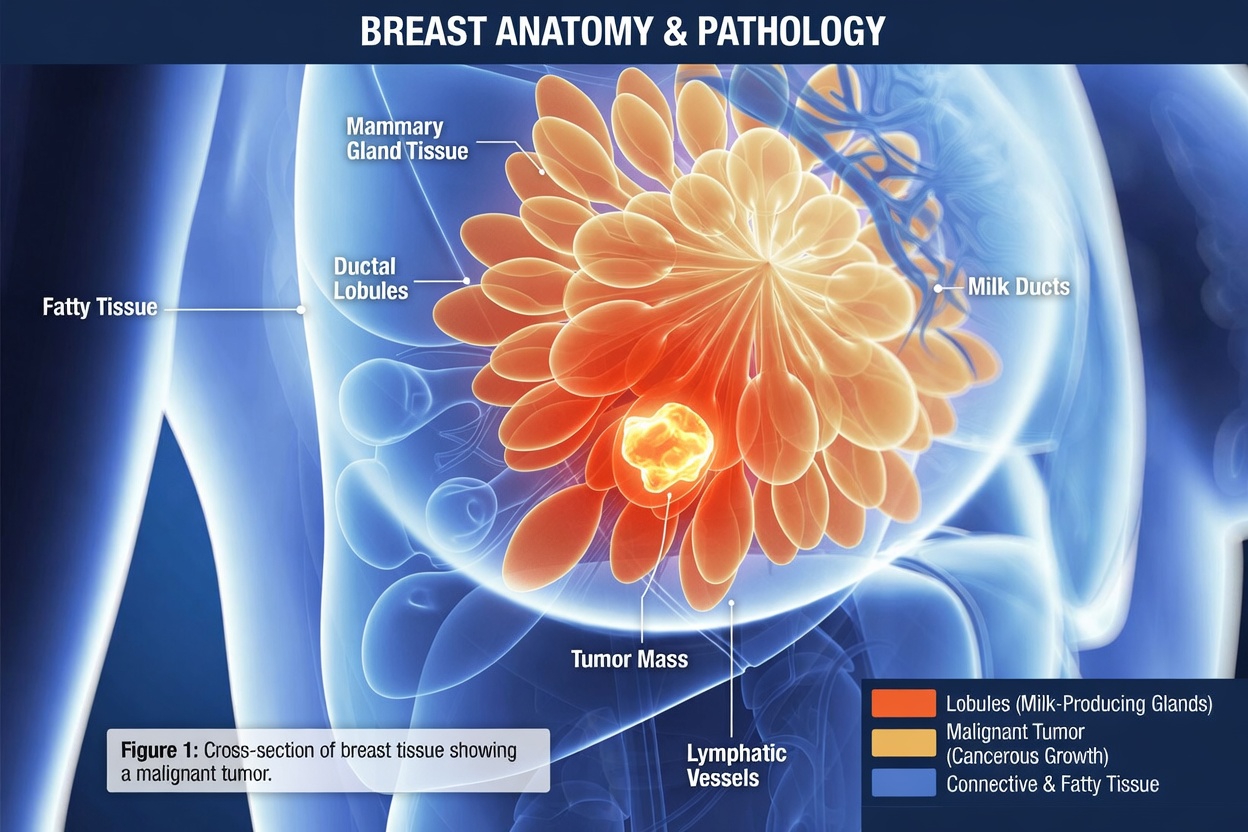
Self-awareness works best when combined with routine clinical exams and mammograms, based on your doctor’s recommendations.
What to Do If You Notice a Change
Discovering a change in your breast can feel frightening, but the best response is to act calmly and promptly. Make an appointment with your healthcare provider as soon as possible. They may recommend imaging tests or further evaluation.
It is important to remember that many breast changes are not cancerous. Taking action early can provide answers faster and often brings reassurance.
Final Thoughts
Learning the 10 warning signs and symptoms of breast cancer can help you feel more informed and in control of your health. Small steps, such as monthly self-checks and honest conversations with your doctor, can make breast awareness a natural part of your routine rather than a source of fear.
Staying informed is one of the most powerful things you can do for your well-being.